3 Days in Cusco: The Ultimate First-Timer's Travel Guide
Quick Summary
Planning 3 days in Cusco? Discover the best food, history, neighbourhoods, and altitude tips in this vivid, practical travel guide to Peru's sacred city.
In This Article
3 Days in Cusco: The Ultimate First-Timer's Travel Guide
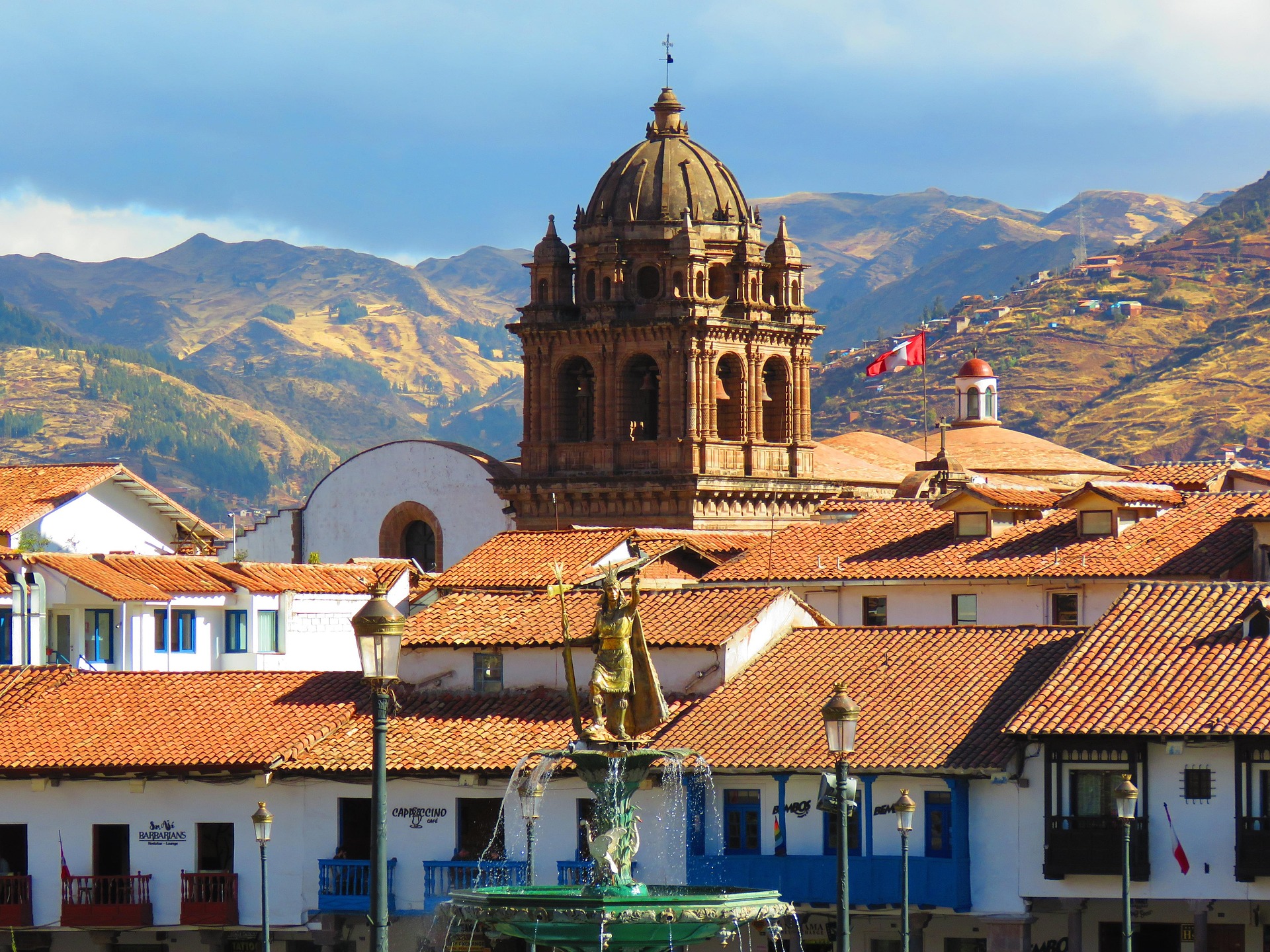
There's a moment, somewhere between gasping for air on a steep cobblestone street and locking eyes with a fluffy alpaca meandering past a sixteenth-century archway, when Cusco stops being a destination on your itinerary and becomes something far more personal. At over 11,000 feet above sea level, Peru's ancient Incan capital demands your attention — and your respect. Most travellers treat it as a quick layover before the train to Machu Picchu. That would be a mistake. Cusco is a city of staggering depth: layered civilisations, extraordinary food, jaw-dropping engineering, and a living culture that has survived centuries of conquest without ever truly being erased. Give it three days and it will give you memories that last a lifetime.
Why Cusco Is So Much More Than a Gateway City
Cusco's most common nickname — the gateway to Machu Picchu — is both accurate and wildly underselling. Yes, it's the logical launching point for the Sacred Valley and the famous citadel, but framing it purely as a transit hub is like calling Rome a good spot to catch a connecting flight.
The city's name comes from the Quechua word meaning navel of the earth, and the Incas weren't being poetic. Under the emperor Pachacutec, Cusco was literally the centre of the world — the administrative, spiritual, and ceremonial heart of the largest empire in pre-Columbian history, stretching across modern-day Peru, Ecuador, Bolivia, Chile, and Argentina. The original city was designed in the shape of a puma when viewed from above, and that sacred geometry isn't just a curiosity — it tells you everything about how the Incas understood their relationship to the cosmos.
Today, Quechua is spoken as frequently as Spanish on the streets. Traditional textiles hang beside colonial-era churches. Children in embroidered dress lead alpacas past tourists photographing baroque façades. The collision of Indigenous and Spanish heritage isn't a museum exhibit here — it's Tuesday afternoon in the Plaza de Armas.
Arriving Smart: Altitude Sickness Is Real and It Will Find You
Let's get this out of the way early, because altitude sickness can genuinely derail your trip if you're not prepared. Cusco sits at 3,400 metres — that's high enough that your body will notice the difference immediately, even if you feel fine at first. Symptoms typically start subtly: slight breathlessness on stairs, a dull headache, difficulty sleeping. For some people, myself included if I'm being honest, it escalates into persistent fatigue, insomnia, and headaches that no amount of ibuprofen fully resolves.
Here's what actually helps. First, talk to your doctor before you travel and ask about acetazolamide (Diamox), a prescription medication that significantly reduces altitude sickness symptoms. Second, consider a counterintuitive but effective strategy: fly into Cusco, then immediately head down to Ollantaytambo or Aguas Calientes — both at lower elevations — for your first day or two. Explore Machu Picchu first, then return to Cusco with your body partially acclimatised. It sounds backwards, but it works.
If you're going straight into the city, resist every urge to walk up every hill on day one. Eat light — quinoa soup and chicken broth are your best friends that first evening, not a massive plate of lomo saltado. Stay aggressively hydrated with electrolytes, not just plain water. Sip coca tea, which is offered everywhere and genuinely takes the edge off. And most importantly: slow down. The streets aren't going anywhere.
Where to Eat in Cusco: From Market Stalls to Farm Tables
Cusco's food scene is one of South America's most underrated. The city combines ancient Andean ingredients — quinoa, purple corn, 3,000 varieties of potato, trout from mountain lakes, and alpaca raised on high-altitude grasslands — with culinary techniques that have evolved across millennia. The result is a cuisine that is simultaneously hearty, nuanced, and endlessly interesting.
For the most authentic and affordable experience, head to Mercado de San Blas rather than the more tourist-heavy Mercado de San Pedro. San Blas is compact, friendly, and genuinely local, with market stalls serving empanadas stuffed with aji de gallina or lomo saltado made with alpaca, desserts topped with sauco (elderberry, packed with antioxidants), and quinoa cookies that put every protein bar you've ever eaten to shame. San Blas Market is reportedly only open on Saturdays, so plan accordingly if you want to catch the full spread.
For something more considered, Organika is a farm-to-table restaurant sourcing ingredients from two different growing regions around Cusco. After days of rich stews and meat-heavy plates, the fresh greens and lighter preparations feel like a revelation. Their grilled alpaca is an excellent introduction to the meat — lean, tender, and closer to a fine steak than anything gamey, particularly when served in a red wine reduction. Pair it with yaki, a local side dish that earns its own devoted following at the table.
A note on alpaca: you will find it everywhere, and you should try it in multiple forms. The alpaca burger is excellent. Alpaca tacos exist and they are worth your time. Approach it with an open mind and no preconceptions, and you'll be rewarded.
The History Beneath Your Feet: Incan Engineering and the Conquest
One of the most powerful things you can do on your first morning in Cusco is join a walking history tour. Not because you need someone to point at buildings, but because the context transforms everything you'll see for the rest of your trip. Cusco's history is far more layered — and far more painful — than most visitors expect.
The Incas were master stonemasons who worked without mortar, without iron chisels, and without the wheel. They transported enormous boulders from quarries dozens of miles away and fitted them together with such precision that a piece of paper cannot be slid between the joints. These walls have survived earthquakes that levelled everything built on top of them, which is itself a testament to the engineering genius of a civilisation that the Spanish spent considerable energy trying to erase.
When the conquistadors arrived in the 1530s, they didn't just loot Cusco's gold. They systematically dismantled its temples and used the stones to build their own colonial city directly on top. The Cathedral on the Plaza de Armas was built on the foundations of the Inca palace of Viracocha. The stunning Coricancha — once the Temple of the Sun, the spiritual nucleus of the entire Inca Empire, its walls literally covered in thick bands of gold — became the foundation for the Catholic convent of Santo Domingo. It wasn't until an earthquake in 1950 cracked open the colonial building and exposed the original Incan stonework beneath that restoration and recognition of the site's Indigenous heritage began in earnest.
Walking through Coricancha today, you stand in one of the most philosophically complicated spaces in the Americas. The Incan stonework is undeniably superior in both beauty and durability to the colonial construction layered above it. The gold is long gone. Nearly all of the Incas' recorded knowledge was destroyed during the conquest. Different archaeologists and local guides will give you different theories about almost every aspect of what this place once was. That uncertainty is itself a lesson about what colonisation truly costs — not just the people it kills, but the knowledge it annihilates forever.
Sacsayhuaman and the View That Makes Everything Worth It
If Coricancha is the spiritual heart of Cusco's Incan history, Sacsayhuaman (pronounced — and often spelled — sexy woman by knowing locals) is its most visually overwhelming expression. Perched on the hillside directly above the city, this megalithic complex used to form the head of the puma in Cusco's sacred layout. Getting up there will test your lungs, but the view from the top — the entire city of Cusco spread out below you, ringed by mountains, in that particular Andean light — is genuinely one of those moments that makes you understand why people travel.
The stones here are extraordinary. The largest boulder in the main plaza weighs an estimated 120 tons — roughly the equivalent of seventeen full-grown African elephants. Many of the stones are not rectangular but shaped with multiple angles and curves, interlocking with neighbouring blocks in ways that continue to baffle engineers today. The construction is estimated to have taken over 50 years and thousands of workers. The quarry they came from is more than 12 miles away.
Historians debate whether Sacsayhuaman was a military fortress, a ceremonial centre, or an astronomical observatory — a 65-foot tower once stood here to track the sun between solstices and equinoxes. It was almost certainly all three. Sadly, only around 40% of the original structure remains; the Spanish demolished the rest to provide building materials for colonial Cusco. What survives is enough to stop you mid-sentence.
The San Blas Neighbourhood: Where to Shop, Wander, and Fall in Love
If you have an afternoon with no agenda — and you should deliberately build one into your itinerary — spend it in San Blas. Perched high in the hills above the Plaza de Armas, this bohemian barrio is Cusco at its most colourful and creatively alive. Narrow whitewashed lanes open onto tiny plazas. Workshops double as storefronts where you can watch artisans carving wood, weaving textiles, and hammering silver in real time. The work is genuinely handmade and frequently stunning.
The Saturday market at San Blas Plaza is worth planning your entire itinerary around if the timing works. Unlike the more commercial shopping streets near the main plaza, Saturday market vendors here sell original pieces — ceramics, weavings, jewellery, and carved figures — using traditional designs that have been passed down through generations. Come with cash and allow significantly more time than you think you need. The shopping in Cusco, full stop, is exceptional, but San Blas on a Saturday is in a different category entirely.
The neighbourhood also has some of the best cafés in the city. Look for Florencia e Fortunata, a women-owned coffee shop sourcing specialty beans from female farmers across the Andes — the cinnamon roll and the pan de queso made from yuca flour are precisely what you need when altitude has ground you down to nothing and you're wondering whether your legs will carry you up another hill.
Practical Tips for Getting the Most From 3 Days in Cusco
Three days is enough to feel Cusco genuinely — not just photograph it. Here's how to make them count.
Free Weekly Newsletter
Enjoying this guide?
Get the best articles like this one delivered to your inbox every week. No spam.
Start slow, finish strong. Spend day one almost entirely at lower intensity: a light meal, a gentle orientation walk, and bed early. Day two is for the walking history tour, Coricancha, and San Blas. Day three is for Sacsayhuaman and the markets.
Book accommodation in the historic centre. You want to be walking distance from the Plaza de Armas. A boutique hotel in the hills — like Siete Toritos — puts you close to the action and above much of the street noise, with breakfast included at around $100 a night representing genuinely good value.
Pack for extreme layering. Cusco's weather is almost aggressively unpredictable. Mornings and evenings can be genuinely cold; midday in full sun can feel like summer. The solution is merino wool — it's temperature-regulating, odour-resistant, and wrinkle-resilient in a way that synthetic fabrics simply aren't. If you're travelling for more than a few days across multiple Peruvian climates, investing in proper merino base layers and shirts will transform your comfort levels.
Eat where locals eat. San Blas Market and San Pedro Market will feed you better and cheaper than almost any tourist-facing restaurant near the plaza. That said, Cusco genuinely has some excellent mid-range restaurants — don't skip them entirely.
Skip the ambitious day trips if you're struggling with altitude. Rainbow Mountain, Humantay Lake, and Siete Lagunas are all spectacular but involve very early starts, long drives, and even higher elevations. They're bucket-list experiences for those who are fit and well-acclimatised. If your body is still adjusting, be honest with yourself and save them for the end of your trip — or a future visit.
Cusco rewards patience, curiosity, and a willingness to slow down and look closely. It isn't a city you consume. It's one you sit with, piece together, and carry home with you in ways you won't fully understand until you're already gone.
Frequently Asked Questions
How many days do you need in Cusco?
Three days is the practical minimum to experience Cusco meaningfully — covering the historic centre, key archaeological sites like Coricancha and Sacsayhuaman, the main markets, and the San Blas neighbourhood. If you want to add day trips to Rainbow Mountain or Humantay Lake, budget four to five days. A week in Cusco will reveal layers that most visitors never get to see.
Is altitude sickness a serious concern in Cusco?
Yes, and it shouldn't be underestimated. At 3,400 metres, Cusco is high enough to cause symptoms in visitors of all fitness levels — including headaches, fatigue, insomnia, and nausea. The best approach is to speak with your doctor before travelling about prescription options like Diamox, hydrate aggressively with electrolytes from the moment you land, eat lightly on your first day, and avoid alcohol for at least 48 hours. Some travellers also benefit from visiting lower-altitude sites like Aguas Calientes first before returning to Cusco to acclimatise.
What is the best time of year to visit Cusco?
Cusco's dry season runs from May to October, with June, July, and August being the most popular months. Days are sunny and clear, though nights can be very cold. The wet season from November to April brings daily rainfall, fewer crowds, and lush green landscapes — it's genuinely beautiful if you don't mind the rain. Avoid visiting during major festivals like Inti Raymi in June if you haven't booked accommodation well in advance, as the city fills completely.
Is it safe to eat street food and market food in Cusco?
Generally yes, particularly at established market stalls like those in Mercado de San Blas and Mercado de San Pedro, which serve freshly prepared food to local customers every day. As with any travel destination, use common sense: opt for hot, freshly cooked dishes, be cautious with raw vegetables if your stomach is sensitive, and stay hydrated. The food at both markets is not only safe but among the most authentic and delicious eating you'll do in Peru.
What should I buy in Cusco?
Cusco is one of the best shopping destinations in South America. Alpaca wool sweaters, scarves, and hats are the obvious starting point — look for 100% baby alpaca for the softest quality. Hand-woven textiles, ceramic figures, silver jewellery, and carved wooden goods are all worth investing in, particularly if you buy directly from artisans in San Blas rather than from bulk souvenir shops near the plaza. The Saturday market at San Blas Plaza is the best single spot in the city for original, handmade pieces.
Frequently Asked Questions
Why Cusco Is So Much More Than a Gateway City
Cusco's most common nickname — the gateway to Machu Picchu — is both accurate and wildly underselling. Yes, it's the logical launching point for the Sacred Valley and the famous citadel, but framing it purely as a transit hub is like calling Rome a good spot to catch a connecting flight.
The city's name comes from the Quechua word meaning navel of the earth, and the Incas weren't being poetic. Under the emperor Pachacutec, Cusco was literally the centre of the world — the administrative, spiritual, and ceremonial heart of the largest empire in pre-Columbian history, stretching across modern-day Peru, Ecuador, Bolivia, Chile, and Argentina. The original city was designed in the shape of a puma when viewed from above, and that sacred geometry isn't just a curiosity — it tells you everything about how the Incas understood their relationship to the cosmos.
Today, Quechua is spoken as frequently as Spanish on the streets. Traditional textiles hang beside colonial-era churches. Children in embroidered dress lead alpacas past tourists photographing baroque façades. The collision of Indigenous and Spanish heritage isn't a museum exhibit here — it's Tuesday afternoon in the Plaza de Armas.
Arriving Smart: Altitude Sickness Is Real and It Will Find You
Let's get this out of the way early, because altitude sickness can genuinely derail your trip if you're not prepared. Cusco sits at 3,400 metres — that's high enough that your body will notice the difference immediately, even if you feel fine at first. Symptoms typically start subtly: slight breathlessness on stairs, a dull headache, difficulty sleeping. For some people, myself included if I'm being honest, it escalates into persistent fatigue, insomnia, and headaches that no amount of ibuprofen fully resolves.
Here's what actually helps. First, talk to your doctor before you travel and ask about acetazolamide (Diamox), a prescription medication that significantly reduces altitude sickness symptoms. Second, consider a counterintuitive but effective strategy: fly into Cusco, then immediately head down to Ollantaytambo or Aguas Calientes — both at lower elevations — for your first day or two. Explore Machu Picchu first, then return to Cusco with your body partially acclimatised. It sounds backwards, but it works.
If you're going straight into the city, resist every urge to walk up every hill on day one. Eat light — quinoa soup and chicken broth are your best friends that first evening, not a massive plate of lomo saltado. Stay aggressively hydrated with electrolytes, not just plain water. Sip coca tea, which is offered everywhere and genuinely takes the edge off. And most importantly: slow down. The streets aren't going anywhere.
Where to Eat in Cusco: From Market Stalls to Farm Tables
Cusco's food scene is one of South America's most underrated. The city combines ancient Andean ingredients — quinoa, purple corn, 3,000 varieties of potato, trout from mountain lakes, and alpaca raised on high-altitude grasslands — with culinary techniques that have evolved across millennia. The result is a cuisine that is simultaneously hearty, nuanced, and endlessly interesting.
For the most authentic and affordable experience, head to Mercado de San Blas rather than the more tourist-heavy Mercado de San Pedro. San Blas is compact, friendly, and genuinely local, with market stalls serving empanadas stuffed with aji de gallina or lomo saltado made with alpaca, desserts topped with sauco (elderberry, packed with antioxidants), and quinoa cookies that put every protein bar you've ever eaten to shame. San Blas Market is reportedly only open on Saturdays, so plan accordingly if you want to catch the full spread.
For something more considered, Organika is a farm-to-table restaurant sourcing ingredients from two different growing regions around Cusco. After days of rich stews and meat-heavy plates, the fresh greens and lighter preparations feel like a revelation. Their grilled alpaca is an excellent introduction to the meat — lean, tender, and closer to a fine steak than anything gamey, particularly when served in a red wine reduction. Pair it with yaki, a local side dish that earns its own devoted following at the table.
A note on alpaca: you will find it everywhere, and you should try it in multiple forms. The alpaca burger is excellent. Alpaca tacos exist and they are worth your time. Approach it with an open mind and no preconceptions, and you'll be rewarded.
The History Beneath Your Feet: Incan Engineering and the Conquest
One of the most powerful things you can do on your first morning in Cusco is join a walking history tour. Not because you need someone to point at buildings, but because the context transforms everything you'll see for the rest of your trip. Cusco's history is far more layered — and far more painful — than most visitors expect.
The Incas were master stonemasons who worked without mortar, without iron chisels, and without the wheel. They transported enormous boulders from quarries dozens of miles away and fitted them together with such precision that a piece of paper cannot be slid between the joints. These walls have survived earthquakes that levelled everything built on top of them, which is itself a testament to the engineering genius of a civilisation that the Spanish spent considerable energy trying to erase.
When the conquistadors arrived in the 1530s, they didn't just loot Cusco's gold. They systematically dismantled its temples and used the stones to build their own colonial city directly on top. The Cathedral on the Plaza de Armas was built on the foundations of the Inca palace of Viracocha. The stunning Coricancha — once the Temple of the Sun, the spiritual nucleus of the entire Inca Empire, its walls literally covered in thick bands of gold — became the foundation for the Catholic convent of Santo Domingo. It wasn't until an earthquake in 1950 cracked open the colonial building and exposed the original Incan stonework beneath that restoration and recognition of the site's Indigenous heritage began in earnest.
Walking through Coricancha today, you stand in one of the most philosophically complicated spaces in the Americas. The Incan stonework is undeniably superior in both beauty and durability to the colonial construction layered above it. The gold is long gone. Nearly all of the Incas' recorded knowledge was destroyed during the conquest. Different archaeologists and local guides will give you different theories about almost every aspect of what this place once was. That uncertainty is itself a lesson about what colonisation truly costs — not just the people it kills, but the knowledge it annihilates forever.
Sacsayhuaman and the View That Makes Everything Worth It
If Coricancha is the spiritual heart of Cusco's Incan history, Sacsayhuaman (pronounced — and often spelled — sexy woman by knowing locals) is its most visually overwhelming expression. Perched on the hillside directly above the city, this megalithic complex used to form the head of the puma in Cusco's sacred layout. Getting up there will test your lungs, but the view from the top — the entire city of Cusco spread out below you, ringed by mountains, in that particular Andean light — is genuinely one of those moments that makes you understand why people travel.
The stones here are extraordinary. The largest boulder in the main plaza weighs an estimated 120 tons — roughly the equivalent of seventeen full-grown African elephants. Many of the stones are not rectangular but shaped with multiple angles and curves, interlocking with neighbouring blocks in ways that continue to baffle engineers today. The construction is estimated to have taken over 50 years and thousands of workers. The quarry they came from is more than 12 miles away.
Historians debate whether Sacsayhuaman was a military fortress, a ceremonial centre, or an astronomical observatory — a 65-foot tower once stood here to track the sun between solstices and equinoxes. It was almost certainly all three. Sadly, only around 40% of the original structure remains; the Spanish demolished the rest to provide building materials for colonial Cusco. What survives is enough to stop you mid-sentence.
The San Blas Neighbourhood: Where to Shop, Wander, and Fall in Love
If you have an afternoon with no agenda — and you should deliberately build one into your itinerary — spend it in San Blas. Perched high in the hills above the Plaza de Armas, this bohemian barrio is Cusco at its most colourful and creatively alive. Narrow whitewashed lanes open onto tiny plazas. Workshops double as storefronts where you can watch artisans carving wood, weaving textiles, and hammering silver in real time. The work is genuinely handmade and frequently stunning.
The Saturday market at San Blas Plaza is worth planning your entire itinerary around if the timing works. Unlike the more commercial shopping streets near the main plaza, Saturday market vendors here sell original pieces — ceramics, weavings, jewellery, and carved figures — using traditional designs that have been passed down through generations. Come with cash and allow significantly more time than you think you need. The shopping in Cusco, full stop, is exceptional, but San Blas on a Saturday is in a different category entirely.
The neighbourhood also has some of the best cafés in the city. Look for Florencia e Fortunata, a women-owned coffee shop sourcing specialty beans from female farmers across the Andes — the cinnamon roll and the pan de queso made from yuca flour are precisely what you need when altitude has ground you down to nothing and you're wondering whether your legs will carry you up another hill.
Practical Tips for Getting the Most From 3 Days in Cusco
Three days is enough to feel Cusco genuinely — not just photograph it. Here's how to make them count.
Start slow, finish strong. Spend day one almost entirely at lower intensity: a light meal, a gentle orientation walk, and bed early. Day two is for the walking history tour, Coricancha, and San Blas. Day three is for Sacsayhuaman and the markets.
Book accommodation in the historic centre. You want to be walking distance from the Plaza de Armas. A boutique hotel in the hills — like Siete Toritos — puts you close to the action and above much of the street noise, with breakfast included at around $100 a night representing genuinely good value.
Pack for extreme layering. Cusco's weather is almost aggressively unpredictable. Mornings and evenings can be genuinely cold; midday in full sun can feel like summer. The solution is merino wool — it's temperature-regulating, odour-resistant, and wrinkle-resilient in a way that synthetic fabrics simply aren't. If you're travelling for more than a few days across multiple Peruvian climates, investing in proper merino base layers and shirts will transform your comfort levels.
Eat where locals eat. San Blas Market and San Pedro Market will feed you better and cheaper than almost any tourist-facing restaurant near the plaza. That said, Cusco genuinely has some excellent mid-range restaurants — don't skip them entirely.
Skip the ambitious day trips if you're struggling with altitude. Rainbow Mountain, Humantay Lake, and Siete Lagunas are all spectacular but involve very early starts, long drives, and even higher elevations. They're bucket-list experiences for those who are fit and well-acclimatised. If your body is still adjusting, be honest with yourself and save them for the end of your trip — or a future visit.
Cusco rewards patience, curiosity, and a willingness to slow down and look closely. It isn't a city you consume. It's one you sit with, piece together, and carry home with you in ways you won't fully understand until you're already gone.
Frequently Asked Questions
How many days do you need in Cusco?
Three days is the practical minimum to experience Cusco meaningfully — covering the historic centre, key archaeological sites like Coricancha and Sacsayhuaman, the main markets, and the San Blas neighbourhood. If you want to add day trips to Rainbow Mountain or Humantay Lake, budget four to five days. A week in Cusco will reveal layers that most visitors never get to see.
Is altitude sickness a serious concern in Cusco?
Yes, and it shouldn't be underestimated. At 3,400 metres, Cusco is high enough to cause symptoms in visitors of all fitness levels — including headaches, fatigue, insomnia, and nausea. The best approach is to speak with your doctor before travelling about prescription options like Diamox, hydrate aggressively with electrolytes from the moment you land, eat lightly on your first day, and avoid alcohol for at least 48 hours. Some travellers also benefit from visiting lower-altitude sites like Aguas Calientes first before returning to Cusco to acclimatise.
What is the best time of year to visit Cusco?
Cusco's dry season runs from May to October, with June, July, and August being the most popular months. Days are sunny and clear, though nights can be very cold. The wet season from November to April brings daily rainfall, fewer crowds, and lush green landscapes — it's genuinely beautiful if you don't mind the rain. Avoid visiting during major festivals like Inti Raymi in June if you haven't booked accommodation well in advance, as the city fills completely.
Is it safe to eat street food and market food in Cusco?
Generally yes, particularly at established market stalls like those in Mercado de San Blas and Mercado de San Pedro, which serve freshly prepared food to local customers every day. As with any travel destination, use common sense: opt for hot, freshly cooked dishes, be cautious with raw vegetables if your stomach is sensitive, and stay hydrated. The food at both markets is not only safe but among the most authentic and delicious eating you'll do in Peru.
What should I buy in Cusco?
Cusco is one of the best shopping destinations in South America. Alpaca wool sweaters, scarves, and hats are the obvious starting point — look for 100% baby alpaca for the softest quality. Hand-woven textiles, ceramic figures, silver jewellery, and carved wooden goods are all worth investing in, particularly if you buy directly from artisans in San Blas rather than from bulk souvenir shops near the plaza. The Saturday market at San Blas Plaza is the best single spot in the city for original, handmade pieces.
About Zeebrain Editorial
Zeebrain publishes independent analysis of markets, investing, personal finance, and business. We disclose affiliate relationships, never accept payment for coverage, and fact-check all claims against primary sources. Read our editorial policy →
How this article was produced: Zeebrain articles are created with AI assistance from primary sources (including cited videos and market data) and reviewed under our editorial standards before publication. Spot an error? Tell us and we will correct it.
More from Travel & Places



Related Guides
Keep exploring this topic
3 Days in Lima, Peru: The City Worth Slowing Down For
Travel & Places · Lima · Peru travel
3 Days in Machu Picchu & Sacred Valley: What to Expect
Travel & Places · Machu Picchu · Sacred Valley
3 Days in Nassau: What Most Visitors Miss in the Bahamas
Travel & Places
2 Days in Budapest in Winter: The Ultimate Travel Guide
Travel & Places
Explore More Categories
Keep browsing by topic and build depth around the subjects you care about most.