3 Days in Machu Picchu & Sacred Valley: What to Expect
Quick Summary
Planning a trip to Machu Picchu and the Sacred Valley? Here's what 3 days actually looks like — stops, tips, food, and the moments no one warns you about.
In This Article
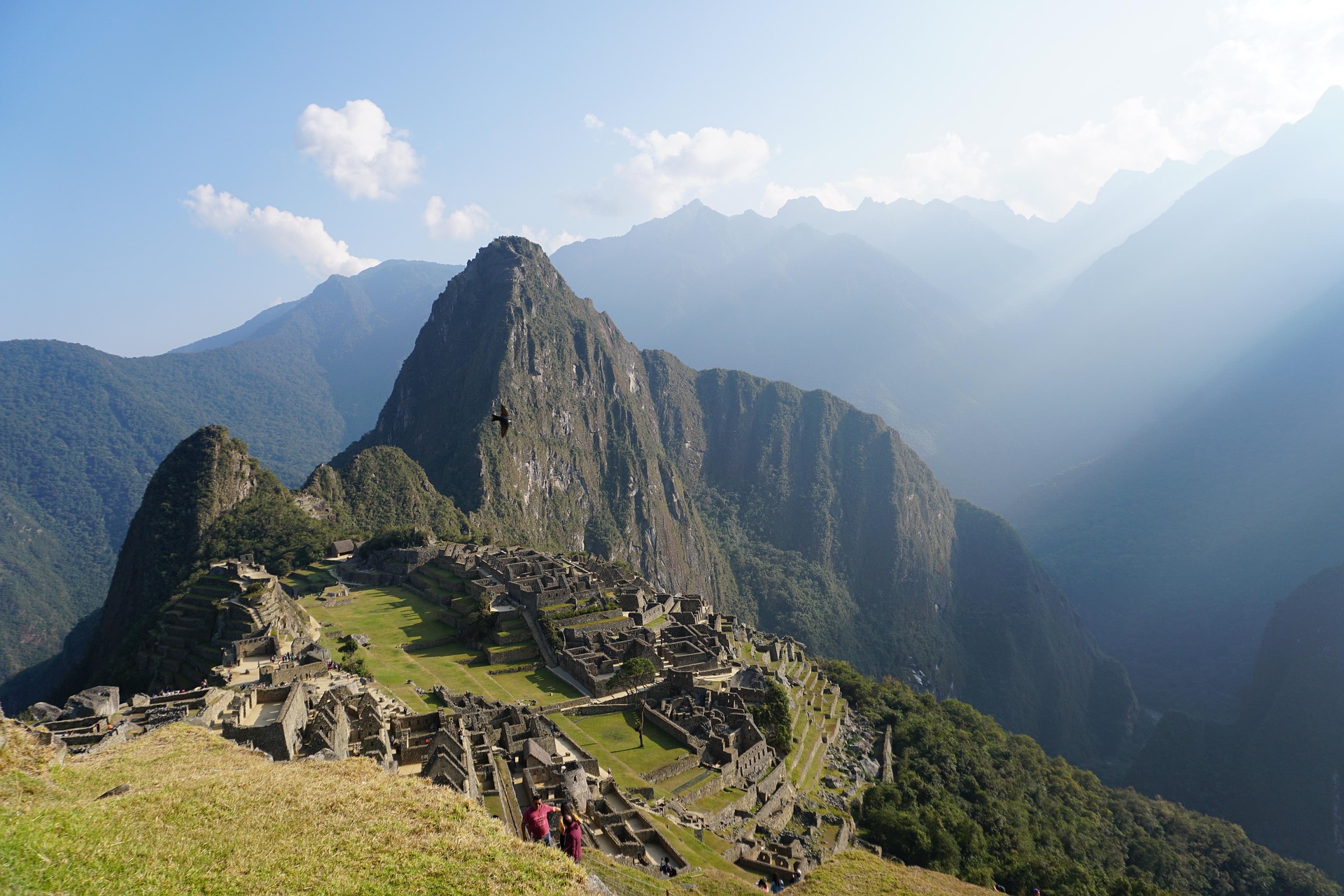
There's a specific feeling that hits you the first time you lay eyes on Machu Picchu. Not excitement exactly — something quieter than that. More like disbelief. After months of planning, a long-haul flight, a bus ride through switchback mountain roads, and a queue that seemed to have no end, you step through the gate and suddenly you're standing there, looking at a city that has no business existing where it does. And yet, there it is.
The Sacred Valley and Machu Picchu have become the beating heart of Peruvian tourism — drawing over a million visitors a year, inspiring bucket lists, and earning a spot among the New Seven Wonders of the World. But what does three days in this region actually look like when you strip away the Instagram highlight reel? Here's the honest account, complete with the planning wins, the unexpected challenges, and everything you'd want to know before you go.
Day One: The Sacred Valley Reveals Its Layers
Most Sacred Valley itineraries begin early — frustratingly early. A 5:50am pickup is not unusual if you're joining a group tour from Cusco, and the day ahead will demand every bit of energy you can muster. But the reward starts almost immediately.
The first stop, Chinchero, is a living reminder that Inca culture never truly disappeared. Perched above the valley at around 3,800 metres, this village is famous for two things: its agricultural terraces and its textiles. At a local cooperative, artisans walk visitors through the full process of transforming raw alpaca and llama fibre into the richly patterned weavings you see sold across the region. The natural dyeing process alone is extraordinary — cochineal beetles, native flowers, and plants producing colours so vivid they look almost synthetic. Baby alpaca wool, softer than cashmere, sets the benchmark for quality. The motifs woven into each piece carry family histories passed down through generations. When you understand the labour behind them, the prices feel entirely reasonable.
From Chinchero, the drive to Salinas de Maras passes through scenery that makes it easy to forget you're still in the bus. The salt pans — over 4,500 pools carved into a mountain slope and fed by a natural mineral spring — predate the Incas by roughly 1,300 years and are still harvested by hand four times a year. The visual effect is striking: pools in every shade of white, pink, and amber depending on salinity and season. It's the kind of place that rewards slow observation. Don't rush through it.
Morai comes next, and it may be the site that most rewards curious minds. This circular terrace complex, once an Incan agricultural laboratory, used carefully calculated microclimates across its concentric rings to test over 250 crop varieties simultaneously. The engineering precision required to engineer distinct temperature zones within a single structure is staggering even by modern standards. It's not the flashiest site in the valley, but it's the one that makes you stop and genuinely marvel at the intellectual sophistication of the civilisation that built it.
The final stop of day one — Ollantaytambo — is where the Sacred Valley truly earns its reputation. Rather than heading back to Cusco for the night, spending the evening here is one of the best decisions you can make. This is a living Inca town. Ancient aqueducts still channel water through cobblestone streets. Locals still speak Quechua. The ruins that climb the hillside above the rooftops aren't a distant relic — they're a backdrop to daily life. The Temple of the Sun, constructed from enormous megalithic stones transported from quarries across the valley, was never finished before Spanish colonisation interrupted its construction. That incompleteness makes it feel oddly intimate.
After the tour groups clear out — usually by late afternoon — Ollantaytambo becomes a different place entirely. Quieter, more contemplative, more yours. That timing difference of just one hour can mean the difference between fighting for space and having a UNESCO site essentially to yourself.
Where to Sleep and Eat in Ollantaytambo
Staying overnight in Ollantaytambo rather than returning to Cusco is a practical and atmospheric choice. Accommodation ranges from budget guesthouses to boutique hotels, all within easy walking distance of the ruins and the train station. A basic but charming room at a local guesthouse is entirely comfortable for a short stay and keeps costs manageable.
Dinner here is worth exploring beyond the obvious tourist menus. Local corn dishes, fava bean starters, and fresh trout from Andean rivers are staples that rarely disappoint. And if you're feeling adventurous, cuy — guinea pig — is widely available. It's a significant source of protein in the Andean diet with a history stretching back to pre-Inca civilisations. The flavour sits somewhere between duck and turkey: mildly gamey, slightly fatty, distinctly its own thing. Worth trying once. Not necessarily a dish you'll crave again.
One thing worth knowing: chicha de jora, the fermented corn beer that Andean communities have brewed for thousands of years, is often offered at local spots. It's lightly sour, faintly fruity, and smells a little like kombucha. If someone offers you a cup, say yes.
The Train to Aguas Calientes and Why the Journey Matters
Ollantaytambo is the true gateway to Machu Picchu — not Cusco, despite what most travel itineraries imply. The train departs from here, and the Inca Trail begins here. Three operators run the route to Aguas Calientes: Inca Rail, Peru Rail, and the luxury Hiram Bingham. For travellers who want something between budget and extravagant, the Peru Rail Vistadome is a genuinely excellent middle ground. Panoramic glass ceilings and an optional open-air observation balcony transform a two-hour journey through cloud forest and mountain river valleys into something that feels like an event in its own right.
Aguas Calientes itself is a curious town. Entirely car-free, surrounded on all sides by vertical green mountains, with the Urubamba River running alongside the main strip — it's visually dramatic in a way that photos can't quite capture. But make no mistake: this is a tourism town through and through. Almost every building is a hotel, restaurant, or shop. Expect higher prices and a beach-resort energy that feels slightly incongruous with the ancient world you're about to visit. Dinner here is better than you'd expect — locally farmed trout and dishes built around quinoa and alpaca are standard fare and generally well-executed. You don't need more than one night.
Before you settle in for the evening, secure your bus tickets for the morning. The bus up to Machu Picchu runs on a set schedule and sells out. Don't leave it until morning.
Standing Inside Machu Picchu: What the Experience Is Actually Like
The Machu Picchu archaeological site sits at roughly 2,430 metres above sea level, named for the mountain that towers over it to the south. It was built in the mid-15th century, likely as a royal estate and religious retreat for Inca emperor Pachacuti — a place reserved for nobility and spiritual leaders who studied astronomy, agriculture, and the sacred relationship between landscape and sky. Very few people were permitted access during its active years. Even today, there's an enforced ticketing system with time slots and specific circuits to manage the flow of visitors.
Circuit 2A — the so-called classic circuit — is widely considered the best route for first-time visitors. It opens with the famous elevated viewpoint that gives you the postcard panorama of the entire city spread below you, before descending into the ruins to explore the terraces, temples, and residential quarters from ground level. The combination of the aerial perspective and the intimate walk-through is genuinely affecting.
The crowds are real. There's no point pretending otherwise. Early morning slots fill fast, lines form at the gate long before opening, and popular viewpoints can feel congested. But the site is large enough that patience pays off. Move at your own pace, let the groups pass ahead of you, and the views will clear. Within minutes of the main rush moving on, you can find yourself standing in spaces that feel almost private.
And then the feeling arrives. The one that makes all the planning worth it. Standing among stonework that has outlasted empires, looking across a city that was hidden from the outside world for centuries, surrounded by mountains that dwarf everything human hands have ever built here — it lands differently than you expect. More quietly. More permanently.
Practical Tips for Making the Most of This Region
A few things that genuinely make a difference when planning this trip:
Book your Machu Picchu tickets well in advance. Daily visitor numbers are capped and tickets sell out weeks ahead, especially during peak season between June and August. Choose your circuit and time slot when booking — don't leave it to chance.
Carry your physical passport on the day. Digital copies are acceptable for buying bus tickets, but on the day of entry to Machu Picchu, the physical document is required. This catches a surprising number of visitors off guard.
Factor in altitude. Cusco sits at over 3,400 metres and the Sacred Valley isn't much lower. Give yourself at least a day to acclimatise before attempting any significant walking. Coca tea, available everywhere, genuinely helps. Prescription altitude medication is worth discussing with a doctor before you travel.
Consider a private tour over a group tour if the budget allows. Group tours are efficient and well-structured, but private guides allow you to linger longer at each site, time your arrivals to avoid the worst crowds, and tailor the pace to what actually interests you.
Free Weekly Newsletter
Enjoying this guide?
Get the best articles like this one delivered to your inbox every week. No spam.
Stay in Ollantaytambo for at least one night. The logistics work better from here than from Cusco for the Machu Picchu leg, and the town itself deserves time. It's one of the most quietly extraordinary places in Peru.
Pack light for the Machu Picchu portion. Luggage storage options are limited in Aguas Calientes and you cannot bring large bags into the site itself. Be strategic about what you bring from your base.
Why the Sacred Valley Deserves More Than a Day Trip
Machu Picchu is extraordinary. But the risk of treating it as the only destination in this region is that you miss the richer, slower story of the Sacred Valley itself — a living landscape where Quechua is still spoken, where ancient agricultural knowledge is still practised, and where the Inca civilisation feels less like history and more like something ongoing.
The salt pans at Maras have been harvested continuously for nearly three thousand years. The weavers of Chinchero are still using the same natural dyes and family patterns their great-grandmothers used. The aqueducts of Ollantaytambo still carry water through the streets. These aren't reconstructions or performances for tourists — they're the continuation of a culture that adapted to one of the world's most demanding landscapes and never stopped.
Three days is enough to feel the depth of this place. But if the mountains get into your blood the way they tend to, you'll find yourself on the train home already planning when you can come back and go slower. Maybe a five-day trek. Maybe longer. The Sacred Valley has a way of making you reconsider what you thought you needed from a trip.
Frequently Asked Questions
Do I need to book Machu Picchu tickets in advance?
Yes — this is non-negotiable. The Peruvian government caps daily visitors and tickets regularly sell out weeks or months ahead, particularly between June and September. Book directly through the official government ticketing portal or through a reputable tour operator. Choose your circuit and entrance time when booking. Turning up on the day without a ticket will result in being turned away.
What is the best base for visiting Machu Picchu — Cusco or Ollantaytambo?
Both are viable, but Ollantaytambo has a strong practical case for the Machu Picchu portion of your trip. It's where the train departs, where the Inca Trail begins, and it eliminates the very early start required from Cusco. It's also a beautiful, historically significant town worth spending time in beyond its logistical value. Many travellers use Cusco as their initial base for altitude acclimatisation and Sacred Valley day trips, then shift to Ollantaytambo for the Machu Picchu leg.
Is the Peru Rail Vistadome worth the extra cost over cheaper train options?
For most travellers, yes. The Vistadome's panoramic windows and optional open-air observation car transform the two-hour journey through the cloud forest and river valley into a genuine highlight of the trip rather than just a transfer. The budget Peru Rail options still offer good views, but the Vistadome experience feels more commensurate with the landscape you're passing through. The Hiram Bingham luxury train is a significant step up in price and is best suited to travellers for whom the journey itself is the primary experience.
What should I eat in the Sacred Valley and Aguas Calientes?
Andean cuisine is one of the most underrated food cultures in South America. Look out for fresh trout, which is farmed throughout the Andean river system and appears on almost every menu in the region. Quinoa dishes — the grain has been grown here for thousands of years — are consistently well-prepared. Chicha morada, a non-alcoholic drink made from purple corn, is refreshing and worth trying repeatedly. If you want the full cultural experience, cuy (guinea pig) is widely available, though the flavour is an acquired taste. In Aguas Calientes specifically, don't assume all food will be mediocre just because the town is heavily touristic — quality varies significantly and the Peruvian options tend to be far more satisfying than anything attempting to cater to international palates.
Frequently Asked Questions
Day One: The Sacred Valley Reveals Its Layers
Most Sacred Valley itineraries begin early — frustratingly early. A 5:50am pickup is not unusual if you're joining a group tour from Cusco, and the day ahead will demand every bit of energy you can muster. But the reward starts almost immediately.
The first stop, Chinchero, is a living reminder that Inca culture never truly disappeared. Perched above the valley at around 3,800 metres, this village is famous for two things: its agricultural terraces and its textiles. At a local cooperative, artisans walk visitors through the full process of transforming raw alpaca and llama fibre into the richly patterned weavings you see sold across the region. The natural dyeing process alone is extraordinary — cochineal beetles, native flowers, and plants producing colours so vivid they look almost synthetic. Baby alpaca wool, softer than cashmere, sets the benchmark for quality. The motifs woven into each piece carry family histories passed down through generations. When you understand the labour behind them, the prices feel entirely reasonable.
From Chinchero, the drive to Salinas de Maras passes through scenery that makes it easy to forget you're still in the bus. The salt pans — over 4,500 pools carved into a mountain slope and fed by a natural mineral spring — predate the Incas by roughly 1,300 years and are still harvested by hand four times a year. The visual effect is striking: pools in every shade of white, pink, and amber depending on salinity and season. It's the kind of place that rewards slow observation. Don't rush through it.
Morai comes next, and it may be the site that most rewards curious minds. This circular terrace complex, once an Incan agricultural laboratory, used carefully calculated microclimates across its concentric rings to test over 250 crop varieties simultaneously. The engineering precision required to engineer distinct temperature zones within a single structure is staggering even by modern standards. It's not the flashiest site in the valley, but it's the one that makes you stop and genuinely marvel at the intellectual sophistication of the civilisation that built it.
The final stop of day one — Ollantaytambo — is where the Sacred Valley truly earns its reputation. Rather than heading back to Cusco for the night, spending the evening here is one of the best decisions you can make. This is a living Inca town. Ancient aqueducts still channel water through cobblestone streets. Locals still speak Quechua. The ruins that climb the hillside above the rooftops aren't a distant relic — they're a backdrop to daily life. The Temple of the Sun, constructed from enormous megalithic stones transported from quarries across the valley, was never finished before Spanish colonisation interrupted its construction. That incompleteness makes it feel oddly intimate.
After the tour groups clear out — usually by late afternoon — Ollantaytambo becomes a different place entirely. Quieter, more contemplative, more yours. That timing difference of just one hour can mean the difference between fighting for space and having a UNESCO site essentially to yourself.
Where to Sleep and Eat in Ollantaytambo
Staying overnight in Ollantaytambo rather than returning to Cusco is a practical and atmospheric choice. Accommodation ranges from budget guesthouses to boutique hotels, all within easy walking distance of the ruins and the train station. A basic but charming room at a local guesthouse is entirely comfortable for a short stay and keeps costs manageable.
Dinner here is worth exploring beyond the obvious tourist menus. Local corn dishes, fava bean starters, and fresh trout from Andean rivers are staples that rarely disappoint. And if you're feeling adventurous, cuy — guinea pig — is widely available. It's a significant source of protein in the Andean diet with a history stretching back to pre-Inca civilisations. The flavour sits somewhere between duck and turkey: mildly gamey, slightly fatty, distinctly its own thing. Worth trying once. Not necessarily a dish you'll crave again.
One thing worth knowing: chicha de jora, the fermented corn beer that Andean communities have brewed for thousands of years, is often offered at local spots. It's lightly sour, faintly fruity, and smells a little like kombucha. If someone offers you a cup, say yes.
The Train to Aguas Calientes and Why the Journey Matters
Ollantaytambo is the true gateway to Machu Picchu — not Cusco, despite what most travel itineraries imply. The train departs from here, and the Inca Trail begins here. Three operators run the route to Aguas Calientes: Inca Rail, Peru Rail, and the luxury Hiram Bingham. For travellers who want something between budget and extravagant, the Peru Rail Vistadome is a genuinely excellent middle ground. Panoramic glass ceilings and an optional open-air observation balcony transform a two-hour journey through cloud forest and mountain river valleys into something that feels like an event in its own right.
Aguas Calientes itself is a curious town. Entirely car-free, surrounded on all sides by vertical green mountains, with the Urubamba River running alongside the main strip — it's visually dramatic in a way that photos can't quite capture. But make no mistake: this is a tourism town through and through. Almost every building is a hotel, restaurant, or shop. Expect higher prices and a beach-resort energy that feels slightly incongruous with the ancient world you're about to visit. Dinner here is better than you'd expect — locally farmed trout and dishes built around quinoa and alpaca are standard fare and generally well-executed. You don't need more than one night.
Before you settle in for the evening, secure your bus tickets for the morning. The bus up to Machu Picchu runs on a set schedule and sells out. Don't leave it until morning.
Standing Inside Machu Picchu: What the Experience Is Actually Like
The Machu Picchu archaeological site sits at roughly 2,430 metres above sea level, named for the mountain that towers over it to the south. It was built in the mid-15th century, likely as a royal estate and religious retreat for Inca emperor Pachacuti — a place reserved for nobility and spiritual leaders who studied astronomy, agriculture, and the sacred relationship between landscape and sky. Very few people were permitted access during its active years. Even today, there's an enforced ticketing system with time slots and specific circuits to manage the flow of visitors.
Circuit 2A — the so-called classic circuit — is widely considered the best route for first-time visitors. It opens with the famous elevated viewpoint that gives you the postcard panorama of the entire city spread below you, before descending into the ruins to explore the terraces, temples, and residential quarters from ground level. The combination of the aerial perspective and the intimate walk-through is genuinely affecting.
The crowds are real. There's no point pretending otherwise. Early morning slots fill fast, lines form at the gate long before opening, and popular viewpoints can feel congested. But the site is large enough that patience pays off. Move at your own pace, let the groups pass ahead of you, and the views will clear. Within minutes of the main rush moving on, you can find yourself standing in spaces that feel almost private.
And then the feeling arrives. The one that makes all the planning worth it. Standing among stonework that has outlasted empires, looking across a city that was hidden from the outside world for centuries, surrounded by mountains that dwarf everything human hands have ever built here — it lands differently than you expect. More quietly. More permanently.
Practical Tips for Making the Most of This Region
A few things that genuinely make a difference when planning this trip:
Book your Machu Picchu tickets well in advance. Daily visitor numbers are capped and tickets sell out weeks ahead, especially during peak season between June and August. Choose your circuit and time slot when booking — don't leave it to chance.
Carry your physical passport on the day. Digital copies are acceptable for buying bus tickets, but on the day of entry to Machu Picchu, the physical document is required. This catches a surprising number of visitors off guard.
Factor in altitude. Cusco sits at over 3,400 metres and the Sacred Valley isn't much lower. Give yourself at least a day to acclimatise before attempting any significant walking. Coca tea, available everywhere, genuinely helps. Prescription altitude medication is worth discussing with a doctor before you travel.
Consider a private tour over a group tour if the budget allows. Group tours are efficient and well-structured, but private guides allow you to linger longer at each site, time your arrivals to avoid the worst crowds, and tailor the pace to what actually interests you.
Stay in Ollantaytambo for at least one night. The logistics work better from here than from Cusco for the Machu Picchu leg, and the town itself deserves time. It's one of the most quietly extraordinary places in Peru.
Pack light for the Machu Picchu portion. Luggage storage options are limited in Aguas Calientes and you cannot bring large bags into the site itself. Be strategic about what you bring from your base.
Why the Sacred Valley Deserves More Than a Day Trip
Machu Picchu is extraordinary. But the risk of treating it as the only destination in this region is that you miss the richer, slower story of the Sacred Valley itself — a living landscape where Quechua is still spoken, where ancient agricultural knowledge is still practised, and where the Inca civilisation feels less like history and more like something ongoing.
The salt pans at Maras have been harvested continuously for nearly three thousand years. The weavers of Chinchero are still using the same natural dyes and family patterns their great-grandmothers used. The aqueducts of Ollantaytambo still carry water through the streets. These aren't reconstructions or performances for tourists — they're the continuation of a culture that adapted to one of the world's most demanding landscapes and never stopped.
Three days is enough to feel the depth of this place. But if the mountains get into your blood the way they tend to, you'll find yourself on the train home already planning when you can come back and go slower. Maybe a five-day trek. Maybe longer. The Sacred Valley has a way of making you reconsider what you thought you needed from a trip.
Frequently Asked Questions
Do I need to book Machu Picchu tickets in advance?
Yes — this is non-negotiable. The Peruvian government caps daily visitors and tickets regularly sell out weeks or months ahead, particularly between June and September. Book directly through the official government ticketing portal or through a reputable tour operator. Choose your circuit and entrance time when booking. Turning up on the day without a ticket will result in being turned away.
What is the best base for visiting Machu Picchu — Cusco or Ollantaytambo?
Both are viable, but Ollantaytambo has a strong practical case for the Machu Picchu portion of your trip. It's where the train departs, where the Inca Trail begins, and it eliminates the very early start required from Cusco. It's also a beautiful, historically significant town worth spending time in beyond its logistical value. Many travellers use Cusco as their initial base for altitude acclimatisation and Sacred Valley day trips, then shift to Ollantaytambo for the Machu Picchu leg.
Is the Peru Rail Vistadome worth the extra cost over cheaper train options?
For most travellers, yes. The Vistadome's panoramic windows and optional open-air observation car transform the two-hour journey through the cloud forest and river valley into a genuine highlight of the trip rather than just a transfer. The budget Peru Rail options still offer good views, but the Vistadome experience feels more commensurate with the landscape you're passing through. The Hiram Bingham luxury train is a significant step up in price and is best suited to travellers for whom the journey itself is the primary experience.
What should I eat in the Sacred Valley and Aguas Calientes?
Andean cuisine is one of the most underrated food cultures in South America. Look out for fresh trout, which is farmed throughout the Andean river system and appears on almost every menu in the region. Quinoa dishes — the grain has been grown here for thousands of years — are consistently well-prepared. Chicha morada, a non-alcoholic drink made from purple corn, is refreshing and worth trying repeatedly. If you want the full cultural experience, cuy (guinea pig) is widely available, though the flavour is an acquired taste. In Aguas Calientes specifically, don't assume all food will be mediocre just because the town is heavily touristic — quality varies significantly and the Peruvian options tend to be far more satisfying than anything attempting to cater to international palates.
About Zeebrain Editorial
Zeebrain publishes independent analysis of markets, investing, personal finance, and business. We disclose affiliate relationships, never accept payment for coverage, and fact-check all claims against primary sources. Read our editorial policy →
How this article was produced: Zeebrain articles are created with AI assistance from primary sources (including cited videos and market data) and reviewed under our editorial standards before publication. Spot an error? Tell us and we will correct it.
More from Travel & Places



Related Guides
Keep exploring this topic
3 Days in Cusco: The Ultimate First-Timer's Travel Guide
Travel & Places · Cusco · Peru travel
3 Days in Nassau: What Most Visitors Miss in the Bahamas
Travel & Places
2 Days in Budapest in Winter: The Ultimate Travel Guide
Travel & Places
Foodie Travel: 9 Culinary Capitals Every Gourmet Should Visit
Travel & Places
Explore More Categories
Keep browsing by topic and build depth around the subjects you care about most.