3 Days in Nassau: What Most Visitors Miss in the Bahamas
Quick Summary
Beyond the cruise port and all-inclusive resorts lies the real Nassau. Here's how to spend 3 days in the Bahamas like a true explorer.
In This Article
The Nassau Nobody Talks About
Most people who visit Nassau, Bahamas never actually see it. They float in on a cruise ship, step onto the port for a few hours, grab a souvenir, maybe sip a frozen cocktail, and float right back out again. Or they check into a sprawling all-inclusive on Paradise Island and don't leave until checkout. And honestly? I understand the appeal. The beaches are jaw-dropping, the pools are spectacular, and the weather makes you want to do absolutely nothing productive. But here's what those visitors are missing: Nassau is one of the most culturally rich, historically layered, and genuinely delicious destinations in the Caribbean — and almost none of that lives inside the resort walls.
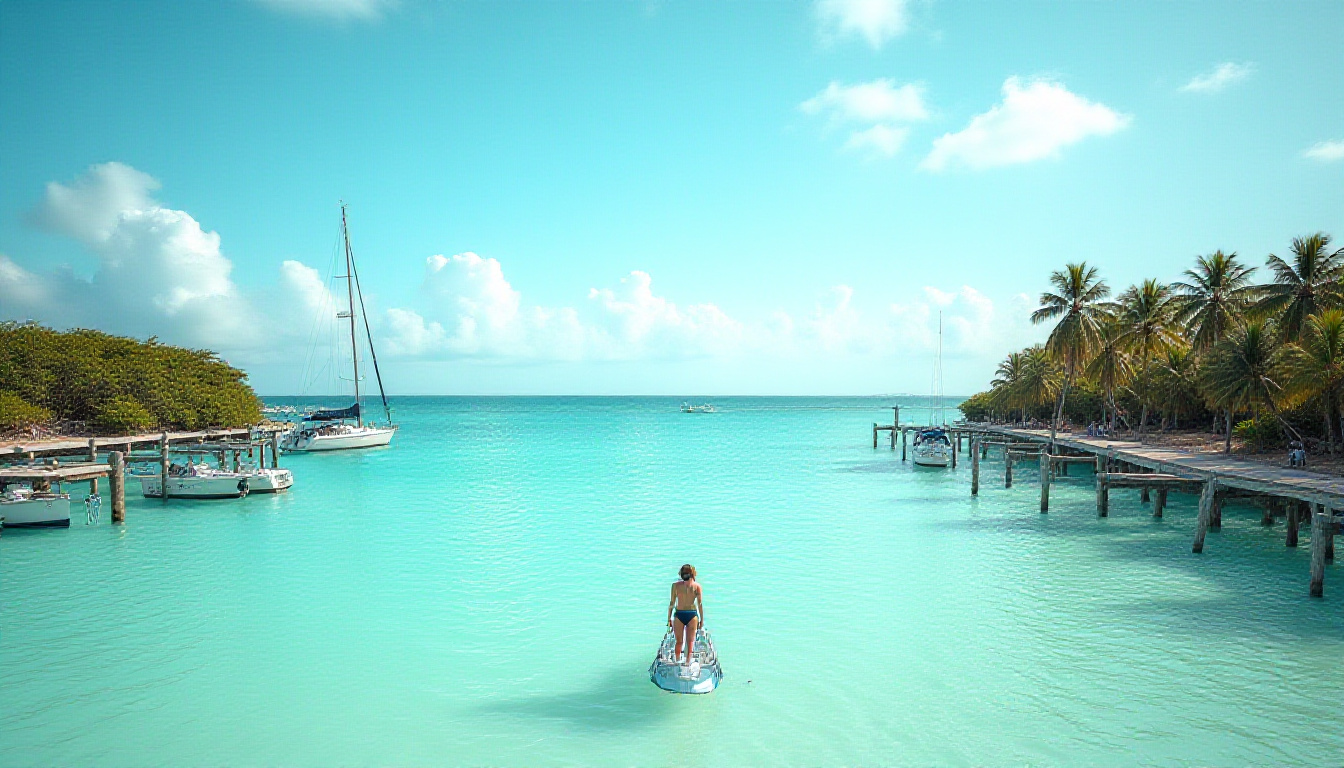
New Providence Island, home to the Bahamian capital, is only about 83 square miles. You can drive almost anywhere in under 30 minutes from the airport. There are no excuses for not exploring. So if you're planning 3 days in Nassau, here's how to do it in a way that actually stays with you.
Where to Stay: Skip the Mega-Resort (At Least Once)
Atlantis on Paradise Island is iconic. Sandals and Baha Mar on Cable Beach are genuinely beautiful. If pure luxury and total switch-off is what you need, they deliver. But for a trip built around exploring Nassau itself, consider staying somewhere that puts you inside the city's energy rather than insulated from it.
The British Colonial Hotel, built in 1924, is a century-old landmark just a short walk from the cruise port and the heart of downtown. It was Nassau's first luxury hotel, served as a British intelligence hub during World War II, and was even used as a filming location for the James Bond film Never Say Never Again. Today it combines historic charm with real amenities — a private beach, a pool, three restaurants, and a cocktail bar worth lingering in.
The standout dining experience here is the Mahogany Club, an upscale Bahamian restaurant that takes traditional dishes and reimagines them with serious technique. Think herb-flecked Johnny cakes, tuna and grits riffing on a classic Bahamian breakfast, pea and steamed beef dumpling soup alive with pigeon peas and salted meats, and short ribs glazed with Vitamalt — a beloved local malt beverage. It's the kind of meal that immediately tells you Bahamian cuisine deserves far more international attention than it gets.
Day One: Clifton Heritage National Park and the Arawak Cay Fish Fry
If you only do one thing outside the tourist corridor during your time in Nassau, make it Clifton Heritage National Park on the island's western edge. Yes, it's a 30-minute drive from downtown. Yes, that's worth it.
The park sits on land that has been inhabited for over 1,000 years by three successive civilisations: the indigenous Lucayan people, European colonists, and enslaved Africans brought by British Loyalists in the 18th century. Walking this ground carries real weight. The Banana Hole — a natural cave formation used by the Lucayans for ceremonies and storm shelter — is eerie and beautiful in equal measure. The remnants of the enslaved village further along the trail are a sobering reminder of the history layered beneath this paradise.
But Clifton also has one of the most unique snorkelling experiences in the entire Caribbean: an underwater sculpture park featuring the world's largest collection of submerged art. The sculptures are deliberately designed to attract marine life, and they've succeeded — sea turtles, eagle rays, and even the occasional shark have been spotted gliding between the figures. Book a guided snorkel tour if you can; it takes the logistical stress away and ensures you hit every highlight. And please, wear reef-safe sun protection and give marine life the space it deserves.
After all that swimming, head back towards downtown to Arawak Cay — locally known as the Fish Fry. This is exactly what it sounds like: a stretch of casual, colourful restaurants serving the freshest catch of the day at prices that will make you wonder why you ever paid resort prices for food. Conch fritters (dense, lightly sweet, with a kick of heat), grilled snapper stuffed with seafood and served with peas and rice, and the jewel of the menu — conch salad. Huge chunks of fresh conch tossed with onion, lime, pineapple, and mango, it eats like a tropical ceviche with an unmistakably chewy, briny bite. It's refreshing, it's bold, and it's one of those dishes that just makes sense in context — you almost can't imagine eating it anywhere else.
Day Two: Art, History, Rum, and a Cannon
Nassau's downtown is more than souvenir shops and duty-free perfume. Start your second day at the National Art Gallery of the Bahamas, which houses over 500 pieces spanning Bahamian independence, social movements, and the country's evolving identity. It's one of those museums that asks difficult questions through its work — and does it with real artistic range. Don't rush through it.
Just around the corner, the Junkanoo Edu Center offers something genuinely moving: an up-close look at the costumes, instruments, and traditions behind the Bahamas' most important festival. Junkanoo traces its roots to the enslaved, who were given only a few days off each year and used that precious time to gather, celebrate their African heritage, and briefly transcend the brutality of plantation life. The festival — which runs from Boxing Day to New Year's Day — draws on influences from across the African continent, and the costumes, made originally from whatever materials were at hand, are extraordinary works of art. Seeing them in person before the parade is a completely different experience to watching it on a screen.
From there, walk to the Queen Staircase — 64 steps hand-chiselled by enslaved workers inside the walls of an old stone quarry, originally built as a strategic military connection between Nassau's hilltop forts. It's a quick visit, but the lush, shadowed ravine it sits in feels otherworldly, and the history it carries makes it unforgettable.
For the afternoon, head to John Watling's Distillery, housed inside the stunning Buena Vista estate dating to 1789. The distillery opened in 2013 and has become one of Nassau's most popular experiences — book your tour in advance, especially if you're visiting during peak season or arriving by cruise ship. The mixology class is what sets this apart from a standard rum tour: you make three signature cocktails yourself, everything is pre-measured and clearly explained, and the instructors are genuinely great teachers. There's also a cannon. Yes, a real one. You get to fire it. That detail alone is worth the price of admission.
End the evening at Bon Vivants in Sandyport, a cocktail bar that takes a completely different approach to the Bahamian drinks scene. Forget the frozen punches and the beach buckets — Bon Vivants crafts cocktails with real precision and playfulness. Their reimagined Sky Juice (traditionally a quick and potent mix of gin, coconut water, and sweetened condensed milk) is elevated into something beautifully balanced. The space itself, with its speakeasy warmth and tropical décor, is unlike anywhere else on the island.
Day Three: Guava Duff for Breakfast, Then Follow the Wind
Start your final morning at The New Duff, a bakery that began as a food truck to help a family cover medical bills and has since earned a devoted following. Their signature dish is guava duff — a Bahamian dessert descended from a Scottish steamed dumpling, now transformed into a soft, fragrant pastry filled with fresh guava and drenched in a warm rum or brandy custard spiked with allspice and cinnamon. It is rich, complex, and completely unlike anything else in the Caribbean.
They also serve breakfast bao buns with fillings like tender braised goat, and a thoughtful tea menu rooted in Bahamian herbal traditions — hibiscus, turmeric, soursop, fever grass. These aren't gimmicks; herbal medicine using local plants is genuinely taught in Bahamian schools, and the teas reflect a deep, practical knowledge passed down through generations.
If weather allows, plan a day trip from Nassau to one of the smaller surrounding islands or cays. Pearl Island, a short boat ride away, offers snorkelling and the kind of untouched beach that reminds you why people fall in love with the Bahamas in the first place. Bad weather days happen even in paradise — but they're also a reminder to slow down, revisit a favourite café, and let the island show you something you didn't plan for.
Practical Tips for Visiting Nassau
A few things worth knowing before you go:
Getting around: Rental cars give you the most freedom on New Providence. Taxis are plentiful and reliable for shorter trips. The island is small enough that almost nothing is more than 30 minutes from the airport.
When to visit: November through April is peak season — cooler, drier, and busy. May through October is hurricane season, bringing heat, humidity, and the possibility of disruption. The shoulder months on either side can offer a balance of good weather and fewer crowds.
Budget: Eating outside resort zones dramatically reduces costs. The Fish Fry at Arawak Cay, for example, serves generous, exceptional meals at prices that feel almost incongruously low compared to resort restaurants.
Free Weekly Newsletter
Enjoying this guide?
Get the best articles like this one delivered to your inbox every week. No spam.
Reef safety: If you're snorkelling anywhere near coral — and you should be — wear a UPF sun shirt over reef-safe sunscreen where possible. The underwater ecosystems around New Providence are remarkable, and they need protecting.
Book in advance: The John Watling's mixology class fills up fast, particularly when cruise ships are in port. The same goes for guided snorkel tours at Clifton Heritage. A little planning goes a long way.
Nassau Is Worth More Than a Layover
Nassau often gets written off as a cruise-ship stop or a resort destination — somewhere you go to switch off rather than tune in. That framing does it a serious disservice. The Bahamas carries centuries of history, from the Lucayan peoples who first inhabited these islands to the brutal legacy of slavery that still shapes culture, celebration, and cuisine today. To visit Nassau and not engage with any of that feels like a missed opportunity on a grand scale.
Three days is genuinely enough to scratch beneath the surface — to eat conch salad at a local spot, to stand in a cave used for ceremonies a thousand years ago, to fire a cannon and dance at a cocktail bar and watch the sunset over Cable Beach with a bowl of conch chowder in your hands. The Nassau that most visitors miss is hiding in plain sight. You just have to leave the resort to find it.
Frequently Asked Questions
Is Nassau worth visiting beyond the cruise port and resorts? Absolutely. Nassau and New Providence Island have a rich cultural, culinary, and historical landscape that most visitors never explore. From the underwater sculpture park at Clifton Heritage National Park to the local Fish Fry at Arawak Cay and the Junkanoo Edu Center downtown, there's a genuinely rewarding trip waiting for anyone willing to step beyond the tourist corridor.
What is the best food to eat in Nassau? Conch is the centrepiece of Bahamian cuisine — try it as a fritter, in a chowder, and especially as a fresh conch salad at Arawak Cay. Peas and rice (made with pigeon peas), Johnny cake, and guava duff are other staples worth seeking out. For a more elevated take on traditional dishes, the Mahogany Club at the British Colonial Hotel is exceptional.
When is the best time to visit Nassau, Bahamas? November through April offers the most comfortable weather — warm, drier, and slightly cooler than the rest of the year. This is peak tourism season, so book accommodation and popular experiences like the John Watling's Distillery tour in advance. Hurricane season runs from May through October, bringing higher heat and humidity alongside storm risk.
What is Junkanoo and when does it take place? Junkanoo is the Bahamas' most significant cultural festival, rooted in the traditions of enslaved Africans who used their rare days of rest to gather, celebrate, and honour their heritage. Today it's a massive, exuberant parade featuring music, dance, and elaborately handcrafted costumes. The main celebrations run from Boxing Day (December 26) through New Year's Day. The Junkanoo Edu Center in downtown Nassau lets you see the costumes and learn the history year-round.
How many days do you need in Nassau to see it properly? Three days is a solid minimum for going beyond the resort experience. It gives you time for a day trip to the western end of the island (Clifton Heritage Park), a full exploration of downtown Nassau's cultural sites, and at least one evening discovering the local bar and restaurant scene. More time allows for day trips to outer cays and a more relaxed pace overall.
Free Investing Tools
Frequently Asked Questions
The Nassau Nobody Talks About
Most people who visit Nassau, Bahamas never actually see it. They float in on a cruise ship, step onto the port for a few hours, grab a souvenir, maybe sip a frozen cocktail, and float right back out again. Or they check into a sprawling all-inclusive on Paradise Island and don't leave until checkout. And honestly? I understand the appeal. The beaches are jaw-dropping, the pools are spectacular, and the weather makes you want to do absolutely nothing productive. But here's what those visitors are missing: Nassau is one of the most culturally rich, historically layered, and genuinely delicious destinations in the Caribbean — and almost none of that lives inside the resort walls.
New Providence Island, home to the Bahamian capital, is only about 83 square miles. You can drive almost anywhere in under 30 minutes from the airport. There are no excuses for not exploring. So if you're planning 3 days in Nassau, here's how to do it in a way that actually stays with you.
Where to Stay: Skip the Mega-Resort (At Least Once)
Atlantis on Paradise Island is iconic. Sandals and Baha Mar on Cable Beach are genuinely beautiful. If pure luxury and total switch-off is what you need, they deliver. But for a trip built around exploring Nassau itself, consider staying somewhere that puts you inside the city's energy rather than insulated from it.
The British Colonial Hotel, built in 1924, is a century-old landmark just a short walk from the cruise port and the heart of downtown. It was Nassau's first luxury hotel, served as a British intelligence hub during World War II, and was even used as a filming location for the James Bond film Never Say Never Again. Today it combines historic charm with real amenities — a private beach, a pool, three restaurants, and a cocktail bar worth lingering in.
The standout dining experience here is the Mahogany Club, an upscale Bahamian restaurant that takes traditional dishes and reimagines them with serious technique. Think herb-flecked Johnny cakes, tuna and grits riffing on a classic Bahamian breakfast, pea and steamed beef dumpling soup alive with pigeon peas and salted meats, and short ribs glazed with Vitamalt — a beloved local malt beverage. It's the kind of meal that immediately tells you Bahamian cuisine deserves far more international attention than it gets.
Day One: Clifton Heritage National Park and the Arawak Cay Fish Fry
If you only do one thing outside the tourist corridor during your time in Nassau, make it Clifton Heritage National Park on the island's western edge. Yes, it's a 30-minute drive from downtown. Yes, that's worth it.
The park sits on land that has been inhabited for over 1,000 years by three successive civilisations: the indigenous Lucayan people, European colonists, and enslaved Africans brought by British Loyalists in the 18th century. Walking this ground carries real weight. The Banana Hole — a natural cave formation used by the Lucayans for ceremonies and storm shelter — is eerie and beautiful in equal measure. The remnants of the enslaved village further along the trail are a sobering reminder of the history layered beneath this paradise.
But Clifton also has one of the most unique snorkelling experiences in the entire Caribbean: an underwater sculpture park featuring the world's largest collection of submerged art. The sculptures are deliberately designed to attract marine life, and they've succeeded — sea turtles, eagle rays, and even the occasional shark have been spotted gliding between the figures. Book a guided snorkel tour if you can; it takes the logistical stress away and ensures you hit every highlight. And please, wear reef-safe sun protection and give marine life the space it deserves.
After all that swimming, head back towards downtown to Arawak Cay — locally known as the Fish Fry. This is exactly what it sounds like: a stretch of casual, colourful restaurants serving the freshest catch of the day at prices that will make you wonder why you ever paid resort prices for food. Conch fritters (dense, lightly sweet, with a kick of heat), grilled snapper stuffed with seafood and served with peas and rice, and the jewel of the menu — conch salad. Huge chunks of fresh conch tossed with onion, lime, pineapple, and mango, it eats like a tropical ceviche with an unmistakably chewy, briny bite. It's refreshing, it's bold, and it's one of those dishes that just makes sense in context — you almost can't imagine eating it anywhere else.
Day Two: Art, History, Rum, and a Cannon
Nassau's downtown is more than souvenir shops and duty-free perfume. Start your second day at the National Art Gallery of the Bahamas, which houses over 500 pieces spanning Bahamian independence, social movements, and the country's evolving identity. It's one of those museums that asks difficult questions through its work — and does it with real artistic range. Don't rush through it.
Just around the corner, the Junkanoo Edu Center offers something genuinely moving: an up-close look at the costumes, instruments, and traditions behind the Bahamas' most important festival. Junkanoo traces its roots to the enslaved, who were given only a few days off each year and used that precious time to gather, celebrate their African heritage, and briefly transcend the brutality of plantation life. The festival — which runs from Boxing Day to New Year's Day — draws on influences from across the African continent, and the costumes, made originally from whatever materials were at hand, are extraordinary works of art. Seeing them in person before the parade is a completely different experience to watching it on a screen.
From there, walk to the Queen Staircase — 64 steps hand-chiselled by enslaved workers inside the walls of an old stone quarry, originally built as a strategic military connection between Nassau's hilltop forts. It's a quick visit, but the lush, shadowed ravine it sits in feels otherworldly, and the history it carries makes it unforgettable.
For the afternoon, head to John Watling's Distillery, housed inside the stunning Buena Vista estate dating to 1789. The distillery opened in 2013 and has become one of Nassau's most popular experiences — book your tour in advance, especially if you're visiting during peak season or arriving by cruise ship. The mixology class is what sets this apart from a standard rum tour: you make three signature cocktails yourself, everything is pre-measured and clearly explained, and the instructors are genuinely great teachers. There's also a cannon. Yes, a real one. You get to fire it. That detail alone is worth the price of admission.
End the evening at Bon Vivants in Sandyport, a cocktail bar that takes a completely different approach to the Bahamian drinks scene. Forget the frozen punches and the beach buckets — Bon Vivants crafts cocktails with real precision and playfulness. Their reimagined Sky Juice (traditionally a quick and potent mix of gin, coconut water, and sweetened condensed milk) is elevated into something beautifully balanced. The space itself, with its speakeasy warmth and tropical décor, is unlike anywhere else on the island.
Day Three: Guava Duff for Breakfast, Then Follow the Wind
Start your final morning at The New Duff, a bakery that began as a food truck to help a family cover medical bills and has since earned a devoted following. Their signature dish is guava duff — a Bahamian dessert descended from a Scottish steamed dumpling, now transformed into a soft, fragrant pastry filled with fresh guava and drenched in a warm rum or brandy custard spiked with allspice and cinnamon. It is rich, complex, and completely unlike anything else in the Caribbean.
They also serve breakfast bao buns with fillings like tender braised goat, and a thoughtful tea menu rooted in Bahamian herbal traditions — hibiscus, turmeric, soursop, fever grass. These aren't gimmicks; herbal medicine using local plants is genuinely taught in Bahamian schools, and the teas reflect a deep, practical knowledge passed down through generations.
If weather allows, plan a day trip from Nassau to one of the smaller surrounding islands or cays. Pearl Island, a short boat ride away, offers snorkelling and the kind of untouched beach that reminds you why people fall in love with the Bahamas in the first place. Bad weather days happen even in paradise — but they're also a reminder to slow down, revisit a favourite café, and let the island show you something you didn't plan for.
Practical Tips for Visiting Nassau
A few things worth knowing before you go:
Getting around: Rental cars give you the most freedom on New Providence. Taxis are plentiful and reliable for shorter trips. The island is small enough that almost nothing is more than 30 minutes from the airport.
When to visit: November through April is peak season — cooler, drier, and busy. May through October is hurricane season, bringing heat, humidity, and the possibility of disruption. The shoulder months on either side can offer a balance of good weather and fewer crowds.
Budget: Eating outside resort zones dramatically reduces costs. The Fish Fry at Arawak Cay, for example, serves generous, exceptional meals at prices that feel almost incongruously low compared to resort restaurants.
Reef safety: If you're snorkelling anywhere near coral — and you should be — wear a UPF sun shirt over reef-safe sunscreen where possible. The underwater ecosystems around New Providence are remarkable, and they need protecting.
Book in advance: The John Watling's mixology class fills up fast, particularly when cruise ships are in port. The same goes for guided snorkel tours at Clifton Heritage. A little planning goes a long way.
Nassau Is Worth More Than a Layover
Nassau often gets written off as a cruise-ship stop or a resort destination — somewhere you go to switch off rather than tune in. That framing does it a serious disservice. The Bahamas carries centuries of history, from the Lucayan peoples who first inhabited these islands to the brutal legacy of slavery that still shapes culture, celebration, and cuisine today. To visit Nassau and not engage with any of that feels like a missed opportunity on a grand scale.
Three days is genuinely enough to scratch beneath the surface — to eat conch salad at a local spot, to stand in a cave used for ceremonies a thousand years ago, to fire a cannon and dance at a cocktail bar and watch the sunset over Cable Beach with a bowl of conch chowder in your hands. The Nassau that most visitors miss is hiding in plain sight. You just have to leave the resort to find it.
Frequently Asked Questions
Is Nassau worth visiting beyond the cruise port and resorts? Absolutely. Nassau and New Providence Island have a rich cultural, culinary, and historical landscape that most visitors never explore. From the underwater sculpture park at Clifton Heritage National Park to the local Fish Fry at Arawak Cay and the Junkanoo Edu Center downtown, there's a genuinely rewarding trip waiting for anyone willing to step beyond the tourist corridor.
What is the best food to eat in Nassau? Conch is the centrepiece of Bahamian cuisine — try it as a fritter, in a chowder, and especially as a fresh conch salad at Arawak Cay. Peas and rice (made with pigeon peas), Johnny cake, and guava duff are other staples worth seeking out. For a more elevated take on traditional dishes, the Mahogany Club at the British Colonial Hotel is exceptional.
When is the best time to visit Nassau, Bahamas? November through April offers the most comfortable weather — warm, drier, and slightly cooler than the rest of the year. This is peak tourism season, so book accommodation and popular experiences like the John Watling's Distillery tour in advance. Hurricane season runs from May through October, bringing higher heat and humidity alongside storm risk.
What is Junkanoo and when does it take place? Junkanoo is the Bahamas' most significant cultural festival, rooted in the traditions of enslaved Africans who used their rare days of rest to gather, celebrate, and honour their heritage. Today it's a massive, exuberant parade featuring music, dance, and elaborately handcrafted costumes. The main celebrations run from Boxing Day (December 26) through New Year's Day. The Junkanoo Edu Center in downtown Nassau lets you see the costumes and learn the history year-round.
How many days do you need in Nassau to see it properly? Three days is a solid minimum for going beyond the resort experience. It gives you time for a day trip to the western end of the island (Clifton Heritage Park), a full exploration of downtown Nassau's cultural sites, and at least one evening discovering the local bar and restaurant scene. More time allows for day trips to outer cays and a more relaxed pace overall.
About Zeebrain Editorial
Zeebrain publishes independent analysis of markets, investing, personal finance, and business. We disclose affiliate relationships, never accept payment for coverage, and fact-check all claims against primary sources. Read our editorial policy →
How this article was produced: Zeebrain articles are created with AI assistance from primary sources (including cited videos and market data) and reviewed under our editorial standards before publication. Spot an error? Tell us and we will correct it.
More from Travel & Places




Related Guides
Keep exploring this topic
2 Days in Budapest in Winter: The Ultimate Travel Guide
Travel & Places
Foodie Travel: 9 Culinary Capitals Every Gourmet Should Visit
Travel & Places
Leave No Trace, Take Only Memories: A Guide to Sustainable Travel Practices for U.S. Travelers
Travel & Places
How to Travel Around the World Without Flying
Travel & Places
Explore More Categories
Keep browsing by topic and build depth around the subjects you care about most.