Valve Steam Frame VR Headset Review: Worth $1,059?
Quick Summary
Valve's Steam Frame costs $1,059 and promises to do everything. But does it deliver? Our honest, no-nonsense review breaks down who should buy it — and who shouldn't.
Valve Steam Frame VR Headset
Check current price and availability on Amazon
In This Article
Valve Steam Frame VR Headset Review: Worth $1,059?
This article may contain affiliate links. We may earn a commission if you purchase through them, at no extra cost to you.

Valve has finally entered the standalone VR headset race — and it brought a Swiss Army knife to a gunfight. The Steam Frame is a $1,059 device that wants to be a VR headset, a flat-game streaming box, a Linux desktop PC on your face, and a wireless Steam gaming platform all at once. That kind of ambition is either visionary or reckless, depending on your wallet and your patience for early-adopter friction. After extensive hands-on testing, the verdict leans somewhere uncomfortably in between.
If you have been waiting for Valve to deliver a proper standalone headset since the wired, expensive Valve Index launched years ago, the Steam Frame is technically that product. But at $1,059 for the 256 GB base model — and $1,299 for the 1 TB version — it asks for a lot of trust in a platform that is still visibly finding its feet.
What Exactly Is the Steam Frame VR Headset?
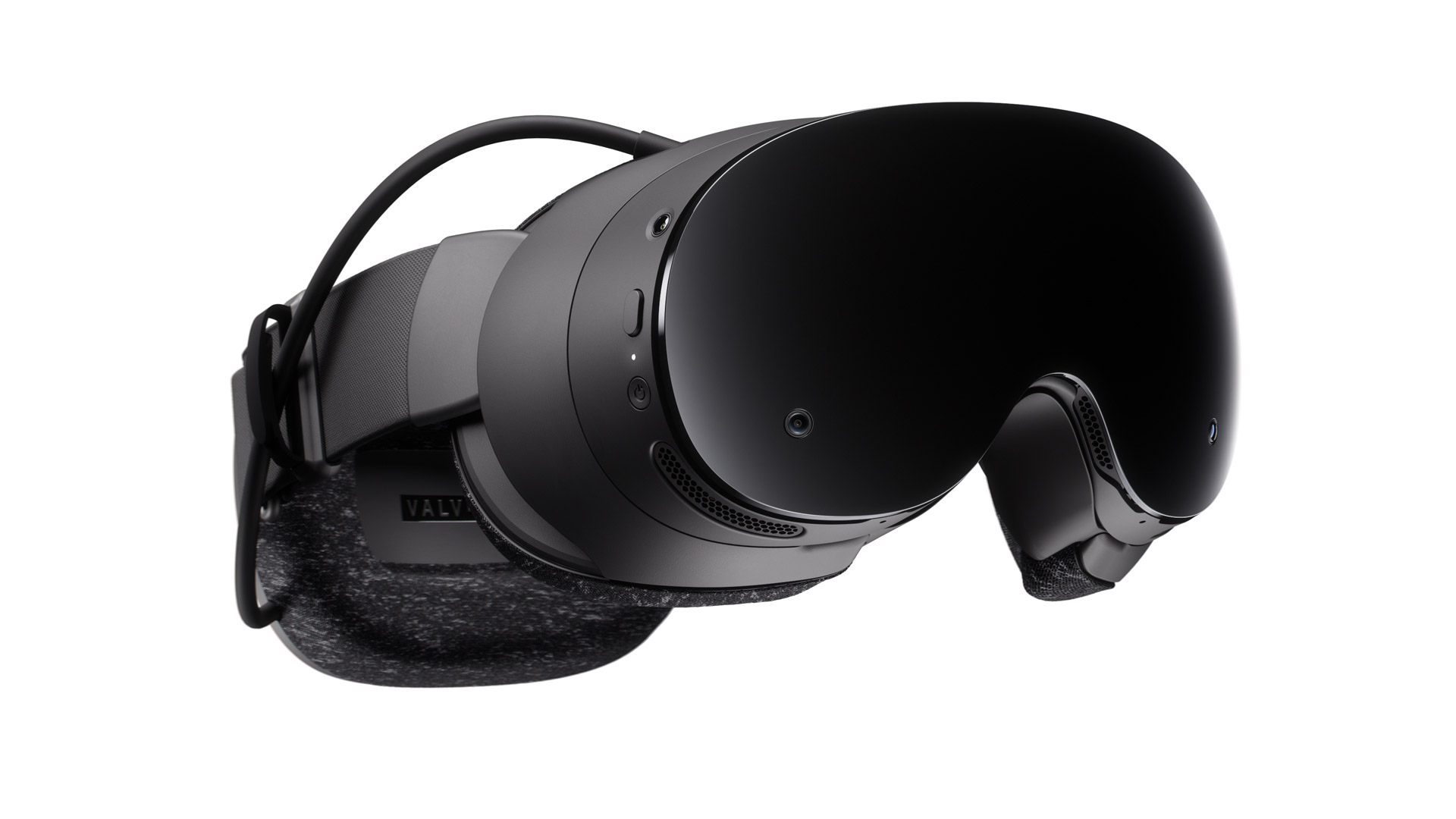
The Steam Frame looks, at first glance, like a Meta Quest. It is a self-contained VR headset with cameras on the front for passthrough, physical controllers, and an inside-out tracking system. But the similarities start to break down quickly once you understand what is running under the hood.
Instead of Android, Valve has built a full Linux desktop environment into the headset. It runs on a Qualcomm Snapdragon chip — the kind you would find in a high-end smartphone — and uses two distinct compatibility layers to punch above that hardware's weight class. The first is a new technology called Leptton, which does for Android apps what Proton does for Windows games on the Steam Deck: it translates them so they run on this ARM-based Linux system. The second is an ARM-ported version of Proton itself, allowing Windows Steam games to stream or run locally on the device.
In practice, this means you can theoretically load a Meta Quest Android VR game, stream a Windows PC game wirelessly from your desktop, run a Linux-native Steam title, or simply browse the web in a floating browser window — all on the same headset. That is genuinely impressive engineering. Whether it is genuinely useful in daily use is a different question.
Steam Frame vs. the Competition: How the Price Stacks Up
Before dismissing $1,059 as outrageous, it helps to put it in market context. The standalone VR and XR space has not exactly been a budget-friendly zone outside of Meta.
| Headset | Price (Entry) | Chipset | Standalone | PC Streaming | Hand Tracking |
|---|---|---|---|---|---|
| Valve Steam Frame | $1,059 | Snapdragon (ARM) | Yes (Linux) | Yes (wireless) | No (controllers only) |
| Meta Quest 3 | ~$600 | Snapdragon XR2 Gen 2 | Yes (Android) | Yes (Air Link) | Yes |
| Meta Quest 3S | ~$350 | Snapdragon XR2 Gen 2 | Yes (Android) | Yes (Air Link) | Yes |
| Apple Vision Pro | $3,499 | Apple M2/R1 | Yes (visionOS) | Limited | Yes (eye + hand) |
| Snap Spectacles (XR) | ~$2,000 | Custom | Partial | No | Yes |
| Samsung Galaxy XR | ~$1,899 | Snapdragon XR2 Gen 2 | Yes | Limited | Yes |
Seen this way, the Steam Frame is not the most expensive headset on the market. But it is significantly pricier than Meta's offering, which has a vastly larger game catalogue, hand tracking, and years of ecosystem maturity. The Steam Frame's value proposition rests almost entirely on the Steam library and Valve's open-platform philosophy — which is compelling for the right buyer, but not for everyone.
What Works Well on the Steam Frame
The laser mouse controller system is genuinely clever. A single press of the grip button switches your physical controllers from gamepad mode to a laser-pointer interface that lets you drag, resize, and reposition floating windows in your space. It is fast, intuitive, and miles more practical than the eye-tracking pinch gestures on the Apple Vision Pro, which require a genuine period of neural retraining. The mode switching feels natural within a few hours of use.
Spatial audio is handled with understated competence. Audio from floating windows originates directionally from wherever you have placed them in your room. If you are watching a show on a screen positioned to your left and you turn your head right, the audio shifts accordingly. It is not flashy, but it works correctly and adds to the sense that your content genuinely occupies your physical space.
The multi-window, multi-app environment is a real power-user playground. Running a Discord browser window alongside a full game on a room-sized virtual screen, while simultaneously having a second app window floating to the side — this is the kind of productivity-meets-gaming setup that Meta simply does not expose to its users. For technically confident users, Valve's openness is genuinely refreshing. You can launch software that has not been officially certified for the Frame. You can try to make things work. You will sometimes fail, and that is allowed.
Wireless PC game streaming is a genuine selling point. For users with a powerful desktop PC already in the home, being able to stream demanding titles like a wireless big-screen gaming setup adds real value that the standalone hardware alone cannot deliver.
What Lets the Steam Frame Down
The Snapdragon chip is the device's most honest limitation. Games that are not specifically optimised for the Frame — and there are many — can stutter, fail to launch, or run well below their potential. Testing showed that titles like Elden Ring, Spider-Man 2, and Ratchet & Clank are effectively non-starters on standalone mode. Games like Baby Steps and older titles such as Crazy Taxi run surprisingly well, but finding compatible titles feels like a scavenger hunt rather than a curated experience.
Thermal management is a concern. Extended use pushes the device noticeably warm, with the fan audibly spinning up during demanding tasks. Converting in-game clips, running multiple apps, or pushing graphical settings caused observable slowdown. The Apple Vision Pro runs an M-series chip; the Galaxy XR uses a more capable custom chipset. The Steam Frame's phone-grade processor is doing genuinely heavy lifting, and it occasionally shows.
Battery life is limiting. Both reviewers noted that the Steam Frame demands frequent recharging or tethering more aggressively than comparable headsets. For extended gaming sessions, you are either tethered to a cable or managing your play in shorter bursts.
No hand tracking at launch. The Meta Quest 3 and Quest 3S both support hand tracking as a core interaction method. The Steam Frame ships with controllers only. Valve has indicated this is not yet available rather than never coming, but it is a meaningful omission at this price point.
The Linux ecosystem requires effort. Unlike Meta's Android-based ecosystem where apps are plentiful and logging into services is familiar, the Steam Frame's Linux environment requires more manual setup. If you are not comfortable with Linux, or if you just want to slip on a headset and play without fuss, this is not the product for you.
Pros and Cons at a Glance
Pros
- Open platform — run almost anything, including uncertified Steam titles
- Full Linux desktop environment built in for power users
- Clever laser mouse controller system that is fast to switch modes
- Wireless PC game streaming adds genuine value for desktop owners
- Spatial audio is quietly well-implemented
- Multi-window multitasking that goes beyond what Meta exposes
- Supports Android app compatibility via Leptton layer
Cons
- $1,059 starting price is hard to justify against the Meta Quest 3's game library and maturity
- Snapdragon chip struggles under load — heat and stuttering are real
- No hand tracking at launch
- Game compatibility is inconsistent; many popular titles do not run well standalone
- Battery life is noticeably limited
- Linux environment has a steeper learning curve than Android-based competitors
- Windows floating in your space can drift, relocate unexpectedly, or misbehave
Who Should Buy the Valve Steam Frame?
This is the most important question, and it deserves a straight answer.
Free Weekly Newsletter
Enjoying this guide?
Get the best articles like this one delivered to your inbox every week. No spam.
Buy the Steam Frame if: You already own a powerful gaming desktop PC, you are a committed Steam user with a large library, you are comfortable with Linux and enjoy tinkering, and you want a wireless standalone headset that gives you genuine power-user control rather than a walled garden. If the Valve Index was your previous headset and you have been waiting for a wireless standalone successor from Valve specifically, this is that product.
Do not buy the Steam Frame if: You are new to VR and want an easy on-ramp. Do not buy it if you primarily want standalone VR gaming with a rich, stable game catalogue — the Meta Quest 3 at $600 beats it decisively on that front. Do not buy it if battery life and thermal management are deal-breakers, or if you were hoping for a portable gaming device to replace the Steam Deck. The Frame is not that; the Deck still plays a far broader catalogue with greater reliability.
The Steam Frame is for a narrow but real audience: technically enthusiastic Steam veterans who want to push the boundaries of what a VR headset can do and are willing to pay for the privilege of experimenting on Valve's terms.
Overall Rating: 6.5 / 10
The Steam Frame is an impressive piece of engineering that is genuinely ahead of its time in some respects and visibly unfinished in others. The price is steep, the game compatibility is inconsistent, and the hardware strains under load. But the open-platform vision, the laser mouse interaction model, and the wireless PC streaming capability point toward something that could mature into a compelling product. Right now, it is an early adopter's device priced like a finished one.
Bottom line: If you are a committed Steam power user with a desktop PC and genuine curiosity about what VR can be beyond gaming, the Steam Frame rewards that curiosity. Everyone else should wait for version two — or pick up a Meta Quest 3 and put the $400 saving toward games.
Where to Buy
Valve Steam Frame VR Headset on Amazon
Frequently Asked Questions
Is the Valve Steam Frame worth $1,059 compared to the Meta Quest 3?
For most buyers, no. The Meta Quest 3 costs around $600, has a substantially larger and more stable game library, supports hand tracking, and is a more polished out-of-the-box experience. The Steam Frame justifies its premium only for power users who specifically want access to their Steam PC library wirelessly, want a full Linux desktop on their headset, or have ideological reasons to avoid Meta's ecosystem.
Can the Steam Frame play regular Steam games without a PC?
Yes, but with significant caveats. The Steam Frame runs a Qualcomm Snapdragon chip comparable to a high-end smartphone. Many demanding titles — including Elden Ring, Spider-Man 2, and Ratchet & Clank — will not run well or at all in standalone mode. Older and less graphically intensive titles like Crazy Taxi run surprisingly well. For full Steam library access, you need to stream wirelessly from a powerful desktop PC.
Does the Steam Frame work without a gaming PC?
Yes, it functions as a standalone device using its built-in Snapdragon chip and Linux environment. However, the standalone experience is significantly more limited than when paired with a PC. Without a PC, you are relying on the compatibility layers (Leptton for Android apps, Proton for Windows titles) and the device's own hardware, which struggles with demanding software. The best experience comes when you have a capable gaming desktop to stream from.
Who is the Steam Frame NOT for?
The Steam Frame is not for casual or new VR users, anyone on a budget, people who want a simple plug-and-play experience, or gamers looking for a portable device to replace the Steam Deck. It is also not ideal for anyone who prioritises a large and immediately accessible game library — Meta's Quest platform has a substantial head start there. If you do not already have a powerful gaming PC or significant investment in the Steam ecosystem, the Steam Frame's value proposition largely disappears.
Valve Steam Frame VR Headset
Considering it? See where the price stands today
Frequently Asked Questions
What Exactly Is the Steam Frame VR Headset?
The Steam Frame looks, at first glance, like a Meta Quest. It is a self-contained VR headset with cameras on the front for passthrough, physical controllers, and an inside-out tracking system. But the similarities start to break down quickly once you understand what is running under the hood.
Instead of Android, Valve has built a full Linux desktop environment into the headset. It runs on a Qualcomm Snapdragon chip — the kind you would find in a high-end smartphone — and uses two distinct compatibility layers to punch above that hardware's weight class. The first is a new technology called Leptton, which does for Android apps what Proton does for Windows games on the Steam Deck: it translates them so they run on this ARM-based Linux system. The second is an ARM-ported version of Proton itself, allowing Windows Steam games to stream or run locally on the device.
In practice, this means you can theoretically load a Meta Quest Android VR game, stream a Windows PC game wirelessly from your desktop, run a Linux-native Steam title, or simply browse the web in a floating browser window — all on the same headset. That is genuinely impressive engineering. Whether it is genuinely useful in daily use is a different question.
Steam Frame vs. the Competition: How the Price Stacks Up
Before dismissing $1,059 as outrageous, it helps to put it in market context. The standalone VR and XR space has not exactly been a budget-friendly zone outside of Meta.
| Headset | Price (Entry) | Chipset | Standalone | PC Streaming | Hand Tracking |
|---|---|---|---|---|---|
| Valve Steam Frame | $1,059 | Snapdragon (ARM) | Yes (Linux) | Yes (wireless) | No (controllers only) |
| Meta Quest 3 | ~$600 | Snapdragon XR2 Gen 2 | Yes (Android) | Yes (Air Link) | Yes |
| Meta Quest 3S | ~$350 | Snapdragon XR2 Gen 2 | Yes (Android) | Yes (Air Link) | Yes |
| Apple Vision Pro | $3,499 | Apple M2/R1 | Yes (visionOS) | Limited | Yes (eye + hand) |
| Snap Spectacles (XR) | ~$2,000 | Custom | Partial | No | Yes |
| Samsung Galaxy XR | ~$1,899 | Snapdragon XR2 Gen 2 | Yes | Limited | Yes |
Seen this way, the Steam Frame is not the most expensive headset on the market. But it is significantly pricier than Meta's offering, which has a vastly larger game catalogue, hand tracking, and years of ecosystem maturity. The Steam Frame's value proposition rests almost entirely on the Steam library and Valve's open-platform philosophy — which is compelling for the right buyer, but not for everyone.
What Works Well on the Steam Frame
The laser mouse controller system is genuinely clever. A single press of the grip button switches your physical controllers from gamepad mode to a laser-pointer interface that lets you drag, resize, and reposition floating windows in your space. It is fast, intuitive, and miles more practical than the eye-tracking pinch gestures on the Apple Vision Pro, which require a genuine period of neural retraining. The mode switching feels natural within a few hours of use.
Spatial audio is handled with understated competence. Audio from floating windows originates directionally from wherever you have placed them in your room. If you are watching a show on a screen positioned to your left and you turn your head right, the audio shifts accordingly. It is not flashy, but it works correctly and adds to the sense that your content genuinely occupies your physical space.
The multi-window, multi-app environment is a real power-user playground. Running a Discord browser window alongside a full game on a room-sized virtual screen, while simultaneously having a second app window floating to the side — this is the kind of productivity-meets-gaming setup that Meta simply does not expose to its users. For technically confident users, Valve's openness is genuinely refreshing. You can launch software that has not been officially certified for the Frame. You can try to make things work. You will sometimes fail, and that is allowed.
Wireless PC game streaming is a genuine selling point. For users with a powerful desktop PC already in the home, being able to stream demanding titles like a wireless big-screen gaming setup adds real value that the standalone hardware alone cannot deliver.
What Lets the Steam Frame Down
The Snapdragon chip is the device's most honest limitation. Games that are not specifically optimised for the Frame — and there are many — can stutter, fail to launch, or run well below their potential. Testing showed that titles like Elden Ring, Spider-Man 2, and Ratchet & Clank are effectively non-starters on standalone mode. Games like Baby Steps and older titles such as Crazy Taxi run surprisingly well, but finding compatible titles feels like a scavenger hunt rather than a curated experience.
Thermal management is a concern. Extended use pushes the device noticeably warm, with the fan audibly spinning up during demanding tasks. Converting in-game clips, running multiple apps, or pushing graphical settings caused observable slowdown. The Apple Vision Pro runs an M-series chip; the Galaxy XR uses a more capable custom chipset. The Steam Frame's phone-grade processor is doing genuinely heavy lifting, and it occasionally shows.
Battery life is limiting. Both reviewers noted that the Steam Frame demands frequent recharging or tethering more aggressively than comparable headsets. For extended gaming sessions, you are either tethered to a cable or managing your play in shorter bursts.
No hand tracking at launch. The Meta Quest 3 and Quest 3S both support hand tracking as a core interaction method. The Steam Frame ships with controllers only. Valve has indicated this is not yet available rather than never coming, but it is a meaningful omission at this price point.
The Linux ecosystem requires effort. Unlike Meta's Android-based ecosystem where apps are plentiful and logging into services is familiar, the Steam Frame's Linux environment requires more manual setup. If you are not comfortable with Linux, or if you just want to slip on a headset and play without fuss, this is not the product for you.
Pros and Cons at a Glance
Pros
- Open platform — run almost anything, including uncertified Steam titles
- Full Linux desktop environment built in for power users
- Clever laser mouse controller system that is fast to switch modes
- Wireless PC game streaming adds genuine value for desktop owners
- Spatial audio is quietly well-implemented
- Multi-window multitasking that goes beyond what Meta exposes
- Supports Android app compatibility via Leptton layer
Cons
- $1,059 starting price is hard to justify against the Meta Quest 3's game library and maturity
- Snapdragon chip struggles under load — heat and stuttering are real
- No hand tracking at launch
- Game compatibility is inconsistent; many popular titles do not run well standalone
- Battery life is noticeably limited
- Linux environment has a steeper learning curve than Android-based competitors
- Windows floating in your space can drift, relocate unexpectedly, or misbehave
Who Should Buy the Valve Steam Frame?
This is the most important question, and it deserves a straight answer.
Buy the Steam Frame if: You already own a powerful gaming desktop PC, you are a committed Steam user with a large library, you are comfortable with Linux and enjoy tinkering, and you want a wireless standalone headset that gives you genuine power-user control rather than a walled garden. If the Valve Index was your previous headset and you have been waiting for a wireless standalone successor from Valve specifically, this is that product.
Do not buy the Steam Frame if: You are new to VR and want an easy on-ramp. Do not buy it if you primarily want standalone VR gaming with a rich, stable game catalogue — the Meta Quest 3 at $600 beats it decisively on that front. Do not buy it if battery life and thermal management are deal-breakers, or if you were hoping for a portable gaming device to replace the Steam Deck. The Frame is not that; the Deck still plays a far broader catalogue with greater reliability.
The Steam Frame is for a narrow but real audience: technically enthusiastic Steam veterans who want to push the boundaries of what a VR headset can do and are willing to pay for the privilege of experimenting on Valve's terms.
Overall Rating: 6.5 / 10
The Steam Frame is an impressive piece of engineering that is genuinely ahead of its time in some respects and visibly unfinished in others. The price is steep, the game compatibility is inconsistent, and the hardware strains under load. But the open-platform vision, the laser mouse interaction model, and the wireless PC streaming capability point toward something that could mature into a compelling product. Right now, it is an early adopter's device priced like a finished one.
Bottom line: If you are a committed Steam power user with a desktop PC and genuine curiosity about what VR can be beyond gaming, the Steam Frame rewards that curiosity. Everyone else should wait for version two — or pick up a Meta Quest 3 and put the $400 saving toward games.
Where to Buy
Frequently Asked Questions
Is the Valve Steam Frame worth $1,059 compared to the Meta Quest 3?
For most buyers, no. The Meta Quest 3 costs around $600, has a substantially larger and more stable game library, supports hand tracking, and is a more polished out-of-the-box experience. The Steam Frame justifies its premium only for power users who specifically want access to their Steam PC library wirelessly, want a full Linux desktop on their headset, or have ideological reasons to avoid Meta's ecosystem.
Can the Steam Frame play regular Steam games without a PC?
Yes, but with significant caveats. The Steam Frame runs a Qualcomm Snapdragon chip comparable to a high-end smartphone. Many demanding titles — including Elden Ring, Spider-Man 2, and Ratchet & Clank — will not run well or at all in standalone mode. Older and less graphically intensive titles like Crazy Taxi run surprisingly well. For full Steam library access, you need to stream wirelessly from a powerful desktop PC.
Does the Steam Frame work without a gaming PC?
Yes, it functions as a standalone device using its built-in Snapdragon chip and Linux environment. However, the standalone experience is significantly more limited than when paired with a PC. Without a PC, you are relying on the compatibility layers (Leptton for Android apps, Proton for Windows titles) and the device's own hardware, which struggles with demanding software. The best experience comes when you have a capable gaming desktop to stream from.
Who is the Steam Frame NOT for?
The Steam Frame is not for casual or new VR users, anyone on a budget, people who want a simple plug-and-play experience, or gamers looking for a portable device to replace the Steam Deck. It is also not ideal for anyone who prioritises a large and immediately accessible game library — Meta's Quest platform has a substantial head start there. If you do not already have a powerful gaming PC or significant investment in the Steam ecosystem, the Steam Frame's value proposition largely disappears.
Valve Steam Frame VR Headset
Ready to decide? Compare the current price before you buy
About Zeebrain Editorial
Zeebrain publishes independent analysis of markets, investing, personal finance, and business. We disclose affiliate relationships, never accept payment for coverage, and fact-check all claims against primary sources. Read our editorial policy →
How this article was produced: Zeebrain articles are created with AI assistance from primary sources (including cited videos and market data) and reviewed under our editorial standards before publication. Spot an error? Tell us and we will correct it.
Disclaimer: Content on Zeebrain is for informational and educational purposes only and does not constitute financial advice or a recommendation to buy or sell any security. Always conduct your own research and consult a qualified financial adviser before making investment decisions. Past performance is not indicative of future results.
More from Review




Related Guides
Keep exploring this topic
Explore More Categories
Keep browsing by topic and build depth around the subjects you care about most.