Xiaomi 18 Pro Max Review: iPhone Killer?
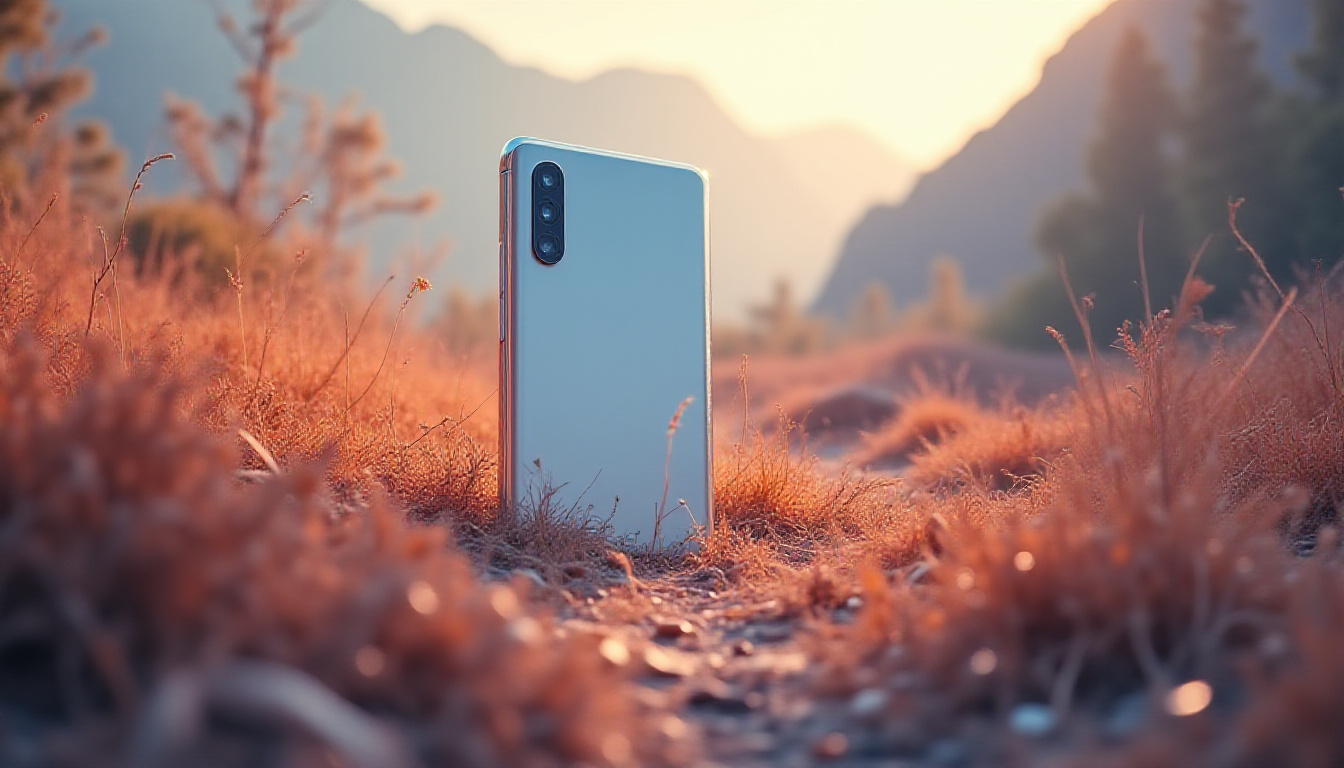
Quick Summary
Xiaomi 18 Pro Max reviewed: 200MP cameras, 8,500mAh battery, privacy display, and Snapdragon 8 Elite Extreme Gen 6. Is it finally the iPhone alternative worth switching for?
Xiaomi 18 Pro Max
Check current price and availability on Amazon
In This Article
Xiaomi 18 Pro Max Review: iPhone Killer?
This article may contain affiliate links. We may earn a commission if you purchase through them, at no extra cost to you.

Xiaomi has made a habit of doing something unusual in the smartphone world: building a phone that is explicitly, unapologetically designed to outspec the iPhone Pro Max — and then pricing it well below it. The Xiaomi 17 Pro Max was one of the most talked-about Android flagships of 2025. Now the Xiaomi 18 Pro Max arrives within weeks of the iPhone 18 Pro Max launch, and Xiaomi isn't just matching Apple's annual upgrade — it's trying to leapfrog it entirely.
The question is whether raw specs and clever hardware choices translate into a phone worth buying, or whether the experience still falls short where it matters most. Let's break it down honestly.
Xiaomi 18 Pro Max vs iPhone 18 Pro Max: How They Stack Up
Before diving into the review, here's a direct comparison between the two phones this device is built to compete with:
| Feature | Xiaomi 18 Pro Max | iPhone 18 Pro Max |
|---|---|---|
| Chipset | Snapdragon 8 Elite Extreme Gen 6 (2nm) | Apple A20 Pro (2nm) |
| RAM | 16GB LPDDR5X | 8GB |
| Main Camera | 200MP | 48MP (variable aperture) |
| Telephoto Camera | 200MP, 3.2x optical | 48MP, 5x optical |
| Ultrawide Camera | 50MP | 48MP |
| Battery Capacity | 8,500mAh | ~4,700mAh |
| Wired Charging | 100W (charger included) | 50W |
| Wireless Charging | 50W | 30W |
| Reverse Wireless Charging | Yes | No |
| Privacy Display | Yes (Hyper RGB) | No |
| Back Screen | Yes | No |
| Action/AI Button | AI-restricted button | Configurable Action Button |
| SIM Card Tray | Yes | No (eSIM only in some markets) |
| OS | HyperOS (Android) | iOS 18 |
| Starting Price (approx.) | ~$900–$1,000 (China pricing) | ~$1,199 |
On paper, the Xiaomi 18 Pro Max wins almost every spec category. The real-world story, as always, is more nuanced.
Display: The Privacy Screen Is a Genuine Innovation
The Xiaomi 18 Pro Max carries over the hole-punch front camera from its predecessor — there's no dynamic island here, just a clean circular cutout. That's fine. The fingerprint reader under the display remains fast and reliable. But the headline display feature this year is borrowed from Samsung's playbook and then improved upon: a full privacy display.
Samsung's approach on the Galaxy S26 Ultra uses alternating normal and narrow-angle pixels, which works but noticeably degrades image quality when privacy mode is active. Xiaomi takes a different route with what it calls Hyper RGB — every pixel retains its full red, green, and blue sub-pixel structure, meaning the resolution drop when switching to privacy mode is far less perceptible to the naked eye.
The trade-off? The Hyper RGB approach only blocks left and right viewing angles, not top and bottom. So someone looking over your shoulder from the side is locked out; someone leaning over from above technically still has a line of sight. In most real-world scenarios — commuting, working in a café, sitting at a desk — side-angle privacy is the primary concern, so this is a reasonable compromise.
What pushes it further is gaze detection: the front camera monitors for faces that aren't yours and alerts you when someone is looking at your screen. It sounds gimmicky, but for anyone who regularly handles sensitive work on their phone in public, it's genuinely useful. The display also hits 4,000 nits peak brightness, which helps offset the slight reduction in off-axis luminance that comes with any privacy panel technology.
One legitimate gripe: the privacy display toggle is buried in privacy settings rather than display settings. Minor, but the kind of UX friction that shouldn't exist on a phone at this price point.
Performance: The Snapdragon 8 Elite Extreme Gen 6 Is a Monster
Both the iPhone 18 Pro Max and the Xiaomi 18 Pro Max debut 2nm chips in 2026, and both deliver meaningful generational gains. Apple's A20 Pro is, as expected, an engineering marvel — efficient, tightly integrated with iOS, and capable of sustained performance without thermal throttling.
The Snapdragon 8 Elite Extreme Gen 6 is Qualcomm's answer: cores running at up to 5GHz clock speeds, paired here with 16GB of LPDDR5X RAM and UFS 4.1 storage. Benchmarks show a 15–20% improvement over last year's already-strong Snapdragon chips, and in daily use, the phone is snappy without hesitation.
The "Extreme" suffix matters: Qualcomm is positioning this variant — with slightly higher clock speeds — for only the top-tier flagships. The standard Snapdragon 8 Elite Gen 6 will appear in a wider range of phones; this binned chip is reserved for phones like the Xiaomi 18 Pro Max. A large vapour chamber handles thermals, and while this isn't a gaming phone by design, it could comfortably double as one.
For everyday use — multitasking, video editing, heavy app loads — this phone is genuinely excellent. The experience question, as discussed below, is more about software than raw power.
Battery and Charging: Xiaomi Makes Apple's Numbers Look Embarrassing
This is where the Xiaomi 18 Pro Max makes the strongest case for itself, especially for budget-conscious buyers who are tired of babysitting battery life.
The phone ships with an 8,500mAh silicon-carbon battery — up from 7,500mAh in the previous generation — enabled by higher energy density cell technology. For context, the iPhone 18 Pro Max has a battery roughly 45% smaller. And critically, Xiaomi achieves this without removing the SIM card tray and without being heavier than the iPhone it's competing against.
Charging numbers:
- 100W wired charging (charger included in the box — not sold separately)
- 50W wireless charging with the right accessory
- Reverse wireless charging — meaning you can top up an iPhone from this phone and still have battery left for yourself
In a quick five-minute charge test, the phone jumped from 12% to 25%, sustaining around 80W throughout. The iPhone 18 Pro Max charges at 50W wired — respectable, but the gap is hard to ignore when the Xiaomi also has nearly double the battery capacity to fill.
At a time when competitors like OnePlus are launching phones with 9,000mAh batteries, there's a valid concern that these numbers become a marketing arms race. But unlike the megapixel wars in cameras, more battery capacity genuinely tends to mean more usable screen-on time — especially combined with an efficient 2nm chip. This phone should comfortably last two full days for most users.
Cameras: 200MP Everywhere (Almost)
Xiaomi's camera strategy this year is a complete overhaul rather than an iterative refresh:
- 200MP main camera (large sensor, significantly improved from last year)
- 200MP telephoto camera (3.2x optical, but with enormous crop flexibility)
- 50MP ultrawide (functional but clearly the third priority)
The iPhone 18 Pro Max, by contrast, keeps its 48MP triple-camera system but adds a variable aperture lens on the main camera — a meaningful but subtle upgrade that gives users more creative control over depth of field and light intake.
Xiaomi's bet is on sensor size and pixel count. The telephoto camera's sensor is physically as large as the primary cameras on many competing phones, which means more light, better detail, and impressive zoom capability even beyond the 3.2x optical range. With 200 megapixels to crop into, digital zoom quality remains high well past the native optical zoom level.
Shooting 8K video is supported, as is a 200MP capture mode, multiple colour profiles, and a full-featured manual mode. Nothing is missing on paper.
The back display as a selfie viewfinder remains one of the most underrated features in mobile photography. Using the main camera — rather than a dedicated front camera — to take selfies means you're getting the highest-quality self-portraits available on any smartphone. It's a hardware trick that Apple has never replicated and may never need to, but for anyone who takes photos of themselves seriously, it's a meaningful real-world advantage.
The ultrawide, however, is an honest weak point. It does the job, but it's clearly not where Xiaomi's engineering budget went this cycle.
Software and Ecosystem: The Experience Gap Is Narrowing
Here's where the honest conversation gets complicated. Xiaomi's HyperOS is a polished Android skin, and for a China-market device, the experience with Google Play installed is serviceable. But the software experience — the animations, the optimisation, the long-term reliability — is still a tier below iOS in ways that daily use makes apparent.
The AI button on the side is a missed opportunity. Where Apple's action button can be configured to launch virtually any shortcut, app, or function, Xiaomi has locked this button to AI-specific actions: adding context to Xiaomi's AI memory, launching voice notes, toggling privacy display, or enabling do not disturb. A single press does essentially nothing customisable. That's a baffling restriction on an otherwise flexible phone.
Xiaomi's broader ecosystem — tablets, smart home devices, appliances, cars — is genuinely competitive with Apple's. And HyperOS is clearly designed to ease the transition for iPhone users: familiar gesture navigation, quick controls in the top-right corner, a liquid glass-style visual language, and stock apps that feel immediately recognisable. Whether this is flattery or copying depends on your perspective, but for a switcher, it reduces friction.
A global launch is rumoured, which would significantly improve the long-term software support story and remove the China-specific limitations.
Pros and Cons
Free Weekly Newsletter
Enjoying this guide?
Get the best articles like this one delivered to your inbox every week. No spam.
Pros
- Snapdragon 8 Elite Extreme Gen 6 delivers class-leading Android performance
- 8,500mAh battery with 100W wired charging (charger included) is outstanding
- 200MP main and telephoto cameras offer serious flexibility
- Privacy display with gaze detection is genuinely useful, not just a gimmick
- Back screen remains a unique, practical differentiator
- SIM card tray retained — a meaningful practical win over iPhone
- Priced meaningfully below iPhone 18 Pro Max
Cons
- AI button is over-restricted — cannot be freely customised
- Ultrawide camera is an afterthought compared to the other two lenses
- Privacy display setting buried in the wrong menu
- China-only for now; global availability unconfirmed
- Software optimisation and long-term update reliability trail iOS
- Privacy display only blocks side angles, not top/bottom
- HyperOS ecosystem benefits most to existing Xiaomi device owners
Verdict and Rating
Overall Rating: 8.4 / 10
The Xiaomi 18 Pro Max is the most compelling non-iPhone flagship available right now — and it's not particularly close. The hardware package is extraordinary: a 2nm chip with class-leading clock speeds, a battery that should embarrass phones at twice its price, 100W charging with the charger in the box, and a camera system with genuine creative range.
For the budget-conscious buyer who wants maximum hardware for minimum spend and is comfortable with Android, this phone is a serious proposition — particularly if a global version launches with full software support.
The caveats are real, though. The software experience still doesn't match the seamless optimisation of iOS. The AI button restriction is an own goal. And buying a China-market phone comes with practical headaches that the average consumer shouldn't have to deal with.
If Xiaomi delivers on a global launch with clean software support, this becomes one of the easiest flagship recommendations in years. Until then, it's a phone for enthusiasts willing to do a little work to get the best out of it.
Where to Buy
Note: Global availability is currently limited. Check regional availability carefully before purchasing.
Frequently Asked Questions
Is the Xiaomi 18 Pro Max available globally?
As of this review, the Xiaomi 18 Pro Max is a China-market device. A global launch has been rumoured but not officially confirmed. Buyers outside China can import the device, but should expect to manually install Google Play services and may encounter regional software limitations or warranty issues.
How does the Xiaomi 18 Pro Max camera compare to the iPhone 18 Pro Max?
Xiaomi uses 200MP sensors on both its main and telephoto cameras versus Apple's 48MP triple-camera setup. In practice, higher megapixels don't automatically mean better photos — sensor size, processing, and optics all matter. Xiaomi's telephoto sensor is physically enormous and offers strong zoom flexibility. Apple's main camera adds a variable aperture for more creative control. Both are excellent; Xiaomi has the hardware edge on paper, Apple has the edge on consistent computational photography.
Who should NOT buy the Xiaomi 18 Pro Max?
This phone is not ideal for: users who rely on seamless ecosystem integration (iMessage, AirDrop, Apple Watch, Mac handoff), buyers who want guaranteed long-term software updates from a global brand, users unwilling to navigate Chinese-market software quirks, or anyone who needs straightforward warranty support in Western markets. iPhone users deeply embedded in the Apple ecosystem will find the switching costs high regardless of the hardware on offer.
Is 8,500mAh actually better than a smaller battery with faster charging?
Generally, yes — bigger battery capacity means more time between charges, full stop. The 8,500mAh cell in the Xiaomi 18 Pro Max, combined with the efficiency gains from its 2nm chip, should deliver two full days of moderate use for most people. The 100W charging means even if you do run it down, you're back to a usable charge in under 20 minutes. This is a genuine practical advantage over iPhones and most Western Android flagships.
How does the privacy display actually work in daily use?
Xiaomi's Hyper RGB privacy display restricts the viewing angle from the left and right sides at the press of a physical button or through automated app-based triggers. Unlike Samsung's implementation, it uses a full sub-pixel structure per pixel, so the image quality hit when privacy mode is active is smaller. The gaze detection feature alerts you when the front camera detects someone looking at your screen — useful in practice, not just a demo feature. The main limitation is that it doesn't block top-to-bottom viewing angles.
Xiaomi 18 Pro Max
Considering it? See where the price stands today
Frequently Asked Questions
Xiaomi 18 Pro Max vs iPhone 18 Pro Max: How They Stack Up
Before diving into the review, here's a direct comparison between the two phones this device is built to compete with:
| Feature | Xiaomi 18 Pro Max | iPhone 18 Pro Max |
|---|---|---|
| Chipset | Snapdragon 8 Elite Extreme Gen 6 (2nm) | Apple A20 Pro (2nm) |
| RAM | 16GB LPDDR5X | 8GB |
| Main Camera | 200MP | 48MP (variable aperture) |
| Telephoto Camera | 200MP, 3.2x optical | 48MP, 5x optical |
| Ultrawide Camera | 50MP | 48MP |
| Battery Capacity | 8,500mAh | ~4,700mAh |
| Wired Charging | 100W (charger included) | 50W |
| Wireless Charging | 50W | 30W |
| Reverse Wireless Charging | Yes | No |
| Privacy Display | Yes (Hyper RGB) | No |
| Back Screen | Yes | No |
| Action/AI Button | AI-restricted button | Configurable Action Button |
| SIM Card Tray | Yes | No (eSIM only in some markets) |
| OS | HyperOS (Android) | iOS 18 |
| Starting Price (approx.) | ~$900–$1,000 (China pricing) | ~$1,199 |
On paper, the Xiaomi 18 Pro Max wins almost every spec category. The real-world story, as always, is more nuanced.
Display: The Privacy Screen Is a Genuine Innovation
The Xiaomi 18 Pro Max carries over the hole-punch front camera from its predecessor — there's no dynamic island here, just a clean circular cutout. That's fine. The fingerprint reader under the display remains fast and reliable. But the headline display feature this year is borrowed from Samsung's playbook and then improved upon: a full privacy display.
Samsung's approach on the Galaxy S26 Ultra uses alternating normal and narrow-angle pixels, which works but noticeably degrades image quality when privacy mode is active. Xiaomi takes a different route with what it calls Hyper RGB — every pixel retains its full red, green, and blue sub-pixel structure, meaning the resolution drop when switching to privacy mode is far less perceptible to the naked eye.
The trade-off? The Hyper RGB approach only blocks left and right viewing angles, not top and bottom. So someone looking over your shoulder from the side is locked out; someone leaning over from above technically still has a line of sight. In most real-world scenarios — commuting, working in a café, sitting at a desk — side-angle privacy is the primary concern, so this is a reasonable compromise.
What pushes it further is gaze detection: the front camera monitors for faces that aren't yours and alerts you when someone is looking at your screen. It sounds gimmicky, but for anyone who regularly handles sensitive work on their phone in public, it's genuinely useful. The display also hits 4,000 nits peak brightness, which helps offset the slight reduction in off-axis luminance that comes with any privacy panel technology.
One legitimate gripe: the privacy display toggle is buried in privacy settings rather than display settings. Minor, but the kind of UX friction that shouldn't exist on a phone at this price point.
Performance: The Snapdragon 8 Elite Extreme Gen 6 Is a Monster
Both the iPhone 18 Pro Max and the Xiaomi 18 Pro Max debut 2nm chips in 2026, and both deliver meaningful generational gains. Apple's A20 Pro is, as expected, an engineering marvel — efficient, tightly integrated with iOS, and capable of sustained performance without thermal throttling.
The Snapdragon 8 Elite Extreme Gen 6 is Qualcomm's answer: cores running at up to 5GHz clock speeds, paired here with 16GB of LPDDR5X RAM and UFS 4.1 storage. Benchmarks show a 15–20% improvement over last year's already-strong Snapdragon chips, and in daily use, the phone is snappy without hesitation.
The "Extreme" suffix matters: Qualcomm is positioning this variant — with slightly higher clock speeds — for only the top-tier flagships. The standard Snapdragon 8 Elite Gen 6 will appear in a wider range of phones; this binned chip is reserved for phones like the Xiaomi 18 Pro Max. A large vapour chamber handles thermals, and while this isn't a gaming phone by design, it could comfortably double as one.
For everyday use — multitasking, video editing, heavy app loads — this phone is genuinely excellent. The experience question, as discussed below, is more about software than raw power.
Battery and Charging: Xiaomi Makes Apple's Numbers Look Embarrassing
This is where the Xiaomi 18 Pro Max makes the strongest case for itself, especially for budget-conscious buyers who are tired of babysitting battery life.
The phone ships with an 8,500mAh silicon-carbon battery — up from 7,500mAh in the previous generation — enabled by higher energy density cell technology. For context, the iPhone 18 Pro Max has a battery roughly 45% smaller. And critically, Xiaomi achieves this without removing the SIM card tray and without being heavier than the iPhone it's competing against.
Charging numbers:
- 100W wired charging (charger included in the box — not sold separately)
- 50W wireless charging with the right accessory
- Reverse wireless charging — meaning you can top up an iPhone from this phone and still have battery left for yourself
In a quick five-minute charge test, the phone jumped from 12% to 25%, sustaining around 80W throughout. The iPhone 18 Pro Max charges at 50W wired — respectable, but the gap is hard to ignore when the Xiaomi also has nearly double the battery capacity to fill.
At a time when competitors like OnePlus are launching phones with 9,000mAh batteries, there's a valid concern that these numbers become a marketing arms race. But unlike the megapixel wars in cameras, more battery capacity genuinely tends to mean more usable screen-on time — especially combined with an efficient 2nm chip. This phone should comfortably last two full days for most users.
Cameras: 200MP Everywhere (Almost)
Xiaomi's camera strategy this year is a complete overhaul rather than an iterative refresh:
- 200MP main camera (large sensor, significantly improved from last year)
- 200MP telephoto camera (3.2x optical, but with enormous crop flexibility)
- 50MP ultrawide (functional but clearly the third priority)
The iPhone 18 Pro Max, by contrast, keeps its 48MP triple-camera system but adds a variable aperture lens on the main camera — a meaningful but subtle upgrade that gives users more creative control over depth of field and light intake.
Xiaomi's bet is on sensor size and pixel count. The telephoto camera's sensor is physically as large as the primary cameras on many competing phones, which means more light, better detail, and impressive zoom capability even beyond the 3.2x optical range. With 200 megapixels to crop into, digital zoom quality remains high well past the native optical zoom level.
Shooting 8K video is supported, as is a 200MP capture mode, multiple colour profiles, and a full-featured manual mode. Nothing is missing on paper.
The back display as a selfie viewfinder remains one of the most underrated features in mobile photography. Using the main camera — rather than a dedicated front camera — to take selfies means you're getting the highest-quality self-portraits available on any smartphone. It's a hardware trick that Apple has never replicated and may never need to, but for anyone who takes photos of themselves seriously, it's a meaningful real-world advantage.
The ultrawide, however, is an honest weak point. It does the job, but it's clearly not where Xiaomi's engineering budget went this cycle.
Software and Ecosystem: The Experience Gap Is Narrowing
Here's where the honest conversation gets complicated. Xiaomi's HyperOS is a polished Android skin, and for a China-market device, the experience with Google Play installed is serviceable. But the software experience — the animations, the optimisation, the long-term reliability — is still a tier below iOS in ways that daily use makes apparent.
The AI button on the side is a missed opportunity. Where Apple's action button can be configured to launch virtually any shortcut, app, or function, Xiaomi has locked this button to AI-specific actions: adding context to Xiaomi's AI memory, launching voice notes, toggling privacy display, or enabling do not disturb. A single press does essentially nothing customisable. That's a baffling restriction on an otherwise flexible phone.
Xiaomi's broader ecosystem — tablets, smart home devices, appliances, cars — is genuinely competitive with Apple's. And HyperOS is clearly designed to ease the transition for iPhone users: familiar gesture navigation, quick controls in the top-right corner, a liquid glass-style visual language, and stock apps that feel immediately recognisable. Whether this is flattery or copying depends on your perspective, but for a switcher, it reduces friction.
A global launch is rumoured, which would significantly improve the long-term software support story and remove the China-specific limitations.
Pros and Cons
Pros
- Snapdragon 8 Elite Extreme Gen 6 delivers class-leading Android performance
- 8,500mAh battery with 100W wired charging (charger included) is outstanding
- 200MP main and telephoto cameras offer serious flexibility
- Privacy display with gaze detection is genuinely useful, not just a gimmick
- Back screen remains a unique, practical differentiator
- SIM card tray retained — a meaningful practical win over iPhone
- Priced meaningfully below iPhone 18 Pro Max
Cons
- AI button is over-restricted — cannot be freely customised
- Ultrawide camera is an afterthought compared to the other two lenses
- Privacy display setting buried in the wrong menu
- China-only for now; global availability unconfirmed
- Software optimisation and long-term update reliability trail iOS
- Privacy display only blocks side angles, not top/bottom
- HyperOS ecosystem benefits most to existing Xiaomi device owners
Verdict and Rating
Overall Rating: 8.4 / 10
The Xiaomi 18 Pro Max is the most compelling non-iPhone flagship available right now — and it's not particularly close. The hardware package is extraordinary: a 2nm chip with class-leading clock speeds, a battery that should embarrass phones at twice its price, 100W charging with the charger in the box, and a camera system with genuine creative range.
For the budget-conscious buyer who wants maximum hardware for minimum spend and is comfortable with Android, this phone is a serious proposition — particularly if a global version launches with full software support.
The caveats are real, though. The software experience still doesn't match the seamless optimisation of iOS. The AI button restriction is an own goal. And buying a China-market phone comes with practical headaches that the average consumer shouldn't have to deal with.
If Xiaomi delivers on a global launch with clean software support, this becomes one of the easiest flagship recommendations in years. Until then, it's a phone for enthusiasts willing to do a little work to get the best out of it.
Where to Buy
Note: Global availability is currently limited. Check regional availability carefully before purchasing.
Frequently Asked Questions
Is the Xiaomi 18 Pro Max available globally?
As of this review, the Xiaomi 18 Pro Max is a China-market device. A global launch has been rumoured but not officially confirmed. Buyers outside China can import the device, but should expect to manually install Google Play services and may encounter regional software limitations or warranty issues.
How does the Xiaomi 18 Pro Max camera compare to the iPhone 18 Pro Max?
Xiaomi uses 200MP sensors on both its main and telephoto cameras versus Apple's 48MP triple-camera setup. In practice, higher megapixels don't automatically mean better photos — sensor size, processing, and optics all matter. Xiaomi's telephoto sensor is physically enormous and offers strong zoom flexibility. Apple's main camera adds a variable aperture for more creative control. Both are excellent; Xiaomi has the hardware edge on paper, Apple has the edge on consistent computational photography.
Who should NOT buy the Xiaomi 18 Pro Max?
This phone is not ideal for: users who rely on seamless ecosystem integration (iMessage, AirDrop, Apple Watch, Mac handoff), buyers who want guaranteed long-term software updates from a global brand, users unwilling to navigate Chinese-market software quirks, or anyone who needs straightforward warranty support in Western markets. iPhone users deeply embedded in the Apple ecosystem will find the switching costs high regardless of the hardware on offer.
Is 8,500mAh actually better than a smaller battery with faster charging?
Generally, yes — bigger battery capacity means more time between charges, full stop. The 8,500mAh cell in the Xiaomi 18 Pro Max, combined with the efficiency gains from its 2nm chip, should deliver two full days of moderate use for most people. The 100W charging means even if you do run it down, you're back to a usable charge in under 20 minutes. This is a genuine practical advantage over iPhones and most Western Android flagships.
How does the privacy display actually work in daily use?
Xiaomi's Hyper RGB privacy display restricts the viewing angle from the left and right sides at the press of a physical button or through automated app-based triggers. Unlike Samsung's implementation, it uses a full sub-pixel structure per pixel, so the image quality hit when privacy mode is active is smaller. The gaze detection feature alerts you when the front camera detects someone looking at your screen — useful in practice, not just a demo feature. The main limitation is that it doesn't block top-to-bottom viewing angles.
Xiaomi 18 Pro Max
Ready to decide? Compare the current price before you buy
About Zeebrain Editorial
Zeebrain publishes independent analysis of markets, investing, personal finance, and business. We disclose affiliate relationships, never accept payment for coverage, and fact-check all claims against primary sources. Read our editorial policy →
How this article was produced: Zeebrain articles are created with AI assistance from primary sources (including cited videos and market data) and reviewed under our editorial standards before publication. Spot an error? Tell us and we will correct it.
Disclaimer: Content on Zeebrain is for informational and educational purposes only and does not constitute financial advice or a recommendation to buy or sell any security. Always conduct your own research and consult a qualified financial adviser before making investment decisions. Past performance is not indicative of future results.
More from Review




Related Guides
Keep exploring this topic
Best Smart Home Gadgets Worth Buying: IFA Picks Reviewed
Review · smart home · IFA Berlin
iPhone 18 Pro Review: Is the A20 Pro Chip Worth It?
Review · iPhone 18 Pro · Apple
iPhone 18 Pro Review: Is It Worth Upgrading?
Review · iPhone 18 Pro · Apple
Chewy Dog Food Review: Is It Worth the Hype in 2025?
Review
Explore More Categories
Keep browsing by topic and build depth around the subjects you care about most.