Met Gala Theme Predictions: How the Fashion World Speculates
Quick Summary
Every year the Met Gala theme becomes fashion's most debated mystery. Here's how insiders predict it — and what past themes reveal about the next one.
In This Article
Met Gala 2026 Theme Speculation: Decoding Anna Wintour's Next Big Move
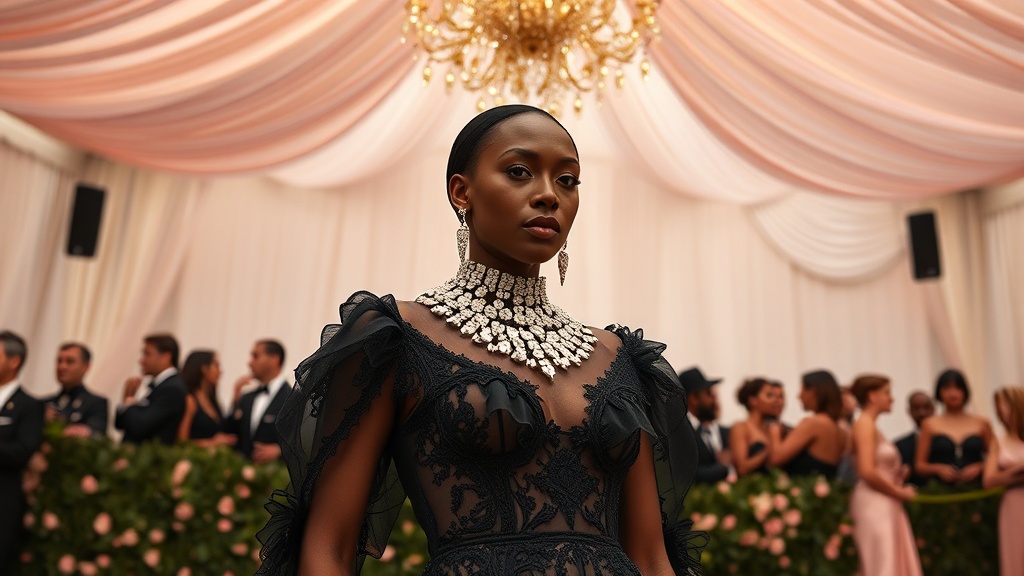
The Met Gala isn't just a party; it's a cultural phenomenon, a multi-million dollar fundraiser, and an annual masterclass in theme interpretation that sets the global fashion agenda. As the dust settles from the "Sleeping Beauties: Reawakening Fashion" spectacle of 2024 and the anticipatory buzz builds for 2025, the real fashion cognoscenti are already whispering about Met Gala 2026 theme speculation. What grand sartorial statement will Anna Wintour and Andrew Bolton craft next to captivate the world, inspire designers, and fill the coffers of the Costume Institute? The clues are always there, embedded in fashion history, current events, and the ever-evolving zeitgeist.

The Met Gala's Masterplan: Why Themes Matter and How They're Chosen
Understanding the intricate process behind theme selection is key to unlocking 2026's potential. The Met Gala is, first and foremost, the primary funding source for the Metropolitan Museum of Art's Costume Institute, an indispensable repository of fashion history. Each theme corresponds to a major exhibition curated by Andrew Bolton, the Wendy Yu Curator in Charge, who works closely with Anna Wintour, editor-in-chief of Vogue and global editorial director for Condé Nast. This partnership ensures the theme is both historically rich enough for an academic exhibition and visually compelling enough for global media saturation.
Themes often alternate between broad historical surveys (like "Heavenly Bodies: Fashion and the Catholic Imagination" in 2018 or "Schiaparelli and Prada: Impossible Conversations" in 2012) and focused explorations of individual designers ("Rei Kawakubo/Comme des Garçons: Art of the In-Between" in 2017, "Alexander McQueen: Savage Beauty" in 2011). Sometimes, they reflect a specific material or technique ("Manus x Machina: Fashion in an Age of Technology" in 2016). The "Sleeping Beauties" theme for 2024, for instance, focused on garments too fragile to be worn, exploring notions of ephemerality and the reawakening of fashion through technology and research. This innovative approach hints at a willingness to push beyond conventional historical retrospectives.
Crucially, the themes are chosen years in advance, often allowing designers ample time to research and conceptualize their contributions. This lead time means that while public discourse focuses on the most recent gala, the wheels for 2026 are already in motion. The timing of significant cultural anniversaries, major artistic movements gaining renewed interest, or even shifts in global environmental concerns can all subtly influence Wintour and Bolton's decision-making. The sheer global reach of the event demands a theme that resonates across cultures, not just within the insular world of haute couture.
Decoding the Signals: Potential Angles for Met Gala 2026
Based on past patterns, current cultural currents, and whispers within the fashion industry, several compelling themes emerge as strong contenders for Met Gala 2026.
1. A Celebration of American Fashion, Revisited: Given the 2021 and 2022 "In America: A Lexicon of Fashion" and "In America: An Anthology of Fashion" themes, one might assume a pause on American designers. However, the Costume Institute has a mandate to champion American fashion. With growing conversations around sustainable design, inclusivity, and the evolving identity of American style post-pandemic, a more focused or perhaps regional exploration could be timely. Imagine: "American Mavericks: The Unconventional Spirit of U.S. Design." This could highlight designers who broke norms, from forgotten figures of the 20th century to contemporary avant-gardists. Think early sportswear pioneers, rebellious counter-culture designers from the 60s and 70s, or even the burgeoning sustainable and ethical fashion movement within the U.S. This theme offers both historical depth and contemporary relevance, tapping into a renewed sense of national identity in fashion. The success of designers like Thom Browne, Pyer Moss, and Telfar Clemens, who continually push boundaries, underscores the dynamism of American fashion beyond established luxury houses.
2. The Renaissance of Craftsmanship: "Handmade, Not Made-Up." In an increasingly digital and AI-driven world, there's a powerful counter-movement towards the tactile, the artisanal, and the human touch. The 2024 "Sleeping Beauties" theme touched on this with its emphasis on fragile garments preserved through technology, but 2026 could flip the script to celebrate the living, breathing crafts. "The Art of the Artisan: Craft and Couture in a Digital Age" could explore embroidery, lacemaking, weaving, tailoring, and other heritage techniques across different cultures. This theme resonates with consumer desires for authenticity and longevity, a backlash against fast fashion, and a growing appreciation for the skill and stories embedded in handcrafted garments. Imagine red carpet looks featuring elaborate beadwork, intricate pleating, or hand-painted textiles – a visual feast showcasing skills that are often overlooked in mass production. This aligns perfectly with the current trend of "quiet luxury" and a focus on quality over quantity.
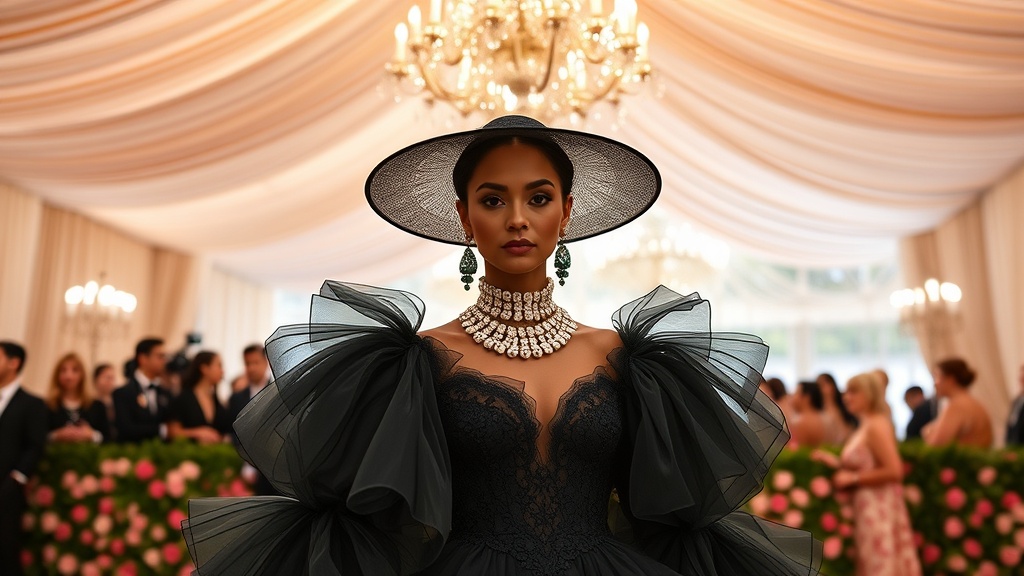
3. A Deep Dive into a Niche Historical Period or Movement: While broad themes are popular, the Met sometimes narrows its focus to a specific, under-explored period or movement. Consider "The Roaring Twenties: A Century Later, A New Dawn." The 1920s, a period of immense social and cultural upheaval, liberation, and stylistic innovation, will mark its centenary as the decade closes out. This theme offers a rich tapestry of flapper dresses, Art Deco motifs, jazz age glamour, and the beginnings of modern silhouettes. It’s inherently glamorous, visually distinct, and allows for both literal interpretations and contemporary reimaginations of liberation and modernity. The echoes of societal shifts post-pandemic often draw parallels to post-WWI era, making this theme particularly resonant. Furthermore, the decade saw a significant rise in women's independence and changes in gender roles, topics that remain highly relevant today.
4. The Intersection of Art and Fashion: Beyond the Canvas. The Met Gala frequently explores fashion as art. While designers like Schiaparelli and McQueen have directly engaged with art movements, a 2026 theme could look at the symbiosis in a broader sense: "Fashion as Performance: The Theatricality of Style." This theme could delve into designers who consistently used fashion as a form of performance art – from Vivienne Westwood's punk rebellion to John Galliano's dramatic runway shows, or even the avant-garde designs of Iris van Herpen. It would allow for incredibly imaginative, costume-like creations on the red carpet, embracing drama, narrative, and the performative aspect inherent in wearing clothes. This taps into the growing influence of celebrity stylists and the "main character energy" trend, where personal style becomes a deliberate performance for an audience.
Expert Insights and Implications for Designers
Fashion historians and industry insiders often look for themes that offer both historical depth and contemporary relevance. "The Costume Institute thrives on themes that are academically rigorous yet visually sensational," notes Dr. Eleanor Vance, a fashion historian at the Fashion Institute of Technology. "They need to inspire museum-goers and red-carpet celebrities in equal measure."
For designers, the choice of theme has significant implications. A historical theme like "The Roaring Twenties" demands meticulous research and often a respectful reimagining of archival pieces. "It's about finding the essence of a period and translating it into something fresh and relevant," explains veteran stylist Petra Hayes. "You can't just do a costume; it needs to be fashion." Conversely, a theme focused on craftsmanship might challenge designers to showcase techniques often hidden beneath the surface, pushing the boundaries of construction and embellishment.
The rise of digital fashion and AI tools also plays a subtle role. While the Met Gala remains resolutely physical, the conversation around digital materiality and sustainable practices is unavoidable. A theme focusing on craftsmanship or even a futuristic approach to textiles could indirectly address these evolving industry dynamics. Bolton and Wintour are astute observers of these shifts, ensuring the chosen theme remains culturally impactful and forward-thinking.
What This Means for Readers: Your Role in the Fashion Conversation
For the average reader, Met Gala theme speculation is more than just gossip; it's an early invitation to a global conversation about art, culture, and personal expression.
Free Weekly Newsletter
Enjoying this guide?
Get the best articles like this one delivered to your inbox every week. No spam.
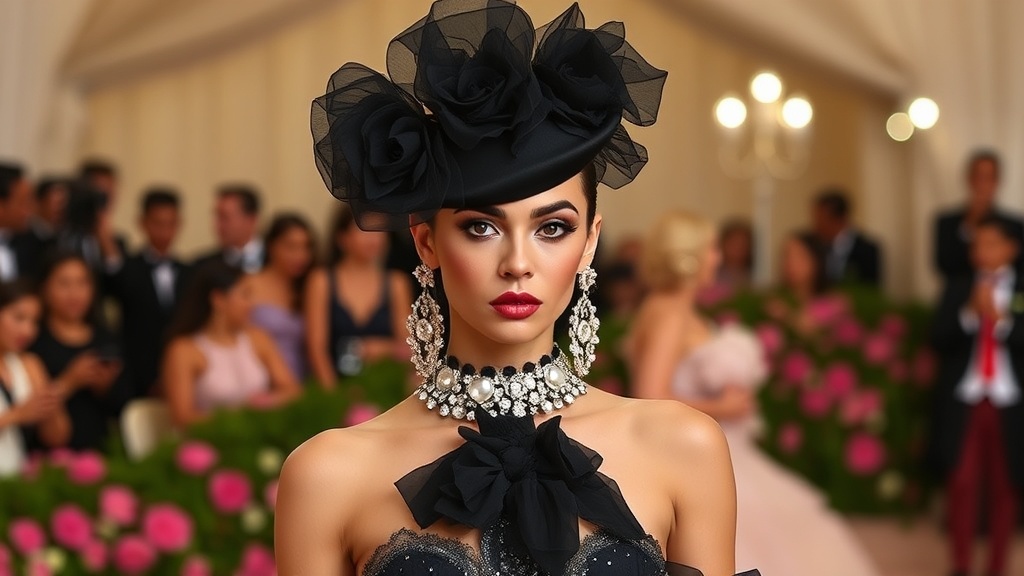
- Become a fashion historian in training: By following the theme speculation, you gain insight into fashion history and its cyclical nature. Start researching the proposed eras or movements – understanding the context enriches your appreciation of the red carpet looks when they finally arrive.
- Anticipate trends: The Met Gala often serves as a highly visible trend forecaster. Elements from the theme, even if subtly interpreted, can filter down into mainstream fashion. If "The Roaring Twenties" is chosen, expect to see fringes, drop waists, and Art Deco patterns influencing collections in the coming seasons.
- Engage in the conversation: Social media lights up with discussions and critiques of Met Gala looks. Knowing the theme in advance allows you to participate more meaningfully, understanding the designers' intentions and the nuances of their interpretations. It empowers you to move beyond simply liking an outfit to understanding its cultural significance.
- Fuel your creativity: Even if you're not a designer, the Met Gala is a masterclass in creative interpretation. Think about how you would interpret a given theme. It's an exercise in imagination that can be applied to personal style, home decor, or even creative writing.
Future Outlook: Beyond 2026 and the Ever-Evolving Gala
Looking further ahead, the Met Gala will undoubtedly continue its trajectory as a cultural touchstone. Expect to see an increasing emphasis on technology, not just as a tool for preserving garments (as in "Sleeping Beauties") but potentially as a theme itself, exploring the ethics and aesthetics of AI-generated fashion or wearable tech. Sustainability, a perennial concern, may also move from being an underlying influence to a central theme, exploring innovative materials or circular design principles.
The Met Gala's future may also see a broader geographical scope. While Western fashion history has been a dominant focus, there's immense potential in exploring fashion from non-Western cultures or the intricate connections between global design traditions. Imagine "The Silk Road Reimagined: Fashion's Ancient Routes and Modern Echoes" or an exhibition dedicated to the rich textile traditions of Africa or South America.
The only certainty is that Anna Wintour and Andrew Bolton will continue to surprise and challenge. The Met Gala remains a dynamic, evolving entity, reflecting and shaping the very fabric of fashion and culture. As we await the official announcement for 2026, the speculation itself becomes part of the event's enduring allure – a testament to fashion's power to inspire, provoke, and unite us in shared anticipation.
Conclusion
The Met Gala 2026 theme remains a tantalizing mystery, but by analyzing past patterns, cultural currents, and industry whispers, we can discern strong contenders like "American Mavericks," "The Art of the Artisan," "The Roaring Twenties," or "Fashion as Performance." Each offers a rich tapestry for designers to explore and a fascinating lens through which the public can engage with fashion as art, history, and a reflection of our times. The ultimate reveal will not just launch a new exhibition but ignite a global conversation, shaping trends and challenging perceptions. So, keep your eyes on the fashion news – the next great sartorial adventure is just around the corner, and understanding its theme is your first step into the exclusive world of the Met Gala. What do you think 2026 will bring? Share your predictions and join the global fashion discourse.
Frequently Asked Questions
The Met Gala's Masterplan: Why Themes Matter and How They're Chosen
Understanding the intricate process behind theme selection is key to unlocking 2026's potential. The Met Gala is, first and foremost, the primary funding source for the Metropolitan Museum of Art's Costume Institute, an indispensable repository of fashion history. Each theme corresponds to a major exhibition curated by Andrew Bolton, the Wendy Yu Curator in Charge, who works closely with Anna Wintour, editor-in-chief of Vogue and global editorial director for Condé Nast. This partnership ensures the theme is both historically rich enough for an academic exhibition and visually compelling enough for global media saturation.
Themes often alternate between broad historical surveys (like "Heavenly Bodies: Fashion and the Catholic Imagination" in 2018 or "Schiaparelli and Prada: Impossible Conversations" in 2012) and focused explorations of individual designers ("Rei Kawakubo/Comme des Garçons: Art of the In-Between" in 2017, "Alexander McQueen: Savage Beauty" in 2011). Sometimes, they reflect a specific material or technique ("Manus x Machina: Fashion in an Age of Technology" in 2016). The "Sleeping Beauties" theme for 2024, for instance, focused on garments too fragile to be worn, exploring notions of ephemerality and the reawakening of fashion through technology and research. This innovative approach hints at a willingness to push beyond conventional historical retrospectives.
Crucially, the themes are chosen years in advance, often allowing designers ample time to research and conceptualize their contributions. This lead time means that while public discourse focuses on the most recent gala, the wheels for 2026 are already in motion. The timing of significant cultural anniversaries, major artistic movements gaining renewed interest, or even shifts in global environmental concerns can all subtly influence Wintour and Bolton's decision-making. The sheer global reach of the event demands a theme that resonates across cultures, not just within the insular world of haute couture.
Decoding the Signals: Potential Angles for Met Gala 2026
Based on past patterns, current cultural currents, and whispers within the fashion industry, several compelling themes emerge as strong contenders for Met Gala 2026.
1. A Celebration of American Fashion, Revisited: Given the 2021 and 2022 "In America: A Lexicon of Fashion" and "In America: An Anthology of Fashion" themes, one might assume a pause on American designers. However, the Costume Institute has a mandate to champion American fashion. With growing conversations around sustainable design, inclusivity, and the evolving identity of American style post-pandemic, a more focused or perhaps regional exploration could be timely. Imagine: "American Mavericks: The Unconventional Spirit of U.S. Design." This could highlight designers who broke norms, from forgotten figures of the 20th century to contemporary avant-gardists. Think early sportswear pioneers, rebellious counter-culture designers from the 60s and 70s, or even the burgeoning sustainable and ethical fashion movement within the U.S. This theme offers both historical depth and contemporary relevance, tapping into a renewed sense of national identity in fashion. The success of designers like Thom Browne, Pyer Moss, and Telfar Clemens, who continually push boundaries, underscores the dynamism of American fashion beyond established luxury houses.
2. The Renaissance of Craftsmanship: "Handmade, Not Made-Up." In an increasingly digital and AI-driven world, there's a powerful counter-movement towards the tactile, the artisanal, and the human touch. The 2024 "Sleeping Beauties" theme touched on this with its emphasis on fragile garments preserved through technology, but 2026 could flip the script to celebrate the living, breathing crafts. "The Art of the Artisan: Craft and Couture in a Digital Age" could explore embroidery, lacemaking, weaving, tailoring, and other heritage techniques across different cultures. This theme resonates with consumer desires for authenticity and longevity, a backlash against fast fashion, and a growing appreciation for the skill and stories embedded in handcrafted garments. Imagine red carpet looks featuring elaborate beadwork, intricate pleating, or hand-painted textiles – a visual feast showcasing skills that are often overlooked in mass production. This aligns perfectly with the current trend of "quiet luxury" and a focus on quality over quantity.
3. A Deep Dive into a Niche Historical Period or Movement: While broad themes are popular, the Met sometimes narrows its focus to a specific, under-explored period or movement. Consider "The Roaring Twenties: A Century Later, A New Dawn." The 1920s, a period of immense social and cultural upheaval, liberation, and stylistic innovation, will mark its centenary as the decade closes out. This theme offers a rich tapestry of flapper dresses, Art Deco motifs, jazz age glamour, and the beginnings of modern silhouettes. It’s inherently glamorous, visually distinct, and allows for both literal interpretations and contemporary reimaginations of liberation and modernity. The echoes of societal shifts post-pandemic often draw parallels to post-WWI era, making this theme particularly resonant. Furthermore, the decade saw a significant rise in women's independence and changes in gender roles, topics that remain highly relevant today.
4. The Intersection of Art and Fashion: Beyond the Canvas. The Met Gala frequently explores fashion as art. While designers like Schiaparelli and McQueen have directly engaged with art movements, a 2026 theme could look at the symbiosis in a broader sense: "Fashion as Performance: The Theatricality of Style." This theme could delve into designers who consistently used fashion as a form of performance art – from Vivienne Westwood's punk rebellion to John Galliano's dramatic runway shows, or even the avant-garde designs of Iris van Herpen. It would allow for incredibly imaginative, costume-like creations on the red carpet, embracing drama, narrative, and the performative aspect inherent in wearing clothes. This taps into the growing influence of celebrity stylists and the "main character energy" trend, where personal style becomes a deliberate performance for an audience.
Expert Insights and Implications for Designers
Fashion historians and industry insiders often look for themes that offer both historical depth and contemporary relevance. "The Costume Institute thrives on themes that are academically rigorous yet visually sensational," notes Dr. Eleanor Vance, a fashion historian at the Fashion Institute of Technology. "They need to inspire museum-goers and red-carpet celebrities in equal measure."
For designers, the choice of theme has significant implications. A historical theme like "The Roaring Twenties" demands meticulous research and often a respectful reimagining of archival pieces. "It's about finding the essence of a period and translating it into something fresh and relevant," explains veteran stylist Petra Hayes. "You can't just do a costume; it needs to be fashion." Conversely, a theme focused on craftsmanship might challenge designers to showcase techniques often hidden beneath the surface, pushing the boundaries of construction and embellishment.
The rise of digital fashion and AI tools also plays a subtle role. While the Met Gala remains resolutely physical, the conversation around digital materiality and sustainable practices is unavoidable. A theme focusing on craftsmanship or even a futuristic approach to textiles could indirectly address these evolving industry dynamics. Bolton and Wintour are astute observers of these shifts, ensuring the chosen theme remains culturally impactful and forward-thinking.
What This Means for Readers: Your Role in the Fashion Conversation
For the average reader, Met Gala theme speculation is more than just gossip; it's an early invitation to a global conversation about art, culture, and personal expression.
- Become a fashion historian in training: By following the theme speculation, you gain insight into fashion history and its cyclical nature. Start researching the proposed eras or movements – understanding the context enriches your appreciation of the red carpet looks when they finally arrive.
- Anticipate trends: The Met Gala often serves as a highly visible trend forecaster. Elements from the theme, even if subtly interpreted, can filter down into mainstream fashion. If "The Roaring Twenties" is chosen, expect to see fringes, drop waists, and Art Deco patterns influencing collections in the coming seasons.
- Engage in the conversation: Social media lights up with discussions and critiques of Met Gala looks. Knowing the theme in advance allows you to participate more meaningfully, understanding the designers' intentions and the nuances of their interpretations. It empowers you to move beyond simply liking an outfit to understanding its cultural significance.
- Fuel your creativity: Even if you're not a designer, the Met Gala is a masterclass in creative interpretation. Think about how you would interpret a given theme. It's an exercise in imagination that can be applied to personal style, home decor, or even creative writing.
Future Outlook: Beyond 2026 and the Ever-Evolving Gala
Looking further ahead, the Met Gala will undoubtedly continue its trajectory as a cultural touchstone. Expect to see an increasing emphasis on technology, not just as a tool for preserving garments (as in "Sleeping Beauties") but potentially as a theme itself, exploring the ethics and aesthetics of AI-generated fashion or wearable tech. Sustainability, a perennial concern, may also move from being an underlying influence to a central theme, exploring innovative materials or circular design principles.
The Met Gala's future may also see a broader geographical scope. While Western fashion history has been a dominant focus, there's immense potential in exploring fashion from non-Western cultures or the intricate connections between global design traditions. Imagine "The Silk Road Reimagined: Fashion's Ancient Routes and Modern Echoes" or an exhibition dedicated to the rich textile traditions of Africa or South America.
The only certainty is that Anna Wintour and Andrew Bolton will continue to surprise and challenge. The Met Gala remains a dynamic, evolving entity, reflecting and shaping the very fabric of fashion and culture. As we await the official announcement for 2026, the speculation itself becomes part of the event's enduring allure – a testament to fashion's power to inspire, provoke, and unite us in shared anticipation.
Conclusion
The Met Gala 2026 theme remains a tantalizing mystery, but by analyzing past patterns, cultural currents, and industry whispers, we can discern strong contenders like "American Mavericks," "The Art of the Artisan," "The Roaring Twenties," or "Fashion as Performance." Each offers a rich tapestry for designers to explore and a fascinating lens through which the public can engage with fashion as art, history, and a reflection of our times. The ultimate reveal will not just launch a new exhibition but ignite a global conversation, shaping trends and challenging perceptions. So, keep your eyes on the fashion news – the next great sartorial adventure is just around the corner, and understanding its theme is your first step into the exclusive world of the Met Gala. What do you think 2026 will bring? Share your predictions and join the global fashion discourse.
About Zeebrain Editorial
Zeebrain publishes independent analysis of markets, investing, personal finance, and business. We disclose affiliate relationships, never accept payment for coverage, and fact-check all claims against primary sources. Read our editorial policy →
How this article was produced: Zeebrain articles are created with AI assistance from primary sources (including cited videos and market data) and reviewed under our editorial standards before publication. Spot an error? Tell us and we will correct it.
More from Entertainment


Related Guides
Keep exploring this topic
The Rise of the Machines… and Entertainers: AI-Generated Content Reshapes the Entertainment Landscap...
Entertainment
The Math Behind Why Movie Franchises Keep Failing
Entertainment
The Age of Innocence: How Scorsese Mastered Adaptation
Entertainment
Trapped on an Island: What It Really Takes to Build a Boat
Entertainment
Explore More Categories
Keep browsing by topic and build depth around the subjects you care about most.