Xiaomi 18 Fold vs iPhone Duo: Full Review
Quick Summary
Xiaomi 18 Fold vs iPhone Duo: specs, cameras, battery, software, and real-world performance compared. Who wins? Full honest review with verdict.
Xiaomi 18 Fold vs iPhone Duo
Check current price and availability on Amazon
In This Article
Xiaomi 18 Fold vs iPhone Duo: Can Xiaomi Beat Apple at Its Own Game?
This article may contain affiliate links. We may earn a commission if you purchase through them, at no extra cost to you.

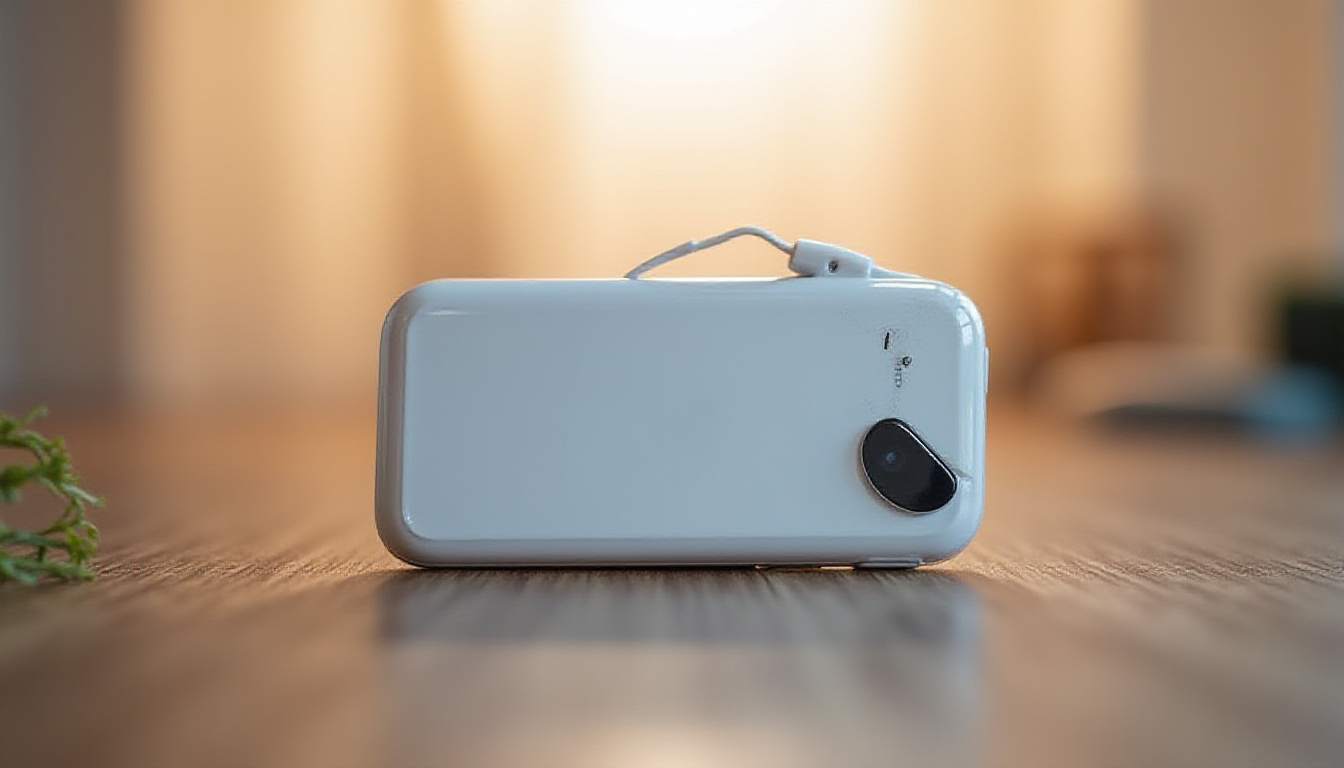
Xiaomi has a habit of releasing phones that look suspiciously familiar. Last year, after Apple dropped the iPhone 17 Pro and Pro Max, Xiaomi responded with their own 17 Pro and Pro Max — deliberately skipping the number 16 so the names would align. This year, they have gone further. The Xiaomi 18 Fold is a direct, unapologetic challenge to Apple's foldable, the iPhone Duo. Same height to within a tenth of a millimetre. Same 1.4:1 aspect ratio. Same horizontal camera array. Same general aesthetic direction.
But mimicking Apple's design language is one thing. Delivering a better phone is another. Having tested both devices extensively, here is an honest, structured breakdown of where the Xiaomi 18 Fold wins, where it falls short, and whether it represents better value for budget-conscious buyers who want a foldable without the Apple premium.
Xiaomi 18 Fold vs iPhone Duo: Spec Comparison
| Feature | Xiaomi 18 Fold | iPhone Duo |
|---|---|---|
| Cover Display | 5.4 in | 5.4 in |
| Inner Display | 7.6 in | 7.6 in |
| Aspect Ratio | 1.4:1 | 1.4:1 |
| Thickness (unfolded) | 5.02 mm | 5.2 mm |
| Thickness (folded) | 10.7 mm | 11.3 mm |
| Weight | 219 g | 254 g |
| Battery | 6,000 mAh (silicon carbon) | ~4,700 mAh |
| Charging Speed | 67W | 60W (effectively ~40W sustained) |
| Display Brightness | 4,000 nits | 3,000 nits |
| Main Camera | 200 MP | 48 MP |
| Ultrawide | 50 MP | 48 MP |
| Telephoto | 50 MP, 3.5× optical | Varies by model |
| SIM Support | Dual physical SIM | eSIM only |
| IR Blaster | Yes | No |
| Frame Material | Aluminium | Titanium |
| Starting Price | ~$1,640 | ~$2,000 |
On paper, this is a one-sided contest. The Xiaomi 18 Fold outguns the iPhone Duo in almost every quantifiable category. But numbers on a spec sheet and numbers in real life are two very different things.
Hardware: Where Xiaomi 18 Fold Genuinely Wins
Let's give credit where it is due. The Xiaomi 18 Fold's hardware advantages are real, measurable, and meaningful — not just marketing noise.
Weight is the most immediately noticeable. At 219 g, the Xiaomi 18 Fold is among the lightest foldables released this year. The iPhone Duo, at 254 g, is the heaviest. That 35 g gap does not sound like much, but hold either phone for an hour of reading, scrolling, or watching video and the difference becomes visceral. Foldables are already pushing the limits of comfortable one-handed use; every gram matters.
Battery life is another genuine category win. A 6,000 mAh silicon carbon cell is remarkable in a device this thin — it beats every iPhone, every Galaxy flagship, and every Pixel, including devices that do not need to fold in half. In real-world usage, this translates to the longest-lasting foldable tested to date. Combine that with 67W charging (versus Apple's advertised 60W, which in practice functions closer to a sustained 40W with brief peaks) and you have a meaningful daily usability advantage.
Display brightness at 4,000 nits versus 3,000 nits matters if you regularly use your phone outdoors. In direct sunlight, the Xiaomi's panels are noticeably more legible.
The third camera is a big deal that foldable buyers should not overlook. Most passport-sized foldables — including previous Xiaomi models — sacrifice the telephoto lens to keep the device slim. The Xiaomi 18 Fold includes a 50 MP telephoto with 3.5× optical zoom. That is a full camera system, not a trimmed-down compromise. The 200 MP main sensor also enables genuinely high-resolution captures when conditions are right.
Value is unambiguous. At roughly $1,640 versus the iPhone Duo's $2,000, the Xiaomi 18 Fold costs about 18% less for what is, on paper, a more capable device. For a budget-conscious buyer, that gap is hard to ignore.
Software: Apple's Quiet Moat
This is where the Xiaomi 18 Fold's story gets complicated.
Xiaomi's HyperOS deserves recognition for its multitasking ambition. Running eight applications simultaneously — six in split-screen, two in floating windows — while the system keeps pace without stuttering is an impressive technical achievement. The ability to group apps, swipe between them, and resize windows individually puts Apple's two-app multitasking limit in a very unflattering light.
But multitasking ceiling is not the same thing as software quality. And this is where Apple's real advantage lives.
Apple spent considerable engineering time redesigning the iPhone Duo's interface from the ground up — relocating the dock, compressing status icons, repositioning search for single-thumb access. Every pre-installed app was rebuilt to intelligently use the unusual screen shape. The result is a phone that feels like the software and hardware were designed together in the same room, because they were.
The Xiaomi 18 Fold, by contrast, shows signs of a smartphone OS stretched into a foldable body and declared fit for purpose. The evidence accumulates quickly:
- Xiaomi's own camera app displays uneven black bars on the foldable display.
- The built-in weather app renders numbers at low resolution on the inner screen, having simply scaled up a phone-optimised layout.
- YouTube splits poorly. Netflix UI breaks on rotation. Pokémon Champions places menu buttons behind the selfie camera.
- Even the Google Play Store exhibits random text jumps and uncharacteristic lag.
- Side margins on the inner screen are frequently wasted — blank space where a thoughtfully designed interface would place something useful.
This is not a minor inconvenience. It is the day-to-day experience of using the phone. App optimisation will improve with updates, and that is a reasonable counterargument. But it is worth being clear: at launch, the software polish gap between these two devices is significant.
Performance and Thermals: A Real Concern
Xiaomi has developed their own custom chip for the 18 Fold — only their second proprietary silicon effort — with bold claims: 60% faster CPU, 85% faster GPU, and 64% lower power draw versus their first chip. They have also equipped the top storage variant with LPDDR6 RAM, a first for any smartphone.
In casual and moderate use, performance is smooth. Gaming sessions up to 30 minutes are fine. The problem emerges under sustained load.
When pushed through a standardised 3D Mark stress test, the Xiaomi 18 Fold did not merely throttle — it overheated and force-closed the benchmark before the 10-minute mark. Repeated twice, with identical results. Thermal imaging reveals the issue clearly: heat concentrates intensely around the chip but does not redistribute across the phone's body, pointing to inadequate thermal management design.
This matters beyond benchmark performance. Poor heat redistribution is a longevity risk. Sustained high temperatures accelerate battery degradation, can affect display longevity, and contribute to component wear over a multi-year ownership period. For a phone positioned as a premium purchase, this is a meaningful engineering shortcoming.
The aluminium frame compounds the concern. Aluminium dissipates heat better than titanium in some respects — but it also scratches, dents, and wears more visibly. Expect the Xiaomi 18 Fold to show its age more quickly than a titanium-framed iPhone.
Camera Quality: Beyond the Megapixel Count
The 200 MP headline is eye-catching. The reality is more nuanced.
Sensor size — not megapixel count — is the primary determinant of image quality. The Xiaomi 18 Fold's main camera sensor is the same physical size as a base iPhone 17's camera. Given that the iPhone 17's camera is an entry-level Apple shooter, that context matters. Output quality from the Xiaomi's main camera is noticeably behind the iPhone Duo in side-by-side comparisons, particularly in dynamic range and colour accuracy.
The ultrawide camera is the weakest link. Grain is visible even in well-lit environments — an indicator of a small, underperforming sensor. Video quality from the ultrawide is a step below what you would expect at this price point.
The telephoto is a genuine asset, and the 3.5× optical zoom delivers usable, clean results. But the camera system as a whole is uneven, which is the opposite of what a coherent flagship experience should feel like.
Pros and Cons
Pros
- Significantly lighter than the iPhone Duo (219 g vs 254 g)
- Industry-leading 6,000 mAh silicon carbon battery with superior real-world stamina
- Faster real-world charging (67W vs effectively ~40W sustained on iPhone)
- Brighter display: 4,000 nits vs 3,000 nits
- Three-camera system including telephoto — rare in this form factor
- Dual physical SIM support
- IR blaster included
- Impressive multitasking ceiling in software
- $360 cheaper than the iPhone Duo at launch
- Ships with charger, cable, and protective case
Cons
- Serious thermal management issues under sustained load
- Software optimisation is inconsistent across first and third-party apps
- Main camera underperforms relative to sensor size and megapixel count
- Ultrawide camera quality is below flagship standard
- Aluminium frame less durable and scratchable vs titanium
- Hinge quality and sound noticeably below Samsung and Apple standards
- No stylus support
- No nano-texture display option
- Speakers are harsh and fatiguing at higher volumes
- Software experience lacks the hardware-software integration depth of iOS
Free Weekly Newsletter
Enjoying this guide?
Get the best articles like this one delivered to your inbox every week. No spam.
Verdict: Is the Xiaomi 18 Fold Worth Buying?
The Xiaomi 18 Fold is an impressive hardware achievement for the price. If you are a specs-first buyer who prioritises battery life, display brightness, weight, and camera versatility over long-term software refinement and build quality, it delivers real value at $1,640.
But it is not a better phone than the iPhone Duo. It is a more ambitious phone — and ambition without execution creates trade-offs. The thermal issues are a genuine long-term risk. The software experience requires patience and tolerance for inconsistency. The camera system is uneven. The build will show wear faster.
For buyers who live outside Apple's ecosystem and are willing to accept these caveats in exchange for better battery life, lower price, and a three-camera setup, the Xiaomi 18 Fold is a compelling option — particularly as software updates address the optimisation gaps over time. For everyone else, the iPhone Duo's tighter integration justifies the premium.
Overall Rating: 7.0 / 10
Bottom line: The Xiaomi 18 Fold wins the spec sheet decisively. It does not yet win the experience.
Where to Buy
Frequently Asked Questions
Is the Xiaomi 18 Fold cheaper than the iPhone Duo?
Yes. The Xiaomi 18 Fold starts at approximately $1,640, compared to the iPhone Duo's $2,000 starting price — a saving of around $360. However, availability outside China at launch is limited, and import costs or regional pricing may affect the final price you pay.
Who should buy the Xiaomi 18 Fold instead of the iPhone Duo?
The Xiaomi 18 Fold suits Android users who prioritise battery life, display brightness, and camera versatility — particularly the telephoto lens — and who are willing to tolerate software inconsistencies that updates will likely improve over time. It is also the better pick for anyone who needs dual physical SIM support or wants a significantly lighter foldable.
Who should NOT buy the Xiaomi 18 Fold?
Avoid the Xiaomi 18 Fold if you rely on your phone heavily for sustained gaming or processor-intensive tasks, given the documented thermal issues. Also avoid it if you are already in the Apple ecosystem, value premium build durability, or expect a polished software experience across all apps from day one.
How does the Xiaomi 18 Fold compare to the Samsung Galaxy Z Fold?
The Xiaomi 18 Fold competes directly with Samsung's flagship foldable range. The Xiaomi is lighter, has a larger battery, and costs less. However, Samsung's One UI has had more time to mature for foldable-specific use, the Z Fold's hinge mechanism is more refined, and Samsung's global software support infrastructure is more established. The Xiaomi edges it on raw hardware value; Samsung edges it on reliability and software polish.
Will the Xiaomi 18 Fold get software updates to fix optimisation issues?
Xiaomi has committed to regular HyperOS updates, and app optimisation for foldable displays tends to improve significantly in the months following launch as developers update their apps and the manufacturer pushes system-level refinements. That said, deep hardware-software integration — the kind Apple delivers — is not something a software update can fully replicate. Expect improvement; do not expect parity with iOS.
Does the Xiaomi 18 Fold support wireless charging?
The transcript does not confirm wireless charging support. Buyers should verify this specification before purchase, as wireless charging capabilities vary across Xiaomi's regional product variants.
Xiaomi 18 Fold vs iPhone Duo
Considering it? See where the price stands today
Frequently Asked Questions
Xiaomi 18 Fold vs iPhone Duo: Spec Comparison
| Feature | Xiaomi 18 Fold | iPhone Duo |
|---|---|---|
| Cover Display | 5.4 in | 5.4 in |
| Inner Display | 7.6 in | 7.6 in |
| Aspect Ratio | 1.4:1 | 1.4:1 |
| Thickness (unfolded) | 5.02 mm | 5.2 mm |
| Thickness (folded) | 10.7 mm | 11.3 mm |
| Weight | 219 g | 254 g |
| Battery | 6,000 mAh (silicon carbon) | ~4,700 mAh |
| Charging Speed | 67W | 60W (effectively ~40W sustained) |
| Display Brightness | 4,000 nits | 3,000 nits |
| Main Camera | 200 MP | 48 MP |
| Ultrawide | 50 MP | 48 MP |
| Telephoto | 50 MP, 3.5× optical | Varies by model |
| SIM Support | Dual physical SIM | eSIM only |
| IR Blaster | Yes | No |
| Frame Material | Aluminium | Titanium |
| Starting Price | ~$1,640 | ~$2,000 |
On paper, this is a one-sided contest. The Xiaomi 18 Fold outguns the iPhone Duo in almost every quantifiable category. But numbers on a spec sheet and numbers in real life are two very different things.
Hardware: Where Xiaomi 18 Fold Genuinely Wins
Let's give credit where it is due. The Xiaomi 18 Fold's hardware advantages are real, measurable, and meaningful — not just marketing noise.
Weight is the most immediately noticeable. At 219 g, the Xiaomi 18 Fold is among the lightest foldables released this year. The iPhone Duo, at 254 g, is the heaviest. That 35 g gap does not sound like much, but hold either phone for an hour of reading, scrolling, or watching video and the difference becomes visceral. Foldables are already pushing the limits of comfortable one-handed use; every gram matters.
Battery life is another genuine category win. A 6,000 mAh silicon carbon cell is remarkable in a device this thin — it beats every iPhone, every Galaxy flagship, and every Pixel, including devices that do not need to fold in half. In real-world usage, this translates to the longest-lasting foldable tested to date. Combine that with 67W charging (versus Apple's advertised 60W, which in practice functions closer to a sustained 40W with brief peaks) and you have a meaningful daily usability advantage.
Display brightness at 4,000 nits versus 3,000 nits matters if you regularly use your phone outdoors. In direct sunlight, the Xiaomi's panels are noticeably more legible.
The third camera is a big deal that foldable buyers should not overlook. Most passport-sized foldables — including previous Xiaomi models — sacrifice the telephoto lens to keep the device slim. The Xiaomi 18 Fold includes a 50 MP telephoto with 3.5× optical zoom. That is a full camera system, not a trimmed-down compromise. The 200 MP main sensor also enables genuinely high-resolution captures when conditions are right.
Value is unambiguous. At roughly $1,640 versus the iPhone Duo's $2,000, the Xiaomi 18 Fold costs about 18% less for what is, on paper, a more capable device. For a budget-conscious buyer, that gap is hard to ignore.
Software: Apple's Quiet Moat
This is where the Xiaomi 18 Fold's story gets complicated.
Xiaomi's HyperOS deserves recognition for its multitasking ambition. Running eight applications simultaneously — six in split-screen, two in floating windows — while the system keeps pace without stuttering is an impressive technical achievement. The ability to group apps, swipe between them, and resize windows individually puts Apple's two-app multitasking limit in a very unflattering light.
But multitasking ceiling is not the same thing as software quality. And this is where Apple's real advantage lives.
Apple spent considerable engineering time redesigning the iPhone Duo's interface from the ground up — relocating the dock, compressing status icons, repositioning search for single-thumb access. Every pre-installed app was rebuilt to intelligently use the unusual screen shape. The result is a phone that feels like the software and hardware were designed together in the same room, because they were.
The Xiaomi 18 Fold, by contrast, shows signs of a smartphone OS stretched into a foldable body and declared fit for purpose. The evidence accumulates quickly:
- Xiaomi's own camera app displays uneven black bars on the foldable display.
- The built-in weather app renders numbers at low resolution on the inner screen, having simply scaled up a phone-optimised layout.
- YouTube splits poorly. Netflix UI breaks on rotation. Pokémon Champions places menu buttons behind the selfie camera.
- Even the Google Play Store exhibits random text jumps and uncharacteristic lag.
- Side margins on the inner screen are frequently wasted — blank space where a thoughtfully designed interface would place something useful.
This is not a minor inconvenience. It is the day-to-day experience of using the phone. App optimisation will improve with updates, and that is a reasonable counterargument. But it is worth being clear: at launch, the software polish gap between these two devices is significant.
Performance and Thermals: A Real Concern
Xiaomi has developed their own custom chip for the 18 Fold — only their second proprietary silicon effort — with bold claims: 60% faster CPU, 85% faster GPU, and 64% lower power draw versus their first chip. They have also equipped the top storage variant with LPDDR6 RAM, a first for any smartphone.
In casual and moderate use, performance is smooth. Gaming sessions up to 30 minutes are fine. The problem emerges under sustained load.
When pushed through a standardised 3D Mark stress test, the Xiaomi 18 Fold did not merely throttle — it overheated and force-closed the benchmark before the 10-minute mark. Repeated twice, with identical results. Thermal imaging reveals the issue clearly: heat concentrates intensely around the chip but does not redistribute across the phone's body, pointing to inadequate thermal management design.
This matters beyond benchmark performance. Poor heat redistribution is a longevity risk. Sustained high temperatures accelerate battery degradation, can affect display longevity, and contribute to component wear over a multi-year ownership period. For a phone positioned as a premium purchase, this is a meaningful engineering shortcoming.
The aluminium frame compounds the concern. Aluminium dissipates heat better than titanium in some respects — but it also scratches, dents, and wears more visibly. Expect the Xiaomi 18 Fold to show its age more quickly than a titanium-framed iPhone.
Camera Quality: Beyond the Megapixel Count
The 200 MP headline is eye-catching. The reality is more nuanced.
Sensor size — not megapixel count — is the primary determinant of image quality. The Xiaomi 18 Fold's main camera sensor is the same physical size as a base iPhone 17's camera. Given that the iPhone 17's camera is an entry-level Apple shooter, that context matters. Output quality from the Xiaomi's main camera is noticeably behind the iPhone Duo in side-by-side comparisons, particularly in dynamic range and colour accuracy.
The ultrawide camera is the weakest link. Grain is visible even in well-lit environments — an indicator of a small, underperforming sensor. Video quality from the ultrawide is a step below what you would expect at this price point.
The telephoto is a genuine asset, and the 3.5× optical zoom delivers usable, clean results. But the camera system as a whole is uneven, which is the opposite of what a coherent flagship experience should feel like.
Pros and Cons
Pros
- Significantly lighter than the iPhone Duo (219 g vs 254 g)
- Industry-leading 6,000 mAh silicon carbon battery with superior real-world stamina
- Faster real-world charging (67W vs effectively ~40W sustained on iPhone)
- Brighter display: 4,000 nits vs 3,000 nits
- Three-camera system including telephoto — rare in this form factor
- Dual physical SIM support
- IR blaster included
- Impressive multitasking ceiling in software
- $360 cheaper than the iPhone Duo at launch
- Ships with charger, cable, and protective case
Cons
- Serious thermal management issues under sustained load
- Software optimisation is inconsistent across first and third-party apps
- Main camera underperforms relative to sensor size and megapixel count
- Ultrawide camera quality is below flagship standard
- Aluminium frame less durable and scratchable vs titanium
- Hinge quality and sound noticeably below Samsung and Apple standards
- No stylus support
- No nano-texture display option
- Speakers are harsh and fatiguing at higher volumes
- Software experience lacks the hardware-software integration depth of iOS
Verdict: Is the Xiaomi 18 Fold Worth Buying?
The Xiaomi 18 Fold is an impressive hardware achievement for the price. If you are a specs-first buyer who prioritises battery life, display brightness, weight, and camera versatility over long-term software refinement and build quality, it delivers real value at $1,640.
But it is not a better phone than the iPhone Duo. It is a more ambitious phone — and ambition without execution creates trade-offs. The thermal issues are a genuine long-term risk. The software experience requires patience and tolerance for inconsistency. The camera system is uneven. The build will show wear faster.
For buyers who live outside Apple's ecosystem and are willing to accept these caveats in exchange for better battery life, lower price, and a three-camera setup, the Xiaomi 18 Fold is a compelling option — particularly as software updates address the optimisation gaps over time. For everyone else, the iPhone Duo's tighter integration justifies the premium.
Overall Rating: 7.0 / 10
Bottom line: The Xiaomi 18 Fold wins the spec sheet decisively. It does not yet win the experience.
Where to Buy
Frequently Asked Questions
Is the Xiaomi 18 Fold cheaper than the iPhone Duo?
Yes. The Xiaomi 18 Fold starts at approximately $1,640, compared to the iPhone Duo's $2,000 starting price — a saving of around $360. However, availability outside China at launch is limited, and import costs or regional pricing may affect the final price you pay.
Who should buy the Xiaomi 18 Fold instead of the iPhone Duo?
The Xiaomi 18 Fold suits Android users who prioritise battery life, display brightness, and camera versatility — particularly the telephoto lens — and who are willing to tolerate software inconsistencies that updates will likely improve over time. It is also the better pick for anyone who needs dual physical SIM support or wants a significantly lighter foldable.
Who should NOT buy the Xiaomi 18 Fold?
Avoid the Xiaomi 18 Fold if you rely on your phone heavily for sustained gaming or processor-intensive tasks, given the documented thermal issues. Also avoid it if you are already in the Apple ecosystem, value premium build durability, or expect a polished software experience across all apps from day one.
How does the Xiaomi 18 Fold compare to the Samsung Galaxy Z Fold?
The Xiaomi 18 Fold competes directly with Samsung's flagship foldable range. The Xiaomi is lighter, has a larger battery, and costs less. However, Samsung's One UI has had more time to mature for foldable-specific use, the Z Fold's hinge mechanism is more refined, and Samsung's global software support infrastructure is more established. The Xiaomi edges it on raw hardware value; Samsung edges it on reliability and software polish.
Will the Xiaomi 18 Fold get software updates to fix optimisation issues?
Xiaomi has committed to regular HyperOS updates, and app optimisation for foldable displays tends to improve significantly in the months following launch as developers update their apps and the manufacturer pushes system-level refinements. That said, deep hardware-software integration — the kind Apple delivers — is not something a software update can fully replicate. Expect improvement; do not expect parity with iOS.
Does the Xiaomi 18 Fold support wireless charging?
The transcript does not confirm wireless charging support. Buyers should verify this specification before purchase, as wireless charging capabilities vary across Xiaomi's regional product variants.
Xiaomi 18 Fold vs iPhone Duo
Ready to decide? Compare the current price before you buy
About Zeebrain Editorial
Zeebrain publishes independent analysis of markets, investing, personal finance, and business. We disclose affiliate relationships, never accept payment for coverage, and fact-check all claims against primary sources. Read our editorial policy →
How this article was produced: Zeebrain articles are created with AI assistance from primary sources (including cited videos and market data) and reviewed under our editorial standards before publication. Spot an error? Tell us and we will correct it.
Disclaimer: Content on Zeebrain is for informational and educational purposes only and does not constitute financial advice or a recommendation to buy or sell any security. Always conduct your own research and consult a qualified financial adviser before making investment decisions. Past performance is not indicative of future results.
More from Review




Related Guides
Keep exploring this topic
Oppo Find N6 Review: Peak Foldable, Tested
Review · Oppo Find N6 · foldable phones
Oppo Find N6 Review: The Foldable That Solved the Crease
Review · Oppo Find N6 · foldable phones
iPhone 18 Pro & Duo Review: Should You Upgrade?
Review · iPhone 18 Pro · iPhone Duo
Chewy Dog Food Review: Is It Worth the Hype in 2025?
Review
Explore More Categories
Keep browsing by topic and build depth around the subjects you care about most.