Why Medellín, Colombia Should Be Your Next Trip
Quick Summary
Discover why Medellín, Colombia is one of the world's top travel destinations. From Comuna 13 to rooftop bars, here's your perfect 5-day guide.
In This Article
Medellín Is Not the City You Think You Know
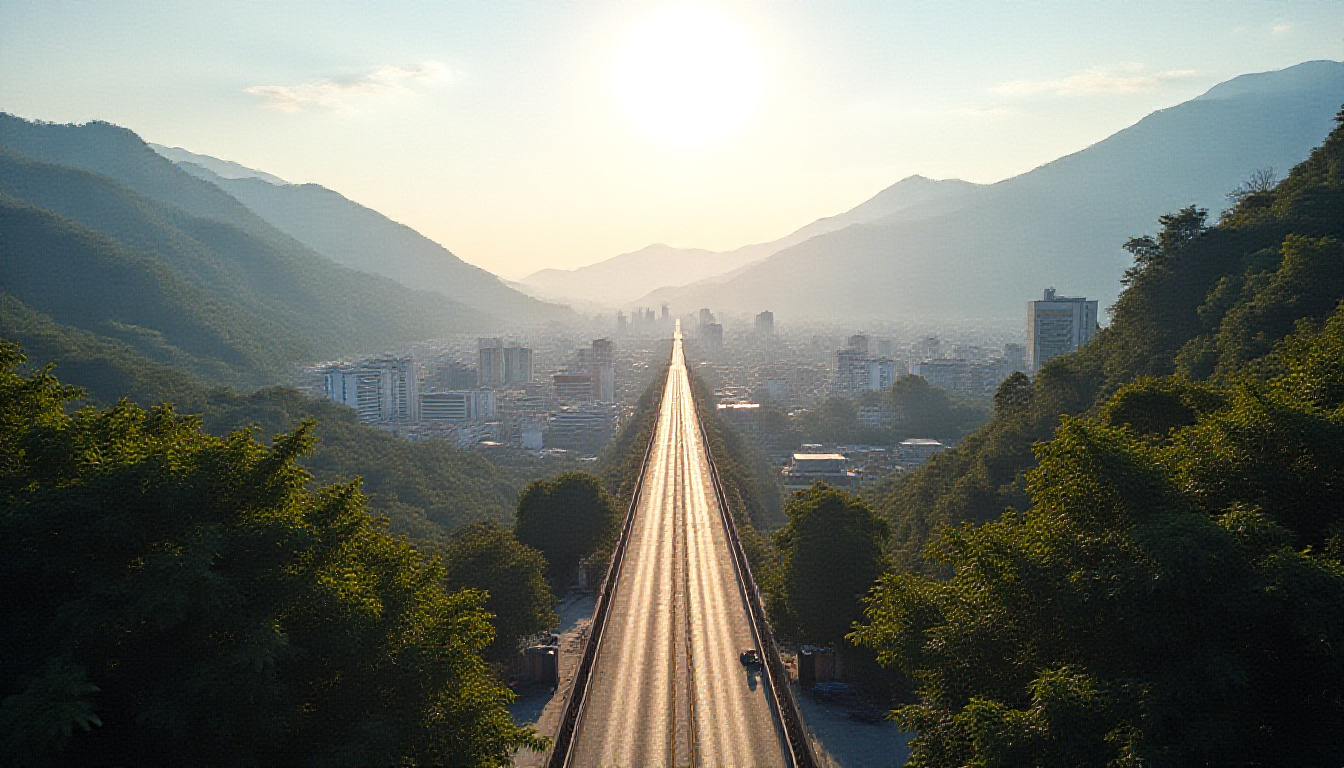
Let me be honest with you: when I booked my flight to Medellín, Colombia, a small voice in my head still whispered the old warnings. Narcos. Escobar. Danger. It's the cultural hangover that decades of headlines and a very popular Netflix series left behind. But here's what nobody tells you until you actually land — that Medellín has rewritten itself so thoroughly, so passionately, that clinging to that old story starts to feel almost embarrassing within your first 24 hours in the city.
The air is warm and alive. The streets pulse with cumbia rhythms drifting out of open doorways. Strangers greet you with a warmth that feels less like tourism-industry hospitality and more like genuine human pride. This is what Medellín is now. And if you're looking for one of the most layered, surprising, and flat-out joyful travel experiences on the planet, you've found it. Here's everything you need to know to do it right.
Where to Stay and How to Get Around Medellín
Most first-time visitors default to El Poblado, Medellín's most polished and tourist-heavy neighbourhood, and honestly, it's not a bad choice. It's green, walkable, and loaded with restaurants, rooftop bars, and boutique shops. But staying slightly closer to the city centre — somewhere near the San Diego or Laureles areas — gives you a genuine advantage. You're a short walk from the metro, a quick ride from El Poblado, and positioned to actually explore the whole city rather than a manicured bubble of it.
That metro, by the way, is a point of serious civic pride in Medellín, and rightly so. It's Colombia's only metro system, and it is immaculate. I mean that literally — locals maintain an almost ceremonial respect for the carriages; you'll rarely see litter or graffiti. The network connects the city's main corridors north to south and branches outward via trams and cable cars that climb into the hillside comunas. Pick up a reusable metro card at any station kiosk (bring cash — credit cards aren't accepted), load it up, and ride for around 2,880 Colombian pesos per journey. It's one of the best-value urban transit systems I've used anywhere in the world, and infinitely smarter than sitting in Medellín's notoriously gridlocked traffic.
If you're travelling between neighbourhoods after dark or heading somewhere the metro doesn't easily reach, ride-share apps work well here and are generally affordable by international standards.
Start With a Walking History Tour of El Centro
Before you hit a single rooftop bar or Instagram-famous staircase, do yourself a favour and book a walking history tour of Medellín's historic centre. This is the oldest part of the city — founded in 1616 by Spanish conquistadors on land that had been home to indigenous Andean peoples for centuries — and it remains one of its most kinetic. The streets are dense with vendors, schoolchildren, business workers, and street food smoke, and the buildings carry the residue of every era the city has lived through.
The Palacio Nacional is a favourite stop on most tours: a gorgeous ornate structure that once housed political and judicial offices and now contains a warren of clothing shops alongside art galleries on the upper floors, which are free and open to the public. Nearby, the Dutch-designed Palacio de la Cultura anchors Plaza Botero, where the famous Fernando Botero sculptures sit in the open air — plump, playful, and deeply beloved by locals.
But what makes a guided tour essential isn't the architecture. It's the context. Medellín's history is far more complex than most foreigners realise. The coffee boom of the early 1900s. The rapid industrialisation. The devastating decades of narco-violence in the 1980s and 90s, when the city recorded more than 380 murders per 100,000 residents — the highest rate anywhere on earth at the time. And then, remarkably, the reinvention. Understanding that arc doesn't dampen the joy of being here; it deepens it immeasurably.
Comuna 13: The World's Most Remarkable Urban Transformation
If there's one place in Medellín that crystallises everything the city has survived and become, it's Comuna 13. And yes, it's on every tourist itinerary. Go anyway.
In the 1950s and 60s, this hillside barrio grew rapidly as an informal settlement for the city's poorest families — no running water, no sewage, no electricity for decades. By the 1980s, guerrilla and paramilitary groups had turned it into one of the most dangerous neighbourhoods on the planet. An estimated 1,500 residents were killed during the peak years of violence, with many more disappeared. People didn't leave their homes. The sound of gunfire was ordinary.
In 2002, the Colombian government launched military operations to reclaim the neighbourhood. It took two more years before armed groups were fully pushed out. What followed was one of the most ambitious urban renewal projects in Latin American history — not just security, but investment. Schools, housing, public utilities, and the now-iconic outdoor escalators that connect the steep hillside streets to the city below. The escalators aren't just infrastructure; they're a statement. You matter. You're part of this city.
Today, Comuna 13 is electric. Colourful murals cover almost every surface, narrating the neighbourhood's history in vivid panels of grief and defiance and hope. Street dancers perform with a skill and confidence that stops you mid-step. Local artists sell work from small galleries tucked into converted homes. On the street you'll find cremas — frozen fruit popsicles made with milk, flavours like maracuyá and mango that taste absurdly good in the afternoon heat — alongside empanadas and butifarra sausage served with aji, the punchy Colombian condiment of tomato, onion, and garlic that improves absolutely everything.
Is it touristy? Yes. Does that diminish it? Not even slightly. There is something genuinely moving about standing in a place that refused to disappear.
Eat and Drink Your Way Through Medellín's Rising Food Scene
Medellín doesn't yet have the global culinary reputation of Bogotá or Cartagena, but that's changing fast — and being here right now, while the scene is still finding its footing, feels like a genuine privilege.
Start with street breakfast. Arepas are available at almost every corner stand from dawn, stuffed with cheese or topped with chorizo — a distinctly Colombian chorizo with its own spice profile, earthier and more aromatic than its Mexican or Spanish cousins. Pair one with a tinto, the small, strong black coffee Colombians drink throughout the day, and you're set.
For something more considered, Carmen restaurant is the benchmark. Chef Carmen Angel opened it in 2008 with a clear mission: to use Colombia's staggering biodiversity — its tropical fruits, Andean tubers, coastal seafood, heirloom grains — as the foundation of genuinely world-class cuisine. Dishes like house-made prawn and mussel chorizo with Andean corn fritters, or 12-hour pork belly served with local tamarind and fermented miso, feel like love letters to the country's larder. Carmen's bar has been ranked among the world's 50 best, and the accolade is earned.
For rooftop cocktails at sunset, Nau Frago in El Poblado serves beautifully constructed drinks in custom-designed vessels, with herbs from each cocktail's ingredients placed at the rim so your nose gets the full picture before the first sip. For something more elevated, Mamba Negra — ranked 81st on the World's 50 Best Bars list — sits 22 floors above the city with views that will make you forget what you were drinking. Book the Mamba Lab tasting experience: eight mini cocktails, all built from Colombian-sourced ingredients, each one more surprising than the last.
For dinner, Casa El Cielo in El Poblado delivers. It's set inside the oldest house in the neighbourhood and doubles as a listening room — dim lighting, curated music, approachable small plates of modern Colombian cooking. The tuna ceviche in coconut milk and leche de tigre is the kind of dish you describe to people when you get home. And Sembonbi Bistro, where young chef Yojan Zarate changes the menu weekly based on what local producers are bringing in, represents exactly the kind of careful, ingredient-led cooking that makes a city's food scene worth paying attention to.
Go to a Football Match — Trust Me on This
I am not a sports person. I want to be upfront about that. I know the rules of football well enough not to embarrass myself, but I don't have a team, I don't track league tables, and I've never described myself as a fan. And the evening I spent watching Atlético Nacional play at Estadio Atanasio Girardot was one of the most thrilling nights of my entire trip.
Football in Colombia is not a sport. It is a communal ritual, a release, a religion. The stadium holds 45,000 people, and on match nights — especially rivalry matches — it fills to near capacity with supporters who sing, chant, jump, and hurl extraordinarily creative Spanish profanity at the opposition for ninety straight minutes without pausing for breath. The energy begins well before kick-off with la previa, the pre-match gathering where aguardiente — Colombia's anise-flavoured sugarcane spirit — flows freely.
Free Weekly Newsletter
Enjoying this guide?
Get the best articles like this one delivered to your inbox every week. No spam.
If you're visiting for the first time, booking a guided tour that includes transportation, tickets, and a local guide to walk you through the rituals is genuinely worth it. The logistics are simpler, the context is richer, and frankly, showing up alone to a 40,000-person rivalry match without knowing a single chant is an experience best approached with a group. Our team lost, rather emphatically, and I still went back to the hotel grinning.
Plan Your Medellín Trip: Practical Notes
Five days in Medellín is enough to cover the highlights without feeling rushed, though a week gives you room to breathe and wander properly. The city sits at around 1,500 metres elevation, which keeps temperatures reliably pleasant — typically between 17°C and 28°C year-round. Medellín earned its nickname La Ciudad de la Eterna Primavera (The City of Eternal Spring) honestly.
Spanish is essential here to a degree you might not experience in more tourist-saturated Latin American cities. El Poblado is the exception — English is widely spoken there — but venture beyond it and a phrasebook or translation app becomes your best friend. Locals respond with warmth the moment you make even a modest effort with the language.
Regarding safety: Medellín's transformation is real and significant, but the city is not without its challenges. Stick to well-trafficked areas after dark, use reputable transport, don't flash expensive equipment, and follow local guidance. The vast majority of visitors have entirely positive experiences, but complacency anywhere is a poor idea.
What you will find, overwhelmingly and consistently, is a city of extraordinary resilience — one that has every reason to be bitter and has chosen, collectively, to be joyful instead. That choice is visible in the murals, audible in the music, and tangible in the food and the people and the improbably good coffee. Medellín earns its place on every best-destinations list it appears on. Go and see for yourself.
Frequently Asked Questions
Is Medellín, Colombia safe for tourists in 2024?
Medellín has undergone a dramatic transformation since the violence of the 1980s and 90s and is now considered safe for tourists in its main neighbourhoods, including El Poblado, Laureles, and El Centro. Standard travel precautions apply — avoid isolated areas after dark, use reputable transport apps, and keep valuables discreet. The city receives millions of visitors annually with the overwhelming majority reporting positive, trouble-free experiences.
What is the best neighbourhood to stay in Medellín?
El Poblado is the most popular choice for first-time visitors thanks to its restaurants, bars, and walkability, though it is pricier than other areas. Laureles offers a more local atmosphere with excellent food and bar options at lower prices. Staying near El Centro or the San Diego area provides central access to the metro and proximity to historical sites, making it easier to explore the entire city.
How do I get around Medellín on a budget?
Medellín's metro system is the most efficient and affordable way to travel through the city, costing around 2,880 Colombian pesos per ride. The network includes trains, trams, and cable cars that connect neighbourhoods including the hillside comunas. Purchase a reusable metro card at any station kiosk using cash. For areas not covered by the metro, ride-share apps are widely available and inexpensive by international standards.
What should I eat in Medellín?
Start with street food staples like arepas (grilled corn cakes filled with cheese or topped with chorizo), empanadas, and butifarra sausage served with aji salsa. For a sit-down meal, Carmen restaurant is the gold standard for modern Colombian fine dining. Sembonbi Bistro offers exceptional seasonal cooking from a young chef working with local producers. Don't leave without trying aguardiente, the local anise-flavoured spirit, ideally at la previa before a football match.
Do I need to speak Spanish to visit Medellín?
English is spoken in tourist-heavy areas like El Poblado, particularly in restaurants and hotels catering to international visitors. However, venturing beyond those areas without any Spanish is challenging. Learning basic phrases — greetings, numbers, food and transport vocabulary — will significantly enrich your experience and is genuinely appreciated by locals. A translation app is a practical backup for more complex conversations.
Free Investing Tools
Frequently Asked Questions
Medellín Is Not the City You Think You Know
Let me be honest with you: when I booked my flight to Medellín, Colombia, a small voice in my head still whispered the old warnings. Narcos. Escobar. Danger. It's the cultural hangover that decades of headlines and a very popular Netflix series left behind. But here's what nobody tells you until you actually land — that Medellín has rewritten itself so thoroughly, so passionately, that clinging to that old story starts to feel almost embarrassing within your first 24 hours in the city.
The air is warm and alive. The streets pulse with cumbia rhythms drifting out of open doorways. Strangers greet you with a warmth that feels less like tourism-industry hospitality and more like genuine human pride. This is what Medellín is now. And if you're looking for one of the most layered, surprising, and flat-out joyful travel experiences on the planet, you've found it. Here's everything you need to know to do it right.
Where to Stay and How to Get Around Medellín
Most first-time visitors default to El Poblado, Medellín's most polished and tourist-heavy neighbourhood, and honestly, it's not a bad choice. It's green, walkable, and loaded with restaurants, rooftop bars, and boutique shops. But staying slightly closer to the city centre — somewhere near the San Diego or Laureles areas — gives you a genuine advantage. You're a short walk from the metro, a quick ride from El Poblado, and positioned to actually explore the whole city rather than a manicured bubble of it.
That metro, by the way, is a point of serious civic pride in Medellín, and rightly so. It's Colombia's only metro system, and it is immaculate. I mean that literally — locals maintain an almost ceremonial respect for the carriages; you'll rarely see litter or graffiti. The network connects the city's main corridors north to south and branches outward via trams and cable cars that climb into the hillside comunas. Pick up a reusable metro card at any station kiosk (bring cash — credit cards aren't accepted), load it up, and ride for around 2,880 Colombian pesos per journey. It's one of the best-value urban transit systems I've used anywhere in the world, and infinitely smarter than sitting in Medellín's notoriously gridlocked traffic.
If you're travelling between neighbourhoods after dark or heading somewhere the metro doesn't easily reach, ride-share apps work well here and are generally affordable by international standards.
Start With a Walking History Tour of El Centro
Before you hit a single rooftop bar or Instagram-famous staircase, do yourself a favour and book a walking history tour of Medellín's historic centre. This is the oldest part of the city — founded in 1616 by Spanish conquistadors on land that had been home to indigenous Andean peoples for centuries — and it remains one of its most kinetic. The streets are dense with vendors, schoolchildren, business workers, and street food smoke, and the buildings carry the residue of every era the city has lived through.
The Palacio Nacional is a favourite stop on most tours: a gorgeous ornate structure that once housed political and judicial offices and now contains a warren of clothing shops alongside art galleries on the upper floors, which are free and open to the public. Nearby, the Dutch-designed Palacio de la Cultura anchors Plaza Botero, where the famous Fernando Botero sculptures sit in the open air — plump, playful, and deeply beloved by locals.
But what makes a guided tour essential isn't the architecture. It's the context. Medellín's history is far more complex than most foreigners realise. The coffee boom of the early 1900s. The rapid industrialisation. The devastating decades of narco-violence in the 1980s and 90s, when the city recorded more than 380 murders per 100,000 residents — the highest rate anywhere on earth at the time. And then, remarkably, the reinvention. Understanding that arc doesn't dampen the joy of being here; it deepens it immeasurably.
Comuna 13: The World's Most Remarkable Urban Transformation
If there's one place in Medellín that crystallises everything the city has survived and become, it's Comuna 13. And yes, it's on every tourist itinerary. Go anyway.
In the 1950s and 60s, this hillside barrio grew rapidly as an informal settlement for the city's poorest families — no running water, no sewage, no electricity for decades. By the 1980s, guerrilla and paramilitary groups had turned it into one of the most dangerous neighbourhoods on the planet. An estimated 1,500 residents were killed during the peak years of violence, with many more disappeared. People didn't leave their homes. The sound of gunfire was ordinary.
In 2002, the Colombian government launched military operations to reclaim the neighbourhood. It took two more years before armed groups were fully pushed out. What followed was one of the most ambitious urban renewal projects in Latin American history — not just security, but investment. Schools, housing, public utilities, and the now-iconic outdoor escalators that connect the steep hillside streets to the city below. The escalators aren't just infrastructure; they're a statement. You matter. You're part of this city.
Today, Comuna 13 is electric. Colourful murals cover almost every surface, narrating the neighbourhood's history in vivid panels of grief and defiance and hope. Street dancers perform with a skill and confidence that stops you mid-step. Local artists sell work from small galleries tucked into converted homes. On the street you'll find cremas — frozen fruit popsicles made with milk, flavours like maracuyá and mango that taste absurdly good in the afternoon heat — alongside empanadas and butifarra sausage served with aji, the punchy Colombian condiment of tomato, onion, and garlic that improves absolutely everything.
Is it touristy? Yes. Does that diminish it? Not even slightly. There is something genuinely moving about standing in a place that refused to disappear.
Eat and Drink Your Way Through Medellín's Rising Food Scene
Medellín doesn't yet have the global culinary reputation of Bogotá or Cartagena, but that's changing fast — and being here right now, while the scene is still finding its footing, feels like a genuine privilege.
Start with street breakfast. Arepas are available at almost every corner stand from dawn, stuffed with cheese or topped with chorizo — a distinctly Colombian chorizo with its own spice profile, earthier and more aromatic than its Mexican or Spanish cousins. Pair one with a tinto, the small, strong black coffee Colombians drink throughout the day, and you're set.
For something more considered, Carmen restaurant is the benchmark. Chef Carmen Angel opened it in 2008 with a clear mission: to use Colombia's staggering biodiversity — its tropical fruits, Andean tubers, coastal seafood, heirloom grains — as the foundation of genuinely world-class cuisine. Dishes like house-made prawn and mussel chorizo with Andean corn fritters, or 12-hour pork belly served with local tamarind and fermented miso, feel like love letters to the country's larder. Carmen's bar has been ranked among the world's 50 best, and the accolade is earned.
For rooftop cocktails at sunset, Nau Frago in El Poblado serves beautifully constructed drinks in custom-designed vessels, with herbs from each cocktail's ingredients placed at the rim so your nose gets the full picture before the first sip. For something more elevated, Mamba Negra — ranked 81st on the World's 50 Best Bars list — sits 22 floors above the city with views that will make you forget what you were drinking. Book the Mamba Lab tasting experience: eight mini cocktails, all built from Colombian-sourced ingredients, each one more surprising than the last.
For dinner, Casa El Cielo in El Poblado delivers. It's set inside the oldest house in the neighbourhood and doubles as a listening room — dim lighting, curated music, approachable small plates of modern Colombian cooking. The tuna ceviche in coconut milk and leche de tigre is the kind of dish you describe to people when you get home. And Sembonbi Bistro, where young chef Yojan Zarate changes the menu weekly based on what local producers are bringing in, represents exactly the kind of careful, ingredient-led cooking that makes a city's food scene worth paying attention to.
Go to a Football Match — Trust Me on This
I am not a sports person. I want to be upfront about that. I know the rules of football well enough not to embarrass myself, but I don't have a team, I don't track league tables, and I've never described myself as a fan. And the evening I spent watching Atlético Nacional play at Estadio Atanasio Girardot was one of the most thrilling nights of my entire trip.
Football in Colombia is not a sport. It is a communal ritual, a release, a religion. The stadium holds 45,000 people, and on match nights — especially rivalry matches — it fills to near capacity with supporters who sing, chant, jump, and hurl extraordinarily creative Spanish profanity at the opposition for ninety straight minutes without pausing for breath. The energy begins well before kick-off with la previa, the pre-match gathering where aguardiente — Colombia's anise-flavoured sugarcane spirit — flows freely.
If you're visiting for the first time, booking a guided tour that includes transportation, tickets, and a local guide to walk you through the rituals is genuinely worth it. The logistics are simpler, the context is richer, and frankly, showing up alone to a 40,000-person rivalry match without knowing a single chant is an experience best approached with a group. Our team lost, rather emphatically, and I still went back to the hotel grinning.
Plan Your Medellín Trip: Practical Notes
Five days in Medellín is enough to cover the highlights without feeling rushed, though a week gives you room to breathe and wander properly. The city sits at around 1,500 metres elevation, which keeps temperatures reliably pleasant — typically between 17°C and 28°C year-round. Medellín earned its nickname La Ciudad de la Eterna Primavera (The City of Eternal Spring) honestly.
Spanish is essential here to a degree you might not experience in more tourist-saturated Latin American cities. El Poblado is the exception — English is widely spoken there — but venture beyond it and a phrasebook or translation app becomes your best friend. Locals respond with warmth the moment you make even a modest effort with the language.
Regarding safety: Medellín's transformation is real and significant, but the city is not without its challenges. Stick to well-trafficked areas after dark, use reputable transport, don't flash expensive equipment, and follow local guidance. The vast majority of visitors have entirely positive experiences, but complacency anywhere is a poor idea.
What you will find, overwhelmingly and consistently, is a city of extraordinary resilience — one that has every reason to be bitter and has chosen, collectively, to be joyful instead. That choice is visible in the murals, audible in the music, and tangible in the food and the people and the improbably good coffee. Medellín earns its place on every best-destinations list it appears on. Go and see for yourself.
Frequently Asked Questions
Is Medellín, Colombia safe for tourists in 2024?
Medellín has undergone a dramatic transformation since the violence of the 1980s and 90s and is now considered safe for tourists in its main neighbourhoods, including El Poblado, Laureles, and El Centro. Standard travel precautions apply — avoid isolated areas after dark, use reputable transport apps, and keep valuables discreet. The city receives millions of visitors annually with the overwhelming majority reporting positive, trouble-free experiences.
What is the best neighbourhood to stay in Medellín?
El Poblado is the most popular choice for first-time visitors thanks to its restaurants, bars, and walkability, though it is pricier than other areas. Laureles offers a more local atmosphere with excellent food and bar options at lower prices. Staying near El Centro or the San Diego area provides central access to the metro and proximity to historical sites, making it easier to explore the entire city.
How do I get around Medellín on a budget?
Medellín's metro system is the most efficient and affordable way to travel through the city, costing around 2,880 Colombian pesos per ride. The network includes trains, trams, and cable cars that connect neighbourhoods including the hillside comunas. Purchase a reusable metro card at any station kiosk using cash. For areas not covered by the metro, ride-share apps are widely available and inexpensive by international standards.
What should I eat in Medellín?
Start with street food staples like arepas (grilled corn cakes filled with cheese or topped with chorizo), empanadas, and butifarra sausage served with aji salsa. For a sit-down meal, Carmen restaurant is the gold standard for modern Colombian fine dining. Sembonbi Bistro offers exceptional seasonal cooking from a young chef working with local producers. Don't leave without trying aguardiente, the local anise-flavoured spirit, ideally at la previa before a football match.
Do I need to speak Spanish to visit Medellín?
English is spoken in tourist-heavy areas like El Poblado, particularly in restaurants and hotels catering to international visitors. However, venturing beyond those areas without any Spanish is challenging. Learning basic phrases — greetings, numbers, food and transport vocabulary — will significantly enrich your experience and is genuinely appreciated by locals. A translation app is a practical backup for more complex conversations.
About Zeebrain Editorial
Zeebrain publishes independent analysis of markets, investing, personal finance, and business. We disclose affiliate relationships, never accept payment for coverage, and fact-check all claims against primary sources. Read our editorial policy →
How this article was produced: Zeebrain articles are created with AI assistance from primary sources (including cited videos and market data) and reviewed under our editorial standards before publication. Spot an error? Tell us and we will correct it.
More from Travel & Places



Related Guides
Keep exploring this topic
3 Days in Cusco: The Ultimate First-Timer's Travel Guide
Travel & Places · Cusco · Peru travel
3 Days in Lima, Peru: The City Worth Slowing Down For
Travel & Places · Lima · Peru travel
3 Days in Nassau: What Most Visitors Miss in the Bahamas
Travel & Places
2 Days in Budapest in Winter: The Ultimate Travel Guide
Travel & Places
Explore More Categories
Keep browsing by topic and build depth around the subjects you care about most.