Sleep Optimisation: The Science-Backed Daily Toolkit
Quick Summary
Discover the proven daily habits that optimise sleep quality and wakefulness — from morning light exposure to caffeine timing and body temperature control.
In This Article
Why Everything You Do Before Noon Determines How Well You Sleep Tonight
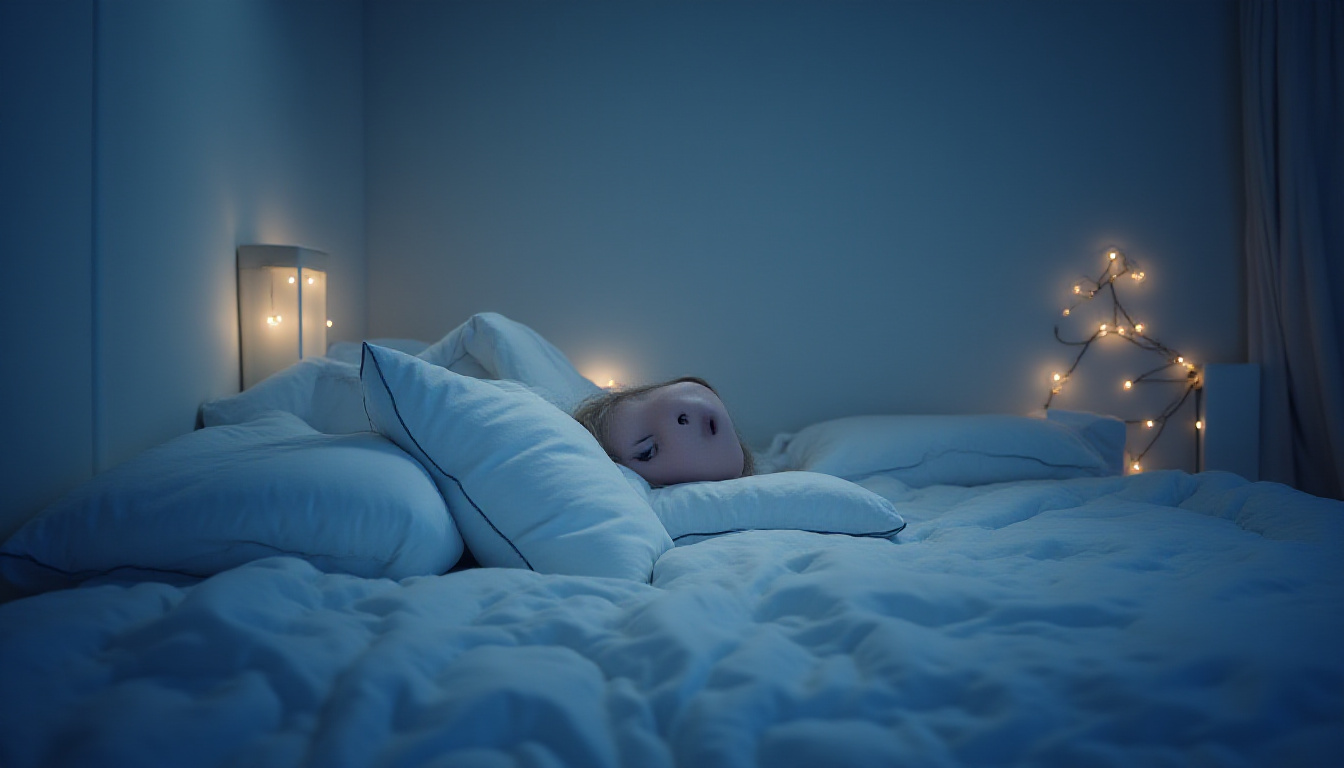
Most people treat sleep as something that happens in the final 30 minutes before bed — a wind-down routine, maybe a melatonin gummy, and fingers crossed. But sleep science tells a different story entirely. Sleep optimisation doesn't begin at night. It begins the moment you open your eyes in the morning, and every choice you make across the following 16 hours either deposits into or withdraws from your sleep account. Understanding this single shift in framing can fundamentally change how you approach your entire day.
The human body runs on a roughly 24-hour internal clock — the circadian rhythm — governed by a tiny cluster of neurons in the brain called the suprachiasmatic nucleus (SCN). This biological timekeeper doesn't operate in isolation. It takes cues from light, temperature, food, and movement to calibrate when you should be alert, when your metabolism should peak, and when your brain should initiate sleep. Get those cues right, and falling and staying asleep becomes almost effortless. Get them wrong, and no amount of chamomile tea will fully compensate.
What follows is a practical, science-grounded framework built around three critical daily windows — and the specific actions you can take in each one to dramatically improve your sleep quality and daytime energy.
The Morning Light Habit That Sets Your Sleep Clock
If there is a single non-negotiable habit for sleep optimisation, it is this: get bright light — ideally sunlight — into your eyes within the first 30 to 60 minutes of waking up. This isn't wellness influencer advice. It's deeply rooted in retinal biology.
Your eyes contain specialised cells called intrinsically photosensitive retinal ganglion cells (ipRGCs). These melanopsin-containing neurons are uniquely sensitive to the short-wavelength light that dominates the early morning sky. When activated, they signal the suprachiasmatic nucleus, which in turn triggers a cascade: cortisol rises sharply (which is actually a good thing at this hour — it's your body's natural alerting hormone), melatonin is suppressed, and a 16-hour countdown timer begins for when your brain will next want to initiate sleep.
Critically, this mechanism is calibrated for sunlight intensity. The ambient light in a typical indoor environment measures around 100–200 lux. A bright outdoor environment on a clear morning can register anywhere from 10,000 to 100,000 lux. That's not a minor difference — it's an orders-of-magnitude gap that artificial indoor lighting simply cannot bridge for the purposes of triggering this morning cortisol-light response.
Practical guidelines by weather condition:
- Clear sky, minimal cloud cover: approximately 5 minutes of outdoor light exposure
- Partial cloud cover: aim for 10 minutes
- Heavy overcast or rainy conditions: 20–30 minutes outdoors
Do not attempt to substitute this with light through a window or a car windshield. Glass filters out significant portions of the relevant light spectrum and dramatically reduces the photon load reaching your retinas. Leave the sunglasses off for this brief window — corrective lenses (glasses or contacts) are absolutely fine and may actually help by focusing light more precisely onto the retina.
For those in high-latitude locations with prolonged dark winters, or for early risers who are up well before dawn, a full-spectrum LED light panel or ring light can serve as a partial substitute. It won't fully replicate natural sunlight, but used at close range (roughly arm's length), it can provide enough photon energy to support the morning alerting response.
Body Temperature: The Underrated Sleep Optimisation Lever
Alongside light, core body temperature is one of the most powerful regulators of the sleep-wake cycle — and it's one that most people overlook entirely.
Your body temperature naturally rises throughout the morning and early afternoon, peaks in the late afternoon, and then begins a gradual decline in the evening. It's this drop in core temperature — not the hour on the clock — that your brain uses as one of its primary signals to initiate sleep. This is why a warm bath or shower an hour before bed can paradoxically help you fall asleep faster: heat draws blood to the skin surface, radiating core heat outward and actually cooling your core.
In the morning, the goal is the opposite: you want to accelerate that rise in core temperature to promote alertness. Two of the most effective tools are:
1. Cold water exposure. One to three minutes under a cold shower, or a brief cold plunge if that's accessible, triggers a sharp adrenaline (epinephrine) release. More importantly, it activates neurons in the medial preoptic area of the hypothalamus — your brain's internal thermostat — which respond to the surface cold by driving up core body temperature as a compensatory response. The result is a rapid, robust increase in alertness that often outlasts the immediate adrenaline hit.
2. Morning exercise. Physical movement — even a brisk 20-minute walk — elevates metabolic rate and core temperature. The beauty of a morning walk is that it simultaneously delivers light exposure, physical movement, and temperature increase in a single activity. Research consistently suggests that morning exercise also tends to produce more consistent adherence than afternoon or evening sessions, and it avoids the potential sleep-disrupting effects of vigorous late-evening training, which can delay sleep onset by keeping core temperature elevated.
These two tools can be used individually or stacked. A cold shower followed by a walk in morning light covers three major sleep-optimisation mechanisms before most people have checked their first email.
Caffeine Timing: How to Use It Without Wrecking Your Sleep
Caffeine is the world's most widely consumed psychoactive substance, and when used strategically, it is a genuinely effective tool for enhancing alertness and cognitive performance. The problem is that most people use it in a way that quietly undermines their sleep quality — often without realising it.
Caffeine works primarily by blocking adenosine receptors. Adenosine is a neurochemical that accumulates throughout the day and creates increasing sleep pressure — the growing heaviness you feel as the day wears on. Caffeine doesn't actually eliminate adenosine; it temporarily masks it. When the caffeine clears, that adenosine rushes back in, which is why the dreaded afternoon crash hits harder after a morning of heavy coffee consumption.
Two key timing principles for sleep-optimised caffeine use:
Delay your first dose. Rather than reaching for coffee the moment your alarm goes off, consider waiting 90 to 120 minutes after waking before consuming caffeine. In those first 90 minutes, adenosine clearance happens naturally as your cortisol peaks. If you caffeinate immediately, you blunt that natural process and often need more caffeine later in the day to sustain energy levels — which then interferes with sleep. Delaying the first dose tends to produce a longer, more stable arc of alertness throughout the day.
Set a hard cutoff. Research increasingly shows that caffeine consumed after 2–4 pm disrupts sleep architecture — even in people who believe they sleep fine after an evening espresso. Caffeine has a half-life of roughly 5–7 hours in most adults (longer in some). A 200mg dose at 4pm means roughly 100mg is still circulating in your system at 10pm. This may not prevent you from falling asleep, but it can significantly reduce the proportion of slow-wave (deep) and REM sleep you get, leaving you less restored even after a full night in bed.
If you train in the morning and want caffeine before your workout, that's a reasonable exception. The key is to keep total afternoon intake low — ideally under 100mg after 2pm — and to avoid it entirely after 4pm if you're serious about sleep quality.
Food Timing, Meal Size, and the Circadian Clock
The timing and volume of food intake is a surprisingly potent circadian signal. Separate from the light-driven SCN clock, there exists what researchers call a food-entrainable oscillator — a clock system that tracks when you typically eat and begins preparing your metabolism and digestive system in anticipation. Eating at consistent times helps synchronise this system with your light-based clock, producing a more coherent overall circadian rhythm.
Eating early in the day — particularly a nutrient-dense first meal — helps reinforce morning alertness by stimulating a rise in body temperature and metabolism. Conversely, eating very large meals at any time of day diverts significant blood flow to the gastrointestinal tract and activates the parasympathetic nervous system, producing the well-known post-meal fatigue. If you've ever felt inexplicably drowsy after a big lunch even on a good night's sleep, this is why.
For those who practice intermittent fasting or time-restricted eating, there's good evidence that compressing the eating window into the earlier portion of the day (say, noon to 8pm rather than 2pm to 10pm) is more supportive of sleep and metabolic health than late-heavy eating patterns. Late-night eating in particular — especially high-carbohydrate or high-fat meals within two hours of sleep — can fragment sleep and suppress growth hormone release, which peaks during early deep sleep.
You don't need to follow any specific diet to optimise your sleep. But paying attention to when and how much you eat — not just what — gives you a meaningful additional dial to turn.
The Evening Window: Protecting Sleep From Light and Stimulation
There is a sharp asymmetry in how your visual system responds to light across the day. In the morning, your eyes need enormous amounts of photon energy to trigger the waking cascade. At night, even tiny amounts of artificial light can suppress melatonin production and delay sleep onset. The same phone screen that barely nudges your biology at 8am can meaningfully disrupt it at 10pm.
Melatonin, the hormone often associated with sleep, doesn't cause sleep directly — it signals darkness to the brain and helps shift your body toward the physiological state that supports sleep onset. Bright light at night suppresses melatonin release, effectively telling your circadian clock that it's still daytime. Blue-wavelength light from screens is particularly effective at this suppression, though all bright artificial light carries some risk in the evening hours.
Free Weekly Newsletter
Enjoying this guide?
Get the best articles like this one delivered to your inbox every week. No spam.
Practical strategies for the evening window:
- Dim overhead lights after sunset, switching to lamps at a lower level and warmer colour temperature if possible
- Use night mode or blue-light filters on screens, or simply reduce screen brightness significantly
- Avoid vigorous high-intensity exercise within 2–3 hours of bedtime, as this can elevate core temperature and cortisol at the wrong time
- Keep the bedroom cool — a sleeping environment of around 18–19°C (65–67°F) supports the core temperature drop associated with sleep initiation
- Avoid large meals within two hours of sleep
These aren't restrictions for their own sake. They're about working with your biology rather than against it.
Putting It All Together: A Practical Sleep Optimisation Framework
Sleep optimisation is not a single habit. It's a system — a set of interlocking behaviours across three daily windows that compound on each other.
Morning window (wake up to ~3 hours after waking):
- Get outdoor light in your eyes within 60 minutes of waking (5–30 minutes depending on conditions)
- Use cold exposure and/or exercise to accelerate core temperature rise
- Delay caffeine intake 90–120 minutes after waking if possible
- Eat if you're hungry, understanding that a large meal will blunt alertness
Midday window (mid-morning through afternoon):
- Keep caffeine use moderate; consider cutting off by 2–4pm
- Maintain light physical activity if sedentary work is your reality — even short walks count
- Be mindful of meal volume if you need to remain sharp in the afternoon
Evening window (sunset to sleep):
- Dim artificial lights progressively as the evening wears on
- Avoid vigorous exercise close to bedtime
- Keep the bedroom cool and dark
- Eat your last significant meal at least two hours before sleep
None of these tools require expensive supplements, specialised devices, or dramatic lifestyle overhauls. Most of them are free. And unlike sleep aids that target only the night-time hours, this approach works with your body's own 24-hour architecture — building the biological conditions for quality sleep from the very first moments of the day.
Start with the morning sunlight habit. Just that one change, done consistently for two weeks, tends to produce noticeable improvements in both daytime energy and sleep quality. Build from there.
Frequently Asked Questions
Can I get the morning light benefits through a window? Unfortunately, no — or at least, not reliably. Glass filters out a significant portion of the light spectrum and substantially reduces the total photon load reaching your eyes. Studies show you'd need to sit by a window for far longer than the equivalent outdoor exposure to get the same circadian benefit. Go outside when you can. On days when that's truly not possible, a bright LED panel or ring light used at close range is a more effective substitute than a window.
How does a cold shower improve sleep if I take it in the morning? Cold water exposure in the morning works by triggering your brain's thermostat (the medial preoptic area) to compensate for surface cooling by raising core body temperature. This drives alertness early in the day, which in turn supports a stronger and more appropriate decline in core temperature by evening — the very drop that initiates sleep. It's a morning tool, not a bedtime one. A warm bath in the evening works through the opposite mechanism: drawing heat to the skin surface and lowering core temperature.
If I'm a night owl, do these tools still apply to me? Yes, though the calibration differs. Chronotype — your natural tendency toward morning or evening preference — has a real genetic component. But research shows that even confirmed night owls benefit from consistent morning light exposure, as it can gradually shift the circadian phase earlier without requiring dramatic schedule changes. The tools don't eliminate chronotype, but they do help you function better within whatever schedule your life demands, and they reduce the severity of social jet lag — the mismatch between your biological clock and your work or school schedule.
Does melatonin supplementation work, and should I take it? Melatonin supplements can be useful for adjusting circadian timing — particularly for shift workers, frequent travellers crossing time zones, or people trying to shift their sleep schedule. However, most over-the-counter doses (1–10mg) are significantly higher than the amounts your body naturally produces, which are in the microgram range. Higher doses don't necessarily produce better sleep and may blunt your body's own melatonin signalling over time. If you use melatonin, lower doses (0.5–1mg) taken 30–60 minutes before your desired sleep time are generally more consistent with the research. It's worth noting that the morning light and evening darkness practices described in this article are your most powerful natural tools for optimising melatonin timing without supplementation.
What's the single most impactful sleep optimisation habit to start with? Morning sunlight exposure. Of all the tools discussed here, this one has the most robust evidence base, the lowest barrier to entry (it's free and takes under 10 minutes), and the broadest downstream effects — influencing cortisol timing, melatonin regulation, mood, metabolism, and sleep architecture all at once. If you can only change one behaviour, make it this one.
Frequently Asked Questions
Why Everything You Do Before Noon Determines How Well You Sleep Tonight
Most people treat sleep as something that happens in the final 30 minutes before bed — a wind-down routine, maybe a melatonin gummy, and fingers crossed. But sleep science tells a different story entirely. Sleep optimisation doesn't begin at night. It begins the moment you open your eyes in the morning, and every choice you make across the following 16 hours either deposits into or withdraws from your sleep account. Understanding this single shift in framing can fundamentally change how you approach your entire day.
The human body runs on a roughly 24-hour internal clock — the circadian rhythm — governed by a tiny cluster of neurons in the brain called the suprachiasmatic nucleus (SCN). This biological timekeeper doesn't operate in isolation. It takes cues from light, temperature, food, and movement to calibrate when you should be alert, when your metabolism should peak, and when your brain should initiate sleep. Get those cues right, and falling and staying asleep becomes almost effortless. Get them wrong, and no amount of chamomile tea will fully compensate.
What follows is a practical, science-grounded framework built around three critical daily windows — and the specific actions you can take in each one to dramatically improve your sleep quality and daytime energy.
The Morning Light Habit That Sets Your Sleep Clock
If there is a single non-negotiable habit for sleep optimisation, it is this: get bright light — ideally sunlight — into your eyes within the first 30 to 60 minutes of waking up. This isn't wellness influencer advice. It's deeply rooted in retinal biology.
Your eyes contain specialised cells called intrinsically photosensitive retinal ganglion cells (ipRGCs). These melanopsin-containing neurons are uniquely sensitive to the short-wavelength light that dominates the early morning sky. When activated, they signal the suprachiasmatic nucleus, which in turn triggers a cascade: cortisol rises sharply (which is actually a good thing at this hour — it's your body's natural alerting hormone), melatonin is suppressed, and a 16-hour countdown timer begins for when your brain will next want to initiate sleep.
Critically, this mechanism is calibrated for sunlight intensity. The ambient light in a typical indoor environment measures around 100–200 lux. A bright outdoor environment on a clear morning can register anywhere from 10,000 to 100,000 lux. That's not a minor difference — it's an orders-of-magnitude gap that artificial indoor lighting simply cannot bridge for the purposes of triggering this morning cortisol-light response.
Practical guidelines by weather condition:
- Clear sky, minimal cloud cover: approximately 5 minutes of outdoor light exposure
- Partial cloud cover: aim for 10 minutes
- Heavy overcast or rainy conditions: 20–30 minutes outdoors
Do not attempt to substitute this with light through a window or a car windshield. Glass filters out significant portions of the relevant light spectrum and dramatically reduces the photon load reaching your retinas. Leave the sunglasses off for this brief window — corrective lenses (glasses or contacts) are absolutely fine and may actually help by focusing light more precisely onto the retina.
For those in high-latitude locations with prolonged dark winters, or for early risers who are up well before dawn, a full-spectrum LED light panel or ring light can serve as a partial substitute. It won't fully replicate natural sunlight, but used at close range (roughly arm's length), it can provide enough photon energy to support the morning alerting response.
Body Temperature: The Underrated Sleep Optimisation Lever
Alongside light, core body temperature is one of the most powerful regulators of the sleep-wake cycle — and it's one that most people overlook entirely.
Your body temperature naturally rises throughout the morning and early afternoon, peaks in the late afternoon, and then begins a gradual decline in the evening. It's this drop in core temperature — not the hour on the clock — that your brain uses as one of its primary signals to initiate sleep. This is why a warm bath or shower an hour before bed can paradoxically help you fall asleep faster: heat draws blood to the skin surface, radiating core heat outward and actually cooling your core.
In the morning, the goal is the opposite: you want to accelerate that rise in core temperature to promote alertness. Two of the most effective tools are:
1. Cold water exposure. One to three minutes under a cold shower, or a brief cold plunge if that's accessible, triggers a sharp adrenaline (epinephrine) release. More importantly, it activates neurons in the medial preoptic area of the hypothalamus — your brain's internal thermostat — which respond to the surface cold by driving up core body temperature as a compensatory response. The result is a rapid, robust increase in alertness that often outlasts the immediate adrenaline hit.
2. Morning exercise. Physical movement — even a brisk 20-minute walk — elevates metabolic rate and core temperature. The beauty of a morning walk is that it simultaneously delivers light exposure, physical movement, and temperature increase in a single activity. Research consistently suggests that morning exercise also tends to produce more consistent adherence than afternoon or evening sessions, and it avoids the potential sleep-disrupting effects of vigorous late-evening training, which can delay sleep onset by keeping core temperature elevated.
These two tools can be used individually or stacked. A cold shower followed by a walk in morning light covers three major sleep-optimisation mechanisms before most people have checked their first email.
Caffeine Timing: How to Use It Without Wrecking Your Sleep
Caffeine is the world's most widely consumed psychoactive substance, and when used strategically, it is a genuinely effective tool for enhancing alertness and cognitive performance. The problem is that most people use it in a way that quietly undermines their sleep quality — often without realising it.
Caffeine works primarily by blocking adenosine receptors. Adenosine is a neurochemical that accumulates throughout the day and creates increasing sleep pressure — the growing heaviness you feel as the day wears on. Caffeine doesn't actually eliminate adenosine; it temporarily masks it. When the caffeine clears, that adenosine rushes back in, which is why the dreaded afternoon crash hits harder after a morning of heavy coffee consumption.
Two key timing principles for sleep-optimised caffeine use:
Delay your first dose. Rather than reaching for coffee the moment your alarm goes off, consider waiting 90 to 120 minutes after waking before consuming caffeine. In those first 90 minutes, adenosine clearance happens naturally as your cortisol peaks. If you caffeinate immediately, you blunt that natural process and often need more caffeine later in the day to sustain energy levels — which then interferes with sleep. Delaying the first dose tends to produce a longer, more stable arc of alertness throughout the day.
Set a hard cutoff. Research increasingly shows that caffeine consumed after 2–4 pm disrupts sleep architecture — even in people who believe they sleep fine after an evening espresso. Caffeine has a half-life of roughly 5–7 hours in most adults (longer in some). A 200mg dose at 4pm means roughly 100mg is still circulating in your system at 10pm. This may not prevent you from falling asleep, but it can significantly reduce the proportion of slow-wave (deep) and REM sleep you get, leaving you less restored even after a full night in bed.
If you train in the morning and want caffeine before your workout, that's a reasonable exception. The key is to keep total afternoon intake low — ideally under 100mg after 2pm — and to avoid it entirely after 4pm if you're serious about sleep quality.
Food Timing, Meal Size, and the Circadian Clock
The timing and volume of food intake is a surprisingly potent circadian signal. Separate from the light-driven SCN clock, there exists what researchers call a food-entrainable oscillator — a clock system that tracks when you typically eat and begins preparing your metabolism and digestive system in anticipation. Eating at consistent times helps synchronise this system with your light-based clock, producing a more coherent overall circadian rhythm.
Eating early in the day — particularly a nutrient-dense first meal — helps reinforce morning alertness by stimulating a rise in body temperature and metabolism. Conversely, eating very large meals at any time of day diverts significant blood flow to the gastrointestinal tract and activates the parasympathetic nervous system, producing the well-known post-meal fatigue. If you've ever felt inexplicably drowsy after a big lunch even on a good night's sleep, this is why.
For those who practice intermittent fasting or time-restricted eating, there's good evidence that compressing the eating window into the earlier portion of the day (say, noon to 8pm rather than 2pm to 10pm) is more supportive of sleep and metabolic health than late-heavy eating patterns. Late-night eating in particular — especially high-carbohydrate or high-fat meals within two hours of sleep — can fragment sleep and suppress growth hormone release, which peaks during early deep sleep.
You don't need to follow any specific diet to optimise your sleep. But paying attention to when and how much you eat — not just what — gives you a meaningful additional dial to turn.
The Evening Window: Protecting Sleep From Light and Stimulation
There is a sharp asymmetry in how your visual system responds to light across the day. In the morning, your eyes need enormous amounts of photon energy to trigger the waking cascade. At night, even tiny amounts of artificial light can suppress melatonin production and delay sleep onset. The same phone screen that barely nudges your biology at 8am can meaningfully disrupt it at 10pm.
Melatonin, the hormone often associated with sleep, doesn't cause sleep directly — it signals darkness to the brain and helps shift your body toward the physiological state that supports sleep onset. Bright light at night suppresses melatonin release, effectively telling your circadian clock that it's still daytime. Blue-wavelength light from screens is particularly effective at this suppression, though all bright artificial light carries some risk in the evening hours.
Practical strategies for the evening window:
- Dim overhead lights after sunset, switching to lamps at a lower level and warmer colour temperature if possible
- Use night mode or blue-light filters on screens, or simply reduce screen brightness significantly
- Avoid vigorous high-intensity exercise within 2–3 hours of bedtime, as this can elevate core temperature and cortisol at the wrong time
- Keep the bedroom cool — a sleeping environment of around 18–19°C (65–67°F) supports the core temperature drop associated with sleep initiation
- Avoid large meals within two hours of sleep
These aren't restrictions for their own sake. They're about working with your biology rather than against it.
Putting It All Together: A Practical Sleep Optimisation Framework
Sleep optimisation is not a single habit. It's a system — a set of interlocking behaviours across three daily windows that compound on each other.
Morning window (wake up to ~3 hours after waking):
- Get outdoor light in your eyes within 60 minutes of waking (5–30 minutes depending on conditions)
- Use cold exposure and/or exercise to accelerate core temperature rise
- Delay caffeine intake 90–120 minutes after waking if possible
- Eat if you're hungry, understanding that a large meal will blunt alertness
Midday window (mid-morning through afternoon):
- Keep caffeine use moderate; consider cutting off by 2–4pm
- Maintain light physical activity if sedentary work is your reality — even short walks count
- Be mindful of meal volume if you need to remain sharp in the afternoon
Evening window (sunset to sleep):
- Dim artificial lights progressively as the evening wears on
- Avoid vigorous exercise close to bedtime
- Keep the bedroom cool and dark
- Eat your last significant meal at least two hours before sleep
None of these tools require expensive supplements, specialised devices, or dramatic lifestyle overhauls. Most of them are free. And unlike sleep aids that target only the night-time hours, this approach works with your body's own 24-hour architecture — building the biological conditions for quality sleep from the very first moments of the day.
Start with the morning sunlight habit. Just that one change, done consistently for two weeks, tends to produce noticeable improvements in both daytime energy and sleep quality. Build from there.
Frequently Asked Questions
Can I get the morning light benefits through a window? Unfortunately, no — or at least, not reliably. Glass filters out a significant portion of the light spectrum and substantially reduces the total photon load reaching your eyes. Studies show you'd need to sit by a window for far longer than the equivalent outdoor exposure to get the same circadian benefit. Go outside when you can. On days when that's truly not possible, a bright LED panel or ring light used at close range is a more effective substitute than a window.
How does a cold shower improve sleep if I take it in the morning? Cold water exposure in the morning works by triggering your brain's thermostat (the medial preoptic area) to compensate for surface cooling by raising core body temperature. This drives alertness early in the day, which in turn supports a stronger and more appropriate decline in core temperature by evening — the very drop that initiates sleep. It's a morning tool, not a bedtime one. A warm bath in the evening works through the opposite mechanism: drawing heat to the skin surface and lowering core temperature.
If I'm a night owl, do these tools still apply to me? Yes, though the calibration differs. Chronotype — your natural tendency toward morning or evening preference — has a real genetic component. But research shows that even confirmed night owls benefit from consistent morning light exposure, as it can gradually shift the circadian phase earlier without requiring dramatic schedule changes. The tools don't eliminate chronotype, but they do help you function better within whatever schedule your life demands, and they reduce the severity of social jet lag — the mismatch between your biological clock and your work or school schedule.
Does melatonin supplementation work, and should I take it? Melatonin supplements can be useful for adjusting circadian timing — particularly for shift workers, frequent travellers crossing time zones, or people trying to shift their sleep schedule. However, most over-the-counter doses (1–10mg) are significantly higher than the amounts your body naturally produces, which are in the microgram range. Higher doses don't necessarily produce better sleep and may blunt your body's own melatonin signalling over time. If you use melatonin, lower doses (0.5–1mg) taken 30–60 minutes before your desired sleep time are generally more consistent with the research. It's worth noting that the morning light and evening darkness practices described in this article are your most powerful natural tools for optimising melatonin timing without supplementation.
What's the single most impactful sleep optimisation habit to start with? Morning sunlight exposure. Of all the tools discussed here, this one has the most robust evidence base, the lowest barrier to entry (it's free and takes under 10 minutes), and the broadest downstream effects — influencing cortisol timing, melatonin regulation, mood, metabolism, and sleep architecture all at once. If you can only change one behaviour, make it this one.
About Zeebrain Editorial
Zeebrain publishes independent analysis of markets, investing, personal finance, and business. We disclose affiliate relationships, never accept payment for coverage, and fact-check all claims against primary sources. Read our editorial policy →
How this article was produced: Zeebrain articles are created with AI assistance from primary sources (including cited videos and market data) and reviewed under our editorial standards before publication. Spot an error? Tell us and we will correct it.
More from Lifestyle & Hacks




Related Guides
Keep exploring this topic
Daylight Saving Time: The Psychology of Losing an Hour
Psychology · daylight saving time psychology · dst effects
Why You Keep Scrolling Your Phone in Bed (And How to Stop)
Lifestyle & Hacks · phone habits · morning routine
Why Minimalism Still Matters After 14 Years of Living It
Lifestyle & Hacks
Beyond the Buzz: Real-Life Benefits of Intermittent Fasting for a Healthier You
Lifestyle & Hacks
Explore More Categories
Keep browsing by topic and build depth around the subjects you care about most.