Meal Prep for Busy Parents: 46 Lunches, One Session
Quick Summary
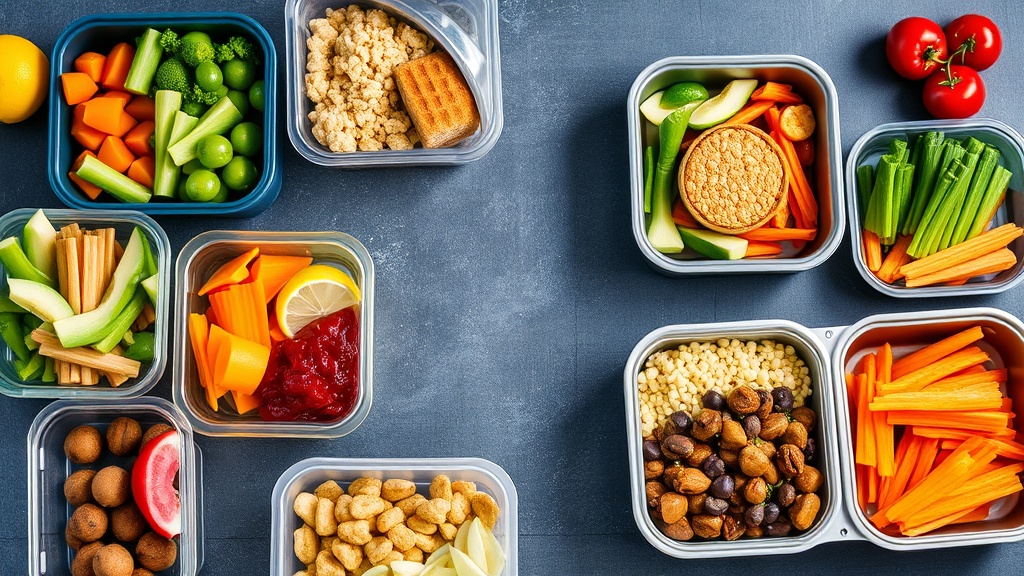
Learn how to meal prep 46 healthy lunches in one session. Practical tips on protein, macros, freezer storage, and smart ingredient swaps that actually work.
In This Article
Why Most People Fail at Meal Prep (And How to Fix It)
Meal prep has a marketing problem. Open Instagram or YouTube and you'll find gleaming kitchens, colour-coded containers, and home cooks who apparently have a culinary arts degree and a free weekend every Sunday. It looks impressive. It also looks exhausting. For most people — especially those navigating a new baby, a demanding job, or just general life chaos — that version of meal prep is a fantasy.

The smarter approach is the boring one. Not boring as in joyless, but boring as in reliable. Repeatable. Low-friction. The kind of system where you spend a few hours once a week (or once a fortnight) and wake up every morning knowing exactly what you're eating for lunch without a single decision required. That's the version of meal prep that actually sticks.
Filmmaker Matt D'Avella recently documented his own attempt to build exactly this kind of system after welcoming a second child. His goal wasn't to become a better cook. It was to automate his lunches, hit his protein targets, and stop letting healthy eating collapse under the weight of a busy schedule. The lessons from that experiment — and the science behind the choices he made — are worth unpacking properly.
The Case for Putting Lunch on Autopilot
Decision fatigue is real, and it hits hardest around food. Research published in the journal Appetite has consistently shown that the more choices we make throughout the day, the more likely we are to default to convenient, low-quality options by midday. Lunch is where willpower goes to die.
Batch-cooking your lunches removes the decision entirely. When your freezer is stocked with ready-to-reheat meals, the path of least resistance becomes the healthy option. You don't need motivation. You don't need to meal plan on a Thursday evening when you're already tired. You just need a well-stocked freezer and a microwave.
This is the core logic behind what productivity researchers sometimes call "environmental design" — structuring your surroundings so that the right behaviour requires the least effort. Meal prep is one of the most practical applications of that principle available to anyone.
The financial case is equally compelling. Home-cooked meals typically cost a fraction of their restaurant or takeaway equivalents. When you buy ingredients in bulk and cook in volume, the per-meal cost drops further still. A well-planned batch-cook session can bring a nutritious, high-protein lunch down to around three dollars or less — a number that compounds significantly over weeks and months.
Choosing Ingredients That Actually Support Your Goals
One of the most instructive parts of D'Avella's approach is the intentionality behind his ingredient choices. He wasn't just throwing protein and carbs into containers. He was making specific swaps based on genuine nutritional reasoning.
Quinoa over white rice. Rice, particularly when grown in flooded paddies, absorbs inorganic arsenic from soil and water more readily than most other grains. For someone eating rice as a daily staple, this accumulation is worth considering. Quinoa sidesteps the issue almost entirely and brings additional benefits: it's a complete protein (containing all nine essential amino acids), it's higher in fibre, and it cooks in around 15 minutes. Add a splash of bone broth to your cooking liquid and you're also layering in collagen, potassium, and a depth of flavour that plain water simply can't match.
Kale over spinach. Spinach is nutritionally excellent, but it's also one of the highest dietary sources of oxalates — compounds that, in susceptible individuals, can contribute to kidney stone formation. For anyone with a family history of kidney stones, or who simply eats large quantities of spinach regularly, kale is a prudent alternative. It's rich in vitamins A, C, and K, delivers meaningful fibre and antioxidants, and holds up better in both freezer smoothie packs and as a roasted side dish.
Steak alongside chicken. Chicken breast is the default meal prep protein for good reason — it's lean, affordable, and versatile. But eating the same protein every day creates both palatability fatigue and potential nutritional gaps. Beef provides haem iron (the most bioavailable form), natural creatine, zinc, and B12 in concentrations that chicken simply doesn't match. Rotating in two or three steak-based meals per prep session adds variety and genuine nutritional breadth.
The orange pith. This one often gets discarded, but the white layer between orange peel and flesh is dense with pectin (a soluble fibre that feeds beneficial gut bacteria), flavonoids, and compounds that appear to slow glucose absorption. In smoothies, it's completely undetectable. In terms of gut health return on investment, it's one of the easiest free upgrades available.
Getting Your Macros Right for Meal Prep
Macros matter, but the goal isn't to obsess over them — it's to build meals that support your actual objectives. If you're trying to maintain muscle while managing a calorie-conscious diet, protein is your primary lever. The current scientific consensus, reflected in guidelines from bodies like the International Society of Sports Nutrition, generally recommends between 1.6 and 2.2 grams of protein per kilogram of bodyweight per day for those engaged in resistance training.
For a practical meal prep setup, aiming for 40–50 grams of protein per lunch is a reasonable and achievable target. Combined with a protein-forward breakfast smoothie delivering another 30–40 grams, you can cover the majority of your daily protein requirements before dinner without much effort.
D'Avella's lunches came in at approximately 529 calories with 48 grams of protein, 54 grams of carbs, and 12 grams of fat. His smoothies added around 310 calories and 38 grams of protein. That's a combined 820 calories and 86 grams of protein from just two meals — a genuinely strong nutritional foundation that leaves room for a flexible dinner.
The key is building your template first and shopping to that template, rather than buying ingredients and hoping the macros work out. Know your target protein source, your carbohydrate base, your fat source, and your vegetable component before you go near a supermarket.
Practical Meal Prep Workflow: What Actually Saves Time
The operational side of meal prep is where most guides fall short. Here's what a streamlined single-session prep looks like in practice:
Start with the oven. Your oven is your highest-capacity cooking surface and requires the least active attention. Season your proteins, get them in the oven first, and then use the stovetop time to prepare everything else. Chicken thighs at 200°C (390°F) take around 25–30 minutes. Use that window to cook your grain, prep your vegetables, and assemble your smoothie jars.
Cook in batches with spice variation. Cooking three separate batches of chicken — each with a different spice profile — gives you variety without complexity. A cumin-paprika-turmeric blend, a simple garlic-herb mix, and something with a bit of heat (cayenne, chilli flakes) covers most flavour bases. The cooking method and container format stay identical. Only the seasoning changes.
Use quality glass containers. Glass containers are worth the investment over plastic. They don't absorb odours or stains, they're safe to reheat in, they withstand freezer temperatures without cracking (provided the lids aren't dome-shaped, which can trap air and cause issues), and they genuinely last years. Buying in bulk from a discount homewares store brings the per-unit cost down considerably.
Freeze in single-serve portions. Freezing individual meals rather than large batches gives you flexibility. You can pull out exactly what you need each morning, rotate varieties throughout the week, and avoid the texture problems that come from repeatedly partially defrosting a large container.
Label everything. It takes thirty seconds and saves the dispiriting experience of defrosting something only to discover it's from a batch you made six weeks ago.
The Smoothie Prep System Worth Stealing
Freezer smoothie jars deserve their own section because they represent perhaps the highest effort-to-reward ratio in the entire meal prep toolkit. The principle is simple: assemble all your dry and frozen smoothie ingredients into individual jars in advance. When you want a smoothie, add your liquid, blend, and drink. Total morning effort: under two minutes.
A high-protein smoothie base built around Greek yogurt and a quality protein powder can deliver 35–40 grams of protein in a format that takes no active cooking time. Add frozen berries (cheaper than fresh and nutritionally equivalent), a handful of kale, a tablespoon of chia seeds for omega-3s and fibre, hemp seeds for additional protein and healthy fats, and a few tablespoons of rolled oats for slow-release carbohydrates. Include a strip of orange pith if you want the gut health bonus.
The yogurt and protein powder will account for the majority of your smoothie cost. Buying protein powder in larger quantities and choosing a plain, unflavoured Greek yogurt (which is typically cheaper than flavoured varieties) are the most effective ways to manage that expense.
Building a System You'll Actually Maintain
The most sophisticated meal prep routine is worthless if you abandon it after three weeks. Sustainability is the only metric that matters in the long run, and sustainability comes from keeping the system genuinely simple.
This means resisting the urge to introduce too much variety too quickly. Three or four reliable lunch formulas that you know work — both nutritionally and in terms of your own enjoyment — are far more valuable than a rotating menu of twelve dishes that you find mentally taxing to execute. Add variety slowly, as you build confidence and find what you actually like eating.
Free Weekly Newsletter
Enjoying this guide?
Get the best articles like this one delivered to your inbox every week. No spam.
It also means being honest about your cooking skill level. There's no shame in sticking to straightforward preparations. A well-seasoned chicken thigh over quinoa with roasted kale is not a glamorous dish, but it's nutritionally solid, easy to prepare at scale, and genuinely satisfying when you're pulling it from the freezer on a busy Tuesday afternoon.
Finally, track your costs. One of the most motivating realisations in D'Avella's experiment was seeing his per-meal cost land below four dollars for a 500-calorie, high-protein lunch. That kind of concrete data makes it much easier to stay committed to the habit, especially when the alternative is a ten-dollar sandwich that leaves you hungry two hours later.
Meal prep isn't a lifestyle transformation. It's a logistics problem with a straightforward solution. Get the basics right, keep it boring, and let the system do the work.
Frequently Asked Questions
How long do meal prepped lunches last in the freezer?
Properly stored meal prep lunches — sealed in airtight glass or BPA-free plastic containers — will generally keep well in the freezer for up to three months. For best texture and flavour, aim to consume them within four to six weeks. Label each container with the prep date so you can rotate stock effectively and avoid accidentally eating something that's been in there since last quarter.
Is quinoa actually better than rice for meal prep?
For most people, either grain works well. The case for quinoa in a high-frequency meal prep context comes down to two factors: its superior protein and fibre content (quinoa contains all nine essential amino acids and more fibre per serving than white rice), and the lower arsenic exposure compared to rice eaten daily over the long term. If you enjoy rice and don't eat it multiple times per day, the arsenic concern is minimal. That said, quinoa's quicker cooking time and higher protein density make it a practical upgrade worth trying.
What's the best way to reheat frozen meal prep lunches?
The most reliable method is to transfer your container from the freezer to the fridge the night before, allowing it to thaw overnight. From there, two to three minutes in a microwave (stirring halfway through) is typically sufficient. If you forget to thaw overnight, most glass containers are safe to microwave from frozen — just extend the heating time and check the temperature at the centre before eating. Avoid reheating repeatedly; once is sufficient.
How much does a full meal prep session typically cost?
Costs vary significantly by location, season, and ingredient choices, but a well-planned session covering 14–16 lunches can typically be achieved for between $40 and $60 USD in most Western markets, bringing per-meal costs to roughly $3–4. Protein powder and Greek yogurt tend to be the most expensive components of smoothie prep, so buying protein powder in bulk and opting for store-brand yogurt are the most effective ways to reduce overall spend. Buying seasonal produce and choosing whole cuts of meat over pre-trimmed portions also helps.
Do glass containers really survive the freezer without cracking?
Yes, with one important caveat: avoid filling containers completely to the top. Liquids expand as they freeze, and an overfilled container — particularly with a curved or domed lid — can crack under the pressure. Leaving roughly a centimetre of headspace and choosing containers with flat lids (rather than dome-shaped ones) eliminates this problem in almost all cases. Many home cooks have used the same glass containers for several years of weekly freezer use without any breakage.
Free Investing Tools
Frequently Asked Questions
Why Most People Fail at Meal Prep (And How to Fix It)
Meal prep has a marketing problem. Open Instagram or YouTube and you'll find gleaming kitchens, colour-coded containers, and home cooks who apparently have a culinary arts degree and a free weekend every Sunday. It looks impressive. It also looks exhausting. For most people — especially those navigating a new baby, a demanding job, or just general life chaos — that version of meal prep is a fantasy.
The smarter approach is the boring one. Not boring as in joyless, but boring as in reliable. Repeatable. Low-friction. The kind of system where you spend a few hours once a week (or once a fortnight) and wake up every morning knowing exactly what you're eating for lunch without a single decision required. That's the version of meal prep that actually sticks.
Filmmaker Matt D'Avella recently documented his own attempt to build exactly this kind of system after welcoming a second child. His goal wasn't to become a better cook. It was to automate his lunches, hit his protein targets, and stop letting healthy eating collapse under the weight of a busy schedule. The lessons from that experiment — and the science behind the choices he made — are worth unpacking properly.
The Case for Putting Lunch on Autopilot
Decision fatigue is real, and it hits hardest around food. Research published in the journal Appetite has consistently shown that the more choices we make throughout the day, the more likely we are to default to convenient, low-quality options by midday. Lunch is where willpower goes to die.
Batch-cooking your lunches removes the decision entirely. When your freezer is stocked with ready-to-reheat meals, the path of least resistance becomes the healthy option. You don't need motivation. You don't need to meal plan on a Thursday evening when you're already tired. You just need a well-stocked freezer and a microwave.
This is the core logic behind what productivity researchers sometimes call "environmental design" — structuring your surroundings so that the right behaviour requires the least effort. Meal prep is one of the most practical applications of that principle available to anyone.
The financial case is equally compelling. Home-cooked meals typically cost a fraction of their restaurant or takeaway equivalents. When you buy ingredients in bulk and cook in volume, the per-meal cost drops further still. A well-planned batch-cook session can bring a nutritious, high-protein lunch down to around three dollars or less — a number that compounds significantly over weeks and months.
Choosing Ingredients That Actually Support Your Goals
One of the most instructive parts of D'Avella's approach is the intentionality behind his ingredient choices. He wasn't just throwing protein and carbs into containers. He was making specific swaps based on genuine nutritional reasoning.
Quinoa over white rice. Rice, particularly when grown in flooded paddies, absorbs inorganic arsenic from soil and water more readily than most other grains. For someone eating rice as a daily staple, this accumulation is worth considering. Quinoa sidesteps the issue almost entirely and brings additional benefits: it's a complete protein (containing all nine essential amino acids), it's higher in fibre, and it cooks in around 15 minutes. Add a splash of bone broth to your cooking liquid and you're also layering in collagen, potassium, and a depth of flavour that plain water simply can't match.
Kale over spinach. Spinach is nutritionally excellent, but it's also one of the highest dietary sources of oxalates — compounds that, in susceptible individuals, can contribute to kidney stone formation. For anyone with a family history of kidney stones, or who simply eats large quantities of spinach regularly, kale is a prudent alternative. It's rich in vitamins A, C, and K, delivers meaningful fibre and antioxidants, and holds up better in both freezer smoothie packs and as a roasted side dish.
Steak alongside chicken. Chicken breast is the default meal prep protein for good reason — it's lean, affordable, and versatile. But eating the same protein every day creates both palatability fatigue and potential nutritional gaps. Beef provides haem iron (the most bioavailable form), natural creatine, zinc, and B12 in concentrations that chicken simply doesn't match. Rotating in two or three steak-based meals per prep session adds variety and genuine nutritional breadth.
The orange pith. This one often gets discarded, but the white layer between orange peel and flesh is dense with pectin (a soluble fibre that feeds beneficial gut bacteria), flavonoids, and compounds that appear to slow glucose absorption. In smoothies, it's completely undetectable. In terms of gut health return on investment, it's one of the easiest free upgrades available.
Getting Your Macros Right for Meal Prep
Macros matter, but the goal isn't to obsess over them — it's to build meals that support your actual objectives. If you're trying to maintain muscle while managing a calorie-conscious diet, protein is your primary lever. The current scientific consensus, reflected in guidelines from bodies like the International Society of Sports Nutrition, generally recommends between 1.6 and 2.2 grams of protein per kilogram of bodyweight per day for those engaged in resistance training.
For a practical meal prep setup, aiming for 40–50 grams of protein per lunch is a reasonable and achievable target. Combined with a protein-forward breakfast smoothie delivering another 30–40 grams, you can cover the majority of your daily protein requirements before dinner without much effort.
D'Avella's lunches came in at approximately 529 calories with 48 grams of protein, 54 grams of carbs, and 12 grams of fat. His smoothies added around 310 calories and 38 grams of protein. That's a combined 820 calories and 86 grams of protein from just two meals — a genuinely strong nutritional foundation that leaves room for a flexible dinner.
The key is building your template first and shopping to that template, rather than buying ingredients and hoping the macros work out. Know your target protein source, your carbohydrate base, your fat source, and your vegetable component before you go near a supermarket.
Practical Meal Prep Workflow: What Actually Saves Time
The operational side of meal prep is where most guides fall short. Here's what a streamlined single-session prep looks like in practice:
Start with the oven. Your oven is your highest-capacity cooking surface and requires the least active attention. Season your proteins, get them in the oven first, and then use the stovetop time to prepare everything else. Chicken thighs at 200°C (390°F) take around 25–30 minutes. Use that window to cook your grain, prep your vegetables, and assemble your smoothie jars.
Cook in batches with spice variation. Cooking three separate batches of chicken — each with a different spice profile — gives you variety without complexity. A cumin-paprika-turmeric blend, a simple garlic-herb mix, and something with a bit of heat (cayenne, chilli flakes) covers most flavour bases. The cooking method and container format stay identical. Only the seasoning changes.
Use quality glass containers. Glass containers are worth the investment over plastic. They don't absorb odours or stains, they're safe to reheat in, they withstand freezer temperatures without cracking (provided the lids aren't dome-shaped, which can trap air and cause issues), and they genuinely last years. Buying in bulk from a discount homewares store brings the per-unit cost down considerably.
Freeze in single-serve portions. Freezing individual meals rather than large batches gives you flexibility. You can pull out exactly what you need each morning, rotate varieties throughout the week, and avoid the texture problems that come from repeatedly partially defrosting a large container.
Label everything. It takes thirty seconds and saves the dispiriting experience of defrosting something only to discover it's from a batch you made six weeks ago.
The Smoothie Prep System Worth Stealing
Freezer smoothie jars deserve their own section because they represent perhaps the highest effort-to-reward ratio in the entire meal prep toolkit. The principle is simple: assemble all your dry and frozen smoothie ingredients into individual jars in advance. When you want a smoothie, add your liquid, blend, and drink. Total morning effort: under two minutes.
A high-protein smoothie base built around Greek yogurt and a quality protein powder can deliver 35–40 grams of protein in a format that takes no active cooking time. Add frozen berries (cheaper than fresh and nutritionally equivalent), a handful of kale, a tablespoon of chia seeds for omega-3s and fibre, hemp seeds for additional protein and healthy fats, and a few tablespoons of rolled oats for slow-release carbohydrates. Include a strip of orange pith if you want the gut health bonus.
The yogurt and protein powder will account for the majority of your smoothie cost. Buying protein powder in larger quantities and choosing a plain, unflavoured Greek yogurt (which is typically cheaper than flavoured varieties) are the most effective ways to manage that expense.
Building a System You'll Actually Maintain
The most sophisticated meal prep routine is worthless if you abandon it after three weeks. Sustainability is the only metric that matters in the long run, and sustainability comes from keeping the system genuinely simple.
This means resisting the urge to introduce too much variety too quickly. Three or four reliable lunch formulas that you know work — both nutritionally and in terms of your own enjoyment — are far more valuable than a rotating menu of twelve dishes that you find mentally taxing to execute. Add variety slowly, as you build confidence and find what you actually like eating.
It also means being honest about your cooking skill level. There's no shame in sticking to straightforward preparations. A well-seasoned chicken thigh over quinoa with roasted kale is not a glamorous dish, but it's nutritionally solid, easy to prepare at scale, and genuinely satisfying when you're pulling it from the freezer on a busy Tuesday afternoon.
Finally, track your costs. One of the most motivating realisations in D'Avella's experiment was seeing his per-meal cost land below four dollars for a 500-calorie, high-protein lunch. That kind of concrete data makes it much easier to stay committed to the habit, especially when the alternative is a ten-dollar sandwich that leaves you hungry two hours later.
Meal prep isn't a lifestyle transformation. It's a logistics problem with a straightforward solution. Get the basics right, keep it boring, and let the system do the work.
Frequently Asked Questions
How long do meal prepped lunches last in the freezer?
Properly stored meal prep lunches — sealed in airtight glass or BPA-free plastic containers — will generally keep well in the freezer for up to three months. For best texture and flavour, aim to consume them within four to six weeks. Label each container with the prep date so you can rotate stock effectively and avoid accidentally eating something that's been in there since last quarter.
Is quinoa actually better than rice for meal prep?
For most people, either grain works well. The case for quinoa in a high-frequency meal prep context comes down to two factors: its superior protein and fibre content (quinoa contains all nine essential amino acids and more fibre per serving than white rice), and the lower arsenic exposure compared to rice eaten daily over the long term. If you enjoy rice and don't eat it multiple times per day, the arsenic concern is minimal. That said, quinoa's quicker cooking time and higher protein density make it a practical upgrade worth trying.
What's the best way to reheat frozen meal prep lunches?
The most reliable method is to transfer your container from the freezer to the fridge the night before, allowing it to thaw overnight. From there, two to three minutes in a microwave (stirring halfway through) is typically sufficient. If you forget to thaw overnight, most glass containers are safe to microwave from frozen — just extend the heating time and check the temperature at the centre before eating. Avoid reheating repeatedly; once is sufficient.
How much does a full meal prep session typically cost?
Costs vary significantly by location, season, and ingredient choices, but a well-planned session covering 14–16 lunches can typically be achieved for between $40 and $60 USD in most Western markets, bringing per-meal costs to roughly $3–4. Protein powder and Greek yogurt tend to be the most expensive components of smoothie prep, so buying protein powder in bulk and opting for store-brand yogurt are the most effective ways to reduce overall spend. Buying seasonal produce and choosing whole cuts of meat over pre-trimmed portions also helps.
Do glass containers really survive the freezer without cracking?
Yes, with one important caveat: avoid filling containers completely to the top. Liquids expand as they freeze, and an overfilled container — particularly with a curved or domed lid — can crack under the pressure. Leaving roughly a centimetre of headspace and choosing containers with flat lids (rather than dome-shaped ones) eliminates this problem in almost all cases. Many home cooks have used the same glass containers for several years of weekly freezer use without any breakage.
About Zeebrain Editorial
Zeebrain publishes independent analysis of markets, investing, personal finance, and business. We disclose affiliate relationships, never accept payment for coverage, and fact-check all claims against primary sources. Read our editorial policy →
How this article was produced: Zeebrain articles are created with AI assistance from primary sources (including cited videos and market data) and reviewed under our editorial standards before publication. Spot an error? Tell us and we will correct it.
More from Lifestyle & Hacks



Related Guides
Keep exploring this topic
Healthy Eating Challenges: Mastering Meal Prep for a Better You
Lifestyle & Hacks · healthy eating · meal prep
Why Minimalism Still Matters After 14 Years of Living It
Lifestyle & Hacks
Beyond the Buzz: Real-Life Benefits of Intermittent Fasting for a Healthier You
Lifestyle & Hacks
What Is “Decision Fatigue” and How Do You Beat It?
Lifestyle & Hacks
Explore More Categories
Keep browsing by topic and build depth around the subjects you care about most.