Daylight Saving Time: The Psychology of Losing an Hour

Quick Summary
Daylight Saving Time: The Psychology of Losing an Hour Every spring, millions of Americans collectively brace themselves for an annual ritual: "springing forward." While the...
In This Article
Daylight Saving Time: The Psychology of Losing an Hour
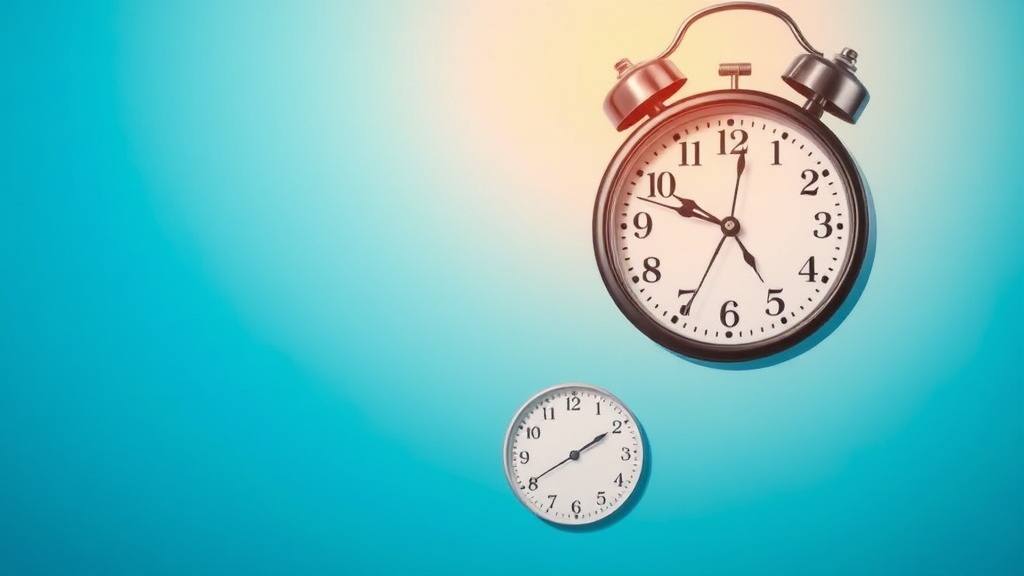
Every spring, millions of Americans collectively brace themselves for an annual ritual: "springing forward." While the promise of longer daylight evenings might sound appealing, the immediate jolt of losing an hour of sleep due to Daylight Saving Time (DST) triggers a cascade of psychological and physiological disruptions that ripple through our work, mood, and even our safety. This seemingly minor temporal shift, often dismissed as a mere inconvenience, has significant, measurable impacts on our well-being, challenging our internal clocks and demanding a greater toll than many realize.

The Disruption of Our Internal Clock: More Than Just Feeling Tired
The human body operates on a finely tuned internal clock, our circadian rhythm, which dictates our sleep-wake cycle, hormone release, and even body temperature. This rhythm is primarily synchronized by light, specifically the morning sun. When DST shifts our clocks forward, effectively moving sunrise an hour later according to our social schedule, it creates a misalignment between our internal biological clock and the external social clock. This phenomenon is known as "social jet lag."
Studies reveal the profound impact of this misalignment. Research published in Current Biology found that people experience "pronounced and long-lasting sleep deprivation" in the days following the spring forward, with individuals losing an average of 15-20 minutes of sleep per night for the entire week. This isn't just about feeling groggy; chronic sleep deprivation, even mild, impairs cognitive function, reduces attention span, and exacerbates mood disorders. For instance, a 2017 study in Sleep Medicine observed a significant increase in depressive episodes in the week following the spring forward. The forced shift in light exposure also delays melatonin production in the evenings, making it harder to fall asleep at the "new" bedtime, and forces us to wake up before our bodies are biologically ready.
The Domino Effect: Health, Productivity, and Safety Risks
The psychological impact of DST extends far beyond individual fatigue, manifesting in tangible risks across various sectors of society. One of the most concerning areas is public health. A study published in the Journal of Clinical Sleep Medicine revealed a 24% increase in heart attacks on the Monday following the spring forward compared to other Mondays. Researchers attribute this surge to the acute sleep deprivation and the stress it places on the cardiovascular system. Similarly, stroke rates see a significant uptick, particularly in the elderly and those with existing health conditions.
Workplace productivity also takes a hit. Research from the Journal of Applied Psychology demonstrated a phenomenon called "cyberloafing" – employees spending more time on non-work-related internet activities – significantly increases on the Monday after DST. Decision-making, problem-solving, and creativity, all heavily reliant on adequate sleep, suffer. For industries requiring high levels of precision and attention, such as healthcare or transportation, the risks are amplified. A 2012 study in Accident Analysis & Prevention found a 6% increase in fatal traffic accidents on the Monday following the spring forward, attributed to driver fatigue and reduced vigilance. Even minor tasks become more prone to error.
Navigating the Shift: Practical Strategies for a Smoother Transition

While the debate around DST's efficacy continues, individuals can adopt practical strategies to mitigate the psychological and physiological toll of the spring forward. The key is gradual adaptation and prioritizing sleep hygiene.
1. Gradual Shift: Instead of a sudden jolt, begin adjusting your sleep schedule a few days before DST. Shift your bedtime and wake-up time by 15-20 minutes earlier each day, starting perhaps on the Thursday or Friday before. This allows your body to acclimate more gently to the new time.
2. Prioritize Sleep Environment: Ensure your bedroom is dark, quiet, and cool. Block out morning light with blackout curtains or an eye mask, especially during the initial days when your body is still wired to wake later. Conversely, expose yourself to bright light first thing in the morning at the new wake-up time to help reset your circadian rhythm.
3. Mind Your Intake: Avoid caffeine and alcohol in the hours leading up to bedtime, as both can disrupt sleep patterns. A warm bath or a calming activity before bed can signal to your body that it's time to wind down.
4. Nap Wisely: If you feel an overwhelming urge to nap, keep it short (20-30 minutes) and early in the afternoon. Long or late naps can further interfere with nighttime sleep.
5. Listen to Your Body: Don't force yourself to be productive if you're feeling exceptionally tired. Allow for flexibility in your schedule where possible, and be patient with yourself during the adjustment period. Recognizing that this is a real biological challenge, not just a mental one, can reduce self-criticism and stress.
The Future of DST: A Call for Permanent Standard Time?
Free Weekly Newsletter
Enjoying this guide?
Get the best articles like this one delivered to your inbox every week. No spam.
The widespread negative impacts of DST have fueled a growing movement to abolish the practice altogether. While proponents of DST historically cited energy savings and increased commerce due to longer daylight evenings, modern research largely refutes these claims. A 2008 study by the U.S. Department of Energy found that DST only reduced energy consumption by a mere 0.03% nationally, a negligible amount. The arguments for economic benefits have also been increasingly challenged, particularly when factoring in the costs associated with health risks and productivity losses.
The focus of the abolition movement has largely shifted towards adopting permanent Standard Time, rather than permanent Daylight Saving Time. Experts in sleep medicine and circadian biology, including the American Academy of Sleep Medicine, advocate strongly for permanent Standard Time. Their reasoning is rooted in biology: Standard Time aligns our social clock more closely with our natural solar clock, promoting healthier sleep patterns and reducing the "social jet lag" that DST imposes. Early morning light, crucial for circadian synchronization, is maximized under permanent Standard Time, leading to better sleep, improved mood, and enhanced cognitive function.
Legislation reflects this growing concern. The "Sunshine Protection Act," aiming to make DST permanent, has passed the Senate but stalled in the House. However, the scientific consensus increasingly points to the benefits of permanent Standard Time. As more states consider ending DST, the debate is evolving from simply "springing forward or falling back" to a more informed discussion about aligning our daily lives with our biological imperative for optimal health and well-being. The hope is that future policies will prioritize public health over outdated notions of energy conservation or economic benefit.
Conclusion
The annual shift to Daylight Saving Time is far more than a simple adjustment of clocks; it's a significant disruption to our deeply ingrained biological rhythms, triggering measurable psychological and physiological consequences. From increased heart attacks and traffic accidents to reduced productivity and impaired mood, the "hour" we lose reverberates throughout our lives. Understanding the science behind this impact empowers us to adopt strategies for a smoother transition, but it also underscores the growing imperative for policy changes. As the debate continues, the scientific community's call for permanent Standard Time resonates ever louder, urging us to prioritize our health and align our societal schedules with the natural rhythms that govern our well-being. It's time to acknowledge that the cost of "losing an hour" is simply too high, and to advocate for a future where our clocks, and our health, are better aligned.
Frequently Asked Questions
The Disruption of Our Internal Clock: More Than Just Feeling Tired
The human body operates on a finely tuned internal clock, our circadian rhythm, which dictates our sleep-wake cycle, hormone release, and even body temperature. This rhythm is primarily synchronized by light, specifically the morning sun. When DST shifts our clocks forward, effectively moving sunrise an hour later according to our social schedule, it creates a misalignment between our internal biological clock and the external social clock. This phenomenon is known as "social jet lag."
Studies reveal the profound impact of this misalignment. Research published in Current Biology found that people experience "pronounced and long-lasting sleep deprivation" in the days following the spring forward, with individuals losing an average of 15-20 minutes of sleep per night for the entire week. This isn't just about feeling groggy; chronic sleep deprivation, even mild, impairs cognitive function, reduces attention span, and exacerbates mood disorders. For instance, a 2017 study in Sleep Medicine observed a significant increase in depressive episodes in the week following the spring forward. The forced shift in light exposure also delays melatonin production in the evenings, making it harder to fall asleep at the "new" bedtime, and forces us to wake up before our bodies are biologically ready.
The Domino Effect: Health, Productivity, and Safety Risks
The psychological impact of DST extends far beyond individual fatigue, manifesting in tangible risks across various sectors of society. One of the most concerning areas is public health. A study published in the Journal of Clinical Sleep Medicine revealed a 24% increase in heart attacks on the Monday following the spring forward compared to other Mondays. Researchers attribute this surge to the acute sleep deprivation and the stress it places on the cardiovascular system. Similarly, stroke rates see a significant uptick, particularly in the elderly and those with existing health conditions.
Workplace productivity also takes a hit. Research from the Journal of Applied Psychology demonstrated a phenomenon called "cyberloafing" – employees spending more time on non-work-related internet activities – significantly increases on the Monday after DST. Decision-making, problem-solving, and creativity, all heavily reliant on adequate sleep, suffer. For industries requiring high levels of precision and attention, such as healthcare or transportation, the risks are amplified. A 2012 study in Accident Analysis & Prevention found a 6% increase in fatal traffic accidents on the Monday following the spring forward, attributed to driver fatigue and reduced vigilance. Even minor tasks become more prone to error.
Navigating the Shift: Practical Strategies for a Smoother Transition
While the debate around DST's efficacy continues, individuals can adopt practical strategies to mitigate the psychological and physiological toll of the spring forward. The key is gradual adaptation and prioritizing sleep hygiene.
1. Gradual Shift: Instead of a sudden jolt, begin adjusting your sleep schedule a few days before DST. Shift your bedtime and wake-up time by 15-20 minutes earlier each day, starting perhaps on the Thursday or Friday before. This allows your body to acclimate more gently to the new time.
2. Prioritize Sleep Environment: Ensure your bedroom is dark, quiet, and cool. Block out morning light with blackout curtains or an eye mask, especially during the initial days when your body is still wired to wake later. Conversely, expose yourself to bright light first thing in the morning at the new wake-up time to help reset your circadian rhythm.
3. Mind Your Intake: Avoid caffeine and alcohol in the hours leading up to bedtime, as both can disrupt sleep patterns. A warm bath or a calming activity before bed can signal to your body that it's time to wind down.
4. Nap Wisely: If you feel an overwhelming urge to nap, keep it short (20-30 minutes) and early in the afternoon. Long or late naps can further interfere with nighttime sleep.
5. Listen to Your Body: Don't force yourself to be productive if you're feeling exceptionally tired. Allow for flexibility in your schedule where possible, and be patient with yourself during the adjustment period. Recognizing that this is a real biological challenge, not just a mental one, can reduce self-criticism and stress.
The Future of DST: A Call for Permanent Standard Time?
The widespread negative impacts of DST have fueled a growing movement to abolish the practice altogether. While proponents of DST historically cited energy savings and increased commerce due to longer daylight evenings, modern research largely refutes these claims. A 2008 study by the U.S. Department of Energy found that DST only reduced energy consumption by a mere 0.03% nationally, a negligible amount. The arguments for economic benefits have also been increasingly challenged, particularly when factoring in the costs associated with health risks and productivity losses.
The focus of the abolition movement has largely shifted towards adopting permanent Standard Time, rather than permanent Daylight Saving Time. Experts in sleep medicine and circadian biology, including the American Academy of Sleep Medicine, advocate strongly for permanent Standard Time. Their reasoning is rooted in biology: Standard Time aligns our social clock more closely with our natural solar clock, promoting healthier sleep patterns and reducing the "social jet lag" that DST imposes. Early morning light, crucial for circadian synchronization, is maximized under permanent Standard Time, leading to better sleep, improved mood, and enhanced cognitive function.
Legislation reflects this growing concern. The "Sunshine Protection Act," aiming to make DST permanent, has passed the Senate but stalled in the House. However, the scientific consensus increasingly points to the benefits of permanent Standard Time. As more states consider ending DST, the debate is evolving from simply "springing forward or falling back" to a more informed discussion about aligning our daily lives with our biological imperative for optimal health and well-being. The hope is that future policies will prioritize public health over outdated notions of energy conservation or economic benefit.
Conclusion
The annual shift to Daylight Saving Time is far more than a simple adjustment of clocks; it's a significant disruption to our deeply ingrained biological rhythms, triggering measurable psychological and physiological consequences. From increased heart attacks and traffic accidents to reduced productivity and impaired mood, the "hour" we lose reverberates throughout our lives. Understanding the science behind this impact empowers us to adopt strategies for a smoother transition, but it also underscores the growing imperative for policy changes. As the debate continues, the scientific community's call for permanent Standard Time resonates ever louder, urging us to prioritize our health and align our societal schedules with the natural rhythms that govern our well-being. It's time to acknowledge that the cost of "losing an hour" is simply too high, and to advocate for a future where our clocks, and our health, are better aligned.
About Zeebrain Editorial
Zeebrain publishes independent analysis of markets, investing, personal finance, and business. We disclose affiliate relationships, never accept payment for coverage, and fact-check all claims against primary sources. Read our editorial policy →
More from Psychology




Related Guides
Keep exploring this topic
Sleep Optimisation: The Science-Backed Daily Toolkit
Lifestyle & Hacks · sleep optimisation · circadian rhythm
Navigating the 'Future of Work': The Psychological Impact of Remote vs. Office Environments
Psychology
Men’s Mental Health Month: Why It Matters and How to Support It
Psychology
The Psychological Impact of Weight Loss Drugs: Beyond the Physical
Psychology
Explore More Categories
Keep browsing by topic and build depth around the subjects you care about most.