iPhone Fold Ultra: Early Look at Apple's First Folding iPhone
Quick Summary
Get an early look at the iPhone Fold Ultra with real dummy unit photos, dimensions, design details, and an honest verdict on what to expect from Apple's first folding iPhone.
iPhone Fold Ultra
Check current price and availability on Amazon
In This Article
Apple Is Actually Doing This — And It Looks Different Than You'd Expect
For years, folding phones have been Samsung's playground. Motorola dabbled. Google tried with the Pixel Fold. But Apple? Apple watched, waited, and reportedly refined. Now, with multiple pre-production dummy units of what is being called the iPhone Fold Ultra — or iPhone Ultra Fold, or iPhone 18 Ultra Fold, nobody has the official name yet — surfacing ahead of any formal announcement, we are getting our clearest picture yet of what Apple's first folding iPhone will look like in the hand.
Related Post
This is not a rumour roundup. This is a grounded, no-nonsense breakdown of what the dummy units reveal, what the dimensions suggest, where the design raises real questions, and whether this device is actually worth your money and attention. Let's get into it.
What the iPhone Fold Ultra Dummy Units Actually Show Us
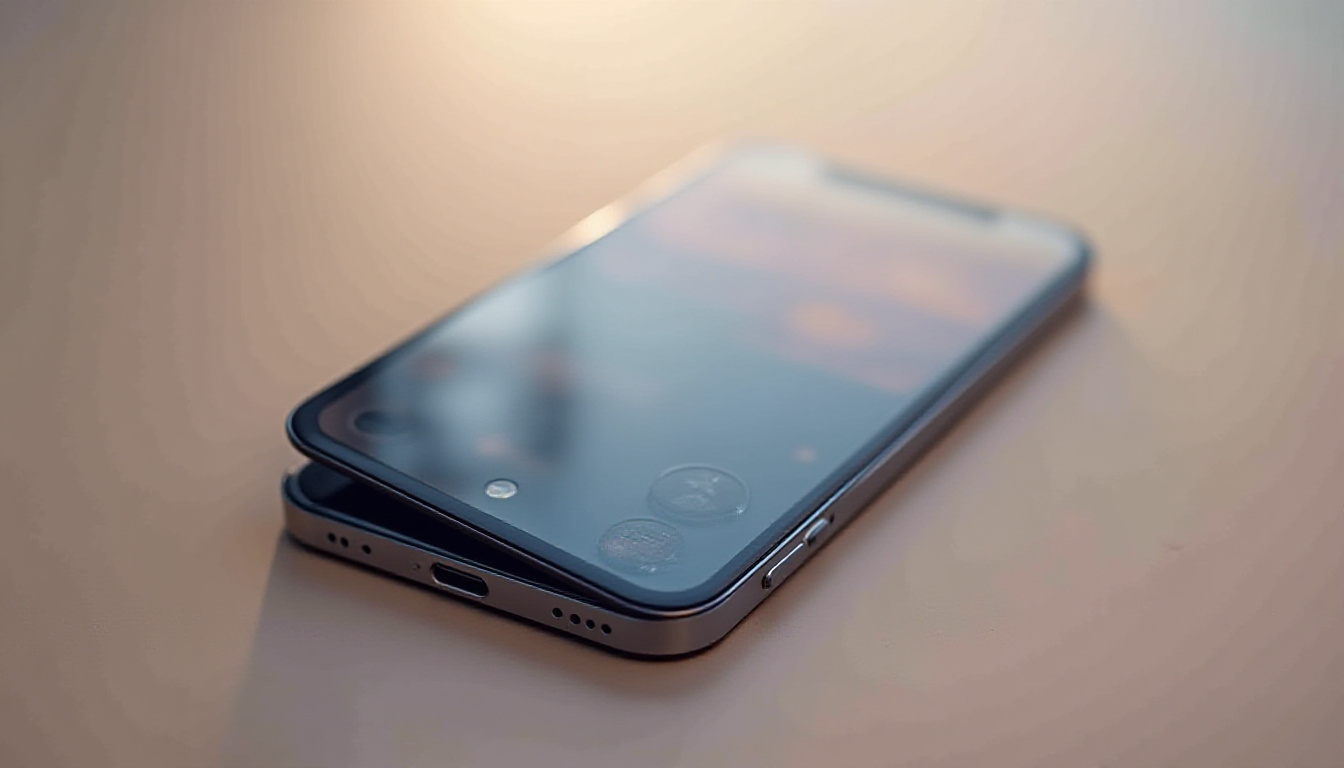
Two separate dummy units have been examined, and while they are clearly from different manufacturers, they tell a consistent story about the overall form factor. The iPhone Fold Ultra appears to be a booklet-style, passport-sized folding device — think vertical fold, not horizontal — that closes into a compact rectangle and opens into a larger display panel.
The key design details confirmed across both models include:
- A USB-C port on the bottom, which aligns with Apple's post-iPhone 15 direction
- Volume buttons and a power button on the sides
- Antenna bands visible on the chassis
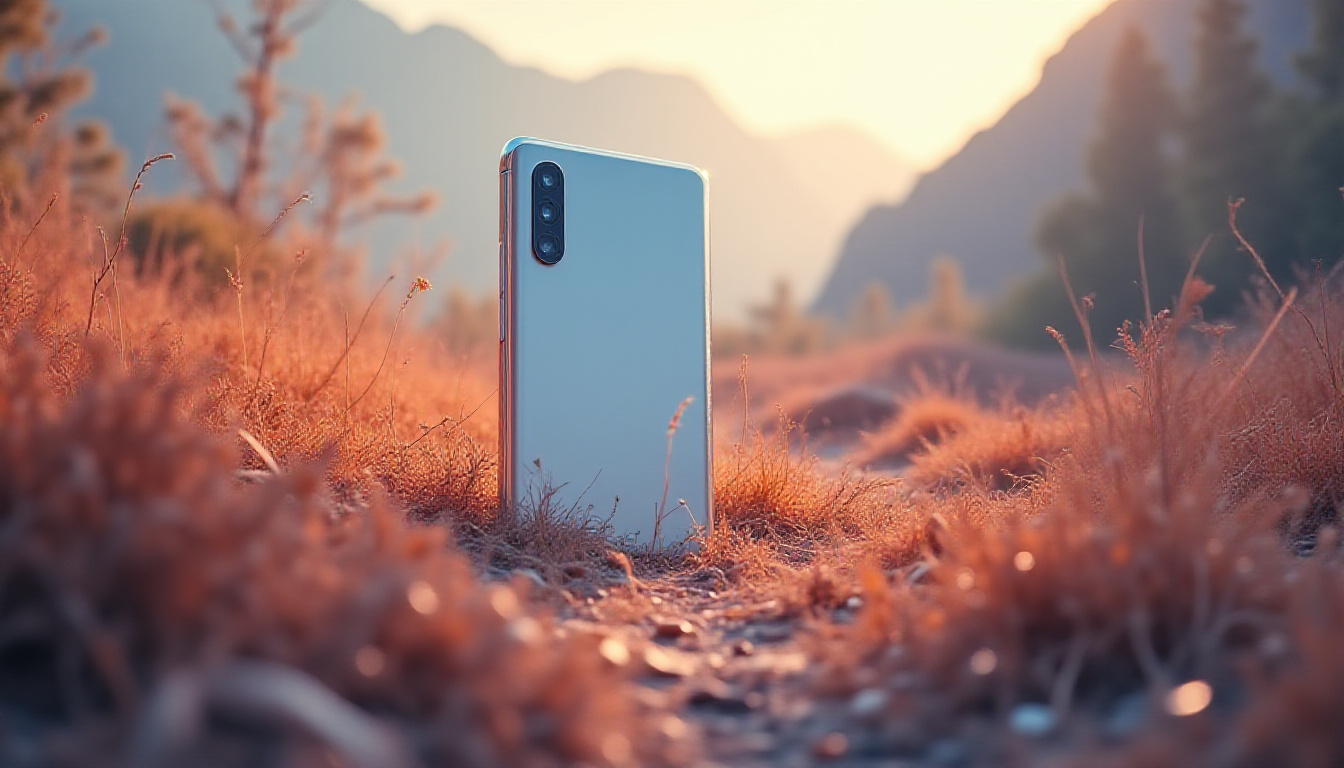
- A rear camera array that appears more refined on the newer dummy unit, with a noticeably smaller camera bump
- A front-facing camera positioned in the corner of the inner display — a detail that feels un-Apple-like and may not reflect the final design
- A dynamic island or pill cutout is conspicuously absent from what has been shown, though this could simply be a limitation of early dummy unit production
One of the most significant visual details: when the device is open, it presents a display that resembles an aspect ratio not unlike the Microsoft Surface Duo or early Pixel Fold territory. That is not a knock — it actually makes practical sense for multitasking and media consumption.
iPhone Fold Ultra Dimensions: How Thin Could It Actually Get?
Here is where things get genuinely interesting — and where you should apply a healthy degree of scepticism.
The newer of the two dummy units measures approximately 4.72 mm thick when unfolded. For context, the iPhone 17 Air — Apple's current benchmark for slim design — sits at around 5.76 mm. If the iPhone Fold Ultra truly launches at sub-5 mm thickness in its unfolded state, that would be a remarkable engineering achievement, especially for a device that needs to house a folding hinge mechanism and a battery large enough to power two display panels.
Folded — what you might call sandwich mode — the device appears to land somewhere around 9.18 mm, which puts it in the vicinity of a standard iPhone Pro. That is genuinely usable. It is not the thick brick that early Samsung foldables were criticised for.
The original dummy unit told a slightly different story, measuring closer to 5.68 mm unfolded — much more in line with the iPhone Air. Given that two separate manufacturers have produced these dummies independently and arrived at slightly different numbers, the safest assumption is that the final product will fall somewhere in between, likely leaning toward the thicker of the two measurements once real components, battery, and structural reinforcement are factored in.
Bottom line on dimensions: expect it to be impressively thin for a folding device, but temper expectations on matching the Air's profile.
Pocket Test and Form Factor: Who Is This Phone Actually For?
This is the question that matters most for the budget-conscious buyer. Folding phones have historically carried a painful premium — and for what? A party trick that most people use for about two weeks before reverting to flat-screen habits?
The iPhone Fold Ultra may be different for one specific reason: its footprint when folded is compact enough to be genuinely pocket-friendly. Unlike the Galaxy Z Fold series, which folds into a tall, narrow slab that competes awkwardly with normal pocket depth, the passport-style form factor here means the device is shorter when folded. It slides into a jeans pocket with less drama than you'd expect.
That matters. One of the most consistent complaints about foldables is that they solve a problem for desk users and content consumers while creating new problems for people who actually carry their phone in a pocket. Apple appears to have designed around that friction from the start.
Who benefits most from this form factor?
- Frequent travellers who want a tablet-adjacent experience without a second device
- Productivity users who want genuine split-screen multitasking on a phone
- Apple ecosystem users already invested in iPad workflows who want that experience in a pocket
Who should probably wait?
- Anyone on a tight budget — this will not be cheap
- Anyone who finds current large iPhones already unwieldy
- Early adopters burned by first-generation foldable durability issues on rival platforms
The Design Details That Don't Quite Add Up Yet
Honesty matters here. There are elements of these dummy units that raise legitimate questions, and glossing over them would do you a disservice.
The corner-mounted front camera on the inner display is the biggest head-scratcher. Apple has spent years engineering the Dynamic Island precisely to centralise the front camera experience and build UI interactions around it. Placing a selfie camera in the corner of the inner folding display feels inconsistent with that design philosophy. It is possible these dummy units simply cannot represent the final punch-hole or pill cutout position accurately — or it is possible Apple is making a deliberate choice for ergonomic reasons when the device is used horizontally. Either way, it is unconfirmed.
The hinge wobble observed on both units is also worth flagging. Wobble in dummy units is normal — these are non-functional shells — but the degree of play visible here is notable. Apple will need to deliver a hinge that is both rigid enough to feel premium and reliable enough to survive years of open-and-close cycles. That is an engineering challenge that has humbled every other manufacturer in this space at least once.
The dual camera arrangement on the inner panel — with cameras on both sides of the fold positioned close together — also seems physically ambitious. Whether Apple can miniaturise the necessary optics into that form factor without sacrificing the camera quality iPhone users expect remains an open question.
How Does It Compare to the Competition?
Context is important. The folding phone market is no longer experimental — it is a mature, if niche, category with established benchmarks.
Samsung Galaxy Z Fold 6 remains the category leader for Android, offering a 6.3-inch cover screen and 7.6-inch inner display with proven durability. It is excellent hardware, but it is thick folded and expensive.
Google Pixel 9 Pro Fold narrowed the gap with a more natural aspect ratio and Google's AI integration, making it arguably the most balanced foldable available today.
Microsoft's legacy is worth acknowledging here. The ill-fated Surface Duo — and before it, the never-released Courier concept from 2011 — explored exactly this dual-screen booklet paradigm. Microsoft was too early and too underpowered at the time. Apple arrives with the silicon, the software ecosystem, and the manufacturing scale to actually execute on what those concepts imagined.
Free Weekly Newsletter
Enjoying this guide?
Get the best articles like this one delivered to your inbox every week. No spam.
If the iPhone Fold Ultra launches with Apple Intelligence deeply integrated into the dual-display experience, it could leapfrog the competition not on hardware specs alone but on software cohesion. That has always been Apple's real advantage.
Verdict: Should You Care About the iPhone Fold Ultra Right Now?
Yes — but with calibrated expectations.
The iPhone Fold Ultra is shaping up to be a genuinely compelling device based on everything these dummy units suggest. The form factor is practical in a way that previous foldables were not. The dimensions, if accurate even partially, represent serious engineering ambition. And Apple's track record of entering a category late and then dominating it is hard to ignore.
But here is the honest bottom line: This is a first-generation Apple foldable. First-generation Apple products — AirPods, Apple Watch, even the original iPhone — often leave meaningful improvements on the table for version two. The price will almost certainly be eye-watering, likely north of $1,799 at launch based on comparable foldable pricing and Apple's typical positioning. The camera questions are unresolved. The hinge durability is unproven at scale.
If you are an early adopter who wants to be first and can absorb the cost and risk, the iPhone Fold Ultra looks like the most exciting Apple product in years. If you are a budget-conscious buyer who wants maximum value, wait for the second generation. Let the first wave of users stress-test the hinge, identify the software rough edges, and drive the used-market price down to something reasonable.
Either way, pay attention. Apple entering the folding phone market is not a minor footnote — it is the moment the category finally goes mainstream.
Frequently Asked Questions
What will the iPhone Fold Ultra be called officially?
Apple has not made any official announcement regarding the name. Current speculation suggests names like iPhone Fold, iPhone Ultra Fold, or iPhone 18 Ultra Fold, but nothing has been confirmed. Apple typically keeps naming conventions under wraps until launch day.
How thick is the iPhone Fold Ultra when folded?
Based on dummy unit measurements, the iPhone Fold Ultra appears to measure approximately 9.18 mm when folded — placing it close to the thickness of a current iPhone Pro. The unfolded thickness varies between dummy units, ranging from roughly 4.72 mm to 5.68 mm, so the final figure remains uncertain.
Will the iPhone Fold Ultra have a Dynamic Island?
The dummy units examined show a front-facing camera positioned in the corner of the inner display rather than a centralised Dynamic Island cutout. However, dummy units are often inaccurate on fine details like camera placement, and this detail may not reflect the final production design.
How much will the iPhone Fold Ultra cost?
No official pricing has been announced. Based on the pricing of competing flagship foldables and Apple's typical premium positioning, expect a starting price in the range of $1,799 to $2,099 or higher. This makes it a significant investment and one best approached with caution by budget-conscious buyers until the second-generation model arrives.
Is the iPhone Fold Ultra good for pocket use?
One of the more encouraging findings from the dummy units is the compact folded footprint. Unlike taller foldables that struggle to fit in standard pockets, the booklet-style form factor of the iPhone Fold Ultra appears to be pocket-friendly due to its shorter height when closed. This is one of its strongest practical advantages over rival foldables.
iPhone Fold Ultra
Considering it? See where the price stands today
Frequently Asked Questions
Apple Is Actually Doing This — And It Looks Different Than You'd Expect
For years, folding phones have been Samsung's playground. Motorola dabbled. Google tried with the Pixel Fold. But Apple? Apple watched, waited, and reportedly refined. Now, with multiple pre-production dummy units of what is being called the iPhone Fold Ultra — or iPhone Ultra Fold, or iPhone 18 Ultra Fold, nobody has the official name yet — surfacing ahead of any formal announcement, we are getting our clearest picture yet of what Apple's first folding iPhone will look like in the hand.
This is not a rumour roundup. This is a grounded, no-nonsense breakdown of what the dummy units reveal, what the dimensions suggest, where the design raises real questions, and whether this device is actually worth your money and attention. Let's get into it.
What the iPhone Fold Ultra Dummy Units Actually Show Us
Two separate dummy units have been examined, and while they are clearly from different manufacturers, they tell a consistent story about the overall form factor. The iPhone Fold Ultra appears to be a booklet-style, passport-sized folding device — think vertical fold, not horizontal — that closes into a compact rectangle and opens into a larger display panel.
The key design details confirmed across both models include:
- A USB-C port on the bottom, which aligns with Apple's post-iPhone 15 direction
- Volume buttons and a power button on the sides
- Antenna bands visible on the chassis
- A rear camera array that appears more refined on the newer dummy unit, with a noticeably smaller camera bump
- A front-facing camera positioned in the corner of the inner display — a detail that feels un-Apple-like and may not reflect the final design
- A dynamic island or pill cutout is conspicuously absent from what has been shown, though this could simply be a limitation of early dummy unit production
One of the most significant visual details: when the device is open, it presents a display that resembles an aspect ratio not unlike the Microsoft Surface Duo or early Pixel Fold territory. That is not a knock — it actually makes practical sense for multitasking and media consumption.
iPhone Fold Ultra Dimensions: How Thin Could It Actually Get?
Here is where things get genuinely interesting — and where you should apply a healthy degree of scepticism.
The newer of the two dummy units measures approximately 4.72 mm thick when unfolded. For context, the iPhone 17 Air — Apple's current benchmark for slim design — sits at around 5.76 mm. If the iPhone Fold Ultra truly launches at sub-5 mm thickness in its unfolded state, that would be a remarkable engineering achievement, especially for a device that needs to house a folding hinge mechanism and a battery large enough to power two display panels.
Folded — what you might call sandwich mode — the device appears to land somewhere around 9.18 mm, which puts it in the vicinity of a standard iPhone Pro. That is genuinely usable. It is not the thick brick that early Samsung foldables were criticised for.
The original dummy unit told a slightly different story, measuring closer to 5.68 mm unfolded — much more in line with the iPhone Air. Given that two separate manufacturers have produced these dummies independently and arrived at slightly different numbers, the safest assumption is that the final product will fall somewhere in between, likely leaning toward the thicker of the two measurements once real components, battery, and structural reinforcement are factored in.
Bottom line on dimensions: expect it to be impressively thin for a folding device, but temper expectations on matching the Air's profile.
Pocket Test and Form Factor: Who Is This Phone Actually For?
This is the question that matters most for the budget-conscious buyer. Folding phones have historically carried a painful premium — and for what? A party trick that most people use for about two weeks before reverting to flat-screen habits?
The iPhone Fold Ultra may be different for one specific reason: its footprint when folded is compact enough to be genuinely pocket-friendly. Unlike the Galaxy Z Fold series, which folds into a tall, narrow slab that competes awkwardly with normal pocket depth, the passport-style form factor here means the device is shorter when folded. It slides into a jeans pocket with less drama than you'd expect.
That matters. One of the most consistent complaints about foldables is that they solve a problem for desk users and content consumers while creating new problems for people who actually carry their phone in a pocket. Apple appears to have designed around that friction from the start.
Who benefits most from this form factor?
- Frequent travellers who want a tablet-adjacent experience without a second device
- Productivity users who want genuine split-screen multitasking on a phone
- Apple ecosystem users already invested in iPad workflows who want that experience in a pocket
Who should probably wait?
- Anyone on a tight budget — this will not be cheap
- Anyone who finds current large iPhones already unwieldy
- Early adopters burned by first-generation foldable durability issues on rival platforms
The Design Details That Don't Quite Add Up Yet
Honesty matters here. There are elements of these dummy units that raise legitimate questions, and glossing over them would do you a disservice.
The corner-mounted front camera on the inner display is the biggest head-scratcher. Apple has spent years engineering the Dynamic Island precisely to centralise the front camera experience and build UI interactions around it. Placing a selfie camera in the corner of the inner folding display feels inconsistent with that design philosophy. It is possible these dummy units simply cannot represent the final punch-hole or pill cutout position accurately — or it is possible Apple is making a deliberate choice for ergonomic reasons when the device is used horizontally. Either way, it is unconfirmed.
The hinge wobble observed on both units is also worth flagging. Wobble in dummy units is normal — these are non-functional shells — but the degree of play visible here is notable. Apple will need to deliver a hinge that is both rigid enough to feel premium and reliable enough to survive years of open-and-close cycles. That is an engineering challenge that has humbled every other manufacturer in this space at least once.
The dual camera arrangement on the inner panel — with cameras on both sides of the fold positioned close together — also seems physically ambitious. Whether Apple can miniaturise the necessary optics into that form factor without sacrificing the camera quality iPhone users expect remains an open question.
How Does It Compare to the Competition?
Context is important. The folding phone market is no longer experimental — it is a mature, if niche, category with established benchmarks.
Samsung Galaxy Z Fold 6 remains the category leader for Android, offering a 6.3-inch cover screen and 7.6-inch inner display with proven durability. It is excellent hardware, but it is thick folded and expensive.
Google Pixel 9 Pro Fold narrowed the gap with a more natural aspect ratio and Google's AI integration, making it arguably the most balanced foldable available today.
Microsoft's legacy is worth acknowledging here. The ill-fated Surface Duo — and before it, the never-released Courier concept from 2011 — explored exactly this dual-screen booklet paradigm. Microsoft was too early and too underpowered at the time. Apple arrives with the silicon, the software ecosystem, and the manufacturing scale to actually execute on what those concepts imagined.
If the iPhone Fold Ultra launches with Apple Intelligence deeply integrated into the dual-display experience, it could leapfrog the competition not on hardware specs alone but on software cohesion. That has always been Apple's real advantage.
Verdict: Should You Care About the iPhone Fold Ultra Right Now?
Yes — but with calibrated expectations.
The iPhone Fold Ultra is shaping up to be a genuinely compelling device based on everything these dummy units suggest. The form factor is practical in a way that previous foldables were not. The dimensions, if accurate even partially, represent serious engineering ambition. And Apple's track record of entering a category late and then dominating it is hard to ignore.
But here is the honest bottom line: This is a first-generation Apple foldable. First-generation Apple products — AirPods, Apple Watch, even the original iPhone — often leave meaningful improvements on the table for version two. The price will almost certainly be eye-watering, likely north of $1,799 at launch based on comparable foldable pricing and Apple's typical positioning. The camera questions are unresolved. The hinge durability is unproven at scale.
If you are an early adopter who wants to be first and can absorb the cost and risk, the iPhone Fold Ultra looks like the most exciting Apple product in years. If you are a budget-conscious buyer who wants maximum value, wait for the second generation. Let the first wave of users stress-test the hinge, identify the software rough edges, and drive the used-market price down to something reasonable.
Either way, pay attention. Apple entering the folding phone market is not a minor footnote — it is the moment the category finally goes mainstream.
Frequently Asked Questions
What will the iPhone Fold Ultra be called officially?
Apple has not made any official announcement regarding the name. Current speculation suggests names like iPhone Fold, iPhone Ultra Fold, or iPhone 18 Ultra Fold, but nothing has been confirmed. Apple typically keeps naming conventions under wraps until launch day.
How thick is the iPhone Fold Ultra when folded?
Based on dummy unit measurements, the iPhone Fold Ultra appears to measure approximately 9.18 mm when folded — placing it close to the thickness of a current iPhone Pro. The unfolded thickness varies between dummy units, ranging from roughly 4.72 mm to 5.68 mm, so the final figure remains uncertain.
Will the iPhone Fold Ultra have a Dynamic Island?
The dummy units examined show a front-facing camera positioned in the corner of the inner display rather than a centralised Dynamic Island cutout. However, dummy units are often inaccurate on fine details like camera placement, and this detail may not reflect the final production design.
How much will the iPhone Fold Ultra cost?
No official pricing has been announced. Based on the pricing of competing flagship foldables and Apple's typical premium positioning, expect a starting price in the range of $1,799 to $2,099 or higher. This makes it a significant investment and one best approached with caution by budget-conscious buyers until the second-generation model arrives.
Is the iPhone Fold Ultra good for pocket use?
One of the more encouraging findings from the dummy units is the compact folded footprint. Unlike taller foldables that struggle to fit in standard pockets, the booklet-style form factor of the iPhone Fold Ultra appears to be pocket-friendly due to its shorter height when closed. This is one of its strongest practical advantages over rival foldables.
iPhone Fold Ultra
Ready to decide? Compare the current price before you buy
About Zeebrain Editorial
Zeebrain publishes independent analysis of markets, investing, personal finance, and business. We disclose affiliate relationships, never accept payment for coverage, and fact-check all claims against primary sources. Read our editorial policy →
How this article was produced: Zeebrain articles are created with AI assistance from primary sources (including cited videos and market data) and reviewed under our editorial standards before publication. Spot an error? Tell us and we will correct it.
Disclaimer: Content on Zeebrain is for informational and educational purposes only and does not constitute financial advice or a recommendation to buy or sell any security. Always conduct your own research and consult a qualified financial adviser before making investment decisions. Past performance is not indicative of future results.
More from Reviews




Related Guides
Keep exploring this topic
Explore More on Zeebrain
Keep browsing by topic, or put the numbers to work with our free tools.