How Memories Form, Change and Rewire Your Brain
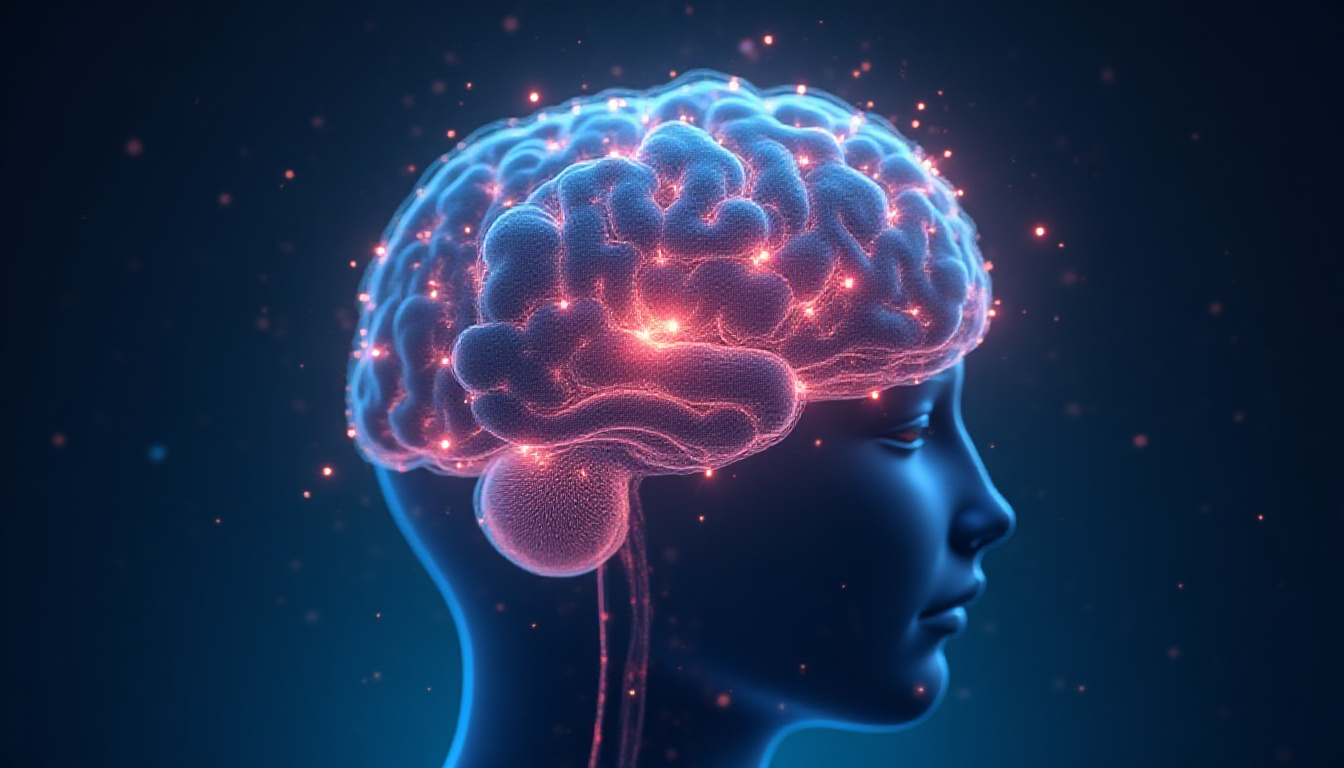
Quick Summary
Discover the neuroscience of how memories form, why recalling them changes them, and what that means for your identity, learning, and mental health.
In This Article
Your Memories Are Not What You Think They Are
Here is an uncomfortable fact about how memories work: the moment you recall a memory, you begin altering it. Not metaphorically. Not slightly. The very act of remembering rewires the neural architecture that stores the experience. Neuroscientists have known this for decades, yet the implications remain deeply underappreciated — not just for how we understand the past, but for how we make decisions, form identities, and even heal psychological wounds.

Memory is not a recording. It is not a photograph sitting in a drawer, perfectly preserved from the day it was taken. It is closer to a wax sculpture — detailed and solid, yes, but capable of softening and reshaping every time you bring it into the light of your attention. Understanding the biology behind this process is one of the most practically useful things you can do, whether you are a student trying to retain information, a professional trying to make better decisions, or simply someone trying to understand why your recollection of a shared event differs so dramatically from everyone else who was there.
The Neural Architecture Behind Every Memory
To understand how memories form, you need a working model of what the brain is actually doing at the cellular level. The human brain contains roughly 86 billion neurons, each connected to as many as 10,000 others through synapses — the electrochemical junctions where one neuron's electrical signal is converted into chemical messengers, crosses a microscopic gap, and triggers electrical activity in the next cell. The total number of synaptic connections in a single human brain is estimated at over 100 trillion. For context, that is approximately 1,000 times the number of stars in the Milky Way galaxy.
What makes this network functionally meaningful is a principle first described by Canadian psychologist Donald Hebb in 1949: neurons that fire together, wire together. When two neurons activate simultaneously, the synapse between them strengthens. Repeat this co-activation enough times and the connection becomes robust — the cellular basis of learning and memory.
At a larger scale, neurons self-organise into columnar structures. These cortical columns act as specialised processing units, each handling a narrow slice of sensory input: edge detection in the visual cortex, specific pitch ranges in the auditory cortex, pressure gradients in the somatosensory cortex. When you experience something — say, watching a storm roll in — dozens of these columns fire simultaneously across multiple brain regions. Vision, sound, temperature, emotional state, spatial location: all of these signals are processed in parallel and then integrated into what researchers call a neural assembly, a transient but coherent pattern of synchronised activity spread across the brain. That assembly is the experience, encoded in real time.
How the Brain Decides What to Keep
Not every assembly gets preserved. The brain is constantly generating these patterns and then discarding them. Most moments — the taste of your coffee last Tuesday, the face of a stranger you passed on the street — vanish without a trace. The brain applies something close to a competitive selection mechanism: assemblies compete for dominance, and the winners are the ones the brain flags as worth remembering.
Three factors dramatically increase the likelihood that a memory will consolidate into long-term storage.
Novelty triggers a neurochemical response that primes neurons for structural change. When something genuinely unexpected happens — a crow and a squirrel in a genuinely bizarre territorial dispute, for instance — the brain's dopaminergic systems respond, flooding the relevant neurons with chemicals that make synaptic strengthening far more likely.
Repetition does the obvious work of reactivating the assembly, each pass deepening the synaptic grooves. This is the mechanism behind spaced repetition, arguably the most empirically supported learning technique available. Studies by Hermann Ebbinghaus in the 19th century and replicated countless times since show that reviewing information at expanding intervals — rather than massing study into a single session — dramatically improves long-term retention.
Emotional intensity is perhaps the most powerful consolidation trigger. The amygdala, which processes emotional salience, has direct connections to the hippocampus — the brain's primary memory indexing structure. When the amygdala signals that something is emotionally significant, it effectively stamps the associated memory as high priority. This is why you almost certainly remember exactly where you were during a major personal or world event, but cannot recall what you had for breakfast three days ago. Evolution did not design memory for accuracy; it designed memory to preserve information that seemed to matter for survival.
The hippocampus coordinates all of this, acting as a kind of indexing librarian — not the final storage site, but the structure that creates a map of which cortical regions need to reactivate together to reconstruct the full experience. Damage to the hippocampus, as seen in patients like the famous amnesiac H.M., leaves older long-term memories intact while completely disrupting the formation of new ones — strong evidence that the hippocampus is critical during encoding and early consolidation, but that memories eventually migrate to distributed cortical storage.
Sleep Is Not Optional for Memory Consolidation
One of the more striking findings in memory neuroscience is the role of sleep in locking memories into long-term storage. During slow-wave sleep, the hippocampus replays the day's neural assemblies — essentially rehearsing experiences at accelerated speed to transfer them into cortical long-term storage. During REM sleep, the brain appears to integrate new memories with existing knowledge, finding connections and patterns.
Research from Matthew Walker's lab at UC Berkeley and others has shown that a single night of sleep deprivation reduces the hippocampus's ability to encode new memories by up to 40%. That is not a marginal effect. If you are studying for an exam, pulling an all-nighter is not just unhelpful — it is actively counterproductive. The consolidation window that sleep provides cannot simply be recovered later. The assembly weakens, synaptic strengthening reverses, and the memory fades.
For knowledge workers and students alike, this is actionable: consistent sleep is not a lifestyle choice that competes with productivity. It is a core component of cognitive performance.
Why Recalling a Memory Changes It
This is where the neuroscience becomes genuinely counterintuitive — and where most people's mental model of memory breaks down entirely.
When you retrieve a memory, the hippocampus locates the relevant neural assembly and reactivates it. The experience — the crow, the squirrel, the stolen nut — plays out again in your mind. But here is what most people do not appreciate: the neurons that constitute that assembly are once again bathed in the same chemicals that made them plastic during initial encoding. They become malleable again.
This process is called reconsolidation. First described in detail in landmark experiments by Karim Nader and colleagues in the early 2000s using fear-conditioned rats, reconsolidation shows that retrieved memories must be re-stabilised after each recall — and during that window, they are vulnerable to modification. Whatever emotional context, new information, or expectations are present during retrieval get woven into the reactivated assembly. The memory that re-stores is subtly, sometimes dramatically, different from the one that was retrieved.
Practically: the story you tell at dinner about a funny incident becomes funnier with each telling — not because you are embellishing intentionally, but because each telling occurs in a social context that rewards humour, and that context rewrites the memory's emotional tone. The more vividly and repeatedly you recall something, the further it may drift from the original experience. Ironically, the confidence you feel about a vivid memory reflects the strength of its neural assembly, not its accuracy.
This finding has serious implications beyond dinner-party anecdotes. Eyewitness testimony, which the legal system has long treated as highly reliable, is now understood to be deeply vulnerable to reconsolidation effects. Elizabeth Loftus's decades of research demonstrate that simply asking leading questions after an event can implant false details into witnesses' memories — details they later recall with full confidence as genuine.
Therapeutic Memory Reconsolidation: Rewriting Painful Lore
If reconsolidation sounds alarming, it also opens one of the most promising avenues in modern psychotherapy. The same mechanism that allows memories to drift can be deliberately leveraged to reduce the emotional charge of traumatic ones.
In trauma-focused therapies — including certain protocols within EMDR (Eye Movement Desensitisation and Reprocessing) and memory reconsolidation therapy — therapists guide patients to reactivate traumatic memories in a safe, regulated environment. During the reconsolidation window, the new context (safety, calm, therapeutic support) is incorporated into the re-storing memory. Over repeated sessions, the memory's emotional valence can change substantially, not by erasing the event, but by literally altering the neural assembly that encodes it.
This is not metaphorical healing. It is structural change at the synaptic level. Research published in journals like Nature Neuroscience has begun mapping the molecular mechanisms involved — including the role of NMDA receptors and specific protein synthesis pathways — suggesting that pharmacological interventions targeting the reconsolidation window may one day supplement or enhance therapeutic outcomes for PTSD and anxiety disorders.
The takeaway is both humbling and encouraging: your past is not as fixed as it feels. The neural lore of your life can be revised — and in carefully structured contexts, that revision can move toward greater wellbeing rather than distortion.
What This Means for How You Live and Learn
Free Weekly Newsletter
Enjoying this guide?
Get the best articles like this one delivered to your inbox every week. No spam.
Pulling the neuroscience back into practical territory, here is what the biology of memory actually implies for everyday life.
Seek novelty deliberately. Routine is cognitively efficient but memorial invisible. Novel experiences trigger stronger encoding. This is partly why childhood memories feel so dense — nearly everything was novel — and why adult years can seem to blur. Introducing genuine novelty into your routine is not frivolous; it is neurologically meaningful.
Use spaced repetition for anything you actually want to retain. The forgetting curve is steep. Reviewing material once, 24 hours after initial exposure, then again at one week, then one month, creates a compounding retention effect that massed study cannot replicate.
Understand that your strongest memories are not necessarily your most accurate ones. Vivid recall signals a strong assembly, not a faithful one. Apply this to interpersonal conflicts, personal narratives about past events, and any situation where you feel certain about something you have not independently verified.
Protect your sleep. Treat it as infrastructure, not indulgence. The consolidation work that happens during sleep cannot be substituted with caffeine or willpower.
Consider how you revisit painful memories. Ruminating in isolation tends to reinforce distress without introducing new context. Revisiting memories in constructive frames — through therapy, journaling with deliberate reframing, or conversation with trusted others — leverages reconsolidation in a productive direction.
Memory is the biological substrate of identity, and the neuroscience is clear: it is a dynamic, updatable system rather than a static archive. That is not a flaw. It is the mechanism by which you remain capable of growth. The wax is always slightly warm. The question is whether you are being intentional about what shapes it.
Frequently Asked Questions
Q: Are some people naturally better at forming memories than others? Yes, to a meaningful degree. Genetic factors influence hippocampal volume, dopamine receptor density, and baseline norepinephrine levels — all of which affect encoding efficiency. However, behavioural factors like sleep quality, novelty-seeking, emotional engagement, and spaced repetition have substantial effects that can outweigh natural variation for most practical purposes. Superior autobiographical memory (hyperthymesia), seen in a small number of documented individuals, appears to involve structural differences in several brain regions, but also tends to come with compulsive involuntary recall rather than being purely advantageous.
Q: Can a memory be completely false yet feel entirely real? Absolutely, and this is one of the most well-documented phenomena in memory research. Elizabeth Loftus and colleagues have reliably implanted entirely fabricated memories — including emotionally significant ones like being lost in a shopping mall as a child — in a meaningful proportion of experimental subjects, who later recall these events with confidence and detail. The subjective sense of vivid, confident recall reflects the strength of the neural assembly, not its correspondence to actual events. This has significant implications for therapy settings, legal proceedings, and personal introspection.
Q: Why do emotional memories feel so much more vivid than ordinary ones? The amygdala — the brain's emotional processing hub — has dense projections into the hippocampus and directly modulates memory consolidation. When you experience strong emotion, the amygdala triggers the release of stress hormones including norepinephrine and cortisol, which enhance synaptic plasticity in the memory-encoding circuits. This system evolved to ensure that high-stakes events (predators, social conflict, reproductive opportunities) are retained with priority. The vividness of emotional memories reflects stronger and more widely distributed neural assemblies — though as noted, vividness does not guarantee accuracy, and emotional memories are just as subject to reconsolidation distortion as any others.
Q: Does sleep deprivation really affect memory as severely as research suggests? The data are quite consistent on this. Studies from multiple independent labs show that acute sleep deprivation significantly impairs both encoding (the formation of new memories) and consolidation (the overnight stabilisation of recently formed ones). Matthew Walker's research at UC Berkeley found up to a 40% reduction in hippocampal encoding capacity after one night without sleep. Chronic partial sleep restriction — getting six hours instead of eight, for instance — produces cumulative deficits that subjects often fail to notice subjectively, even as their cognitive performance measurably declines. For anyone engaged in serious learning, memory consolidation is a strong evidence-based argument for prioritising sleep duration and quality.
Frequently Asked Questions
Your Memories Are Not What You Think They Are
Here is an uncomfortable fact about how memories work: the moment you recall a memory, you begin altering it. Not metaphorically. Not slightly. The very act of remembering rewires the neural architecture that stores the experience. Neuroscientists have known this for decades, yet the implications remain deeply underappreciated — not just for how we understand the past, but for how we make decisions, form identities, and even heal psychological wounds.
Memory is not a recording. It is not a photograph sitting in a drawer, perfectly preserved from the day it was taken. It is closer to a wax sculpture — detailed and solid, yes, but capable of softening and reshaping every time you bring it into the light of your attention. Understanding the biology behind this process is one of the most practically useful things you can do, whether you are a student trying to retain information, a professional trying to make better decisions, or simply someone trying to understand why your recollection of a shared event differs so dramatically from everyone else who was there.
The Neural Architecture Behind Every Memory
To understand how memories form, you need a working model of what the brain is actually doing at the cellular level. The human brain contains roughly 86 billion neurons, each connected to as many as 10,000 others through synapses — the electrochemical junctions where one neuron's electrical signal is converted into chemical messengers, crosses a microscopic gap, and triggers electrical activity in the next cell. The total number of synaptic connections in a single human brain is estimated at over 100 trillion. For context, that is approximately 1,000 times the number of stars in the Milky Way galaxy.
What makes this network functionally meaningful is a principle first described by Canadian psychologist Donald Hebb in 1949: neurons that fire together, wire together. When two neurons activate simultaneously, the synapse between them strengthens. Repeat this co-activation enough times and the connection becomes robust — the cellular basis of learning and memory.
At a larger scale, neurons self-organise into columnar structures. These cortical columns act as specialised processing units, each handling a narrow slice of sensory input: edge detection in the visual cortex, specific pitch ranges in the auditory cortex, pressure gradients in the somatosensory cortex. When you experience something — say, watching a storm roll in — dozens of these columns fire simultaneously across multiple brain regions. Vision, sound, temperature, emotional state, spatial location: all of these signals are processed in parallel and then integrated into what researchers call a neural assembly, a transient but coherent pattern of synchronised activity spread across the brain. That assembly is the experience, encoded in real time.
How the Brain Decides What to Keep
Not every assembly gets preserved. The brain is constantly generating these patterns and then discarding them. Most moments — the taste of your coffee last Tuesday, the face of a stranger you passed on the street — vanish without a trace. The brain applies something close to a competitive selection mechanism: assemblies compete for dominance, and the winners are the ones the brain flags as worth remembering.
Three factors dramatically increase the likelihood that a memory will consolidate into long-term storage.
Novelty triggers a neurochemical response that primes neurons for structural change. When something genuinely unexpected happens — a crow and a squirrel in a genuinely bizarre territorial dispute, for instance — the brain's dopaminergic systems respond, flooding the relevant neurons with chemicals that make synaptic strengthening far more likely.
Repetition does the obvious work of reactivating the assembly, each pass deepening the synaptic grooves. This is the mechanism behind spaced repetition, arguably the most empirically supported learning technique available. Studies by Hermann Ebbinghaus in the 19th century and replicated countless times since show that reviewing information at expanding intervals — rather than massing study into a single session — dramatically improves long-term retention.
Emotional intensity is perhaps the most powerful consolidation trigger. The amygdala, which processes emotional salience, has direct connections to the hippocampus — the brain's primary memory indexing structure. When the amygdala signals that something is emotionally significant, it effectively stamps the associated memory as high priority. This is why you almost certainly remember exactly where you were during a major personal or world event, but cannot recall what you had for breakfast three days ago. Evolution did not design memory for accuracy; it designed memory to preserve information that seemed to matter for survival.
The hippocampus coordinates all of this, acting as a kind of indexing librarian — not the final storage site, but the structure that creates a map of which cortical regions need to reactivate together to reconstruct the full experience. Damage to the hippocampus, as seen in patients like the famous amnesiac H.M., leaves older long-term memories intact while completely disrupting the formation of new ones — strong evidence that the hippocampus is critical during encoding and early consolidation, but that memories eventually migrate to distributed cortical storage.
Sleep Is Not Optional for Memory Consolidation
One of the more striking findings in memory neuroscience is the role of sleep in locking memories into long-term storage. During slow-wave sleep, the hippocampus replays the day's neural assemblies — essentially rehearsing experiences at accelerated speed to transfer them into cortical long-term storage. During REM sleep, the brain appears to integrate new memories with existing knowledge, finding connections and patterns.
Research from Matthew Walker's lab at UC Berkeley and others has shown that a single night of sleep deprivation reduces the hippocampus's ability to encode new memories by up to 40%. That is not a marginal effect. If you are studying for an exam, pulling an all-nighter is not just unhelpful — it is actively counterproductive. The consolidation window that sleep provides cannot simply be recovered later. The assembly weakens, synaptic strengthening reverses, and the memory fades.
For knowledge workers and students alike, this is actionable: consistent sleep is not a lifestyle choice that competes with productivity. It is a core component of cognitive performance.
Why Recalling a Memory Changes It
This is where the neuroscience becomes genuinely counterintuitive — and where most people's mental model of memory breaks down entirely.
When you retrieve a memory, the hippocampus locates the relevant neural assembly and reactivates it. The experience — the crow, the squirrel, the stolen nut — plays out again in your mind. But here is what most people do not appreciate: the neurons that constitute that assembly are once again bathed in the same chemicals that made them plastic during initial encoding. They become malleable again.
This process is called reconsolidation. First described in detail in landmark experiments by Karim Nader and colleagues in the early 2000s using fear-conditioned rats, reconsolidation shows that retrieved memories must be re-stabilised after each recall — and during that window, they are vulnerable to modification. Whatever emotional context, new information, or expectations are present during retrieval get woven into the reactivated assembly. The memory that re-stores is subtly, sometimes dramatically, different from the one that was retrieved.
Practically: the story you tell at dinner about a funny incident becomes funnier with each telling — not because you are embellishing intentionally, but because each telling occurs in a social context that rewards humour, and that context rewrites the memory's emotional tone. The more vividly and repeatedly you recall something, the further it may drift from the original experience. Ironically, the confidence you feel about a vivid memory reflects the strength of its neural assembly, not its accuracy.
This finding has serious implications beyond dinner-party anecdotes. Eyewitness testimony, which the legal system has long treated as highly reliable, is now understood to be deeply vulnerable to reconsolidation effects. Elizabeth Loftus's decades of research demonstrate that simply asking leading questions after an event can implant false details into witnesses' memories — details they later recall with full confidence as genuine.
Therapeutic Memory Reconsolidation: Rewriting Painful Lore
If reconsolidation sounds alarming, it also opens one of the most promising avenues in modern psychotherapy. The same mechanism that allows memories to drift can be deliberately leveraged to reduce the emotional charge of traumatic ones.
In trauma-focused therapies — including certain protocols within EMDR (Eye Movement Desensitisation and Reprocessing) and memory reconsolidation therapy — therapists guide patients to reactivate traumatic memories in a safe, regulated environment. During the reconsolidation window, the new context (safety, calm, therapeutic support) is incorporated into the re-storing memory. Over repeated sessions, the memory's emotional valence can change substantially, not by erasing the event, but by literally altering the neural assembly that encodes it.
This is not metaphorical healing. It is structural change at the synaptic level. Research published in journals like Nature Neuroscience has begun mapping the molecular mechanisms involved — including the role of NMDA receptors and specific protein synthesis pathways — suggesting that pharmacological interventions targeting the reconsolidation window may one day supplement or enhance therapeutic outcomes for PTSD and anxiety disorders.
The takeaway is both humbling and encouraging: your past is not as fixed as it feels. The neural lore of your life can be revised — and in carefully structured contexts, that revision can move toward greater wellbeing rather than distortion.
What This Means for How You Live and Learn
Pulling the neuroscience back into practical territory, here is what the biology of memory actually implies for everyday life.
Seek novelty deliberately. Routine is cognitively efficient but memorial invisible. Novel experiences trigger stronger encoding. This is partly why childhood memories feel so dense — nearly everything was novel — and why adult years can seem to blur. Introducing genuine novelty into your routine is not frivolous; it is neurologically meaningful.
Use spaced repetition for anything you actually want to retain. The forgetting curve is steep. Reviewing material once, 24 hours after initial exposure, then again at one week, then one month, creates a compounding retention effect that massed study cannot replicate.
Understand that your strongest memories are not necessarily your most accurate ones. Vivid recall signals a strong assembly, not a faithful one. Apply this to interpersonal conflicts, personal narratives about past events, and any situation where you feel certain about something you have not independently verified.
Protect your sleep. Treat it as infrastructure, not indulgence. The consolidation work that happens during sleep cannot be substituted with caffeine or willpower.
Consider how you revisit painful memories. Ruminating in isolation tends to reinforce distress without introducing new context. Revisiting memories in constructive frames — through therapy, journaling with deliberate reframing, or conversation with trusted others — leverages reconsolidation in a productive direction.
Memory is the biological substrate of identity, and the neuroscience is clear: it is a dynamic, updatable system rather than a static archive. That is not a flaw. It is the mechanism by which you remain capable of growth. The wax is always slightly warm. The question is whether you are being intentional about what shapes it.
Frequently Asked Questions
Q: Are some people naturally better at forming memories than others? Yes, to a meaningful degree. Genetic factors influence hippocampal volume, dopamine receptor density, and baseline norepinephrine levels — all of which affect encoding efficiency. However, behavioural factors like sleep quality, novelty-seeking, emotional engagement, and spaced repetition have substantial effects that can outweigh natural variation for most practical purposes. Superior autobiographical memory (hyperthymesia), seen in a small number of documented individuals, appears to involve structural differences in several brain regions, but also tends to come with compulsive involuntary recall rather than being purely advantageous.
Q: Can a memory be completely false yet feel entirely real? Absolutely, and this is one of the most well-documented phenomena in memory research. Elizabeth Loftus and colleagues have reliably implanted entirely fabricated memories — including emotionally significant ones like being lost in a shopping mall as a child — in a meaningful proportion of experimental subjects, who later recall these events with confidence and detail. The subjective sense of vivid, confident recall reflects the strength of the neural assembly, not its correspondence to actual events. This has significant implications for therapy settings, legal proceedings, and personal introspection.
Q: Why do emotional memories feel so much more vivid than ordinary ones? The amygdala — the brain's emotional processing hub — has dense projections into the hippocampus and directly modulates memory consolidation. When you experience strong emotion, the amygdala triggers the release of stress hormones including norepinephrine and cortisol, which enhance synaptic plasticity in the memory-encoding circuits. This system evolved to ensure that high-stakes events (predators, social conflict, reproductive opportunities) are retained with priority. The vividness of emotional memories reflects stronger and more widely distributed neural assemblies — though as noted, vividness does not guarantee accuracy, and emotional memories are just as subject to reconsolidation distortion as any others.
Q: Does sleep deprivation really affect memory as severely as research suggests? The data are quite consistent on this. Studies from multiple independent labs show that acute sleep deprivation significantly impairs both encoding (the formation of new memories) and consolidation (the overnight stabilisation of recently formed ones). Matthew Walker's research at UC Berkeley found up to a 40% reduction in hippocampal encoding capacity after one night without sleep. Chronic partial sleep restriction — getting six hours instead of eight, for instance — produces cumulative deficits that subjects often fail to notice subjectively, even as their cognitive performance measurably declines. For anyone engaged in serious learning, memory consolidation is a strong evidence-based argument for prioritising sleep duration and quality.
About Zeebrain Editorial
Zeebrain publishes independent analysis of markets, investing, personal finance, and business. We disclose affiliate relationships, never accept payment for coverage, and fact-check all claims against primary sources. Read our editorial policy →
How this article was produced: Zeebrain articles are created with AI assistance from primary sources (including cited videos and market data) and reviewed under our editorial standards before publication. Spot an error? Tell us and we will correct it.
More from Science & Tech




Related Guides
Keep exploring this topic
Body Language Mirroring: Build Instant Connection & Trust
Psychology · body language · mirroring
Do Animals Have Minds? What Science Actually Reveals
Science & Tech · animal cognition · consciousness
How to Control Sugar Cravings Using Brain Science
Lifestyle & Hacks · sugar cravings · metabolism
The Neuroscience of Speech, Language & Music Explained
Lifestyle & Hacks · neuroscience · speech and language
Explore More Categories
Keep browsing by topic and build depth around the subjects you care about most.