Future of Travel: How Autonomous Vehicles and AI are Shaping Our Journeys
Quick Summary
Future of Travel: How Autonomous Vehicles and AI are Shaping Our Journeys Get ready to transform your travel experience from mundane to magical. Autonomous vehicles and artificial...
In This Article
Future of Travel: How Autonomous Vehicles and AI are Shaping Our Journeys
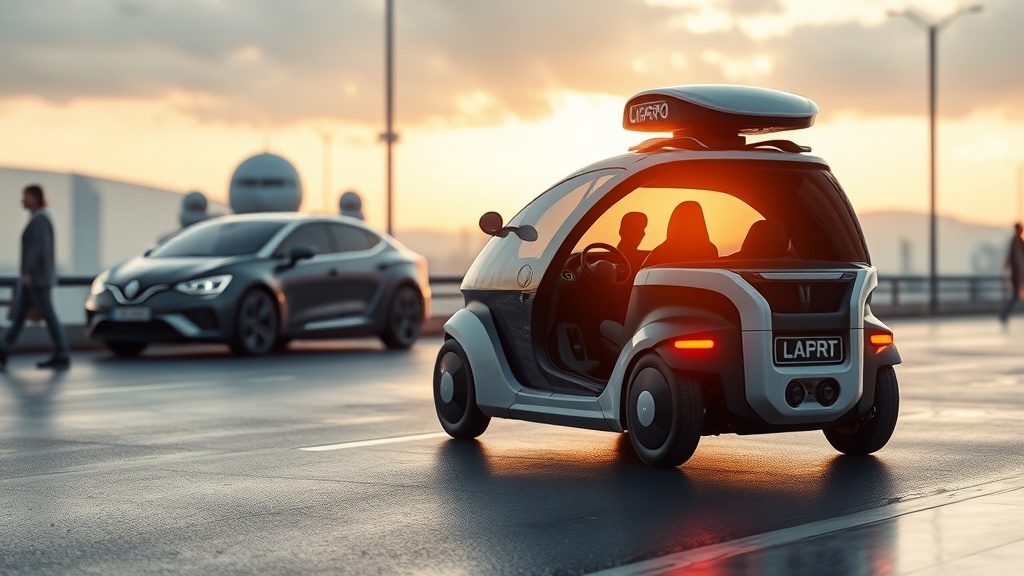
Get ready to transform your travel experience from mundane to magical. Autonomous vehicles and artificial intelligence are not just futuristic fantasies; they are actively reshaping how Americans plan, journey, and experience destinations, promising unprecedented convenience, personalization, and efficiency. From self-driving taxis navigating cityscapes to AI-powered itinerary planners, these technologies are poised to redefine every aspect of our adventures.

The Dawn of Driverless Journeys: More Than Just a Ride
The concept of a car driving itself has moved from sci-fi screens to our streets, profoundly impacting the initial leg of many journeys: transportation. Companies like Waymo and Cruise are already operating fully autonomous ride-hailing services in cities like Phoenix, San Francisco, and Austin, offering a glimpse into a driverless future. Waymo, Google's self-driving car unit, recently expanded its operations in Phoenix to cover 180 square miles, facilitating tens of thousands of rides weekly without a human behind the wheel. For travelers, this means eliminating the stress of navigating unfamiliar roads, finding parking, or even interacting with a human driver. Imagine stepping off a plane at Sky Harbor, and an autonomous vehicle (AV) is already waiting, ready to whisk you directly to your Airbnb or hotel, turning transit time into relaxation or productivity.
Beyond urban ride-sharing, the implications for long-distance travel are significant. Trucking companies are investing heavily in autonomous freight to mitigate driver shortages and improve logistics. While fully autonomous long-haul passenger vehicles are further off, the technology being developed for freight will inevitably trickle down. Picture a future where you can book an "AV sleeper cabin" for an overnight trip, allowing you to sleep through the journey from Los Angeles to Las Vegas, waking up refreshed at your destination. This isn't just about convenience; it's about optimizing travel time, making journeys themselves a part of the experience rather than a necessary evil. Research from AAA consistently shows that drivers cite stress as a major factor in road trips; AVs aim to eradicate that.
AI: Your Personal Travel Concierge, Before, During, and After
While autonomous vehicles handle the physical movement, artificial intelligence is the invisible hand orchestrating the entire travel symphony. AI algorithms are becoming increasingly sophisticated, powering everything from hyper-personalized itinerary creation to real-time predictive assistance during a trip. Think beyond simple search engines; we're talking about AI systems that understand your unique preferences, past travel history, budget, and even mood to craft bespoke experiences.
Leading travel platforms like Expedia and Booking.com are already leveraging AI to recommend hotels, flights, and activities based on user behavior and preferences. However, the next generation of AI will go much further. Imagine an AI travel agent that analyzes your work calendar, your children's school breaks, and even local event listings to suggest the optimal time for a family vacation, then presents a curated list of destinations and activities perfectly tailored to everyone's interests. This includes considering dietary restrictions, accessibility needs, and even your preferred style of vacation (adventure, relaxation, cultural immersion). Companies like Trip.com are experimenting with AI chatbots that can not only answer questions but also proactively suggest dynamic changes to your itinerary based on real-time data, like rerouting you from a crowded museum to a less-visited hidden gem or recommending an indoor activity when unexpected rain hits.
During your journey, AI will act as a proactive digital concierge. Smart assistants embedded in AVs, wearables, or your smartphone will monitor your location, flight status, and local conditions. Missed your connecting flight? Your AI could instantaneously rebook your next leg, inform your ground transportation, and even alert your hotel, all without you lifting a finger. Furthermore, AI-powered translation tools are breaking down language barriers, making international travel more accessible. Devices like the Pocketalk S, which uses AI to translate dozens of languages in real-time, are becoming indispensable for travelers navigating foreign lands, fostering deeper cultural immersion without the frustration of miscommunication.
How Autonomous Travel Tech Will Impact Your Next Vacation
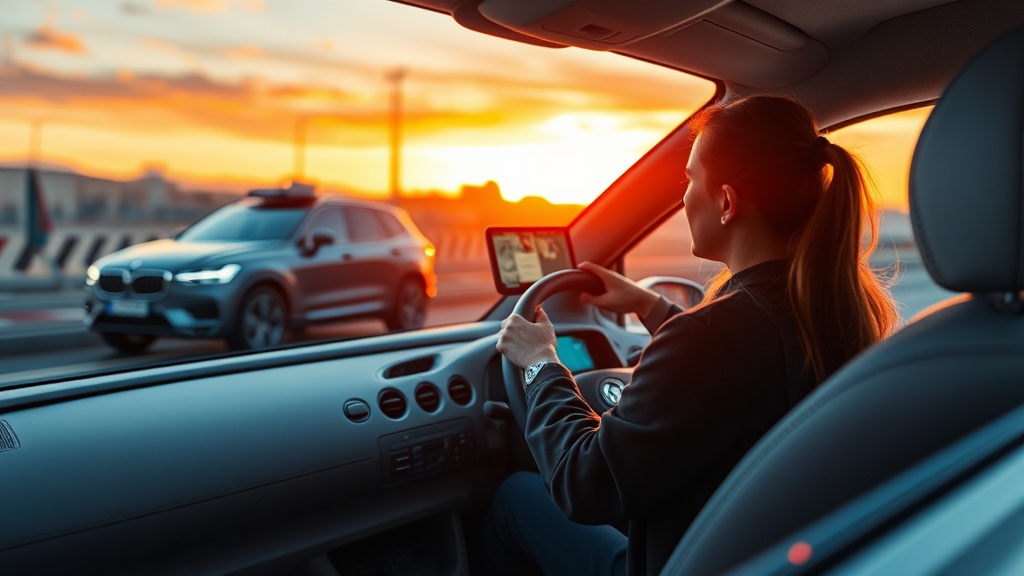
So, what does this all mean for the average American planning their next getaway? The practical implications are significant, affecting everything from budgeting to destination choice.
Enhanced Accessibility and Reduced Stress: For individuals with disabilities or limited mobility, autonomous vehicles offer unprecedented freedom. The ability to request a ride that can accommodate wheelchairs or provide voice-guided assistance eliminates significant barriers to travel. For everyone, the stress of driving, traffic, and parking will be drastically reduced, especially in dense urban areas. Imagine arriving in New York City and having a self-driving shuttle manage all your inter-borough transportation, freeing you up to enjoy the sights rather than focusing on navigation or parking meter vigilance.
Personalized and Efficient Itineraries: Say goodbye to endless hours of online research. AI will streamline the planning process, presenting you with highly relevant options quickly. This means less time sifting through irrelevant results and more time anticipating your trip. Furthermore, AI can optimize routes and schedules in real-time, ensuring you maximize your time at each destination, adjusting for crowds, weather, or unexpected closures.
Cost Savings and New Opportunities: While initial autonomous ride-hailing may be comparable to traditional taxis, economies of scale and efficiency gains could eventually lead to lower transportation costs. For example, owning a car in an urban environment might become less necessary if AV services are pervasive and affordable, freeing up budget for travel experiences. Additionally, "sleep tourism" could see a boom, where travelers opt for overnight AV journeys as a more efficient and comfortable alternative to short flights or traditional long drives, potentially saving on hotel nights.
Data Privacy and Security Considerations: As with any technology relying on personal data, privacy will be a paramount concern. Travelers will need to be mindful of how their travel preferences, location data, and biometric information are collected and used by AI systems and AV providers. Companies will need to implement robust data encryption and transparent privacy policies to build consumer trust. Choosing reputable providers and understanding their data practices will become a crucial "tip" for future travelers.
The Road Ahead: What to Expect Next
The future of autonomous and AI-driven travel is dynamic and rapidly evolving. Here are some key predictions and developments to watch:
Autonomous Airports and "Last Mile" Integration: Expect to see more autonomous shuttles transporting passengers within airport grounds, from parking lots to terminals, and between terminals. Beyond the airport, seamless integration between autonomous vehicles and public transport networks will become standard, making the "last mile" of any journey effortless. We might even see autonomous baggage handling systems that collect luggage from your home and deliver it directly to your destination, bypassing airport check-in altogether.
Free Weekly Newsletter
Enjoying this guide?
Get the best articles like this one delivered to your inbox every week. No spam.
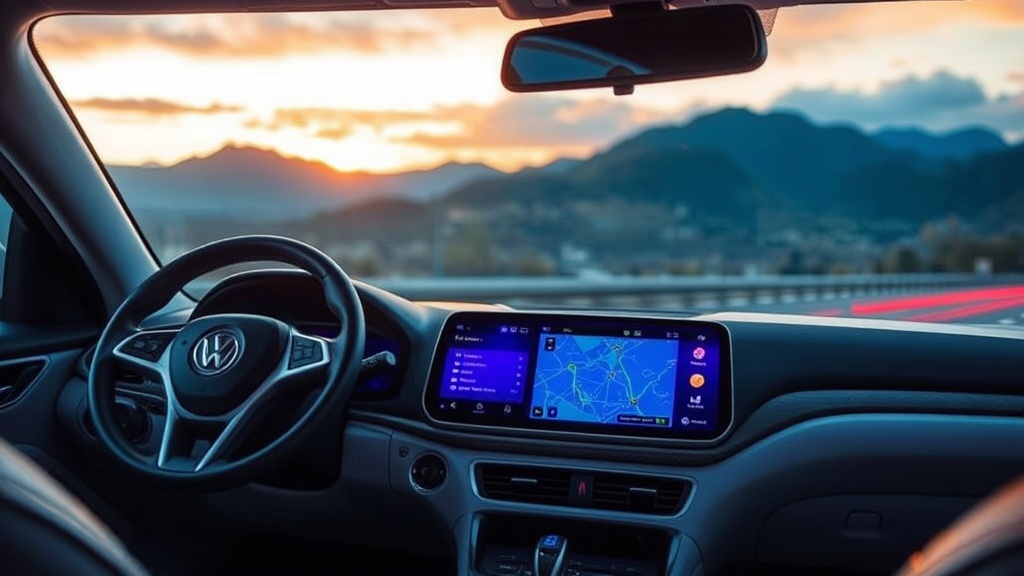
Hyper-Personalized Dynamic Pricing and Recommendations: AI will enable travel providers to offer highly dynamic pricing based on individual demand, propensity to book, and even emotional cues. While potentially raising ethical questions, it could also lead to unique, targeted deals. Recommendations will move beyond just "what to do" to "how to feel," suggesting experiences designed to evoke specific emotions or fulfill deeper travel motivations.
Ethical AI and Trust Frameworks: As AI becomes more embedded in critical travel decisions, the development of ethical AI guidelines and transparent trust frameworks will be crucial. Travelers will demand assurances that AI systems are fair, unbiased, and prioritize their safety and well-being. Regulatory bodies will likely play a larger role in overseeing these technologies.
The Rise of "Experience Architects": While AI will handle the logistics, human "experience architects" will emerge, specializing in leveraging AI tools to craft truly unique and profound travel narratives. These experts will help travelers define their desires and then use AI to bring those visions to life, ensuring human creativity remains central to exceptional journeys.
Urban Air Mobility (UAM) Integration: Beyond ground vehicles, expect AI and autonomous technologies to power future urban air mobility solutions, such as eVTOLs (electric vertical takeoff and landing aircraft). Imagine calling an autonomous air taxi to whisk you from downtown Chicago to O'Hare in minutes, skipping traffic entirely. This is still some years away for widespread adoption, but the underlying autonomous and AI technologies are being refined now.
Conclusion: Embrace the Smart Journey
Autonomous vehicles and artificial intelligence are no longer distant concepts; they are rapidly becoming integral to how we travel. For American travelers, this future promises unparalleled convenience, personalization, and efficiency, transforming stressful journeys into seamless experiences. From the moment you conceive of a trip to the instant you arrive home, AI will be your silent partner, optimizing every detail, while autonomous vehicles will handle the physical demands of transportation.
To truly embrace this evolution, start by familiarizing yourself with current AV services in cities and experimenting with AI-powered planning tools. As these technologies mature, be prepared to share your preferences openly with AI assistants (while minding privacy settings) to unlock the most personalized recommendations. The future of travel is smart, intuitive, and designed to make your adventures more memorable than ever before. Your next journey won't just be to a destination; it will be an experience curated by the cutting edge of technology. Are you ready to take the driverless seat?
Free Investing Tools
Frequently Asked Questions
The Dawn of Driverless Journeys: More Than Just a Ride
The concept of a car driving itself has moved from sci-fi screens to our streets, profoundly impacting the initial leg of many journeys: transportation. Companies like Waymo and Cruise are already operating fully autonomous ride-hailing services in cities like Phoenix, San Francisco, and Austin, offering a glimpse into a driverless future. Waymo, Google's self-driving car unit, recently expanded its operations in Phoenix to cover 180 square miles, facilitating tens of thousands of rides weekly without a human behind the wheel. For travelers, this means eliminating the stress of navigating unfamiliar roads, finding parking, or even interacting with a human driver. Imagine stepping off a plane at Sky Harbor, and an autonomous vehicle (AV) is already waiting, ready to whisk you directly to your Airbnb or hotel, turning transit time into relaxation or productivity.
Beyond urban ride-sharing, the implications for long-distance travel are significant. Trucking companies are investing heavily in autonomous freight to mitigate driver shortages and improve logistics. While fully autonomous long-haul passenger vehicles are further off, the technology being developed for freight will inevitably trickle down. Picture a future where you can book an "AV sleeper cabin" for an overnight trip, allowing you to sleep through the journey from Los Angeles to Las Vegas, waking up refreshed at your destination. This isn't just about convenience; it's about optimizing travel time, making journeys themselves a part of the experience rather than a necessary evil. Research from AAA consistently shows that drivers cite stress as a major factor in road trips; AVs aim to eradicate that.
AI: Your Personal Travel Concierge, Before, During, and After
While autonomous vehicles handle the physical movement, artificial intelligence is the invisible hand orchestrating the entire travel symphony. AI algorithms are becoming increasingly sophisticated, powering everything from hyper-personalized itinerary creation to real-time predictive assistance during a trip. Think beyond simple search engines; we're talking about AI systems that understand your unique preferences, past travel history, budget, and even mood to craft bespoke experiences.
Leading travel platforms like Expedia and Booking.com are already leveraging AI to recommend hotels, flights, and activities based on user behavior and preferences. However, the next generation of AI will go much further. Imagine an AI travel agent that analyzes your work calendar, your children's school breaks, and even local event listings to suggest the optimal time for a family vacation, then presents a curated list of destinations and activities perfectly tailored to everyone's interests. This includes considering dietary restrictions, accessibility needs, and even your preferred style of vacation (adventure, relaxation, cultural immersion). Companies like Trip.com are experimenting with AI chatbots that can not only answer questions but also proactively suggest dynamic changes to your itinerary based on real-time data, like rerouting you from a crowded museum to a less-visited hidden gem or recommending an indoor activity when unexpected rain hits.
During your journey, AI will act as a proactive digital concierge. Smart assistants embedded in AVs, wearables, or your smartphone will monitor your location, flight status, and local conditions. Missed your connecting flight? Your AI could instantaneously rebook your next leg, inform your ground transportation, and even alert your hotel, all without you lifting a finger. Furthermore, AI-powered translation tools are breaking down language barriers, making international travel more accessible. Devices like the Pocketalk S, which uses AI to translate dozens of languages in real-time, are becoming indispensable for travelers navigating foreign lands, fostering deeper cultural immersion without the frustration of miscommunication.
How Autonomous Travel Tech Will Impact Your Next Vacation
So, what does this all mean for the average American planning their next getaway? The practical implications are significant, affecting everything from budgeting to destination choice.
Enhanced Accessibility and Reduced Stress: For individuals with disabilities or limited mobility, autonomous vehicles offer unprecedented freedom. The ability to request a ride that can accommodate wheelchairs or provide voice-guided assistance eliminates significant barriers to travel. For everyone, the stress of driving, traffic, and parking will be drastically reduced, especially in dense urban areas. Imagine arriving in New York City and having a self-driving shuttle manage all your inter-borough transportation, freeing you up to enjoy the sights rather than focusing on navigation or parking meter vigilance.
Personalized and Efficient Itineraries: Say goodbye to endless hours of online research. AI will streamline the planning process, presenting you with highly relevant options quickly. This means less time sifting through irrelevant results and more time anticipating your trip. Furthermore, AI can optimize routes and schedules in real-time, ensuring you maximize your time at each destination, adjusting for crowds, weather, or unexpected closures.
Cost Savings and New Opportunities: While initial autonomous ride-hailing may be comparable to traditional taxis, economies of scale and efficiency gains could eventually lead to lower transportation costs. For example, owning a car in an urban environment might become less necessary if AV services are pervasive and affordable, freeing up budget for travel experiences. Additionally, "sleep tourism" could see a boom, where travelers opt for overnight AV journeys as a more efficient and comfortable alternative to short flights or traditional long drives, potentially saving on hotel nights.
Data Privacy and Security Considerations: As with any technology relying on personal data, privacy will be a paramount concern. Travelers will need to be mindful of how their travel preferences, location data, and biometric information are collected and used by AI systems and AV providers. Companies will need to implement robust data encryption and transparent privacy policies to build consumer trust. Choosing reputable providers and understanding their data practices will become a crucial "tip" for future travelers.
The Road Ahead: What to Expect Next
The future of autonomous and AI-driven travel is dynamic and rapidly evolving. Here are some key predictions and developments to watch:
Autonomous Airports and "Last Mile" Integration: Expect to see more autonomous shuttles transporting passengers within airport grounds, from parking lots to terminals, and between terminals. Beyond the airport, seamless integration between autonomous vehicles and public transport networks will become standard, making the "last mile" of any journey effortless. We might even see autonomous baggage handling systems that collect luggage from your home and deliver it directly to your destination, bypassing airport check-in altogether.
Hyper-Personalized Dynamic Pricing and Recommendations: AI will enable travel providers to offer highly dynamic pricing based on individual demand, propensity to book, and even emotional cues. While potentially raising ethical questions, it could also lead to unique, targeted deals. Recommendations will move beyond just "what to do" to "how to feel," suggesting experiences designed to evoke specific emotions or fulfill deeper travel motivations.
Ethical AI and Trust Frameworks: As AI becomes more embedded in critical travel decisions, the development of ethical AI guidelines and transparent trust frameworks will be crucial. Travelers will demand assurances that AI systems are fair, unbiased, and prioritize their safety and well-being. Regulatory bodies will likely play a larger role in overseeing these technologies.
The Rise of "Experience Architects": While AI will handle the logistics, human "experience architects" will emerge, specializing in leveraging AI tools to craft truly unique and profound travel narratives. These experts will help travelers define their desires and then use AI to bring those visions to life, ensuring human creativity remains central to exceptional journeys.
Urban Air Mobility (UAM) Integration: Beyond ground vehicles, expect AI and autonomous technologies to power future urban air mobility solutions, such as eVTOLs (electric vertical takeoff and landing aircraft). Imagine calling an autonomous air taxi to whisk you from downtown Chicago to O'Hare in minutes, skipping traffic entirely. This is still some years away for widespread adoption, but the underlying autonomous and AI technologies are being refined now.
Conclusion: Embrace the Smart Journey
Autonomous vehicles and artificial intelligence are no longer distant concepts; they are rapidly becoming integral to how we travel. For American travelers, this future promises unparalleled convenience, personalization, and efficiency, transforming stressful journeys into seamless experiences. From the moment you conceive of a trip to the instant you arrive home, AI will be your silent partner, optimizing every detail, while autonomous vehicles will handle the physical demands of transportation.
To truly embrace this evolution, start by familiarizing yourself with current AV services in cities and experimenting with AI-powered planning tools. As these technologies mature, be prepared to share your preferences openly with AI assistants (while minding privacy settings) to unlock the most personalized recommendations. The future of travel is smart, intuitive, and designed to make your adventures more memorable than ever before. Your next journey won't just be to a destination; it will be an experience curated by the cutting edge of technology. Are you ready to take the driverless seat?
About Zeebrain Editorial
Zeebrain publishes independent analysis of markets, investing, personal finance, and business. We disclose affiliate relationships, never accept payment for coverage, and fact-check all claims against primary sources. Read our editorial policy →
How this article was produced: Zeebrain articles are created with AI assistance from primary sources (including cited videos and market data) and reviewed under our editorial standards before publication. Spot an error? Tell us and we will correct it.
More from Travel & Places




Related Guides
Keep exploring this topic
3 Days in Nassau: What Most Visitors Miss in the Bahamas
Travel & Places
2 Days in Budapest in Winter: The Ultimate Travel Guide
Travel & Places
Foodie Travel: 9 Culinary Capitals Every Gourmet Should Visit
Travel & Places
Leave No Trace, Take Only Memories: A Guide to Sustainable Travel Practices for U.S. Travelers
Travel & Places
Explore More Categories
Keep browsing by topic and build depth around the subjects you care about most.