7 Days Stranded in the Arctic: What It Really Takes
Quick Summary
What does it actually take to survive 7 days stranded in the Arctic? From frostbite to food failure, here are the brutal lessons learned in the wild.
In This Article
When the Cold Becomes the Enemy
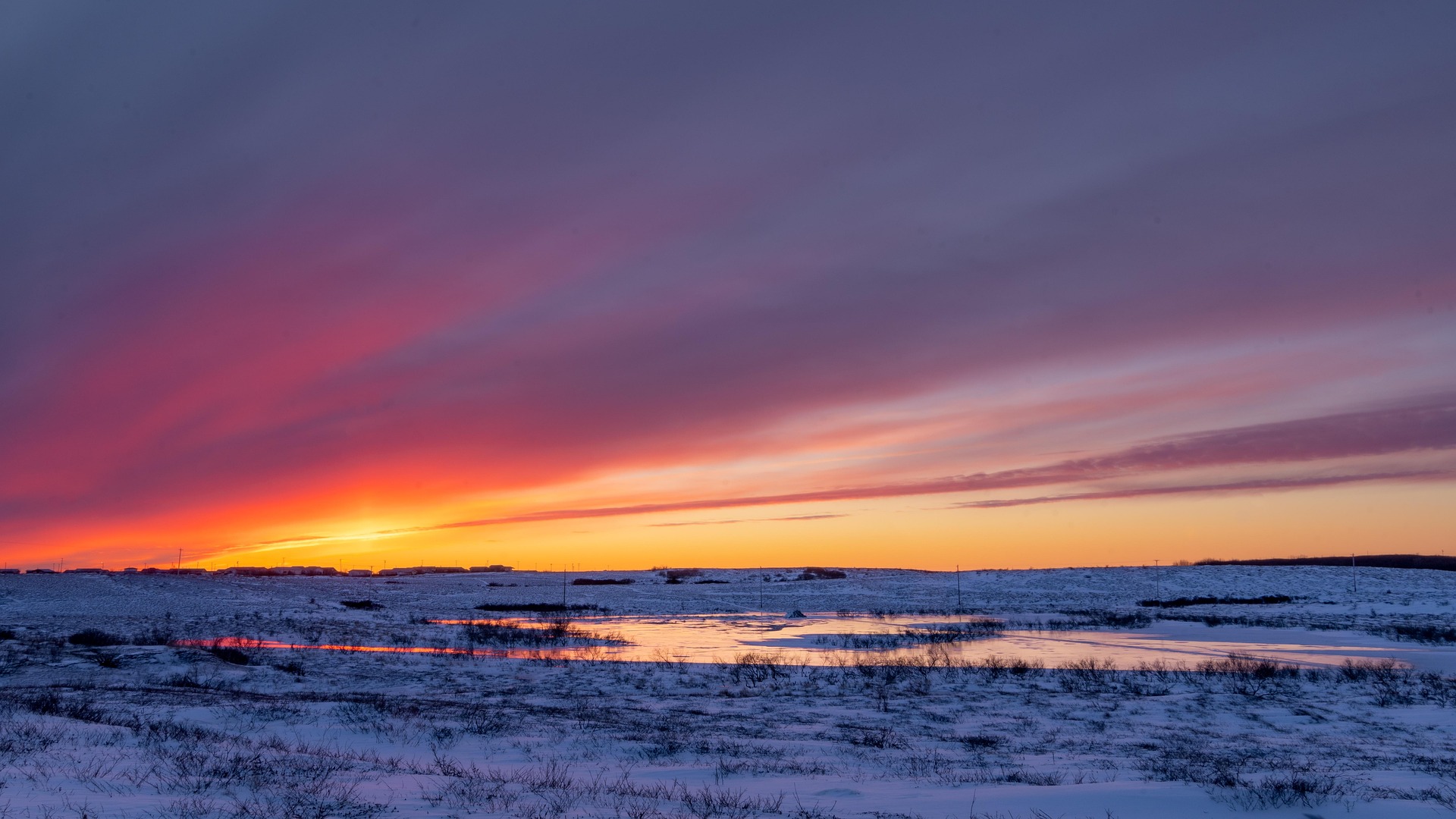
Most people will never know what it feels like to stand on two feet of Arctic snow with nothing but the clothes on their back, watching the sun sink below the horizon and knowing the temperature is about to plummet well below freezing. For MrBeast and his five friends, that wasn't a hypothetical — it was Day One of a brutal seven-day survival challenge in the Arctic, and the cold was, as one of them put it, only the beginning.

What unfolded over those seven days wasn't just compelling content. It was an accidental masterclass in Arctic survival, human psychology under pressure, and the very real consequences of being underprepared in one of the world's most unforgiving environments. Whether you're an outdoor enthusiast, a survival hobbyist, or simply someone who wants to understand what genuine adversity looks like, there's more to unpack here than a YouTube video can fully explore.
The First Rule of Arctic Survival: Shelter Before Everything
The group arrived with no tents, no pre-built camp, and no shelter of any kind. The decision to build a snow fort — essentially a reinforced snow dugout — wasn't aesthetic. It was existential. In Arctic conditions, exposure to wind alone can cause frostbite within ten minutes. Without a windbreak, surviving a single night becomes genuinely life-threatening.
Snow shelters, including the classic quinzhee and the more elaborate snow trench, work on a principle that surprises many people: snow is an excellent insulator. The air trapped within snow crystals holds heat remarkably well, which is why the temperature inside a well-built snow shelter can be as much as 40°C warmer than the outside air. The challenge the group faced — that the shelter was too small for six people — highlights a critical survival planning failure: always build bigger than you think you need, because body heat shared between multiple people is one of the most powerful warming tools available without fire.
Building a snow shelter also takes far longer than most people anticipate, especially with improvised tools. The group spent the better part of their first day digging and reinforcing their dugout, racing against a sunset that, in the Arctic winter, arrives fast and without mercy.
Frostbite Is Not Just Discomfort — It's a Medical Emergency
By the second night, the consequences of inadequate shelter and wet clothing were becoming visible. Chandler's toes turned white and flat — classic early-stage frostbite, sometimes called frostnip at its most superficial level. The instinctive response — warming the affected area using body heat, specifically tucking feet under someone's armpit — was actually the correct medical move.
Frostbite occurs when skin and underlying tissue freeze. In mild cases, the skin turns white or grayish-yellow, becomes hard, and loses sensation. If treated quickly by gradual rewarming, permanent damage can be avoided. But here's what makes frostbite so dangerous in the field: if a partially frostbitten area refreezes after being thawed, the damage becomes dramatically worse. This is why wilderness medicine guidelines often advise against thawing frostbitten extremities if the person must continue to travel in freezing conditions.
The group's real enemy on those nights wasn't just the cold itself — it was wet clothing. Water conducts heat away from the body approximately 25 times faster than air at the same temperature. Once your base layers are soaked, your body's ability to thermoregulate is severely compromised, and hypothermia can set in even at temperatures that wouldn't otherwise seem dangerous.
Arctic Ice Fishing: Why It's Harder Than It Looks
With food supplies dwindling by Day Three, the group attempted ice fishing on a nearby frozen lake — and ran directly into one of the Arctic's less-discussed challenges: ice thickness. Their ice auger simply wasn't long enough to drill through the ice layer, which in deep winter can easily reach two to three feet in thickness on still lakes.
This is where basic survival knowledge could have saved them hours of effort. Still-water lakes freeze thicker than rivers because moving water resists freezing. The science is simple: flowing water continuously mixes, pulling warmer water from below to the surface and slowing ice formation. A river will typically have thinner, more fishable ice than a lake of comparable size in the same location — exactly the insight that eventually redirected the group toward a nearby river using drone reconnaissance.
Ice fishing itself, when conditions allow, is genuinely one of the most viable food sources in an Arctic survival scenario. Fish remain active beneath the ice throughout winter, concentrated in deeper, oxygen-rich areas. A simple hook, line, and small bait — or even a makeshift lure made from shiny material — can yield results. The group's persistence in eventually locating the river, despite exhaustion and wet feet, was the kind of determination that separates survival stories from tragedy.
The Psychology of Survival: Morale Is a Resource
One of the most underappreciated dimensions of any long-duration survival scenario is mental endurance. By Day Three, the group's morale had eroded significantly. No fish. Wet gear. A snow shelter that was barely adequate. A blizzard arriving with no evacuation possible. The physical discomforts were real, but the psychological weight was arguably heavier.
Survival psychology research consistently identifies four key factors that determine whether people persist through extreme conditions: purpose, social bonding, small victories, and realistic optimism. The group demonstrated all four at various points — celebrating the moment they lit a fire with wet wood using feathers as kindling, sharing body heat, expanding their shelter to give everyone more space, and maintaining a dark but functional humor throughout.
The decision to offer an opt-out — a flare gun that any member could fire to signal the rescue plane, at the cost of having their head shaved — was a clever real-world analog of what survival experts call a "perceived control" mechanism. Knowing you have an exit, even if you don't use it, measurably reduces panic and improves decision-making under stress.
What Arctic Survival Kits Are Actually Missing
The group arrived with what seemed like adequate gear but quickly discovered critical gaps. No toilet tent. Not enough shovels. An ice auger too short for deep-winter lake ice. Wet-weather fire-starting materials that failed immediately. These aren't exotic oversights — they're the kinds of mistakes that experienced wilderness guides see repeatedly, because most people plan for the conditions they expect rather than the conditions they'll encounter.
A genuinely Arctic-ready survival kit should include, at minimum: a four-season shelter (not just a sleeping bag), chemical hand and foot warmers in quantity, a firestarter kit that functions in wet conditions (waterproof matches, a ferro rod, and dry tinder stored in a sealed container), an ice auger with extension rods for deep-water access, emergency rations with high caloric density, vapor-barrier socks to keep feet dry, and a signaling device beyond a single flare.
Free Weekly Newsletter
Enjoying this guide?
Get the best articles like this one delivered to your inbox every week. No spam.
The spruce bough bedding that the group eventually gathered — cutting branches from conifer trees to create an insulating layer between their bodies and the frozen ground — was genuinely smart field improvisation. Ground insulation is often more important than any blanket or sleeping bag because conductive heat loss to frozen ground is enormous and constant throughout the night.
Surviving the Arctic: Lessons That Apply Well Beyond the Wild
Seven days stranded in the Arctic is an extreme scenario, but the lessons it produces are surprisingly universal. Preparation matters more than courage. Wet clothing kills faster than cold air. Small wins sustain group morale through long stretches of failure. And the willingness to adapt — switching from lake fishing to river fishing, from tents to snow shelters, from wood alone to feathers and wood for fire-starting — is the single most consistent trait shared by people who survive genuinely dangerous situations.
The group's willingness to push through five days of near-zero food supply, persistent frostbite risk, blizzard conditions, and equipment failure without pulling the trigger on that flare gun speaks to something deeper than entertainment value. It's a reminder that human beings are, under the right conditions, remarkably difficult to break.
The Arctic doesn't care about your channel, your subscribers, or your prior experience. It operates entirely on physics and biology. Understanding those two things — even at a basic level — is the difference between a story you tell afterward and one someone else tells about you.
Frequently Asked Questions
How cold does the Arctic actually get at night during a survival challenge like this?
Arctic nighttime temperatures in winter can range from -20°C to -40°C (-4°F to -40°F), and wind chill can push the effective temperature significantly lower. Even at -15°C, exposed skin can develop frostbite within 30 minutes in windy conditions, and wet clothing accelerates heat loss dramatically.
Is a snow shelter actually warm enough to sleep in safely?
Yes — a well-constructed snow shelter can maintain an interior temperature around -5°C to 0°C (23°F to 32°F) even when outside temperatures are far lower. The key is ensuring the entrance is lower than the sleeping area to trap warm air, minimizing the opening size, and using ground insulation like spruce boughs to avoid conductive heat loss to the frozen ground.
Why is ice fishing on a frozen river safer than on a lake in winter?
River ice is generally thinner than lake ice in the same conditions because moving water generates heat through friction and mixing, which slows ice formation. Thinner ice makes it easier to drill through for fishing access. However, river ice can also be less structurally uniform and may have weak spots near bends or current changes, so caution is still essential.
What should you do if someone shows signs of frostbite in the field?
For superficial frostbite (white, waxy, or grayish skin with numbness), gently rewarm the area using body heat — tucking feet under armpits or holding hands in a partner's armpits are effective methods. Avoid rubbing the affected area, which can damage frozen tissue. Do not rewarm if there is any risk of refreezing, as this causes significantly worse injury. Seek medical attention as soon as evacuation is possible.
Frequently Asked Questions
When the Cold Becomes the Enemy
Most people will never know what it feels like to stand on two feet of Arctic snow with nothing but the clothes on their back, watching the sun sink below the horizon and knowing the temperature is about to plummet well below freezing. For MrBeast and his five friends, that wasn't a hypothetical — it was Day One of a brutal seven-day survival challenge in the Arctic, and the cold was, as one of them put it, only the beginning.
What unfolded over those seven days wasn't just compelling content. It was an accidental masterclass in Arctic survival, human psychology under pressure, and the very real consequences of being underprepared in one of the world's most unforgiving environments. Whether you're an outdoor enthusiast, a survival hobbyist, or simply someone who wants to understand what genuine adversity looks like, there's more to unpack here than a YouTube video can fully explore.
The First Rule of Arctic Survival: Shelter Before Everything
The group arrived with no tents, no pre-built camp, and no shelter of any kind. The decision to build a snow fort — essentially a reinforced snow dugout — wasn't aesthetic. It was existential. In Arctic conditions, exposure to wind alone can cause frostbite within ten minutes. Without a windbreak, surviving a single night becomes genuinely life-threatening.
Snow shelters, including the classic quinzhee and the more elaborate snow trench, work on a principle that surprises many people: snow is an excellent insulator. The air trapped within snow crystals holds heat remarkably well, which is why the temperature inside a well-built snow shelter can be as much as 40°C warmer than the outside air. The challenge the group faced — that the shelter was too small for six people — highlights a critical survival planning failure: always build bigger than you think you need, because body heat shared between multiple people is one of the most powerful warming tools available without fire.
Building a snow shelter also takes far longer than most people anticipate, especially with improvised tools. The group spent the better part of their first day digging and reinforcing their dugout, racing against a sunset that, in the Arctic winter, arrives fast and without mercy.
Frostbite Is Not Just Discomfort — It's a Medical Emergency
By the second night, the consequences of inadequate shelter and wet clothing were becoming visible. Chandler's toes turned white and flat — classic early-stage frostbite, sometimes called frostnip at its most superficial level. The instinctive response — warming the affected area using body heat, specifically tucking feet under someone's armpit — was actually the correct medical move.
Frostbite occurs when skin and underlying tissue freeze. In mild cases, the skin turns white or grayish-yellow, becomes hard, and loses sensation. If treated quickly by gradual rewarming, permanent damage can be avoided. But here's what makes frostbite so dangerous in the field: if a partially frostbitten area refreezes after being thawed, the damage becomes dramatically worse. This is why wilderness medicine guidelines often advise against thawing frostbitten extremities if the person must continue to travel in freezing conditions.
The group's real enemy on those nights wasn't just the cold itself — it was wet clothing. Water conducts heat away from the body approximately 25 times faster than air at the same temperature. Once your base layers are soaked, your body's ability to thermoregulate is severely compromised, and hypothermia can set in even at temperatures that wouldn't otherwise seem dangerous.
Arctic Ice Fishing: Why It's Harder Than It Looks
With food supplies dwindling by Day Three, the group attempted ice fishing on a nearby frozen lake — and ran directly into one of the Arctic's less-discussed challenges: ice thickness. Their ice auger simply wasn't long enough to drill through the ice layer, which in deep winter can easily reach two to three feet in thickness on still lakes.
This is where basic survival knowledge could have saved them hours of effort. Still-water lakes freeze thicker than rivers because moving water resists freezing. The science is simple: flowing water continuously mixes, pulling warmer water from below to the surface and slowing ice formation. A river will typically have thinner, more fishable ice than a lake of comparable size in the same location — exactly the insight that eventually redirected the group toward a nearby river using drone reconnaissance.
Ice fishing itself, when conditions allow, is genuinely one of the most viable food sources in an Arctic survival scenario. Fish remain active beneath the ice throughout winter, concentrated in deeper, oxygen-rich areas. A simple hook, line, and small bait — or even a makeshift lure made from shiny material — can yield results. The group's persistence in eventually locating the river, despite exhaustion and wet feet, was the kind of determination that separates survival stories from tragedy.
The Psychology of Survival: Morale Is a Resource
One of the most underappreciated dimensions of any long-duration survival scenario is mental endurance. By Day Three, the group's morale had eroded significantly. No fish. Wet gear. A snow shelter that was barely adequate. A blizzard arriving with no evacuation possible. The physical discomforts were real, but the psychological weight was arguably heavier.
Survival psychology research consistently identifies four key factors that determine whether people persist through extreme conditions: purpose, social bonding, small victories, and realistic optimism. The group demonstrated all four at various points — celebrating the moment they lit a fire with wet wood using feathers as kindling, sharing body heat, expanding their shelter to give everyone more space, and maintaining a dark but functional humor throughout.
The decision to offer an opt-out — a flare gun that any member could fire to signal the rescue plane, at the cost of having their head shaved — was a clever real-world analog of what survival experts call a "perceived control" mechanism. Knowing you have an exit, even if you don't use it, measurably reduces panic and improves decision-making under stress.
What Arctic Survival Kits Are Actually Missing
The group arrived with what seemed like adequate gear but quickly discovered critical gaps. No toilet tent. Not enough shovels. An ice auger too short for deep-winter lake ice. Wet-weather fire-starting materials that failed immediately. These aren't exotic oversights — they're the kinds of mistakes that experienced wilderness guides see repeatedly, because most people plan for the conditions they expect rather than the conditions they'll encounter.
A genuinely Arctic-ready survival kit should include, at minimum: a four-season shelter (not just a sleeping bag), chemical hand and foot warmers in quantity, a firestarter kit that functions in wet conditions (waterproof matches, a ferro rod, and dry tinder stored in a sealed container), an ice auger with extension rods for deep-water access, emergency rations with high caloric density, vapor-barrier socks to keep feet dry, and a signaling device beyond a single flare.
The spruce bough bedding that the group eventually gathered — cutting branches from conifer trees to create an insulating layer between their bodies and the frozen ground — was genuinely smart field improvisation. Ground insulation is often more important than any blanket or sleeping bag because conductive heat loss to frozen ground is enormous and constant throughout the night.
Surviving the Arctic: Lessons That Apply Well Beyond the Wild
Seven days stranded in the Arctic is an extreme scenario, but the lessons it produces are surprisingly universal. Preparation matters more than courage. Wet clothing kills faster than cold air. Small wins sustain group morale through long stretches of failure. And the willingness to adapt — switching from lake fishing to river fishing, from tents to snow shelters, from wood alone to feathers and wood for fire-starting — is the single most consistent trait shared by people who survive genuinely dangerous situations.
The group's willingness to push through five days of near-zero food supply, persistent frostbite risk, blizzard conditions, and equipment failure without pulling the trigger on that flare gun speaks to something deeper than entertainment value. It's a reminder that human beings are, under the right conditions, remarkably difficult to break.
The Arctic doesn't care about your channel, your subscribers, or your prior experience. It operates entirely on physics and biology. Understanding those two things — even at a basic level — is the difference between a story you tell afterward and one someone else tells about you.
Frequently Asked Questions
How cold does the Arctic actually get at night during a survival challenge like this?
Arctic nighttime temperatures in winter can range from -20°C to -40°C (-4°F to -40°F), and wind chill can push the effective temperature significantly lower. Even at -15°C, exposed skin can develop frostbite within 30 minutes in windy conditions, and wet clothing accelerates heat loss dramatically.
Is a snow shelter actually warm enough to sleep in safely?
Yes — a well-constructed snow shelter can maintain an interior temperature around -5°C to 0°C (23°F to 32°F) even when outside temperatures are far lower. The key is ensuring the entrance is lower than the sleeping area to trap warm air, minimizing the opening size, and using ground insulation like spruce boughs to avoid conductive heat loss to the frozen ground.
Why is ice fishing on a frozen river safer than on a lake in winter?
River ice is generally thinner than lake ice in the same conditions because moving water generates heat through friction and mixing, which slows ice formation. Thinner ice makes it easier to drill through for fishing access. However, river ice can also be less structurally uniform and may have weak spots near bends or current changes, so caution is still essential.
What should you do if someone shows signs of frostbite in the field?
For superficial frostbite (white, waxy, or grayish skin with numbness), gently rewarm the area using body heat — tucking feet under armpits or holding hands in a partner's armpits are effective methods. Avoid rubbing the affected area, which can damage frozen tissue. Do not rewarm if there is any risk of refreezing, as this causes significantly worse injury. Seek medical attention as soon as evacuation is possible.
About Zeebrain Editorial
Zeebrain publishes independent analysis of markets, investing, personal finance, and business. We disclose affiliate relationships, never accept payment for coverage, and fact-check all claims against primary sources. Read our editorial policy →
How this article was produced: Zeebrain articles are created with AI assistance from primary sources (including cited videos and market data) and reviewed under our editorial standards before publication. Spot an error? Tell us and we will correct it.
More from Entertainment



Related Guides
Keep exploring this topic
Trapped on an Island: What It Really Takes to Build a Boat
Entertainment · MrBeast · survival challenge
50 Streamers Fight for $1,000,000: Inside MrBeast's Cube
Entertainment · MrBeast · streaming
The Rise of the Machines… and Entertainers: AI-Generated Content Reshapes the Entertainment Landscap...
Entertainment
The Math Behind Why Movie Franchises Keep Failing
Entertainment
Explore More Categories
Keep browsing by topic and build depth around the subjects you care about most.