Winter Olympics 2026 Host City News: What Travelers Need to Know

Quick Summary
Winter Olympics 2026 Host City News: What Travelers Need to Know Planning a trip to the Winter Olympics in 2026? Then you need to know everything about the host cities: Milan and...
In This Article
Winter Olympics 2026 Host City News: What Travelers Need to Know
Planning a trip to the Winter Olympics in 2026? Then you need to know everything about the host cities: Milan and Cortina d'Ampezzo, Italy. This dual-host approach, a first for the Winter Games, promises a truly unique and geographically dispersed Olympic experience, significantly impacting travel logistics, accommodation choices, and event access for U.S. spectators.
Italy Gears Up for Milano Cortina 2026: A Dual-City Winter Games
The XXIV Winter Olympic Games, officially known as Milano Cortina 2026, are set to captivate the world from February 6 to February 22, 2026. This monumental event marks a groundbreaking shift in Olympic hosting, with two primary cities, Milan and Cortina d'Ampezzo, anchoring the games, complemented by numerous satellite venues across the Lombardy and Veneto regions. This distributed model, chosen for its sustainability and existing infrastructure, presents both exciting opportunities and unique challenges for travelers.
Milan, the fashion and financial capital of Italy, will host the opening ceremony at the iconic San Siro Stadium and various indoor events like figure skating, short track speed skating, and ice hockey. Its urban landscape offers a wealth of hotel options, extensive public transport, and world-class dining, making it a natural hub for arrival and initial exploration. Cortina d'Ampezzo, nestled in the Dolomites, a UNESCO World Heritage site, will host the outdoor alpine events, bobsleigh, luge, skeleton, and curling. Known as the "Queen of the Dolomites," Cortina offers breathtaking scenery and a more traditional, charming alpine village experience. Other key venues include Livigno for snowboarding and freestyle skiing, Bormio for alpine skiing (men's events), and Baselga di Pinè for speed skating. The closing ceremony will be held in Verona at its ancient Roman Arena, adding another historic layer to the Games. This vast geographical spread, covering approximately 22,000 square kilometers, means travelers will need to meticulously plan their itineraries, considering the significant distances between venues. For instance, the drive from Milan to Cortina d'Ampezzo can take upwards of five hours, depending on traffic and road conditions.
Navigating the Dual-Host Challenge: Logistics, Accommodation, and Tickets
The Milano Cortina 2026 model demands a strategic approach from travelers. Unlike a single-city Games where everything is relatively centralized, visitors will likely need to choose a primary base and plan for significant travel time to reach specific events.
Accommodation Strategy: In Milan, travelers can expect a wide range of accommodation, from luxury hotels to more budget-friendly options, with prices escalating significantly around the Olympic period. Booking well in advance is crucial. Data from previous Games, such as Beijing 2022 or PyeongChang 2018, showed hotel rates increasing by 200-300% during the event window. In Cortina d'Ampezzo and surrounding Dolomite towns, accommodation is more limited and generally higher-end, with charming chalets and boutique hotels being popular. Demand will be exceptionally high here, and prices will reflect that scarcity. Consider staying in smaller towns within a reasonable driving or train distance of key venues to find more affordable options, but factor in daily commute times. For example, towns like Belluno or Bolzano could serve as alternatives for Cortina-bound spectators, but connectivity will vary.
Transportation Planning: Italy boasts a robust train network, and high-speed rail (Frecciarossa and Italo) will be the most efficient way to travel between major cities like Milan, Verona, and potentially closer to the Dolomite region. However, reaching more remote mountain venues will often require car rentals, dedicated bus services, or a combination. The organizing committee is expected to implement enhanced public transport links and shuttle services, but details are still being finalized. For U.S. travelers, understanding Italy's ZTL (Limited Traffic Zones) in historic city centers and the need for international driving permits will be essential if renting a car. The Italian government, in collaboration with regional authorities, is investing in infrastructure improvements, including road upgrades and potential new train links, but these projects are often subject to delays. Travelers should monitor official Milano Cortina 2026 transportation guides as they are released.
Ticket Acquisition: Tickets for Milano Cortina 2026 are not yet on sale, but an official ticketing portal is expected to launch in late 2024 or early 2025. Typically, initial phases involve ballot systems for highly sought-after events, followed by general sales. U.S. residents will likely purchase tickets through a designated authorized ticket reseller (ATR), which in the past has often been On Location (formerly CoSport). Budgeting for tickets is also critical, with premium event tickets for popular sports like alpine skiing or figure skating potentially costing several hundred Euros. Consider attending preliminary rounds or less popular sports for a more budget-friendly Olympic experience.
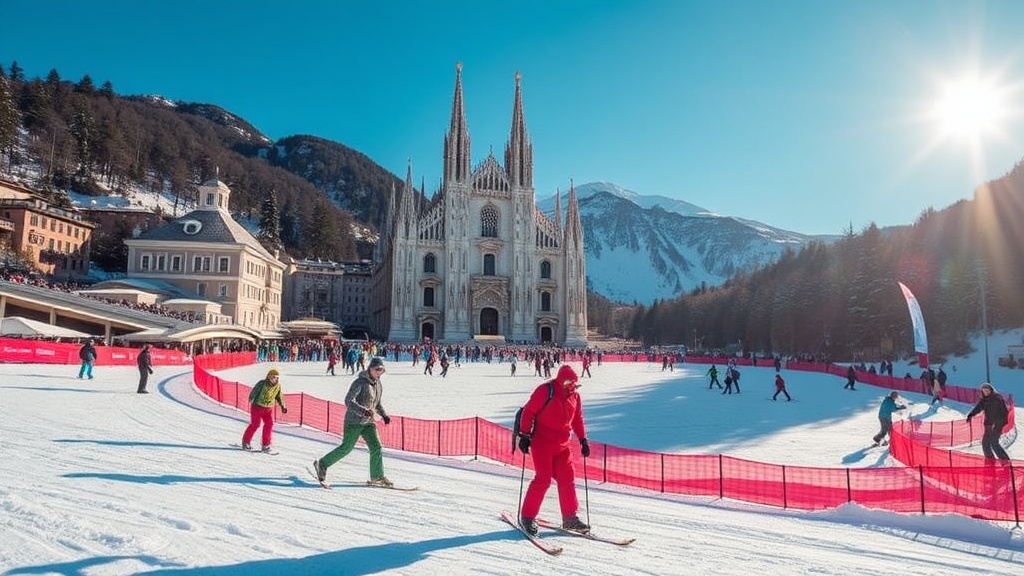
Enhancing Your Olympic Journey: Beyond the Venues
For U.S. travelers, Milano Cortina 2026 offers more than just sporting spectacles; it’s an opportunity to immerse oneself in Italian culture, cuisine, and history.
Pre- and Post-Games Exploration: Given the travel required to navigate the Games, extending your trip to explore Italy is highly recommended. Milan itself is a treasure trove of art (Leonardo da Vinci's "The Last Supper"), fashion (Galleria Vittorio Emanuele II), and history (Duomo di Milano). The Dolomites offer unparalleled hiking, charming villages, and exquisite regional cuisine – think speck, polenta, and hearty stews. Venice is a relatively short train ride from Milan, offering an iconic detour. Verona, hosting the closing ceremony, is famous for its Roman arena and Shakespearean connections. Integrating these cultural experiences can transform an Olympic trip into a broader Italian adventure.
Embracing Local Flavors: Italian food and wine are integral to the travel experience. In Milan, indulge in aperitivo culture and risottos. In the Dolomites, savor the unique blend of Italian and Austrian influences in the cuisine. Learning a few basic Italian phrases will significantly enhance interactions with locals and enrich your dining experiences. Look for local trattorias and osterias for authentic, often more affordable, meals away from tourist traps.
Sustainability and Local Impact: The Milano Cortina 2026 bid emphasized sustainability, utilizing 93% existing or temporary venues. This commitment means travelers can expect a focus on environmentally friendly practices, including potentially incentivized public transport use and waste reduction efforts. Supporting local businesses, particularly in smaller mountain towns, will also be vital for the economic legacy of the Games.
The Future of the Winter Games in Italy: What to Expect
As Milano Cortina 2026 draws closer, several developments will shape the final experience for travelers.
Infrastructure Completion: While Italy leverages existing infrastructure, some upgrades are underway. Key transport links, venue enhancements, and athlete village constructions will progress over the next two years. Travelers should monitor official updates from the organizing committee and Italian news sources for potential impacts on travel routes or venue access. Project completion timelines, especially for large-scale infrastructure, can be fluid, as evidenced by past Olympic preparations.
Free Weekly Newsletter
Enjoying this guide?
Get the best articles like this one delivered to your inbox every week. No spam.
Security Measures: As with any major international event, heightened security will be a significant aspect of the Games. Travelers should anticipate thorough security checks at venues, airports, and train stations. Understanding local emergency procedures and carrying appropriate identification will be crucial. U.S. citizens should register with the Smart Traveler Enrollment Program (STEP) for alerts and easier assistance from the U.S. Embassy in Italy.
Digital Experience and Connectivity: Expect advanced digital tools for navigation, ticketing, and information. The Milano Cortina 2026 official app, once released, will likely be indispensable for real-time updates on event schedules, transport, and venue maps. Reliable mobile data or local SIM cards will be essential for seamless navigation and communication across the dispersed venues. Italy generally has good 4G/5G coverage, but connectivity can be spottier in very remote mountain areas.
Economic Outlook: The economic impact on Italy is projected to be substantial, with billions of Euros in tourism revenue and job creation. However, local communities are also bracing for potential challenges, such as increased cost of living and pressure on resources. Travelers should be mindful of these dynamics and aim for responsible tourism.
Conclusion
The Milano Cortina 2026 Winter Olympics promises an unforgettable experience, blending world-class sports with Italy's unparalleled cultural richness and stunning alpine scenery. However, the unique dual-host model demands proactive and meticulous planning from U.S. travelers. Start by understanding the geographical spread and choosing your primary base. Begin researching accommodation and transportation options now, and be ready to purchase tickets as soon as they become available.
Our key takeaway? Don't just plan for the sports; plan for the Italian journey. Embrace the opportunity to explore Milan's urban sophistication and the Dolomites' majestic beauty. By combining careful logistics with an adventurous spirit, your trip to Milano Cortina 2026 will be more than just watching the Games—it will be an immersive Italian odyssey. Start planning your Italian Olympic adventure today to secure your slice of history!
Free Investing Tools
Frequently Asked Questions
Italy Gears Up for Milano Cortina 2026: A Dual-City Winter Games
The XXIV Winter Olympic Games, officially known as Milano Cortina 2026, are set to captivate the world from February 6 to February 22, 2026. This monumental event marks a groundbreaking shift in Olympic hosting, with two primary cities, Milan and Cortina d'Ampezzo, anchoring the games, complemented by numerous satellite venues across the Lombardy and Veneto regions. This distributed model, chosen for its sustainability and existing infrastructure, presents both exciting opportunities and unique challenges for travelers.
Milan, the fashion and financial capital of Italy, will host the opening ceremony at the iconic San Siro Stadium and various indoor events like figure skating, short track speed skating, and ice hockey. Its urban landscape offers a wealth of hotel options, extensive public transport, and world-class dining, making it a natural hub for arrival and initial exploration. Cortina d'Ampezzo, nestled in the Dolomites, a UNESCO World Heritage site, will host the outdoor alpine events, bobsleigh, luge, skeleton, and curling. Known as the "Queen of the Dolomites," Cortina offers breathtaking scenery and a more traditional, charming alpine village experience. Other key venues include Livigno for snowboarding and freestyle skiing, Bormio for alpine skiing (men's events), and Baselga di Pinè for speed skating. The closing ceremony will be held in Verona at its ancient Roman Arena, adding another historic layer to the Games. This vast geographical spread, covering approximately 22,000 square kilometers, means travelers will need to meticulously plan their itineraries, considering the significant distances between venues. For instance, the drive from Milan to Cortina d'Ampezzo can take upwards of five hours, depending on traffic and road conditions.
Navigating the Dual-Host Challenge: Logistics, Accommodation, and Tickets
The Milano Cortina 2026 model demands a strategic approach from travelers. Unlike a single-city Games where everything is relatively centralized, visitors will likely need to choose a primary base and plan for significant travel time to reach specific events.
Accommodation Strategy: In Milan, travelers can expect a wide range of accommodation, from luxury hotels to more budget-friendly options, with prices escalating significantly around the Olympic period. Booking well in advance is crucial. Data from previous Games, such as Beijing 2022 or PyeongChang 2018, showed hotel rates increasing by 200-300% during the event window. In Cortina d'Ampezzo and surrounding Dolomite towns, accommodation is more limited and generally higher-end, with charming chalets and boutique hotels being popular. Demand will be exceptionally high here, and prices will reflect that scarcity. Consider staying in smaller towns within a reasonable driving or train distance of key venues to find more affordable options, but factor in daily commute times. For example, towns like Belluno or Bolzano could serve as alternatives for Cortina-bound spectators, but connectivity will vary.
Transportation Planning: Italy boasts a robust train network, and high-speed rail (Frecciarossa and Italo) will be the most efficient way to travel between major cities like Milan, Verona, and potentially closer to the Dolomite region. However, reaching more remote mountain venues will often require car rentals, dedicated bus services, or a combination. The organizing committee is expected to implement enhanced public transport links and shuttle services, but details are still being finalized. For U.S. travelers, understanding Italy's ZTL (Limited Traffic Zones) in historic city centers and the need for international driving permits will be essential if renting a car. The Italian government, in collaboration with regional authorities, is investing in infrastructure improvements, including road upgrades and potential new train links, but these projects are often subject to delays. Travelers should monitor official Milano Cortina 2026 transportation guides as they are released.
Ticket Acquisition: Tickets for Milano Cortina 2026 are not yet on sale, but an official ticketing portal is expected to launch in late 2024 or early 2025. Typically, initial phases involve ballot systems for highly sought-after events, followed by general sales. U.S. residents will likely purchase tickets through a designated authorized ticket reseller (ATR), which in the past has often been On Location (formerly CoSport). Budgeting for tickets is also critical, with premium event tickets for popular sports like alpine skiing or figure skating potentially costing several hundred Euros. Consider attending preliminary rounds or less popular sports for a more budget-friendly Olympic experience.
Enhancing Your Olympic Journey: Beyond the Venues
For U.S. travelers, Milano Cortina 2026 offers more than just sporting spectacles; it’s an opportunity to immerse oneself in Italian culture, cuisine, and history.
Pre- and Post-Games Exploration: Given the travel required to navigate the Games, extending your trip to explore Italy is highly recommended. Milan itself is a treasure trove of art (Leonardo da Vinci's "The Last Supper"), fashion (Galleria Vittorio Emanuele II), and history (Duomo di Milano). The Dolomites offer unparalleled hiking, charming villages, and exquisite regional cuisine – think speck, polenta, and hearty stews. Venice is a relatively short train ride from Milan, offering an iconic detour. Verona, hosting the closing ceremony, is famous for its Roman arena and Shakespearean connections. Integrating these cultural experiences can transform an Olympic trip into a broader Italian adventure.
Embracing Local Flavors: Italian food and wine are integral to the travel experience. In Milan, indulge in aperitivo culture and risottos. In the Dolomites, savor the unique blend of Italian and Austrian influences in the cuisine. Learning a few basic Italian phrases will significantly enhance interactions with locals and enrich your dining experiences. Look for local trattorias and osterias for authentic, often more affordable, meals away from tourist traps.
Sustainability and Local Impact: The Milano Cortina 2026 bid emphasized sustainability, utilizing 93% existing or temporary venues. This commitment means travelers can expect a focus on environmentally friendly practices, including potentially incentivized public transport use and waste reduction efforts. Supporting local businesses, particularly in smaller mountain towns, will also be vital for the economic legacy of the Games.
The Future of the Winter Games in Italy: What to Expect
As Milano Cortina 2026 draws closer, several developments will shape the final experience for travelers.
Infrastructure Completion: While Italy leverages existing infrastructure, some upgrades are underway. Key transport links, venue enhancements, and athlete village constructions will progress over the next two years. Travelers should monitor official updates from the organizing committee and Italian news sources for potential impacts on travel routes or venue access. Project completion timelines, especially for large-scale infrastructure, can be fluid, as evidenced by past Olympic preparations.
Security Measures: As with any major international event, heightened security will be a significant aspect of the Games. Travelers should anticipate thorough security checks at venues, airports, and train stations. Understanding local emergency procedures and carrying appropriate identification will be crucial. U.S. citizens should register with the Smart Traveler Enrollment Program (STEP) for alerts and easier assistance from the U.S. Embassy in Italy.
Digital Experience and Connectivity: Expect advanced digital tools for navigation, ticketing, and information. The Milano Cortina 2026 official app, once released, will likely be indispensable for real-time updates on event schedules, transport, and venue maps. Reliable mobile data or local SIM cards will be essential for seamless navigation and communication across the dispersed venues. Italy generally has good 4G/5G coverage, but connectivity can be spottier in very remote mountain areas.
Economic Outlook: The economic impact on Italy is projected to be substantial, with billions of Euros in tourism revenue and job creation. However, local communities are also bracing for potential challenges, such as increased cost of living and pressure on resources. Travelers should be mindful of these dynamics and aim for responsible tourism.
Conclusion
The Milano Cortina 2026 Winter Olympics promises an unforgettable experience, blending world-class sports with Italy's unparalleled cultural richness and stunning alpine scenery. However, the unique dual-host model demands proactive and meticulous planning from U.S. travelers. Start by understanding the geographical spread and choosing your primary base. Begin researching accommodation and transportation options now, and be ready to purchase tickets as soon as they become available.
Our key takeaway? Don't just plan for the sports; plan for the Italian journey. Embrace the opportunity to explore Milan's urban sophistication and the Dolomites' majestic beauty. By combining careful logistics with an adventurous spirit, your trip to Milano Cortina 2026 will be more than just watching the Games—it will be an immersive Italian odyssey. Start planning your Italian Olympic adventure today to secure your slice of history!
About Zeebrain Editorial
Zeebrain publishes independent analysis of markets, investing, personal finance, and business. We disclose affiliate relationships, never accept payment for coverage, and fact-check all claims against primary sources. Read our editorial policy →
How this article was produced: Zeebrain articles are created with AI assistance from primary sources (including cited videos and market data) and reviewed under our editorial standards before publication. Spot an error? Tell us and we will correct it.
More from Travel & Places




Related Guides
Keep exploring this topic
3 Days in Nassau: What Most Visitors Miss in the Bahamas
Travel & Places
2 Days in Budapest in Winter: The Ultimate Travel Guide
Travel & Places
Foodie Travel: 9 Culinary Capitals Every Gourmet Should Visit
Travel & Places
Leave No Trace, Take Only Memories: A Guide to Sustainable Travel Practices for U.S. Travelers
Travel & Places
Explore More Categories
Keep browsing by topic and build depth around the subjects you care about most.