Virtual Reality Tourism Destinations: Experience the World from Your Couch

Quick Summary
Virtual Reality Tourism Destinations: Experience the World from Your Couch Imagine exploring the ancient ruins of Machu Picchu, diving into the vibrant coral reefs of the Great...
In This Article
Virtual Reality Tourism Destinations: Experience the World from Your Couch
Imagine exploring the ancient ruins of Machu Picchu, diving into the vibrant coral reefs of the Great Barrier Reef, or strolling through the Louvre, all without leaving your living room. Virtual Reality (VR) tourism is rapidly transforming the travel landscape, offering immersive and accessible experiences that cater to our innate wanderlust, especially in a world where physical travel can be challenging, expensive, or even impossible. This revolutionary technology isn't just a futuristic dream; it's a rapidly expanding reality, allowing millions of Americans to virtually traverse the globe from the comfort of their homes.

The Rise of Virtual Travel: Why VR is More Relevant Than Ever
The past few years have undeniably reshaped our relationship with travel. Pandemic-era restrictions, rising flight costs (a 25% increase in domestic airfares from 2021 to 2022, according to the Bureau of Labor Statistics), and growing environmental consciousness have all contributed to a surge in interest for alternative travel solutions. VR tourism directly addresses these challenges, democratizing access to global wonders. Consider accessibility: individuals with mobility issues, chronic illnesses, or financial constraints who might never physically visit remote destinations can now experience them vividly.
Leading the charge in creating these virtual gateways are companies like Meta, whose Quest 2 and upcoming Quest 3 headsets have made VR more mainstream and affordable. Platforms like Oculus TV, YouTube VR, and dedicated applications such as "BRINK Traveler" and "National Geographic Explore VR" offer a growing library of hyper-realistic experiences. For instance, "BRINK Traveler" meticulously reconstructs natural landscapes like Zion National Park and Mount Rainier using photogrammetry, a technique that stitches together thousands of high-resolution photographs to create incredibly detailed 3D environments. Users can "teleport" through these scenes, observing geological formations up close, or even interact with virtual rangers providing educational insights. This isn't merely passive viewing; it's an interactive exploration, often allowing users to control their pace, perspective, and even the time of day within the virtual environment. Data from Statista projects the global VR market to reach over $50 billion by 2024, with a significant portion attributed to content creation and consumption, highlighting the burgeoning demand for these immersive experiences.
Expert Insights: How VR is Redefining Tourism and Education
Industry experts are increasingly recognizing VR's potential beyond entertainment, positioning it as a powerful tool for cultural immersion and educational enrichment. Dr. Evelyn Markou, a researcher specializing in virtual heritage at University College London, emphasizes how VR can preserve and present historical sites in ways traditional media cannot. "VR allows us to 'time travel'," she explains, "reconstructing ancient cities like Pompeii before the eruption, or experiencing the Parthenon in its full, painted glory. This provides a depth of understanding that static images or even physical visits to ruins can't always achieve." Museums are particularly embracing this, with institutions like the British Museum offering VR tours that allow users to examine artifacts in 3D, rotate them, and access detailed information, enhancing the learning experience significantly.
The implications for destination marketing are also profound. Rather than replacing physical travel, VR is often seen as a powerful pre-visit motivator. A study by Capgemini found that 62% of consumers believe VR tours would influence their decision to visit a physical destination. Imagine virtually walking through a bustling souk in Marrakech, interacting with vendors, and then deciding that you absolutely must experience it in person. This "try before you buy" model allows travelers to scout locations, assess accessibility, and build excitement, potentially leading to more informed and fulfilling physical trips. Furthermore, VR offers a sustainable alternative for delicate ecosystems or over-visited sites. Venice, for example, which has struggled with over-tourism, could leverage VR experiences to provide an immersive taste of its canals and architecture to millions without contributing to environmental strain or infrastructure overload. This "digital twin" approach protects fragile sites while still sharing their beauty with a global audience.
Practical Steps: Getting Started with Virtual Reality Travel
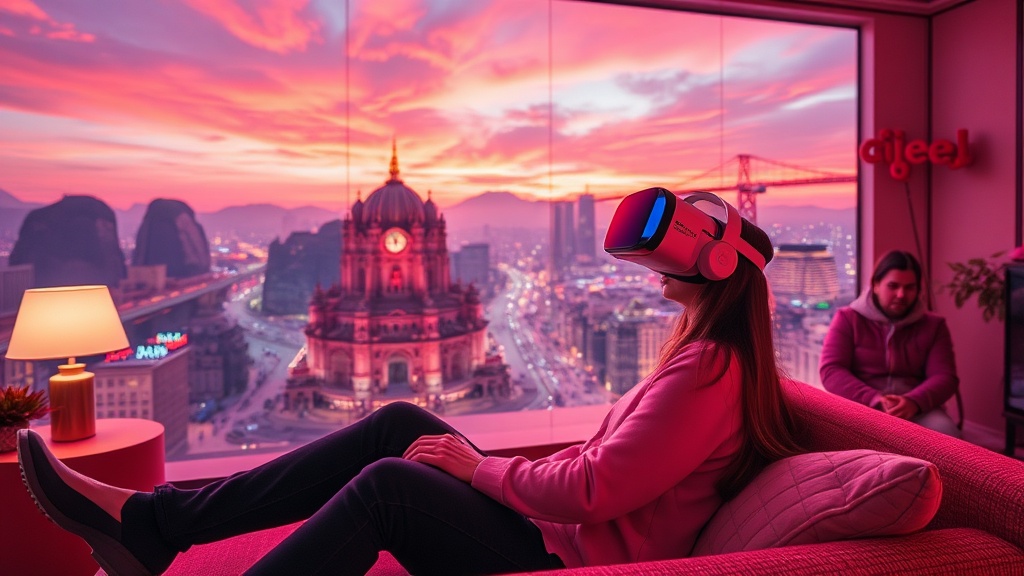
For those eager to embark on a virtual adventure, getting started is surprisingly straightforward and increasingly affordable. The primary requirement is a VR headset. Entry-level options like the Meta Quest 2 (often available for under $300) are standalone devices, meaning they don't require a powerful PC, making them highly accessible for U.S. households. More premium headsets like the Valve Index or HTC Vive Pro offer higher fidelity experiences but require a gaming-capable computer.
Once you have your headset, the next step is to explore the vast content libraries. Here are some top platforms and experiences to consider:
- Meta Quest Store: Your primary hub for Quest users, featuring titles like "BRINK Traveler" (for stunning natural landscapes), "National Geographic Explore VR" (for guided expeditions to Antarctica or Machu Picchu), and "Wander" (which leverages Google Street View data to let you explore virtually any street on Earth).
- YouTube VR: Free and accessible, YouTube VR offers thousands of 360-degree videos from travel vloggers, drone operators, and tourism boards. Search for "360 VR [destination name]" to find immersive footage of everything from Parisian cafes to the Northern Lights.
- SteamVR: For PC-VR users, Steam offers a broader range of high-fidelity experiences, including more interactive and game-like explorations of historical sites or fictional worlds that draw inspiration from real locations.
- Dedicated Apps: Keep an eye out for apps from specific tourism boards or cultural institutions. For instance, some art galleries offer dedicated VR experiences of their collections.
Tips for an Enhanced Experience:
- Comfort is Key: Ensure your headset fits snugly but comfortably. Take breaks to avoid motion sickness, especially when starting out.
- Clear Some Space: While not always required, having a small clear area (around 6x6 feet) can enhance experiences that allow for room-scale movement.
- Good Headphones: Immersive audio dramatically improves the sense of presence. Over-ear headphones that block out ambient noise are ideal.
- Start Simple: Begin with stationary or slow-moving experiences to acclimate to VR before diving into more dynamic content.
The Future of Virtual Tourism: What's Next?
The trajectory of VR tourism points towards increasingly realistic, interactive, and social experiences. We can anticipate several key developments in the coming years:
Free Weekly Newsletter
Enjoying this guide?
Get the best articles like this one delivered to your inbox every week. No spam.
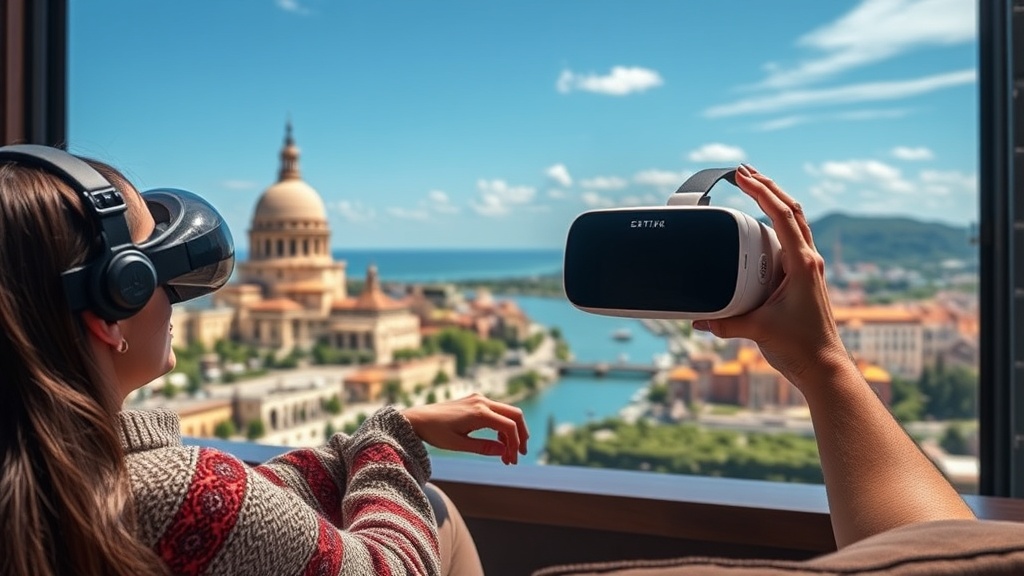
1. Hyper-realistic Photorealism: Advances in photogrammetry and volumetric video (capturing 3D video of real-world scenes) will make virtual destinations virtually indistinguishable from reality. Imagine 'teleporting' into a live concert happening across the globe, or sitting at a café in Tokyo with real-time, interactive virtual companions. Companies like NVIDIA are pushing the boundaries of real-time rendering, making these photorealistic worlds more achievable.
2. Social VR and Metaverse Integration: The "metaverse" vision, spearheaded by Meta and others, aims to create persistent, interconnected virtual worlds. This means you could soon meet friends from across the U.S. (or the world) in a virtual recreation of the Colosseum, embark on a guided VR tour together, or even attend a virtual cultural festival. This social dimension will significantly enhance the feeling of shared experience and connection, moving beyond solo exploration.
3. Haptic Feedback and Multi-sensory Integration: While visual and auditory immersion is strong, the next frontier involves incorporating other senses. Haptic suits or gloves could allow users to "feel" the texture of ancient stones, the warmth of a desert sun (through localized heating elements), or the spray of a waterfall. Researchers are even exploring scent dispensers that could release ambient smells, further blurring the line between virtual and physical. While these technologies are currently nascent and expensive, they represent the ultimate goal of truly holistic immersion.
4. AI-Powered Virtual Guides and NPCs: Imagine having an AI-powered virtual tour guide in a VR recreation of the Giza pyramids, capable of answering your specific questions about ancient Egyptian history in real-time. Or interacting with virtual inhabitants (non-player characters or NPCs) who react dynamically to your presence, adding layers of authenticity and narrative to your virtual travels.
Conclusion: Embrace the Virtual Horizon
Virtual reality tourism is more than just a novelty; it's a profound shift in how we access, experience, and even define travel. For millions of Americans, it offers an unprecedented opportunity to explore the world's wonders, learn about diverse cultures, and connect with global experiences, all from the comfort and convenience of home. As the technology continues to evolve, becoming more accessible, realistic, and interactive, the lines between physical and virtual exploration will blur even further.
So, are you ready to pack your virtual bags? The world is waiting, just a headset away. Dive into the growing library of VR travel experiences and discover your next adventure without ever needing a passport. Start exploring today and redefine what travel means for you.
Frequently Asked Questions
The Rise of Virtual Travel: Why VR is More Relevant Than Ever
The past few years have undeniably reshaped our relationship with travel. Pandemic-era restrictions, rising flight costs (a 25% increase in domestic airfares from 2021 to 2022, according to the Bureau of Labor Statistics), and growing environmental consciousness have all contributed to a surge in interest for alternative travel solutions. VR tourism directly addresses these challenges, democratizing access to global wonders. Consider accessibility: individuals with mobility issues, chronic illnesses, or financial constraints who might never physically visit remote destinations can now experience them vividly.
Leading the charge in creating these virtual gateways are companies like Meta, whose Quest 2 and upcoming Quest 3 headsets have made VR more mainstream and affordable. Platforms like Oculus TV, YouTube VR, and dedicated applications such as "BRINK Traveler" and "National Geographic Explore VR" offer a growing library of hyper-realistic experiences. For instance, "BRINK Traveler" meticulously reconstructs natural landscapes like Zion National Park and Mount Rainier using photogrammetry, a technique that stitches together thousands of high-resolution photographs to create incredibly detailed 3D environments. Users can "teleport" through these scenes, observing geological formations up close, or even interact with virtual rangers providing educational insights. This isn't merely passive viewing; it's an interactive exploration, often allowing users to control their pace, perspective, and even the time of day within the virtual environment. Data from Statista projects the global VR market to reach over $50 billion by 2024, with a significant portion attributed to content creation and consumption, highlighting the burgeoning demand for these immersive experiences.
Expert Insights: How VR is Redefining Tourism and Education
Industry experts are increasingly recognizing VR's potential beyond entertainment, positioning it as a powerful tool for cultural immersion and educational enrichment. Dr. Evelyn Markou, a researcher specializing in virtual heritage at University College London, emphasizes how VR can preserve and present historical sites in ways traditional media cannot. "VR allows us to 'time travel'," she explains, "reconstructing ancient cities like Pompeii before the eruption, or experiencing the Parthenon in its full, painted glory. This provides a depth of understanding that static images or even physical visits to ruins can't always achieve." Museums are particularly embracing this, with institutions like the British Museum offering VR tours that allow users to examine artifacts in 3D, rotate them, and access detailed information, enhancing the learning experience significantly.
The implications for destination marketing are also profound. Rather than replacing physical travel, VR is often seen as a powerful pre-visit motivator. A study by Capgemini found that 62% of consumers believe VR tours would influence their decision to visit a physical destination. Imagine virtually walking through a bustling souk in Marrakech, interacting with vendors, and then deciding that you absolutely must experience it in person. This "try before you buy" model allows travelers to scout locations, assess accessibility, and build excitement, potentially leading to more informed and fulfilling physical trips. Furthermore, VR offers a sustainable alternative for delicate ecosystems or over-visited sites. Venice, for example, which has struggled with over-tourism, could leverage VR experiences to provide an immersive taste of its canals and architecture to millions without contributing to environmental strain or infrastructure overload. This "digital twin" approach protects fragile sites while still sharing their beauty with a global audience.
Practical Steps: Getting Started with Virtual Reality Travel
For those eager to embark on a virtual adventure, getting started is surprisingly straightforward and increasingly affordable. The primary requirement is a VR headset. Entry-level options like the Meta Quest 2 (often available for under $300) are standalone devices, meaning they don't require a powerful PC, making them highly accessible for U.S. households. More premium headsets like the Valve Index or HTC Vive Pro offer higher fidelity experiences but require a gaming-capable computer.
Once you have your headset, the next step is to explore the vast content libraries. Here are some top platforms and experiences to consider:
- Meta Quest Store: Your primary hub for Quest users, featuring titles like "BRINK Traveler" (for stunning natural landscapes), "National Geographic Explore VR" (for guided expeditions to Antarctica or Machu Picchu), and "Wander" (which leverages Google Street View data to let you explore virtually any street on Earth).
- YouTube VR: Free and accessible, YouTube VR offers thousands of 360-degree videos from travel vloggers, drone operators, and tourism boards. Search for "360 VR [destination name]" to find immersive footage of everything from Parisian cafes to the Northern Lights.
- SteamVR: For PC-VR users, Steam offers a broader range of high-fidelity experiences, including more interactive and game-like explorations of historical sites or fictional worlds that draw inspiration from real locations.
- Dedicated Apps: Keep an eye out for apps from specific tourism boards or cultural institutions. For instance, some art galleries offer dedicated VR experiences of their collections.
Tips for an Enhanced Experience:
- Comfort is Key: Ensure your headset fits snugly but comfortably. Take breaks to avoid motion sickness, especially when starting out.
- Clear Some Space: While not always required, having a small clear area (around 6x6 feet) can enhance experiences that allow for room-scale movement.
- Good Headphones: Immersive audio dramatically improves the sense of presence. Over-ear headphones that block out ambient noise are ideal.
- Start Simple: Begin with stationary or slow-moving experiences to acclimate to VR before diving into more dynamic content.
The Future of Virtual Tourism: What's Next?
The trajectory of VR tourism points towards increasingly realistic, interactive, and social experiences. We can anticipate several key developments in the coming years:
1. Hyper-realistic Photorealism: Advances in photogrammetry and volumetric video (capturing 3D video of real-world scenes) will make virtual destinations virtually indistinguishable from reality. Imagine 'teleporting' into a live concert happening across the globe, or sitting at a café in Tokyo with real-time, interactive virtual companions. Companies like NVIDIA are pushing the boundaries of real-time rendering, making these photorealistic worlds more achievable.
2. Social VR and Metaverse Integration: The "metaverse" vision, spearheaded by Meta and others, aims to create persistent, interconnected virtual worlds. This means you could soon meet friends from across the U.S. (or the world) in a virtual recreation of the Colosseum, embark on a guided VR tour together, or even attend a virtual cultural festival. This social dimension will significantly enhance the feeling of shared experience and connection, moving beyond solo exploration.
3. Haptic Feedback and Multi-sensory Integration: While visual and auditory immersion is strong, the next frontier involves incorporating other senses. Haptic suits or gloves could allow users to "feel" the texture of ancient stones, the warmth of a desert sun (through localized heating elements), or the spray of a waterfall. Researchers are even exploring scent dispensers that could release ambient smells, further blurring the line between virtual and physical. While these technologies are currently nascent and expensive, they represent the ultimate goal of truly holistic immersion.
4. AI-Powered Virtual Guides and NPCs: Imagine having an AI-powered virtual tour guide in a VR recreation of the Giza pyramids, capable of answering your specific questions about ancient Egyptian history in real-time. Or interacting with virtual inhabitants (non-player characters or NPCs) who react dynamically to your presence, adding layers of authenticity and narrative to your virtual travels.
Conclusion: Embrace the Virtual Horizon
Virtual reality tourism is more than just a novelty; it's a profound shift in how we access, experience, and even define travel. For millions of Americans, it offers an unprecedented opportunity to explore the world's wonders, learn about diverse cultures, and connect with global experiences, all from the comfort and convenience of home. As the technology continues to evolve, becoming more accessible, realistic, and interactive, the lines between physical and virtual exploration will blur even further.
So, are you ready to pack your virtual bags? The world is waiting, just a headset away. Dive into the growing library of VR travel experiences and discover your next adventure without ever needing a passport. Start exploring today and redefine what travel means for you.
About Zeebrain Editorial
Zeebrain publishes independent analysis of markets, investing, personal finance, and business. We disclose affiliate relationships, never accept payment for coverage, and fact-check all claims against primary sources. Read our editorial policy →
More from Travel & Places


Related Guides
Keep exploring this topic
Explore More Categories
Keep browsing by topic and build depth around the subjects you care about most.