Solar Eclipse Path & Best Viewing Locations Around the World
Quick Summary
Where to position yourself for the most spectacular solar eclipse views — from path-of-totality hotspots to tips for safe, unforgettable sky-watching.
In This Article
Solar Eclipse 2026 Path: Best Viewing Locations Across the Globe
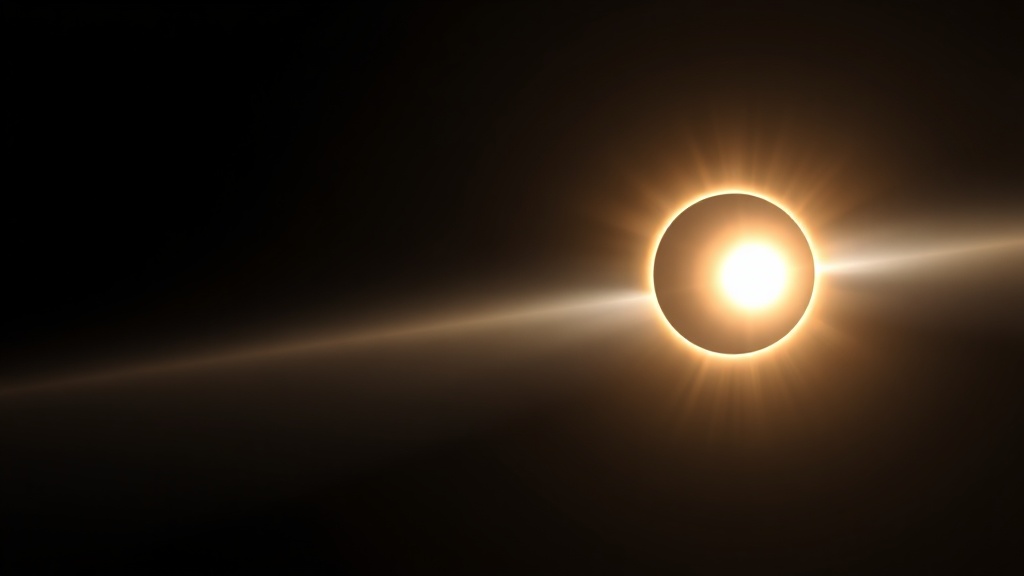
Get ready, sky gazers! The total solar eclipse of August 12, 2026, promises a breathtaking spectacle across the Northern Hemisphere, offering a prime opportunity for adventurous travelers to witness one of nature's most dramatic celestial events. This article details the 2026 solar eclipse path, highlighting optimal viewing locations in Europe, Greenland, and Iceland, complete with travel tips and crucial planning advice for a once-in-a-lifetime experience.

Introduction: Chasing the Shadow – Why 2026 is Your Next Eclipse Adventure
The allure of a total solar eclipse is undeniable, transforming daytime into an eerie twilight and revealing the sun's ethereal corona. While the recent buzz around the 2024 total solar eclipse captivated millions in North America, the 2026 event offers a spectacular new chase for eclipse enthusiasts and curious travelers alike. Unlike its North American predecessor, the 2026 path of totality predominantly sweeps across Europe and the North Atlantic, presenting a unique blend of cultural exploration and astronomical wonder. This isn't just about seeing the sun disappear; it's about experiencing the collective gasp, the sudden drop in temperature, and the surreal light that paints the landscape during those precious minutes of totality. For those who missed 2024 or are simply hungry for another astronomical pilgrimage, understanding the 2026 path is your first step towards an unforgettable journey.
The Path of Totality: From Greenland's Glaciers to Spain's Shores
The journey of the moon's shadow on August 12, 2026, begins over the remote reaches of the Arctic, making its first significant landfall in Greenland before sweeping across Iceland and eventually descending upon the Iberian Peninsula. Understanding the duration of totality, local weather patterns, and accessibility are paramount when selecting your prime viewing spot.
Greenland: The Arctic Frontier (Totality Duration: Up to 2 minutes, 18 seconds) The eclipse first touches land in eastern Greenland, offering some of the longest durations of totality. While incredibly scenic with its icebergs and dramatic fjords, accessibility here is a significant challenge. Remote settlements like Kulusuk or Tasiilaq might offer opportunities, but require specialized expedition travel, often via ice-strengthened ships or chartered flights. The sun will be relatively low in the sky, adding a dramatic horizon effect, but also increasing the chances of cloud cover obstructing views. Weather in August in Greenland is unpredictable, with fog and low clouds common. Travelers considering Greenland should prioritize flexibility, robust cold-weather gear, and be prepared for primitive infrastructure. Researching specialized eclipse tours that cater to this unique environment is highly recommended. Expect limited accommodation and high costs due to the remote nature.
Iceland: The Land of Fire and Ice (Totality Duration: Up to 1 minute, 58 seconds) Iceland stands out as perhaps the most accessible and captivating primary viewing location for the 2026 eclipse. The path of totality crosses the entire island from west to east, including the capital city of Reykjavík. This is a game-changer for many travelers, as it means easy access via international flights and a well-developed tourism infrastructure.
- Reykjavík and the Reykjanes Peninsula: The capital itself will experience totality, offering an urban eclipse viewing experience unique to this event. Imagine the city lights twinkling under the corona! The Reykjanes Peninsula, home to the Blue Lagoon and dramatic volcanic landscapes, will also be within the path. Its proximity to Keflavík International Airport makes it incredibly convenient.
- Southern Coast: Locations like Vik í Mýrdal, famous for its black sand beaches and basalt columns, will also be in the path. The sun will be higher here than in Greenland, potentially offering better photographic opportunities.
- Westfjords: While more remote, the rugged Westfjords offer stunning, unspoiled scenery. However, infrastructure is sparser, and road travel can be slower.
- Weather Considerations: August in Iceland can be cool and rainy. While sunshine is common, so are cloudy days. The Icelandic Met Office (Veðurstofa Íslands) provides excellent forecasts, but preparedness for all weather conditions is essential. Booking accommodations and rental cars far in advance is crucial, as Iceland's popularity means even without an eclipse, August is peak season.
Spain: Mediterranean Magic (Totality Duration: Up to 1 minute, 48 seconds) After traversing the Atlantic, the moon's shadow makes landfall in Spain, offering excellent opportunities for viewing with typically warmer, drier August weather. The sun will be higher in the sky here, approximately 30-40 degrees above the horizon, which is ideal for viewing and photography.
- Northern Spain (Galicia, Asturias, Cantabria): The path first crosses the dramatic coastline of northern Spain, including cities like A Coruña, Gijón, and Santander. This region is known for its lush green landscapes, stunning beaches, and delicious seafood. While weather here can be more variable than in the south, August often brings pleasant conditions.
- Central Spain: The path then sweeps inland over cities such as Valladolid, Burgos, and Zaragoza. These cities offer rich historical and cultural experiences alongside the eclipse. The Ebro River Valley, near Zaragoza, is particularly known for its clear skies.
- Balearic Islands (Mallorca, Ibiza, Formentera): One of the most enticing prospects is the path of totality crossing Mallorca, the largest of the Balearic Islands. The capital, Palma de Mallorca, will experience totality, making for an incredibly appealing destination combining a beach vacation with an astronomical event. Imagine watching the corona over the Mediterranean Sea! The probability of clear skies here in August is historically very high, a significant advantage over northern latitudes.
Portugal: While the path barely grazes the northernmost tip of Portugal, the duration of totality here will be very short (a few seconds at most) and easily missed. Spain remains the prime Iberian destination.
Planning Your Eclipse Expedition: Logistics and Considerations
Successfully experiencing the 2026 solar eclipse requires meticulous planning, especially given the global nature of the viewing locations.
Accommodation and Transportation: Booking accommodations and transportation is the single most critical step, and it cannot be emphasized enough: book early. For Iceland and Mallorca, expect hotels, guesthouses, and rental cars to be fully booked and prices to surge dramatically as early as two years out. Many major tour operators and cruise lines are already advertising 2026 eclipse packages. For Spain, while capacity is higher, popular coastal areas and cities within the path will still see high demand. Consider booking flights as soon as airline schedules open (typically 11 months in advance) to secure better rates. If traveling to remote areas of Greenland or Iceland, pre-arranged tours that handle all logistics are often the only viable option.
Weather and Contingency Planning: Weather is the ultimate wild card for any eclipse chaser. While historical averages can guide location choices (Mallorca generally has the best August weather probability), no guarantee exists.
- Mobility: Having the flexibility to move to a clearer spot on eclipse day is highly advantageous. Renting a car (booked well in advance!) is advisable, especially in Iceland and Spain, to allow for last-minute adjustments. Research alternative viewing sites along your chosen path segment.
- Backup Activities: Even if clouds obscure the sun, the experience of totality is still profound. Plan for other activities in your chosen destination to make the trip worthwhile, regardless of the eclipse weather.
- Thermal Layering: For Iceland and Greenland, pack layers, including waterproof and windproof outerwear. Even in Spain, a light jacket for evenings is wise.
Eclipse Viewing Safety:
- Certified Eclipse Glasses: Crucial for viewing the partial phases of the eclipse. Ensure they meet the ISO 12312-2 international safety standard. Counterfeit glasses are a serious risk. Purchase from reputable astronomy retailers.
- Solar Filters: For cameras, telescopes, and binoculars, proper solar filters are essential. Never look at the sun through unfiltered optical devices, even with eclipse glasses.
- Totality: Only during the brief period of totality, when the moon completely covers the sun, is it safe to remove your eclipse glasses and view the corona directly. As soon as the sun's bright disc reappears, even a sliver, put your glasses back on immediately.
Beyond the Eclipse: Maximizing Your European Adventure
The 2026 eclipse provides an unparalleled opportunity to combine a rare astronomical event with an incredible travel experience.
Free Weekly Newsletter
Enjoying this guide?
Get the best articles like this one delivered to your inbox every week. No spam.
Iceland: Nature's Wonderland: Beyond the eclipse, Iceland offers waterfalls (Seljalandsfoss, Skógafoss), geysers (Strokkur), glaciers, black sand beaches, and geothermal spas. Consider extending your trip to explore the Golden Circle, the South Coast, or even the Snaefellsnes Peninsula. Whale watching is popular in August.
Spain: Culture, Cuisine, and Coastlines: If viewing from northern Spain, combine your eclipse chase with a culinary tour of the Basque Country (San Sebastián, Bilbao), famous for its pintxos and Michelin-starred restaurants. The Camino de Santiago pilgrimage route also crosses this region. In Mallorca, enjoy pristine beaches, historic towns like Valldemossa, and the stunning Serra de Tramuntana mountain range. Indulge in Spanish tapas, paella, and local wines.
Greenland: Expedition Travel: For the truly adventurous, Greenland offers iceberg cruises, hiking in pristine wilderness, and cultural immersion with Inuit communities. This is less a tourist destination and more an expedition, requiring significant preparation but offering unparalleled solitude and raw natural beauty.
Future Outlook: The Next Great Solar Spectacles
For those who catch the eclipse bug (and many do!), the celestial calendar offers future events to anticipate. After 2026, the next total solar eclipse visible from North America won't be until 2044 (grazing Montana and North Dakota) and 2045 (sweeping across the southern U.S. from California to Florida). For Europe, the very next total solar eclipse will occur on August 2, 2027, traversing parts of Spain again, including Gibraltar and the Costa del Sol, then moving across North Africa and Saudi Arabia. This offers a quick follow-up for European viewers, potentially with even higher probabilities of clear skies in some areas. Planning for 2026 can be excellent practice for 2027 or subsequent events further afield, honing your eclipse-chasing skills and understanding of logistical challenges.
Conclusion: Embrace the Shadow, Embrace the Journey
The total solar eclipse of August 12, 2026, is more than just an astronomical phenomenon; it's an invitation to embark on an extraordinary journey. Whether you choose the rugged beauty of Greenland, the volcanic landscapes of Iceland, or the sun-drenched shores of Spain, witnessing totality is an experience that transcends mere observation – it's visceral, emotional, and unforgettable. By understanding the path, planning meticulously, and prioritizing safety, you can transform this rare celestial alignment into the adventure of a lifetime. Start your research, book early, and prepare to be awestruck as the moon briefly, yet profoundly, reclaims the sun. The shadow awaits.
Frequently Asked Questions
Introduction: Chasing the Shadow – Why 2026 is Your Next Eclipse Adventure
The allure of a total solar eclipse is undeniable, transforming daytime into an eerie twilight and revealing the sun's ethereal corona. While the recent buzz around the 2024 total solar eclipse captivated millions in North America, the 2026 event offers a spectacular new chase for eclipse enthusiasts and curious travelers alike. Unlike its North American predecessor, the 2026 path of totality predominantly sweeps across Europe and the North Atlantic, presenting a unique blend of cultural exploration and astronomical wonder. This isn't just about seeing the sun disappear; it's about experiencing the collective gasp, the sudden drop in temperature, and the surreal light that paints the landscape during those precious minutes of totality. For those who missed 2024 or are simply hungry for another astronomical pilgrimage, understanding the 2026 path is your first step towards an unforgettable journey.
The Path of Totality: From Greenland's Glaciers to Spain's Shores
The journey of the moon's shadow on August 12, 2026, begins over the remote reaches of the Arctic, making its first significant landfall in Greenland before sweeping across Iceland and eventually descending upon the Iberian Peninsula. Understanding the duration of totality, local weather patterns, and accessibility are paramount when selecting your prime viewing spot.
Greenland: The Arctic Frontier (Totality Duration: Up to 2 minutes, 18 seconds) The eclipse first touches land in eastern Greenland, offering some of the longest durations of totality. While incredibly scenic with its icebergs and dramatic fjords, accessibility here is a significant challenge. Remote settlements like Kulusuk or Tasiilaq might offer opportunities, but require specialized expedition travel, often via ice-strengthened ships or chartered flights. The sun will be relatively low in the sky, adding a dramatic horizon effect, but also increasing the chances of cloud cover obstructing views. Weather in August in Greenland is unpredictable, with fog and low clouds common. Travelers considering Greenland should prioritize flexibility, robust cold-weather gear, and be prepared for primitive infrastructure. Researching specialized eclipse tours that cater to this unique environment is highly recommended. Expect limited accommodation and high costs due to the remote nature.
Iceland: The Land of Fire and Ice (Totality Duration: Up to 1 minute, 58 seconds) Iceland stands out as perhaps the most accessible and captivating primary viewing location for the 2026 eclipse. The path of totality crosses the entire island from west to east, including the capital city of Reykjavík. This is a game-changer for many travelers, as it means easy access via international flights and a well-developed tourism infrastructure.
- Reykjavík and the Reykjanes Peninsula: The capital itself will experience totality, offering an urban eclipse viewing experience unique to this event. Imagine the city lights twinkling under the corona! The Reykjanes Peninsula, home to the Blue Lagoon and dramatic volcanic landscapes, will also be within the path. Its proximity to Keflavík International Airport makes it incredibly convenient.
- Southern Coast: Locations like Vik í Mýrdal, famous for its black sand beaches and basalt columns, will also be in the path. The sun will be higher here than in Greenland, potentially offering better photographic opportunities.
- Westfjords: While more remote, the rugged Westfjords offer stunning, unspoiled scenery. However, infrastructure is sparser, and road travel can be slower.
- Weather Considerations: August in Iceland can be cool and rainy. While sunshine is common, so are cloudy days. The Icelandic Met Office (Veðurstofa Íslands) provides excellent forecasts, but preparedness for all weather conditions is essential. Booking accommodations and rental cars far in advance is crucial, as Iceland's popularity means even without an eclipse, August is peak season.
Spain: Mediterranean Magic (Totality Duration: Up to 1 minute, 48 seconds) After traversing the Atlantic, the moon's shadow makes landfall in Spain, offering excellent opportunities for viewing with typically warmer, drier August weather. The sun will be higher in the sky here, approximately 30-40 degrees above the horizon, which is ideal for viewing and photography.
- Northern Spain (Galicia, Asturias, Cantabria): The path first crosses the dramatic coastline of northern Spain, including cities like A Coruña, Gijón, and Santander. This region is known for its lush green landscapes, stunning beaches, and delicious seafood. While weather here can be more variable than in the south, August often brings pleasant conditions.
- Central Spain: The path then sweeps inland over cities such as Valladolid, Burgos, and Zaragoza. These cities offer rich historical and cultural experiences alongside the eclipse. The Ebro River Valley, near Zaragoza, is particularly known for its clear skies.
- Balearic Islands (Mallorca, Ibiza, Formentera): One of the most enticing prospects is the path of totality crossing Mallorca, the largest of the Balearic Islands. The capital, Palma de Mallorca, will experience totality, making for an incredibly appealing destination combining a beach vacation with an astronomical event. Imagine watching the corona over the Mediterranean Sea! The probability of clear skies here in August is historically very high, a significant advantage over northern latitudes.
Portugal: While the path barely grazes the northernmost tip of Portugal, the duration of totality here will be very short (a few seconds at most) and easily missed. Spain remains the prime Iberian destination.
Planning Your Eclipse Expedition: Logistics and Considerations
Successfully experiencing the 2026 solar eclipse requires meticulous planning, especially given the global nature of the viewing locations.
Accommodation and Transportation: Booking accommodations and transportation is the single most critical step, and it cannot be emphasized enough: book early. For Iceland and Mallorca, expect hotels, guesthouses, and rental cars to be fully booked and prices to surge dramatically as early as two years out. Many major tour operators and cruise lines are already advertising 2026 eclipse packages. For Spain, while capacity is higher, popular coastal areas and cities within the path will still see high demand. Consider booking flights as soon as airline schedules open (typically 11 months in advance) to secure better rates. If traveling to remote areas of Greenland or Iceland, pre-arranged tours that handle all logistics are often the only viable option.
Weather and Contingency Planning: Weather is the ultimate wild card for any eclipse chaser. While historical averages can guide location choices (Mallorca generally has the best August weather probability), no guarantee exists.
- Mobility: Having the flexibility to move to a clearer spot on eclipse day is highly advantageous. Renting a car (booked well in advance!) is advisable, especially in Iceland and Spain, to allow for last-minute adjustments. Research alternative viewing sites along your chosen path segment.
- Backup Activities: Even if clouds obscure the sun, the experience of totality is still profound. Plan for other activities in your chosen destination to make the trip worthwhile, regardless of the eclipse weather.
- Thermal Layering: For Iceland and Greenland, pack layers, including waterproof and windproof outerwear. Even in Spain, a light jacket for evenings is wise.
Eclipse Viewing Safety:
- Certified Eclipse Glasses: Crucial for viewing the partial phases of the eclipse. Ensure they meet the ISO 12312-2 international safety standard. Counterfeit glasses are a serious risk. Purchase from reputable astronomy retailers.
- Solar Filters: For cameras, telescopes, and binoculars, proper solar filters are essential. Never look at the sun through unfiltered optical devices, even with eclipse glasses.
- Totality: Only during the brief period of totality, when the moon completely covers the sun, is it safe to remove your eclipse glasses and view the corona directly. As soon as the sun's bright disc reappears, even a sliver, put your glasses back on immediately.
Beyond the Eclipse: Maximizing Your European Adventure
The 2026 eclipse provides an unparalleled opportunity to combine a rare astronomical event with an incredible travel experience.
Iceland: Nature's Wonderland: Beyond the eclipse, Iceland offers waterfalls (Seljalandsfoss, Skógafoss), geysers (Strokkur), glaciers, black sand beaches, and geothermal spas. Consider extending your trip to explore the Golden Circle, the South Coast, or even the Snaefellsnes Peninsula. Whale watching is popular in August.
Spain: Culture, Cuisine, and Coastlines: If viewing from northern Spain, combine your eclipse chase with a culinary tour of the Basque Country (San Sebastián, Bilbao), famous for its pintxos and Michelin-starred restaurants. The Camino de Santiago pilgrimage route also crosses this region. In Mallorca, enjoy pristine beaches, historic towns like Valldemossa, and the stunning Serra de Tramuntana mountain range. Indulge in Spanish tapas, paella, and local wines.
Greenland: Expedition Travel: For the truly adventurous, Greenland offers iceberg cruises, hiking in pristine wilderness, and cultural immersion with Inuit communities. This is less a tourist destination and more an expedition, requiring significant preparation but offering unparalleled solitude and raw natural beauty.
Future Outlook: The Next Great Solar Spectacles
For those who catch the eclipse bug (and many do!), the celestial calendar offers future events to anticipate. After 2026, the next total solar eclipse visible from North America won't be until 2044 (grazing Montana and North Dakota) and 2045 (sweeping across the southern U.S. from California to Florida). For Europe, the very next total solar eclipse will occur on August 2, 2027, traversing parts of Spain again, including Gibraltar and the Costa del Sol, then moving across North Africa and Saudi Arabia. This offers a quick follow-up for European viewers, potentially with even higher probabilities of clear skies in some areas. Planning for 2026 can be excellent practice for 2027 or subsequent events further afield, honing your eclipse-chasing skills and understanding of logistical challenges.
Conclusion: Embrace the Shadow, Embrace the Journey
The total solar eclipse of August 12, 2026, is more than just an astronomical phenomenon; it's an invitation to embark on an extraordinary journey. Whether you choose the rugged beauty of Greenland, the volcanic landscapes of Iceland, or the sun-drenched shores of Spain, witnessing totality is an experience that transcends mere observation – it's visceral, emotional, and unforgettable. By understanding the path, planning meticulously, and prioritizing safety, you can transform this rare celestial alignment into the adventure of a lifetime. Start your research, book early, and prepare to be awestruck as the moon briefly, yet profoundly, reclaims the sun. The shadow awaits.
About Zeebrain Editorial
Zeebrain publishes independent analysis of markets, investing, personal finance, and business. We disclose affiliate relationships, never accept payment for coverage, and fact-check all claims against primary sources. Read our editorial policy →
How this article was produced: Zeebrain articles are created with AI assistance from primary sources (including cited videos and market data) and reviewed under our editorial standards before publication. Spot an error? Tell us and we will correct it.
More from Travel & Places




Related Guides
Keep exploring this topic
Explore More Categories
Keep browsing by topic and build depth around the subjects you care about most.