Meta Smart Glasses Review: Are They Worth It?
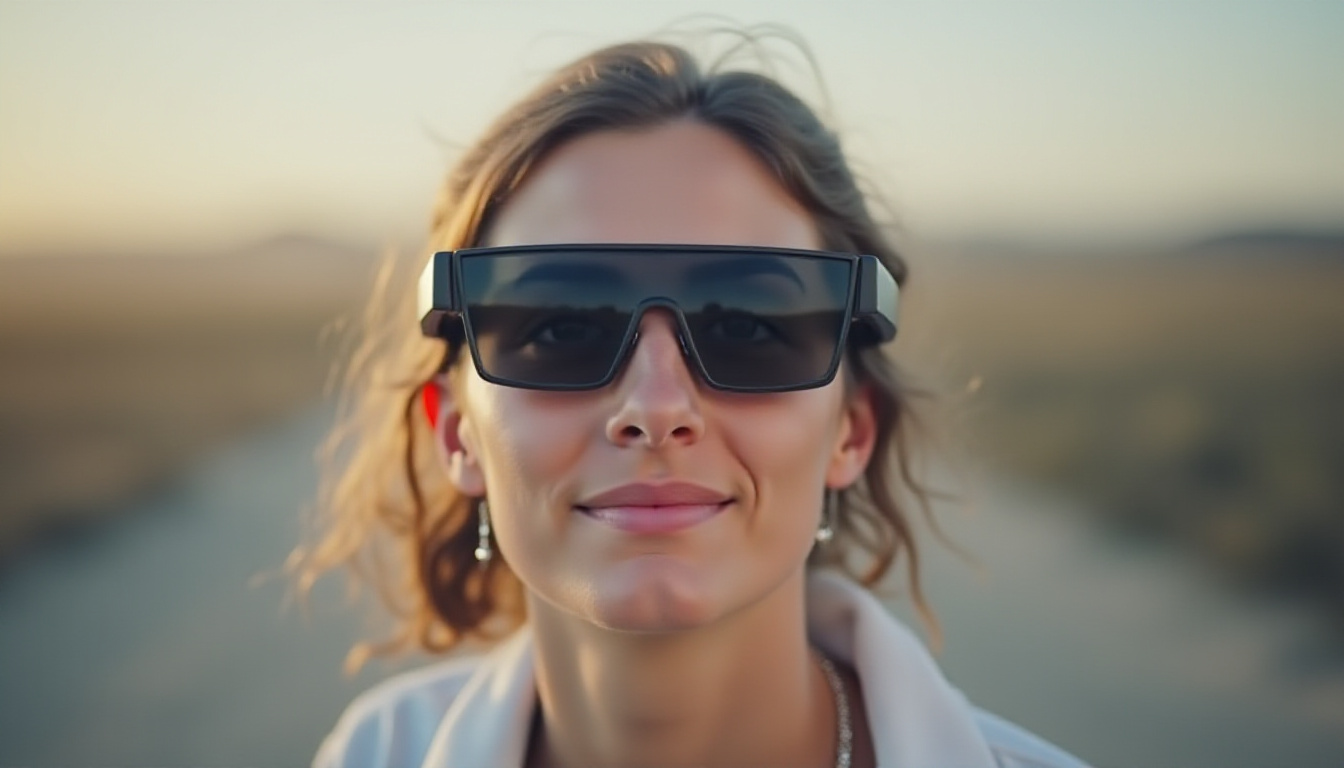
Quick Summary
Meta smart glasses reviewed: pricing, privacy risks, AI features, VR specs, and how they compare to Apple Vision Pro and Samsung Galaxy XR. Is it worth your money?
Meta Smart Glasses
Check current price and availability on Amazon
In This Article
Meta Smart Glasses Review: Are They Worth It?
This article may contain affiliate links. We may earn a commission if you purchase through them, at no extra cost to you.

Meta has been pushing smart glasses harder than any other company on the planet — and their latest Connect event made it crystal clear that they are not slowing down. From AI fitness coaching on your face to $1,299 VR glasses that undercut Apple Vision Pro by $2,300, there is a lot to unpack. But the real question for budget-conscious buyers is simple: do any of these products actually justify their price tags, and can you trust Meta enough to wear their hardware on your face all day?
This review cuts through the keynote hype, weighs the genuine innovations against the serious concerns, and gives you a straight answer on who should buy, who should wait, and who should walk away entirely.
What Meta Is Actually Selling: The Product Lineup Explained
Meta's smart glasses strategy now spans three distinct tiers, and understanding the differences matters before you spend a single dollar.
Meta Ray-Ban Gen 3 (audio + camera glasses): The flagship consumer product. Slimmer temples, improved battery life, and Dolby Atmos spatial audio capture are the headline upgrades. Prices remain in the $250–$350 range depending on frame and lens configuration. These are the glasses most people will actually consider buying.
Meta Ray-Ban Display model: A step up with a colour waveguide display built in. Requires a neural wristband for gesture control. Previously locked behind a pre-screening interview process; Meta has now opened online purchasing. More capable, more expensive, and far more niche.
Meta VR Glasses (launching spring 2027): Priced at $1,299, these are the attention-grabbing new entrant. A prism display with a 70-degree field of view, hand-gesture tracking, and USB-C DisplayPort connectivity. They require a secondary battery/compute box — a detail Meta's keynote visuals conveniently obscured — and they do not ship with controllers.
There is also Muse, Meta's new on-device AI agent, which runs across the ecosystem and deserves its own section entirely.
Muse AI: Genuinely Useful or a Privacy Nightmare?
Muse is Meta's most ambitious product announcement in years, and it arrives with a very loaded pitch: it can make you richer, fitter, and more productive — all through your glasses. It integrates with Spotify, PayPal, Walmart, Best Buy, and Sephora, meaning your AI companion can actively help you shop, exercise, and manage money.
The fitness angle is the most believable use case. Muse can coach you through running intervals via audio cues through the glasses and notify you when you hit a personal record. That is genuinely useful, and it overlaps with functionality that smartwatches and fitness trackers already deliver — except here it is hands-free and wearable on your face rather than your wrist.
The shopping and financial angle is where things get uncomfortable. Meta's pitch is that Muse can "see what you see and hear what you hear" in order to serve you better. That sentence should give any privacy-conscious consumer serious pause. It is not paranoia — it is a rational response to Meta's well-documented history with data.
Meta did announce a private compute layer that encrypts Muse's local processing, but the details remain vague. Critically, the company did not address the ongoing public backlash over camera-equipped glasses being used to identify strangers without consent. That silence is not a minor PR misstep. It is a strategic choice, and a troubling one.
For buyers who already live inside Meta's ecosystem and are comfortable with the data tradeoffs, Muse is a meaningful upgrade. For everyone else, scepticism is warranted.
Meta VR Glasses vs. The Competition: How Does $1,299 Stack Up?
The $1,299 price point for Meta's VR glasses is clearly engineered to look attractive next to its rivals. Here is how it actually compares:
| Product | Price | Weight | Field of View | Controllers Included | Ecosystem |
|---|---|---|---|---|---|
| Meta VR Glasses (2027) | $1,299 | ~22 oz | 70° | No | Meta/Quest |
| Samsung Galaxy XR | ~$1,899 | N/A | N/A | Yes | Android XR |
| Apple Vision Pro | $3,499 | 1.8 lbs | N/A | No (hand/eye tracking) | visionOS |
| XRL Aura | <$1,500 (est.) | N/A | ~58° | N/A | Android XR |
At $600 less than the Galaxy XR and $2,200 less than Vision Pro, Meta's positioning is smart. The 70-degree field of view is wider than comparable glasses-form devices currently on the market. The weight reduction is significant — Vision Pro's 1.8-pound heft is one of its most-criticised flaws, and Meta's figure of approximately 22 ounces is a meaningful step toward genuine all-day wearability.
However, there are catches. The secondary compute box — similar to what you see with Galaxy XR — means you are not actually wearing a self-contained device. The no-controller design relies entirely on hand gesture tracking, which works well for casual navigation but may frustrate users who want precision input for productivity or gaming. And the spring 2027 launch date means you cannot buy one today regardless of how convinced you are.
For VR enthusiasts who already own Quest titles and want a more portable, lighter option than a full headset, this is worth watching. For everyone else, it is still a large outlay for a first-generation form factor that will almost certainly improve and drop in price within 18 months.
Pros and Cons of Meta Smart Glasses
Pros
- Ray-Ban Gen 3 at ~$250 remains genuinely competitive for audio-first wearables; Dolby Atmos spatial audio is a real upgrade
- Muse AI fitness coaching is a practical, low-friction use case that works without a phone in your hand
- $1,299 VR glasses undercut every major competitor by a meaningful margin
- Quest ecosystem depth gives Meta a library advantage over newer Android XR competitors
- Display model now available online without a gatekeeping interview process
- Weight reduction on VR glasses addresses a top complaint across the entire spatial computing category
- Customisation options (charms, celebrity collaborations) may broaden consumer appeal beyond tech early adopters
Cons
- Privacy response was essentially absent — no direct acknowledgment of the "pervert glasses" backlash or concrete policy commitments
- Muse's private compute layer is vague — "encrypted on-device" claims need independent verification before anyone hands Meta their sensory data
- VR glasses require a secondary compute/battery box — not the clean, wire-free product the keynote implied
- No controllers included at $1,299 limits gaming utility out of the box
- Display Ray-Ban model remains niche — neural wristband dependency is an additional friction point and cost
- Audio-only glasses feel like a PR play rather than a genuine product innovation, given the crowded and more established competition
- VR glasses don't ship until spring 2027 — a lot can change in the market by then
- Celebrity partnerships feel low-effort — the production quality of promotional content did not match the scale of the launch
Who Should Buy Meta Smart Glasses (And Who Should Not)
Buy the Ray-Ban Gen 3 if: You want hands-free audio, occasional photo and video capture for outdoor activities like hiking or cycling, and you are comfortable with Meta's data practices. At $250, the value proposition is real. This is the most accessible entry point and the one product in the lineup with a proven track record.
Consider the Display model if: You want a genuine heads-up display experience and you are willing to pay a premium and wear a wristband. Wait until independent reviewers confirm the Muse AI integration works smoothly before committing.
Wait on the VR glasses if: You are interested but not desperate. Spring 2027 is far enough away that competition from Google's Gemini-powered glasses and second-generation Android XR devices will give you much better comparison data before you spend $1,299.
Skip Meta entirely if: Privacy is a priority for you. There is no polite way to say this — if you are uncomfortable with an always-on AI that sees and hears your environment feeding data into Meta's infrastructure, no amount of private compute marketing language should override that concern.
Free Weekly Newsletter
Enjoying this guide?
Get the best articles like this one delivered to your inbox every week. No spam.
Overall Rating
Meta Ray-Ban Gen 3: 7.5 / 10 Solid hardware upgrade at a competitive price. The privacy concerns are real but the use case for outdoor creators and audio-first wearable users is legitimate.
Meta VR Glasses: 6.5 / 10 (provisional — not yet released) Strong pricing, impressive spec sheet, but the secondary box dependency and 2027 launch date reduce urgency. The Quest ecosystem is a genuine asset.
Muse AI Platform: 6 / 10 Intriguing potential, especially for fitness use cases, but the privacy architecture needs far more transparency before it earns trust.
Bottom Line
Meta's smart glasses lineup is more mature than it has ever been, and the $1,299 VR glasses show that the company is serious about competing at every price tier below Apple Vision Pro. For the average buyer right now, the Ray-Ban Gen 3 at $250 is the only product with enough real-world proof points to recommend without heavy caveats. The VR glasses are worth watching but not worth pre-ordering when the competitive landscape will look very different by the time they ship. And Muse — for all its ambition — will only earn a genuine recommendation once Meta demonstrates, not just declares, that it has solved the privacy problem it spent an entire keynote tiptoeing around.
Where to Buy
Meta Ray-Ban Smart Glasses on Amazon
Frequently Asked Questions
Are Meta smart glasses worth the money compared to regular earbuds or headphones?
For pure audio quality, dedicated wireless earbuds will outperform the Ray-Ban Gen 3 at a similar price. Where Meta glasses win is convenience and form factor — you are not carrying or inserting anything extra, and the hands-free camera is a genuine bonus for outdoor activities. If you already wear glasses and want ambient audio without earbuds, the value case is solid. If audio quality is your primary concern, earbuds win.
What is the biggest privacy risk with Meta smart glasses?
The camera. It is always-present, not always obviously active, and capable of recording people around you without their knowledge or consent. Meta has introduced recording indicator lights, but these can be obscured. The broader risk is that Muse AI ingests ambient audio and visual data and feeds it into Meta's systems. Until Meta publishes a clear, audited data policy specifically for glasses, users should treat everything captured as potentially accessible to Meta's infrastructure.
How do Meta VR glasses compare to Apple Vision Pro for everyday use?
Meta's $1,299 VR glasses are lighter, cheaper, and run the entire Quest game library, which is a meaningful content advantage for entertainment. Apple Vision Pro at $3,499 offers superior display quality, a more polished interface with combined hand and eye tracking, and a tighter integration with the Apple ecosystem. Vision Pro is also a more genuinely self-contained device. Meta wins on price and portability; Apple wins on refinement and standalone capability. Neither is an everyday all-day wearable in their current forms.
Who are Meta smart glasses NOT suitable for?
Anyone with serious privacy concerns should avoid them. Anyone expecting a transparent, unobtrusive display experience should also wait — the waveguide display technology is improving but not yet at a point where it matches a normal pair of glasses in subtlety. People who want precise VR gaming input will find the no-controller, gesture-only approach of the new VR glasses limiting. And anyone on a tight budget should be clear-eyed that $250 for Ray-Ban Gen 3 is entry-level for smart glasses but still a premium over the cost of doing nothing.
Meta Smart Glasses
Considering it? See where the price stands today
Frequently Asked Questions
What Meta Is Actually Selling: The Product Lineup Explained
Meta's smart glasses strategy now spans three distinct tiers, and understanding the differences matters before you spend a single dollar.
Meta Ray-Ban Gen 3 (audio + camera glasses): The flagship consumer product. Slimmer temples, improved battery life, and Dolby Atmos spatial audio capture are the headline upgrades. Prices remain in the $250–$350 range depending on frame and lens configuration. These are the glasses most people will actually consider buying.
Meta Ray-Ban Display model: A step up with a colour waveguide display built in. Requires a neural wristband for gesture control. Previously locked behind a pre-screening interview process; Meta has now opened online purchasing. More capable, more expensive, and far more niche.
Meta VR Glasses (launching spring 2027): Priced at $1,299, these are the attention-grabbing new entrant. A prism display with a 70-degree field of view, hand-gesture tracking, and USB-C DisplayPort connectivity. They require a secondary battery/compute box — a detail Meta's keynote visuals conveniently obscured — and they do not ship with controllers.
There is also Muse, Meta's new on-device AI agent, which runs across the ecosystem and deserves its own section entirely.
Muse AI: Genuinely Useful or a Privacy Nightmare?
Muse is Meta's most ambitious product announcement in years, and it arrives with a very loaded pitch: it can make you richer, fitter, and more productive — all through your glasses. It integrates with Spotify, PayPal, Walmart, Best Buy, and Sephora, meaning your AI companion can actively help you shop, exercise, and manage money.
The fitness angle is the most believable use case. Muse can coach you through running intervals via audio cues through the glasses and notify you when you hit a personal record. That is genuinely useful, and it overlaps with functionality that smartwatches and fitness trackers already deliver — except here it is hands-free and wearable on your face rather than your wrist.
The shopping and financial angle is where things get uncomfortable. Meta's pitch is that Muse can "see what you see and hear what you hear" in order to serve you better. That sentence should give any privacy-conscious consumer serious pause. It is not paranoia — it is a rational response to Meta's well-documented history with data.
Meta did announce a private compute layer that encrypts Muse's local processing, but the details remain vague. Critically, the company did not address the ongoing public backlash over camera-equipped glasses being used to identify strangers without consent. That silence is not a minor PR misstep. It is a strategic choice, and a troubling one.
For buyers who already live inside Meta's ecosystem and are comfortable with the data tradeoffs, Muse is a meaningful upgrade. For everyone else, scepticism is warranted.
Meta VR Glasses vs. The Competition: How Does $1,299 Stack Up?
The $1,299 price point for Meta's VR glasses is clearly engineered to look attractive next to its rivals. Here is how it actually compares:
| Product | Price | Weight | Field of View | Controllers Included | Ecosystem |
|---|---|---|---|---|---|
| Meta VR Glasses (2027) | $1,299 | ~22 oz | 70° | No | Meta/Quest |
| Samsung Galaxy XR | ~$1,899 | N/A | N/A | Yes | Android XR |
| Apple Vision Pro | $3,499 | 1.8 lbs | N/A | No (hand/eye tracking) | visionOS |
| XRL Aura | <$1,500 (est.) | N/A | ~58° | N/A | Android XR |
At $600 less than the Galaxy XR and $2,200 less than Vision Pro, Meta's positioning is smart. The 70-degree field of view is wider than comparable glasses-form devices currently on the market. The weight reduction is significant — Vision Pro's 1.8-pound heft is one of its most-criticised flaws, and Meta's figure of approximately 22 ounces is a meaningful step toward genuine all-day wearability.
However, there are catches. The secondary compute box — similar to what you see with Galaxy XR — means you are not actually wearing a self-contained device. The no-controller design relies entirely on hand gesture tracking, which works well for casual navigation but may frustrate users who want precision input for productivity or gaming. And the spring 2027 launch date means you cannot buy one today regardless of how convinced you are.
For VR enthusiasts who already own Quest titles and want a more portable, lighter option than a full headset, this is worth watching. For everyone else, it is still a large outlay for a first-generation form factor that will almost certainly improve and drop in price within 18 months.
Pros and Cons of Meta Smart Glasses
Pros
- Ray-Ban Gen 3 at ~$250 remains genuinely competitive for audio-first wearables; Dolby Atmos spatial audio is a real upgrade
- Muse AI fitness coaching is a practical, low-friction use case that works without a phone in your hand
- $1,299 VR glasses undercut every major competitor by a meaningful margin
- Quest ecosystem depth gives Meta a library advantage over newer Android XR competitors
- Display model now available online without a gatekeeping interview process
- Weight reduction on VR glasses addresses a top complaint across the entire spatial computing category
- Customisation options (charms, celebrity collaborations) may broaden consumer appeal beyond tech early adopters
Cons
- Privacy response was essentially absent — no direct acknowledgment of the "pervert glasses" backlash or concrete policy commitments
- Muse's private compute layer is vague — "encrypted on-device" claims need independent verification before anyone hands Meta their sensory data
- VR glasses require a secondary compute/battery box — not the clean, wire-free product the keynote implied
- No controllers included at $1,299 limits gaming utility out of the box
- Display Ray-Ban model remains niche — neural wristband dependency is an additional friction point and cost
- Audio-only glasses feel like a PR play rather than a genuine product innovation, given the crowded and more established competition
- VR glasses don't ship until spring 2027 — a lot can change in the market by then
- Celebrity partnerships feel low-effort — the production quality of promotional content did not match the scale of the launch
Who Should Buy Meta Smart Glasses (And Who Should Not)
Buy the Ray-Ban Gen 3 if: You want hands-free audio, occasional photo and video capture for outdoor activities like hiking or cycling, and you are comfortable with Meta's data practices. At $250, the value proposition is real. This is the most accessible entry point and the one product in the lineup with a proven track record.
Consider the Display model if: You want a genuine heads-up display experience and you are willing to pay a premium and wear a wristband. Wait until independent reviewers confirm the Muse AI integration works smoothly before committing.
Wait on the VR glasses if: You are interested but not desperate. Spring 2027 is far enough away that competition from Google's Gemini-powered glasses and second-generation Android XR devices will give you much better comparison data before you spend $1,299.
Skip Meta entirely if: Privacy is a priority for you. There is no polite way to say this — if you are uncomfortable with an always-on AI that sees and hears your environment feeding data into Meta's infrastructure, no amount of private compute marketing language should override that concern.
Overall Rating
Meta Ray-Ban Gen 3: 7.5 / 10 Solid hardware upgrade at a competitive price. The privacy concerns are real but the use case for outdoor creators and audio-first wearable users is legitimate.
Meta VR Glasses: 6.5 / 10 (provisional — not yet released) Strong pricing, impressive spec sheet, but the secondary box dependency and 2027 launch date reduce urgency. The Quest ecosystem is a genuine asset.
Muse AI Platform: 6 / 10 Intriguing potential, especially for fitness use cases, but the privacy architecture needs far more transparency before it earns trust.
Bottom Line
Meta's smart glasses lineup is more mature than it has ever been, and the $1,299 VR glasses show that the company is serious about competing at every price tier below Apple Vision Pro. For the average buyer right now, the Ray-Ban Gen 3 at $250 is the only product with enough real-world proof points to recommend without heavy caveats. The VR glasses are worth watching but not worth pre-ordering when the competitive landscape will look very different by the time they ship. And Muse — for all its ambition — will only earn a genuine recommendation once Meta demonstrates, not just declares, that it has solved the privacy problem it spent an entire keynote tiptoeing around.
Where to Buy
Frequently Asked Questions
Are Meta smart glasses worth the money compared to regular earbuds or headphones?
For pure audio quality, dedicated wireless earbuds will outperform the Ray-Ban Gen 3 at a similar price. Where Meta glasses win is convenience and form factor — you are not carrying or inserting anything extra, and the hands-free camera is a genuine bonus for outdoor activities. If you already wear glasses and want ambient audio without earbuds, the value case is solid. If audio quality is your primary concern, earbuds win.
What is the biggest privacy risk with Meta smart glasses?
The camera. It is always-present, not always obviously active, and capable of recording people around you without their knowledge or consent. Meta has introduced recording indicator lights, but these can be obscured. The broader risk is that Muse AI ingests ambient audio and visual data and feeds it into Meta's systems. Until Meta publishes a clear, audited data policy specifically for glasses, users should treat everything captured as potentially accessible to Meta's infrastructure.
How do Meta VR glasses compare to Apple Vision Pro for everyday use?
Meta's $1,299 VR glasses are lighter, cheaper, and run the entire Quest game library, which is a meaningful content advantage for entertainment. Apple Vision Pro at $3,499 offers superior display quality, a more polished interface with combined hand and eye tracking, and a tighter integration with the Apple ecosystem. Vision Pro is also a more genuinely self-contained device. Meta wins on price and portability; Apple wins on refinement and standalone capability. Neither is an everyday all-day wearable in their current forms.
Who are Meta smart glasses NOT suitable for?
Anyone with serious privacy concerns should avoid them. Anyone expecting a transparent, unobtrusive display experience should also wait — the waveguide display technology is improving but not yet at a point where it matches a normal pair of glasses in subtlety. People who want precise VR gaming input will find the no-controller, gesture-only approach of the new VR glasses limiting. And anyone on a tight budget should be clear-eyed that $250 for Ray-Ban Gen 3 is entry-level for smart glasses but still a premium over the cost of doing nothing.
Meta Smart Glasses
Ready to decide? Compare the current price before you buy
About Zeebrain Editorial
Zeebrain publishes independent analysis of markets, investing, personal finance, and business. We disclose affiliate relationships, never accept payment for coverage, and fact-check all claims against primary sources. Read our editorial policy →
How this article was produced: Zeebrain articles are created with AI assistance from primary sources (including cited videos and market data) and reviewed under our editorial standards before publication. Spot an error? Tell us and we will correct it.
Disclaimer: Content on Zeebrain is for informational and educational purposes only and does not constitute financial advice or a recommendation to buy or sell any security. Always conduct your own research and consult a qualified financial adviser before making investment decisions. Past performance is not indicative of future results.
More from Review




Related Guides
Keep exploring this topic
Explore More Categories
Keep browsing by topic and build depth around the subjects you care about most.