Healthy Eating Challenges: Mastering Meal Prep for a Better You
Quick Summary
Healthy Eating Challenges: Mastering Meal Prep for a Better You Are you tired of the dinner dilemma, the takeout temptation, and the constant battle against unhealthy snacking?...
In This Article
Healthy Eating Challenges: Mastering Meal Prep for a Better You
Are you tired of the dinner dilemma, the takeout temptation, and the constant battle against unhealthy snacking? You're not alone. In today's fast-paced American lifestyle, the aspiration for healthy eating often collides head-on with the harsh realities of limited time, budget constraints, and sheer exhaustion. This isn't just a personal struggle; it's a nationwide challenge, with recent CDC data indicating that only about 1 in 10 Americans consume the recommended daily servings of fruits and vegetables. But what if there was a powerful, accessible antidote to these dietary dilemmas? Enter meal prep, a strategic cornerstone for anyone serious about transforming their health without sacrificing their schedule or their sanity.

Why Healthy Eating Feels So Hard Right Now: The Modern American Diet Dilemma
The modern American food landscape is a minefield for healthy eaters. Consider the pervasive availability of ultra-processed foods: a 2021 study published in the American Journal of Clinical Nutrition revealed that ultra-processed foods account for over half of the average American's daily caloric intake. These foods, engineered for convenience and palatability, often come loaded with unhealthy fats, added sugars, and sodium, contributing to rising rates of obesity, type 2 diabetes, and cardiovascular disease. The average American spends roughly 37 minutes preparing food daily, according to the Bureau of Labor Statistics, a stark contrast to the hours our grandparents might have dedicated. This time crunch pushes us towards quick fixes, like drive-thrus and frozen dinners, which are rarely nutritionally optimal.
Beyond convenience, cost plays a significant role. While often perceived as cheaper, the true cost of eating out regularly or relying on processed snacks adds up quickly. A typical fast-food meal can range from $8-$15 per person, easily topping $50 for a family of four. Compare this to the potential for a home-cooked meal, where ingredients for a healthy, protein-rich dish like chicken and roasted vegetables can be bought in bulk for a fraction of the per-serving cost. For example, a whole chicken might cost $8-$12 and yield several meals, while a bag of frozen mixed vegetables is around $3-$5 for multiple servings. The financial pressure often steers individuals toward cheaper, less nutritious options, perpetuating a cycle of unhealthy eating.
Furthermore, the sheer mental load of daily food decisions, known as "decision fatigue," is a significant barrier. After a long day of work, managing family responsibilities, or navigating personal challenges, the thought of planning, shopping, and cooking a nutritious meal can feel overwhelming. This fatigue often leads to impulse choices, which tend to be the less healthy, more convenient ones. This isn't a lack of willpower; it's a systemic challenge rooted in the demands of contemporary life.
Decoding the Meal Prep Advantage: More Than Just Tupperware
Meal prep isn't just about cooking ahead; it's a strategic approach that offers profound benefits, extending far beyond the kitchen. From a nutritional standpoint, meal prepping empowers you to take full control over ingredients. You dictate the quality of produce, the lean cuts of protein, and the healthy fats used, directly eliminating the hidden sugars, excessive sodium, and unhealthy oils often found in restaurant or pre-packaged meals. This intentionality directly supports adherence to dietary goals, whether it's increasing vegetable intake, managing blood sugar, or reducing processed food consumption. For instance, if your goal is 5 servings of vegetables daily, prepping pre-portioned salads or roasted veggie sides makes hitting that target almost automatic.
Economically, meal prepping is a game-changer. A 2018 study by the financial services firm Visa found that Americans spend an average of $232 per month eating out. By comparison, grocery spending for a healthy, home-cooked diet can be significantly lower, especially when buying in bulk and planning meals around sales. Consider a typical week: instead of spending $10-$15 daily on lunch, a week's worth of prepped lunches might cost $20-$30 total in ingredients. That's a potential saving of $50-$80 per week, or over $200-$300 per month. This isn't just pocket change; it's a substantial amount that can be reallocated to other financial goals or simply reduce stress.
Beyond the tangibles, the psychological benefits are often underestimated. Meal prepping significantly reduces decision fatigue by front-loading food choices. On busy weekdays, the "what's for dinner?" dread is replaced by the simple act of heating up a pre-portioned, nutritious meal. This reduction in daily stress around food fosters a greater sense of control and accomplishment, contributing positively to overall mental well-being. Furthermore, consistent healthy eating, facilitated by meal prep, leads to stable energy levels, improved mood, and better cognitive function, as the body receives a steady supply of essential nutrients rather than spikes and crashes from unhealthy foods.
Mastering Meal Prep: Practical Strategies for U.S. Households
Ready to reclaim your plate and your peace of mind? Mastering meal prep is an achievable goal with the right strategies.
1. Strategic Planning: Your Blueprint for Success Begin with a weekly meal plan. This doesn't need to be rigid, but a general outline helps. Consider your schedule: are there specific days you'll be too busy to cook? Plan pre-prepped meals for those. Browse grocery store flyers for sales and build your menu around seasonal produce and discounted proteins. Apps like "Mealime" or "PlateJoy" can offer meal planning ideas and even generate shopping lists, saving you precious time and mental energy. Don't forget snacks! Portioning out nuts, fruits, or homemade energy balls prevents impulsive, unhealthy snacking.
2. Smart Grocery Shopping: Your Time and Money Saver With your meal plan and shopping list in hand, hit the grocery store once. Stick to your list to avoid impulse buys. Buy in bulk for staples like rice, oats, frozen vegetables, and proteins like chicken breasts or ground turkey when on sale. Consider visiting a local farmer's market for fresh, seasonal produce, which can sometimes be more cost-effective and is often more nutrient-dense.
3. Efficient Cooking Techniques: Batch, Chop, and Store Dedicate 2-3 hours on a weekend (or whichever day works best for you) for your primary prep session.
- Batch Cooking Proteins: Cook large quantities of versatile proteins like grilled chicken, roasted turkey, baked salmon, or hard-boiled eggs. These can be used in salads, sandwiches, bowls, or as stand-alone sides.
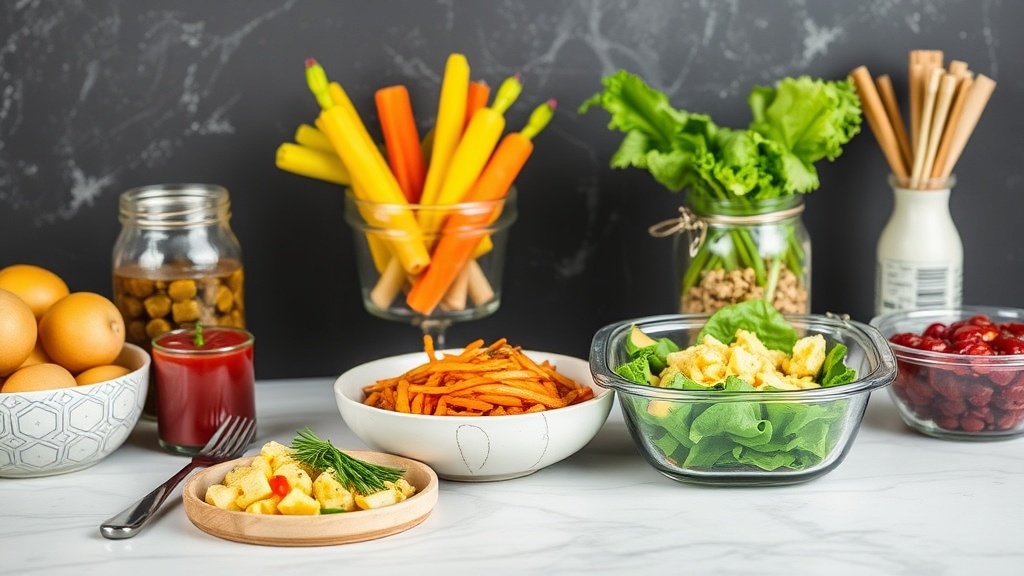
- Roast or Steam Vegetables: Prepare a large tray of roasted vegetables (broccoli, bell peppers, sweet potatoes, carrots) or steam a big batch of greens. These store well and can be added to almost any meal.
- Grain Prep: Cook a large pot of quinoa, brown rice, or farro. These complex carbohydrates form the base of many healthy meals.
- Chop and Store: Pre-chop onions, garlic, celery, and other aromatics for quicker weeknight cooking. Wash and chop fruits and vegetables for easy snacking or salad additions.
- Utilize Your Freezer: Many prepped meals, like chili, soups, stews, and even cooked grains, freeze beautifully. Portion them into individual containers for grab-and-go freezer meals.
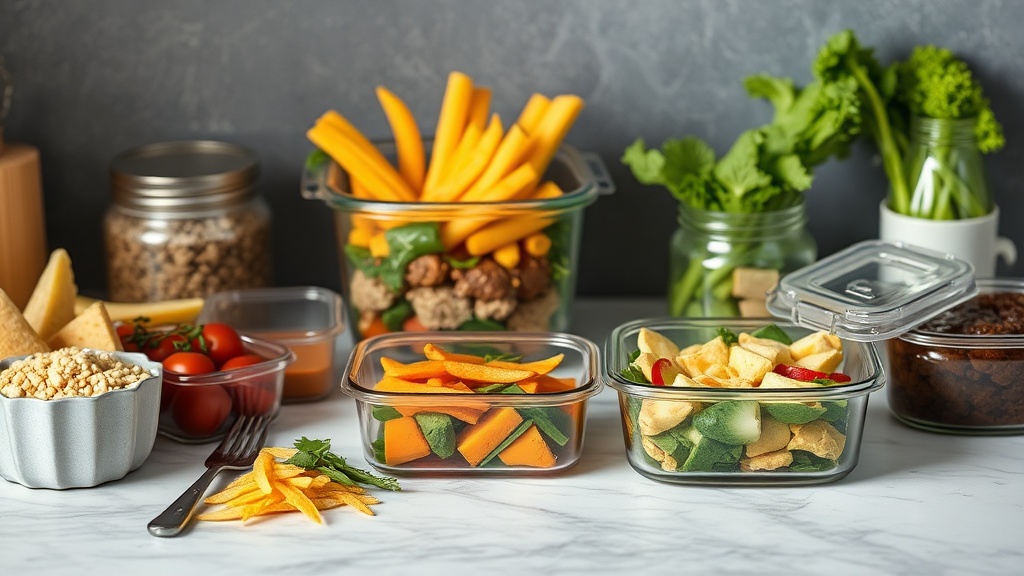
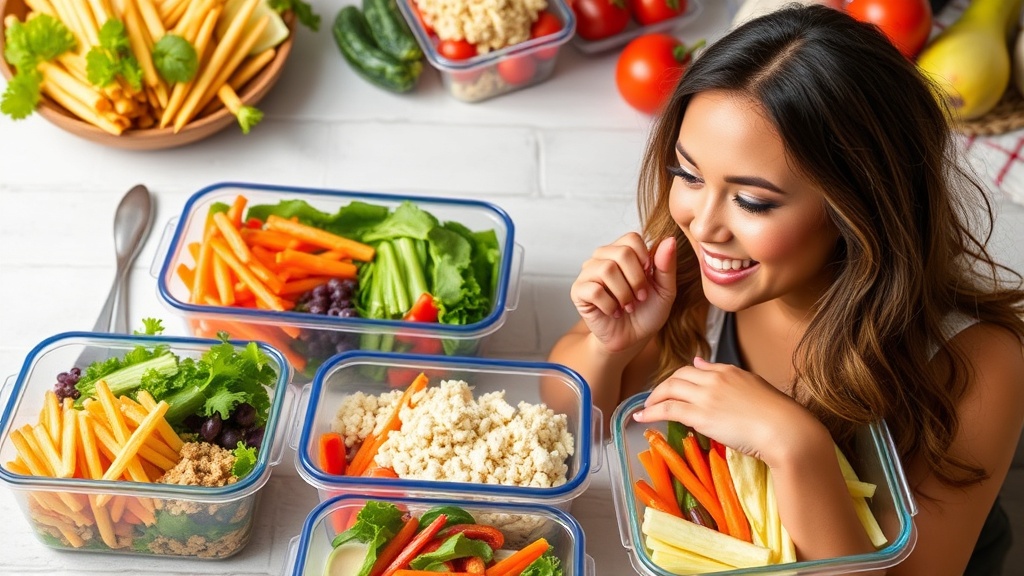
- Invest in Good Containers: Airtight, microwave-safe containers (glass is often preferred for durability and non-leaching properties) are essential for keeping food fresh and convenient for reheating.
4. Portion Control for Health Goals: Part of the beauty of meal prep is built-in portion control. If you're managing weight, pre-portioned meals eliminate the guesswork and temptation to overeat. Use measuring cups and a food scale if you're tracking macros, or simply follow general guidelines (e.g., palm-sized protein, fist-sized carb, two fists of veggies).
The Future of Food Prep: Innovation and Accessibility
The meal prep landscape is evolving rapidly, making healthy eating even more accessible. We're seeing a surge in specialized meal prep delivery services, moving beyond traditional meal kits to offer fully cooked, nutritionally balanced meals tailored to specific dietary needs (e.g., keto, vegan, gluten-free). Companies like "Factor_," "Freshly," and "Trifecta Nutrition" deliver pre-made meals, eliminating cooking altogether and making healthy eating as convenient as takeout, but with vastly superior nutritional profiles. This trend is particularly beneficial for individuals with extremely demanding schedules or those new to cooking.
Free Weekly Newsletter
Enjoying this guide?
Get the best articles like this one delivered to your inbox every week. No spam.
Technology is also playing a significant role. Smart kitchen appliances, from air fryers that expedite cooking to smart ovens that can follow recipes remotely, are making the cooking process faster and more efficient. AI-powered apps are emerging that can analyze your dietary preferences, health goals, and even existing pantry items to generate personalized meal plans and shopping lists, further reducing the mental load of meal planning. Imagine an app that suggests a meal plan based on what's about to expire in your fridge!
Furthermore, there's a growing emphasis on sustainability in meal prep. From using reusable silicone bags instead of plastic to minimizing food waste through strategic planning and repurposing leftovers, the movement is aligning with broader environmental consciousness. We can expect more innovation in sustainable packaging for meal prep services and home storage solutions. The future points towards a highly personalized, technologically integrated, and environmentally conscious approach to healthy eating, making meal prep an even more powerful tool for a better you.
Your Path to a Healthier, Happier You Starts Here
The challenges of healthy eating in modern America are undeniable, from the omnipresence of unhealthy processed foods to the chronic lack of time and the insidious creep of decision fatigue. Yet, the solution isn't some unattainable ideal; it's a practical, empowering strategy known as meal prep. By dedicating a small amount of time to plan and prepare, you gain immense control over your nutrition, your finances, and your mental well-being.
You'll discover the freedom of choice, knowing that a nutritious meal is always within reach, curbing impulsive unhealthy decisions. You'll feel the financial relief of saving hundreds, even thousands, of dollars annually. Most importantly, you'll experience the tangible benefits of consistent healthy eating: improved energy levels, a clearer mind, better physical health, and a stronger sense of self-efficacy.
Don't let the idea of meal prep intimidate you. Start small: prep just your lunches for the week, or cook a big batch of one versatile protein. Gradually build your routine. The journey to a healthier you doesn't demand perfection, but consistency. Take that first step this weekend. Grab a pen and paper, outline a simple meal plan, hit the grocery store, and dedicate an hour to setting yourself up for success. Mastering meal prep isn't just about food; it's about mastering your time, your money, and ultimately, your health. Your better self is waiting.
Free Investing Tools
Frequently Asked Questions
Why Healthy Eating Feels So Hard Right Now: The Modern American Diet Dilemma
The modern American food landscape is a minefield for healthy eaters. Consider the pervasive availability of ultra-processed foods: a 2021 study published in the American Journal of Clinical Nutrition revealed that ultra-processed foods account for over half of the average American's daily caloric intake. These foods, engineered for convenience and palatability, often come loaded with unhealthy fats, added sugars, and sodium, contributing to rising rates of obesity, type 2 diabetes, and cardiovascular disease. The average American spends roughly 37 minutes preparing food daily, according to the Bureau of Labor Statistics, a stark contrast to the hours our grandparents might have dedicated. This time crunch pushes us towards quick fixes, like drive-thrus and frozen dinners, which are rarely nutritionally optimal.
Beyond convenience, cost plays a significant role. While often perceived as cheaper, the true cost of eating out regularly or relying on processed snacks adds up quickly. A typical fast-food meal can range from $8-$15 per person, easily topping $50 for a family of four. Compare this to the potential for a home-cooked meal, where ingredients for a healthy, protein-rich dish like chicken and roasted vegetables can be bought in bulk for a fraction of the per-serving cost. For example, a whole chicken might cost $8-$12 and yield several meals, while a bag of frozen mixed vegetables is around $3-$5 for multiple servings. The financial pressure often steers individuals toward cheaper, less nutritious options, perpetuating a cycle of unhealthy eating.
Furthermore, the sheer mental load of daily food decisions, known as "decision fatigue," is a significant barrier. After a long day of work, managing family responsibilities, or navigating personal challenges, the thought of planning, shopping, and cooking a nutritious meal can feel overwhelming. This fatigue often leads to impulse choices, which tend to be the less healthy, more convenient ones. This isn't a lack of willpower; it's a systemic challenge rooted in the demands of contemporary life.
Decoding the Meal Prep Advantage: More Than Just Tupperware
Meal prep isn't just about cooking ahead; it's a strategic approach that offers profound benefits, extending far beyond the kitchen. From a nutritional standpoint, meal prepping empowers you to take full control over ingredients. You dictate the quality of produce, the lean cuts of protein, and the healthy fats used, directly eliminating the hidden sugars, excessive sodium, and unhealthy oils often found in restaurant or pre-packaged meals. This intentionality directly supports adherence to dietary goals, whether it's increasing vegetable intake, managing blood sugar, or reducing processed food consumption. For instance, if your goal is 5 servings of vegetables daily, prepping pre-portioned salads or roasted veggie sides makes hitting that target almost automatic.
Economically, meal prepping is a game-changer. A 2018 study by the financial services firm Visa found that Americans spend an average of $232 per month eating out. By comparison, grocery spending for a healthy, home-cooked diet can be significantly lower, especially when buying in bulk and planning meals around sales. Consider a typical week: instead of spending $10-$15 daily on lunch, a week's worth of prepped lunches might cost $20-$30 total in ingredients. That's a potential saving of $50-$80 per week, or over $200-$300 per month. This isn't just pocket change; it's a substantial amount that can be reallocated to other financial goals or simply reduce stress.
Beyond the tangibles, the psychological benefits are often underestimated. Meal prepping significantly reduces decision fatigue by front-loading food choices. On busy weekdays, the "what's for dinner?" dread is replaced by the simple act of heating up a pre-portioned, nutritious meal. This reduction in daily stress around food fosters a greater sense of control and accomplishment, contributing positively to overall mental well-being. Furthermore, consistent healthy eating, facilitated by meal prep, leads to stable energy levels, improved mood, and better cognitive function, as the body receives a steady supply of essential nutrients rather than spikes and crashes from unhealthy foods.
Mastering Meal Prep: Practical Strategies for U.S. Households
Ready to reclaim your plate and your peace of mind? Mastering meal prep is an achievable goal with the right strategies.
1. Strategic Planning: Your Blueprint for Success Begin with a weekly meal plan. This doesn't need to be rigid, but a general outline helps. Consider your schedule: are there specific days you'll be too busy to cook? Plan pre-prepped meals for those. Browse grocery store flyers for sales and build your menu around seasonal produce and discounted proteins. Apps like "Mealime" or "PlateJoy" can offer meal planning ideas and even generate shopping lists, saving you precious time and mental energy. Don't forget snacks! Portioning out nuts, fruits, or homemade energy balls prevents impulsive, unhealthy snacking.
2. Smart Grocery Shopping: Your Time and Money Saver With your meal plan and shopping list in hand, hit the grocery store once. Stick to your list to avoid impulse buys. Buy in bulk for staples like rice, oats, frozen vegetables, and proteins like chicken breasts or ground turkey when on sale. Consider visiting a local farmer's market for fresh, seasonal produce, which can sometimes be more cost-effective and is often more nutrient-dense.
3. Efficient Cooking Techniques: Batch, Chop, and Store Dedicate 2-3 hours on a weekend (or whichever day works best for you) for your primary prep session.
- Batch Cooking Proteins: Cook large quantities of versatile proteins like grilled chicken, roasted turkey, baked salmon, or hard-boiled eggs. These can be used in salads, sandwiches, bowls, or as stand-alone sides.
- Roast or Steam Vegetables: Prepare a large tray of roasted vegetables (broccoli, bell peppers, sweet potatoes, carrots) or steam a big batch of greens. These store well and can be added to almost any meal.
- Grain Prep: Cook a large pot of quinoa, brown rice, or farro. These complex carbohydrates form the base of many healthy meals.
- Chop and Store: Pre-chop onions, garlic, celery, and other aromatics for quicker weeknight cooking. Wash and chop fruits and vegetables for easy snacking or salad additions.
- Utilize Your Freezer: Many prepped meals, like chili, soups, stews, and even cooked grains, freeze beautifully. Portion them into individual containers for grab-and-go freezer meals.
- Invest in Good Containers: Airtight, microwave-safe containers (glass is often preferred for durability and non-leaching properties) are essential for keeping food fresh and convenient for reheating.
4. Portion Control for Health Goals: Part of the beauty of meal prep is built-in portion control. If you're managing weight, pre-portioned meals eliminate the guesswork and temptation to overeat. Use measuring cups and a food scale if you're tracking macros, or simply follow general guidelines (e.g., palm-sized protein, fist-sized carb, two fists of veggies).
The Future of Food Prep: Innovation and Accessibility
The meal prep landscape is evolving rapidly, making healthy eating even more accessible. We're seeing a surge in specialized meal prep delivery services, moving beyond traditional meal kits to offer fully cooked, nutritionally balanced meals tailored to specific dietary needs (e.g., keto, vegan, gluten-free). Companies like "Factor_," "Freshly," and "Trifecta Nutrition" deliver pre-made meals, eliminating cooking altogether and making healthy eating as convenient as takeout, but with vastly superior nutritional profiles. This trend is particularly beneficial for individuals with extremely demanding schedules or those new to cooking.
Technology is also playing a significant role. Smart kitchen appliances, from air fryers that expedite cooking to smart ovens that can follow recipes remotely, are making the cooking process faster and more efficient. AI-powered apps are emerging that can analyze your dietary preferences, health goals, and even existing pantry items to generate personalized meal plans and shopping lists, further reducing the mental load of meal planning. Imagine an app that suggests a meal plan based on what's about to expire in your fridge!
Furthermore, there's a growing emphasis on sustainability in meal prep. From using reusable silicone bags instead of plastic to minimizing food waste through strategic planning and repurposing leftovers, the movement is aligning with broader environmental consciousness. We can expect more innovation in sustainable packaging for meal prep services and home storage solutions. The future points towards a highly personalized, technologically integrated, and environmentally conscious approach to healthy eating, making meal prep an even more powerful tool for a better you.
Your Path to a Healthier, Happier You Starts Here
The challenges of healthy eating in modern America are undeniable, from the omnipresence of unhealthy processed foods to the chronic lack of time and the insidious creep of decision fatigue. Yet, the solution isn't some unattainable ideal; it's a practical, empowering strategy known as meal prep. By dedicating a small amount of time to plan and prepare, you gain immense control over your nutrition, your finances, and your mental well-being.
You'll discover the freedom of choice, knowing that a nutritious meal is always within reach, curbing impulsive unhealthy decisions. You'll feel the financial relief of saving hundreds, even thousands, of dollars annually. Most importantly, you'll experience the tangible benefits of consistent healthy eating: improved energy levels, a clearer mind, better physical health, and a stronger sense of self-efficacy.
Don't let the idea of meal prep intimidate you. Start small: prep just your lunches for the week, or cook a big batch of one versatile protein. Gradually build your routine. The journey to a healthier you doesn't demand perfection, but consistency. Take that first step this weekend. Grab a pen and paper, outline a simple meal plan, hit the grocery store, and dedicate an hour to setting yourself up for success. Mastering meal prep isn't just about food; it's about mastering your time, your money, and ultimately, your health. Your better self is waiting.
About Zeebrain Editorial
Zeebrain publishes independent analysis of markets, investing, personal finance, and business. We disclose affiliate relationships, never accept payment for coverage, and fact-check all claims against primary sources. Read our editorial policy →
How this article was produced: Zeebrain articles are created with AI assistance from primary sources (including cited videos and market data) and reviewed under our editorial standards before publication. Spot an error? Tell us and we will correct it.
More from Lifestyle & Hacks



Related Guides
Keep exploring this topic
Meal Prep for Busy Parents: 46 Lunches, One Session
Lifestyle & Hacks · meal prep · healthy eating
Why Minimalism Still Matters After 14 Years of Living It
Lifestyle & Hacks
Beyond the Buzz: Real-Life Benefits of Intermittent Fasting for a Healthier You
Lifestyle & Hacks
What Is “Decision Fatigue” and How Do You Beat It?
Lifestyle & Hacks
Explore More Categories
Keep browsing by topic and build depth around the subjects you care about most.