Interest Rate Hike Predictions: What the Fed's Moves Mean for Your Wallet and Business

Quick Summary
The air in financial markets is thick with anticipation, a recurring hum that often dictates the rhythm of our daily economic lives. Right now, that hum is about interest rates. Every move by the Fede
In This Article
Interest Rate Hike Predictions: What the Fed's Moves Mean for Your Wallet and Business
Introduction
The air in financial markets is thick with anticipation, a recurring hum that often dictates the rhythm of our daily economic lives. Right now, that hum is about interest rates. Every move by the Federal Reserve, the U.S. central bank, sends ripples through everything from the cost of your morning coffee (indirectly, of course) to the viability of a multi-million dollar business expansion. As inflation persists and the labor market remains stubbornly robust, the question isn't if the Fed will consider further rate adjustments, but when and by how much. For millions of American households and countless businesses, understanding these predictions isn't just about financial literacy; it's about safeguarding assets, optimizing investments, and planning for a future that is increasingly shaped by the Fed's steady hand on the monetary policy tiller. Your mortgage payments, credit card interest, savings account returns, and even your job security could all be directly impacted by the trajectory of interest rates in the coming months.
Related Post

The Fed's Tightrope Walk: Battling Inflation While Eyeing Economic Stability
For the better part of two years, the Federal Reserve has been engaged in one of the most aggressive monetary tightening cycles in decades. Starting from near-zero in March 2022, the federal funds rate target has climbed significantly, currently hovering in the 5.25%-5.50% range as of late 2023. This rapid ascent was a direct response to inflation reaching levels not seen since the early 1980s, peaking at 9.1% year-over-year in June 2022 according to the Consumer Price Index (CPI). The Fed's dual mandate – maximum employment and price stability – has, in this period, heavily favored the latter.
Chairman Jerome Powell and the Federal Open Market Committee (FOMC) have repeatedly stressed their commitment to bringing inflation down to their 2% target. They achieve this primarily by raising the federal funds rate, which influences all other interest rates in the economy. Higher rates make borrowing more expensive, thereby cooling demand for goods and services, reducing investment, and ultimately slowing price increases. This strategy has shown some success: headline CPI has moderated significantly, registering 3.1% year-over-year in November 2023. Core CPI, which excludes volatile food and energy prices, also eased to 4.0%.
However, the path to 2% is proving more protracted than many initially hoped. The U.S. labor market, despite the rate hikes, has remained remarkably resilient. The unemployment rate stood at 3.7% in November 2023, still near historical lows. Wage growth, while slowing, continues to outpace pre-pandemic levels, fueling consumer spending. For instance, average hourly earnings rose 4.0% year-over-year in November, a healthy figure that can contribute to persistent inflation if productivity doesn't keep pace. This robust labor market presents a dilemma for the Fed: it wants to see some softening to further curb inflation, but without pushing the economy into a recession. The challenge lies in achieving a "soft landing," a delicate balance that few central banks have managed successfully. The Fed's latest "dot plot" from its September 2023 meeting, which reflects individual FOMC members' projections for the federal funds rate, indicated a median expectation for one more rate hike by the end of 2023 or early 2024, before potential cuts in 2024. This signals the Fed's continued hawkish lean, even as market participants increasingly price in a pause.
Analyzing the Tea Leaves: Diverging Views and Economic Indicators
The future trajectory of interest rates is a subject of intense debate among economists, analysts, and financial institutions. While the Fed's September dot plot signaled another hike, the consensus view among many market participants has increasingly shifted towards a prolonged pause, with some even forecasting rate cuts in the latter half of 2024. This divergence stems from different interpretations of economic data and forward-looking indicators.
One key piece of evidence for a potential pause or even pivot comes from the bond market. The yield curve, particularly the spread between the 2-year and 10-year Treasury yields, has been inverted for an extended period, a historical harbinger of recession. As of early December 2023, the 2-year yield was around 4.7%, while the 10-year yield was approximately 4.2%, indicating investors anticipate slower growth and lower rates in the future. Historically, an inverted yield curve has preceded every U.S. recession since 1955, with only one false positive.
Furthermore, leading economic indicators suggest a slowdown. The Conference Board's Leading Economic Index (LEI) declined for the 19th consecutive month in October 2023, a trend that strongly points to an impending contraction. Manufacturing surveys, such as the ISM Manufacturing PMI, have also largely remained in contractionary territory (below 50) for several months. While services have been more resilient, there are signs of softening there as well.
However, those anticipating further hikes point to the stickiness of core inflation and the aforementioned robust labor market. Services inflation, excluding housing, remains elevated, reflecting strong wage growth and consumer demand. Moreover, while headline inflation has fallen due to energy price declines, the underlying inflation trend still concerns the Fed. Geopolitical events, such as conflicts in the Middle East, also pose upside risks to energy prices, which could reignite inflationary pressures. Financial institutions like Goldman Sachs, while acknowledging the signs of cooling, have highlighted the Fed's commitment to its 2% target and the potential for a "higher for longer" rate environment if inflation proves stubborn. Their economic forecasts often incorporate a higher terminal rate than market expectations, reflecting the Fed's cautious stance.
Ultimately, the Fed's decision-making process is data-dependent, focusing on a broad array of indicators including CPI, PCE (Personal Consumption Expenditures, the Fed's preferred inflation gauge), employment reports, wage growth, and consumer sentiment. Any significant upside surprise in inflation data or continued strength in the labor market could tilt the scales back towards another rate hike, even if market sentiment suggests otherwise.
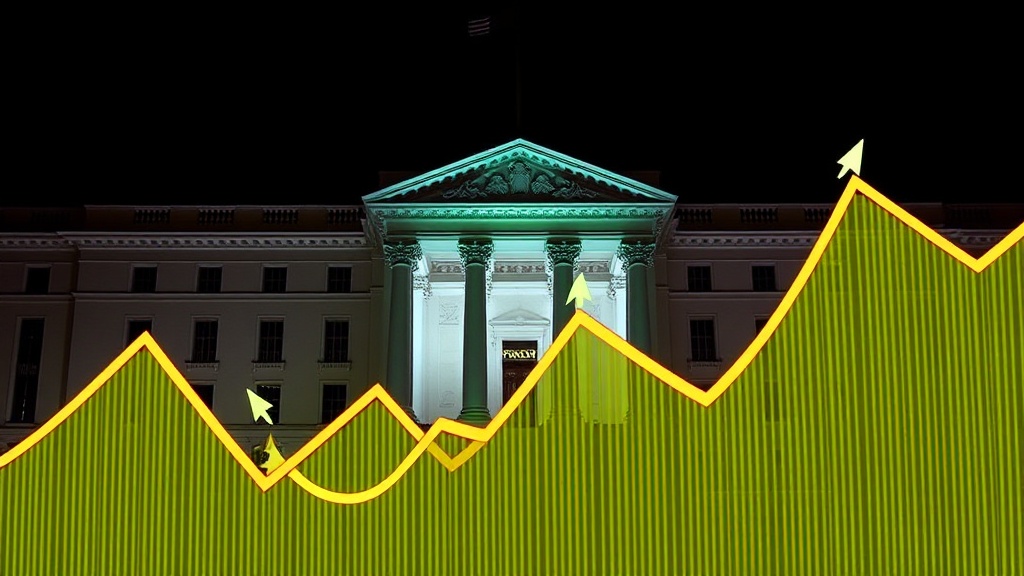
Your Wallet and Business: Navigating the High-Rate Environment
The Fed's actions have tangible and immediate impacts on the financial decisions of everyday Americans and the strategic planning of businesses.
For Your Wallet:
- Mortgages: Adjustable-rate mortgages (ARMs) are directly affected, with payments rising as interest rates increase. Even for those with fixed-rate mortgages, higher rates impact refinancing opportunities. The average 30-year fixed mortgage rate, which briefly topped 8% in October 2023, remains elevated compared to the sub-3% rates seen in 2020-2021. This significantly impacts housing affordability, making homeownership less accessible for many first-time buyers and slowing the broader real estate market.
- Credit Cards and Loans: The interest rates on variable-rate credit cards, home equity lines of credit (HELOCs), and personal loans are typically tied to the prime rate, which moves in lockstep with the federal funds rate. This means higher monthly payments for those carrying balances. The average credit card interest rate has climbed to over 21%, according to financial data aggregators, making debt repayment more challenging.
- Savings and Investments: On the flip side, savers benefit from higher rates. High-yield savings accounts and Certificates of Deposit (CDs) are now offering attractive returns, with some reaching 5% or more. Money market funds have also become a more appealing option for parking cash. For investors, higher rates can make bonds more attractive relative to stocks, potentially leading to a rebalancing of portfolios. Growth stocks, in particular, can be sensitive to higher rates as their future earnings are discounted more heavily.
- Retirement Planning: Long-term investors need to consider how a higher-for-longer rate environment might impact their portfolio's asset allocation. While bonds offer better income, they can also experience capital losses if rates continue to rise. Diversification remains crucial, as does understanding the interplay between interest rates, inflation, and equity valuations.
For Your Business:
- Borrowing Costs: Businesses, especially small and medium-sized enterprises (SMEs), face higher costs for working capital loans, lines of credit, and expansion financing. This can constrain growth plans, reduce profit margins, and make it harder to invest in new equipment or technology. A business that previously qualified for a loan at 5% might now face 8% or more, significantly impacting its debt service coverage ratio.
- Capital Expenditures: Larger corporations planning significant capital expenditures often rely on issuing bonds or taking out large loans. Higher interest rates increase the cost of capital, potentially delaying or even shelving projects. This can lead to reduced innovation and slower job creation in capital-intensive sectors.
- Consumer Demand: As individuals face higher borrowing costs and potentially slower wage growth in a cooling economy, consumer spending can decline. Businesses that rely heavily on discretionary consumer purchases, such as retail, hospitality, and entertainment, may experience reduced sales and profitability. The holiday shopping season of 2023, for example, is being closely watched for signs of consumer resilience or contraction.
- Foreign Exchange: Higher U.S. interest rates can strengthen the dollar, making U.S. exports more expensive and imports cheaper. This can impact multinational corporations' revenues and profitability, depending on their global footprint and hedging strategies. A stronger dollar can also put pressure on emerging market economies with dollar-denominated debt.
- Recruitment and Retention: While a cooling labor market might ease some wage pressures, businesses still need to balance competitive compensation with cost controls. A potential economic slowdown resulting from rate hikes could lead to layoffs or hiring freezes in some sectors, impacting employee morale and future workforce planning.
The Road Ahead: "Higher for Longer" or a Pivotal Shift?
The immediate future of interest rates is characterized by significant uncertainty. While the market widely expects the Fed to hold rates steady at its December 2023 meeting, the rhetoric from Fed officials continues to emphasize their data-dependency and their commitment to bringing inflation to 2%.
Key Factors to Watch:
- Inflation Data: The monthly CPI and PCE reports will be paramount. Any re-acceleration, particularly in core services inflation, would strengthen the case for further hikes. Conversely, a consistent decline towards the 2% target would provide the Fed with more comfort to pause.
- Labor Market: The monthly jobs report, including non-farm payrolls, unemployment rate, and average hourly earnings, will be scrutinized. A significant softening in job growth or a rise in the unemployment rate could signal that the economy is cooling sufficiently to warrant a pause or even cuts.
- GDP Growth: The pace of economic expansion (or contraction) will be a critical indicator. A sustained period of weaker GDP growth would increase the likelihood of a Fed pivot.
- Geopolitical Developments: Unexpected global events, especially those impacting energy markets or supply chains, could rapidly alter the inflation outlook and the Fed's calculus.
- Financial Stability: The Fed also monitors the health of the banking system and broader financial markets. Any signs of stress or systemic risk could influence their decisions, potentially prompting a more dovish stance.
Free Weekly Newsletter
Enjoying this guide?
Get the best articles like this one delivered to your inbox every week. No spam.

Predictions and Scenarios:
Most economists currently lean towards a "higher for longer" scenario, meaning rates remain elevated through much of 2024, possibly with one final hike or a prolonged pause before any cuts. The consensus view among many financial institutions, like JPMorgan and Morgan Stanley, is for rates to stay around current levels until mid-2024, with potential cuts only appearing in the second half of the year if inflation is clearly under control and the economy shows more significant signs of weakening.
A more hawkish scenario, aligning with the Fed's dot plot, involves another 25-basis point hike in early 2024, pushing the federal funds rate to 5.50%-5.75%. This would likely occur if inflation proves stickier than expected or if the labor market remains stubbornly strong.
A more dovish scenario, increasingly priced in by some futures markets, involves no further hikes and cuts beginning as early as Q2 2024. This would be predicated on a sharper-than-expected economic slowdown and a swift return of inflation to target. However, Fed officials have consistently pushed back against early rate cut expectations, wary of prematurely easing monetary policy and risking a resurgence of inflation.
The Fed's communication will continue to be crucial. Chairman Powell's speeches and the FOMC meeting minutes will offer valuable insights into the committee's thinking and serve as a bellwether for future policy moves.
Conclusion
The Federal Reserve's interest rate decisions are not abstract economic theory; they are a powerful force shaping the financial landscape for every American. From the cost of borrowing for homes and businesses to the returns on savings, the Fed's quest for price stability directly impacts our wallets and the broader economic environment. As we move into 2024, the balancing act between taming inflation and avoiding a severe recession will define the Fed's strategy.
For individuals, proactive financial planning is paramount. Review your debt, particularly variable-rate obligations, and consider strategies to mitigate rising interest costs. Explore high-yield savings options to capitalize on better returns. For businesses, careful cash flow management, prudent capital expenditure planning, and an agile approach to pricing and investment will be essential.
Staying informed about key economic indicators, the Fed's communications, and expert analyses will empower both households and businesses to make sound decisions in this dynamic environment. The path ahead remains uncertain, but understanding the forces at play and preparing for various scenarios will be your best defense against economic headwinds and your best advantage in navigating the evolving financial terrain. The Fed’s moves are not just news; they are a guide for your financial future.
Frequently Asked Questions
Introduction
The air in financial markets is thick with anticipation, a recurring hum that often dictates the rhythm of our daily economic lives. Right now, that hum is about interest rates. Every move by the Federal Reserve, the U.S. central bank, sends ripples through everything from the cost of your morning coffee (indirectly, of course) to the viability of a multi-million dollar business expansion. As inflation persists and the labor market remains stubbornly robust, the question isn't if the Fed will consider further rate adjustments, but when and by how much. For millions of American households and countless businesses, understanding these predictions isn't just about financial literacy; it's about safeguarding assets, optimizing investments, and planning for a future that is increasingly shaped by the Fed's steady hand on the monetary policy tiller. Your mortgage payments, credit card interest, savings account returns, and even your job security could all be directly impacted by the trajectory of interest rates in the coming months.
The Fed's Tightrope Walk: Battling Inflation While Eyeing Economic Stability
For the better part of two years, the Federal Reserve has been engaged in one of the most aggressive monetary tightening cycles in decades. Starting from near-zero in March 2022, the federal funds rate target has climbed significantly, currently hovering in the 5.25%-5.50% range as of late 2023. This rapid ascent was a direct response to inflation reaching levels not seen since the early 1980s, peaking at 9.1% year-over-year in June 2022 according to the Consumer Price Index (CPI). The Fed's dual mandate – maximum employment and price stability – has, in this period, heavily favored the latter.
Chairman Jerome Powell and the Federal Open Market Committee (FOMC) have repeatedly stressed their commitment to bringing inflation down to their 2% target. They achieve this primarily by raising the federal funds rate, which influences all other interest rates in the economy. Higher rates make borrowing more expensive, thereby cooling demand for goods and services, reducing investment, and ultimately slowing price increases. This strategy has shown some success: headline CPI has moderated significantly, registering 3.1% year-over-year in November 2023. Core CPI, which excludes volatile food and energy prices, also eased to 4.0%.
However, the path to 2% is proving more protracted than many initially hoped. The U.S. labor market, despite the rate hikes, has remained remarkably resilient. The unemployment rate stood at 3.7% in November 2023, still near historical lows. Wage growth, while slowing, continues to outpace pre-pandemic levels, fueling consumer spending. For instance, average hourly earnings rose 4.0% year-over-year in November, a healthy figure that can contribute to persistent inflation if productivity doesn't keep pace. This robust labor market presents a dilemma for the Fed: it wants to see some softening to further curb inflation, but without pushing the economy into a recession. The challenge lies in achieving a "soft landing," a delicate balance that few central banks have managed successfully. The Fed's latest "dot plot" from its September 2023 meeting, which reflects individual FOMC members' projections for the federal funds rate, indicated a median expectation for one more rate hike by the end of 2023 or early 2024, before potential cuts in 2024. This signals the Fed's continued hawkish lean, even as market participants increasingly price in a pause.
Analyzing the Tea Leaves: Diverging Views and Economic Indicators
The future trajectory of interest rates is a subject of intense debate among economists, analysts, and financial institutions. While the Fed's September dot plot signaled another hike, the consensus view among many market participants has increasingly shifted towards a prolonged pause, with some even forecasting rate cuts in the latter half of 2024. This divergence stems from different interpretations of economic data and forward-looking indicators.
One key piece of evidence for a potential pause or even pivot comes from the bond market. The yield curve, particularly the spread between the 2-year and 10-year Treasury yields, has been inverted for an extended period, a historical harbinger of recession. As of early December 2023, the 2-year yield was around 4.7%, while the 10-year yield was approximately 4.2%, indicating investors anticipate slower growth and lower rates in the future. Historically, an inverted yield curve has preceded every U.S. recession since 1955, with only one false positive.
Furthermore, leading economic indicators suggest a slowdown. The Conference Board's Leading Economic Index (LEI) declined for the 19th consecutive month in October 2023, a trend that strongly points to an impending contraction. Manufacturing surveys, such as the ISM Manufacturing PMI, have also largely remained in contractionary territory (below 50) for several months. While services have been more resilient, there are signs of softening there as well.
However, those anticipating further hikes point to the stickiness of core inflation and the aforementioned robust labor market. Services inflation, excluding housing, remains elevated, reflecting strong wage growth and consumer demand. Moreover, while headline inflation has fallen due to energy price declines, the underlying inflation trend still concerns the Fed. Geopolitical events, such as conflicts in the Middle East, also pose upside risks to energy prices, which could reignite inflationary pressures. Financial institutions like Goldman Sachs, while acknowledging the signs of cooling, have highlighted the Fed's commitment to its 2% target and the potential for a "higher for longer" rate environment if inflation proves stubborn. Their economic forecasts often incorporate a higher terminal rate than market expectations, reflecting the Fed's cautious stance.
Ultimately, the Fed's decision-making process is data-dependent, focusing on a broad array of indicators including CPI, PCE (Personal Consumption Expenditures, the Fed's preferred inflation gauge), employment reports, wage growth, and consumer sentiment. Any significant upside surprise in inflation data or continued strength in the labor market could tilt the scales back towards another rate hike, even if market sentiment suggests otherwise.
Your Wallet and Business: Navigating the High-Rate Environment
The Fed's actions have tangible and immediate impacts on the financial decisions of everyday Americans and the strategic planning of businesses.
For Your Wallet:
- Mortgages: Adjustable-rate mortgages (ARMs) are directly affected, with payments rising as interest rates increase. Even for those with fixed-rate mortgages, higher rates impact refinancing opportunities. The average 30-year fixed mortgage rate, which briefly topped 8% in October 2023, remains elevated compared to the sub-3% rates seen in 2020-2021. This significantly impacts housing affordability, making homeownership less accessible for many first-time buyers and slowing the broader real estate market.
- Credit Cards and Loans: The interest rates on variable-rate credit cards, home equity lines of credit (HELOCs), and personal loans are typically tied to the prime rate, which moves in lockstep with the federal funds rate. This means higher monthly payments for those carrying balances. The average credit card interest rate has climbed to over 21%, according to financial data aggregators, making debt repayment more challenging.
- Savings and Investments: On the flip side, savers benefit from higher rates. High-yield savings accounts and Certificates of Deposit (CDs) are now offering attractive returns, with some reaching 5% or more. Money market funds have also become a more appealing option for parking cash. For investors, higher rates can make bonds more attractive relative to stocks, potentially leading to a rebalancing of portfolios. Growth stocks, in particular, can be sensitive to higher rates as their future earnings are discounted more heavily.
- Retirement Planning: Long-term investors need to consider how a higher-for-longer rate environment might impact their portfolio's asset allocation. While bonds offer better income, they can also experience capital losses if rates continue to rise. Diversification remains crucial, as does understanding the interplay between interest rates, inflation, and equity valuations.
For Your Business:
- Borrowing Costs: Businesses, especially small and medium-sized enterprises (SMEs), face higher costs for working capital loans, lines of credit, and expansion financing. This can constrain growth plans, reduce profit margins, and make it harder to invest in new equipment or technology. A business that previously qualified for a loan at 5% might now face 8% or more, significantly impacting its debt service coverage ratio.
- Capital Expenditures: Larger corporations planning significant capital expenditures often rely on issuing bonds or taking out large loans. Higher interest rates increase the cost of capital, potentially delaying or even shelving projects. This can lead to reduced innovation and slower job creation in capital-intensive sectors.
- Consumer Demand: As individuals face higher borrowing costs and potentially slower wage growth in a cooling economy, consumer spending can decline. Businesses that rely heavily on discretionary consumer purchases, such as retail, hospitality, and entertainment, may experience reduced sales and profitability. The holiday shopping season of 2023, for example, is being closely watched for signs of consumer resilience or contraction.
- Foreign Exchange: Higher U.S. interest rates can strengthen the dollar, making U.S. exports more expensive and imports cheaper. This can impact multinational corporations' revenues and profitability, depending on their global footprint and hedging strategies. A stronger dollar can also put pressure on emerging market economies with dollar-denominated debt.
- Recruitment and Retention: While a cooling labor market might ease some wage pressures, businesses still need to balance competitive compensation with cost controls. A potential economic slowdown resulting from rate hikes could lead to layoffs or hiring freezes in some sectors, impacting employee morale and future workforce planning.
The Road Ahead: "Higher for Longer" or a Pivotal Shift?
The immediate future of interest rates is characterized by significant uncertainty. While the market widely expects the Fed to hold rates steady at its December 2023 meeting, the rhetoric from Fed officials continues to emphasize their data-dependency and their commitment to bringing inflation to 2%.
Key Factors to Watch:
- Inflation Data: The monthly CPI and PCE reports will be paramount. Any re-acceleration, particularly in core services inflation, would strengthen the case for further hikes. Conversely, a consistent decline towards the 2% target would provide the Fed with more comfort to pause.
- Labor Market: The monthly jobs report, including non-farm payrolls, unemployment rate, and average hourly earnings, will be scrutinized. A significant softening in job growth or a rise in the unemployment rate could signal that the economy is cooling sufficiently to warrant a pause or even cuts.
- GDP Growth: The pace of economic expansion (or contraction) will be a critical indicator. A sustained period of weaker GDP growth would increase the likelihood of a Fed pivot.
- Geopolitical Developments: Unexpected global events, especially those impacting energy markets or supply chains, could rapidly alter the inflation outlook and the Fed's calculus.
- Financial Stability: The Fed also monitors the health of the banking system and broader financial markets. Any signs of stress or systemic risk could influence their decisions, potentially prompting a more dovish stance.
Predictions and Scenarios:
Most economists currently lean towards a "higher for longer" scenario, meaning rates remain elevated through much of 2024, possibly with one final hike or a prolonged pause before any cuts. The consensus view among many financial institutions, like JPMorgan and Morgan Stanley, is for rates to stay around current levels until mid-2024, with potential cuts only appearing in the second half of the year if inflation is clearly under control and the economy shows more significant signs of weakening.
A more hawkish scenario, aligning with the Fed's dot plot, involves another 25-basis point hike in early 2024, pushing the federal funds rate to 5.50%-5.75%. This would likely occur if inflation proves stickier than expected or if the labor market remains stubbornly strong.
A more dovish scenario, increasingly priced in by some futures markets, involves no further hikes and cuts beginning as early as Q2 2024. This would be predicated on a sharper-than-expected economic slowdown and a swift return of inflation to target. However, Fed officials have consistently pushed back against early rate cut expectations, wary of prematurely easing monetary policy and risking a resurgence of inflation.
The Fed's communication will continue to be crucial. Chairman Powell's speeches and the FOMC meeting minutes will offer valuable insights into the committee's thinking and serve as a bellwether for future policy moves.
Conclusion
The Federal Reserve's interest rate decisions are not abstract economic theory; they are a powerful force shaping the financial landscape for every American. From the cost of borrowing for homes and businesses to the returns on savings, the Fed's quest for price stability directly impacts our wallets and the broader economic environment. As we move into 2024, the balancing act between taming inflation and avoiding a severe recession will define the Fed's strategy.
For individuals, proactive financial planning is paramount. Review your debt, particularly variable-rate obligations, and consider strategies to mitigate rising interest costs. Explore high-yield savings options to capitalize on better returns. For businesses, careful cash flow management, prudent capital expenditure planning, and an agile approach to pricing and investment will be essential.
Staying informed about key economic indicators, the Fed's communications, and expert analyses will empower both households and businesses to make sound decisions in this dynamic environment. The path ahead remains uncertain, but understanding the forces at play and preparing for various scenarios will be your best defense against economic headwinds and your best advantage in navigating the evolving financial terrain. The Fed’s moves are not just news; they are a guide for your financial future.
About Zeebrain Editorial
Zeebrain publishes independent analysis of markets, investing, personal finance, and business. We disclose affiliate relationships, never accept payment for coverage, and fact-check all claims against primary sources. Read our editorial policy →
How this article was produced: Zeebrain articles are created with AI assistance from primary sources (including cited videos and market data) and reviewed under our editorial standards before publication. Spot an error? Tell us and we will correct it.
Disclaimer: Content on Zeebrain is for informational and educational purposes only and does not constitute financial advice or a recommendation to buy or sell any security. Always conduct your own research and consult a qualified financial adviser before making investment decisions. Past performance is not indicative of future results.
More from Business & Money



Related Guides
Keep exploring this topic
Stock Market Outlook: 5 Bullish Signals Driving the Rally
Business & Money · stock market outlook · yield curve
The Trump Macro Super Cycle: What It Means for Markets
Business & Money · macro investing · US-China trade
Federal Reserve Interest Rate Hike: What It Means for Your Business and Wallet
Business & Money · Federal Reserve · Interest Rates
ETF Slop: Why Most New ETFs Are Built to Sell, Not Perform
Business & Money · ETFs · Index Investing
Explore More Categories
Keep browsing by topic and build depth around the subjects you care about most.