Inflation Rate US: What Businesses Need to Know Now

Quick Summary
The whispers of "transitory" have long faded, replaced by the persistent drumbeat of "sticky." For U.S. businesses, understanding and adapting to the current inflation rate is no longer an academic ex
In This Article
Inflation Rate US: What Businesses Need to Know Now
Introduction
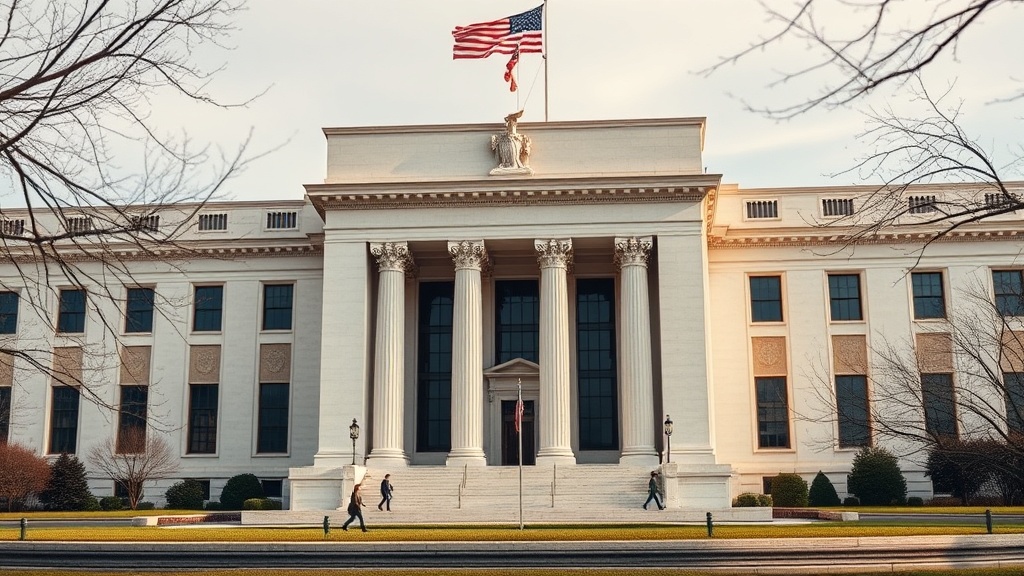
The whispers of "transitory" have long faded, replaced by the persistent drumbeat of "sticky." For U.S. businesses, understanding and adapting to the current inflation rate is no longer an academic exercise; it's a critical determinant of survival and success. From Main Street diners to Silicon Valley startups, the erosion of purchasing power and the escalating cost of goods and services are reshaping operational strategies, pricing models, and investment decisions. This isn't just about balancing the books; it's about navigating an economic landscape fundamentally altered by forces ranging from global supply chain disruptions to shifting consumer behavior. Ignoring the nuances of today's inflationary environment is akin to sailing without a compass. This article aims to provide a timely, data-backed guide for U.S. businesses, illuminating the current state of inflation, its multifaceted impacts, and actionable strategies to thrive in this challenging era.
The Persistent Reality: Beyond "Transitory"
Just a few years ago, many economists, including Federal Reserve Chair Jerome Powell, characterized rising inflation as a temporary phenomenon. The narrative suggested that supply chain bottlenecks, pent-up demand post-pandemic, and fiscal stimulus would resolve themselves, leading inflation back to the Fed's 2% target. However, as of late 2023 and early 2024, the reality has proven far more stubborn. While the peak annual CPI growth of 9.1% in June 2022 has receded significantly, inflation remains elevated above the Fed’s target, oscillating between 3% and 4% for the core Consumer Price Index (CPI) as of early 2024. For instance, the CPI in February 2024 rose 3.2% year-over-year, with core CPI (excluding volatile food and energy) up 3.8%. This persistence isn't just a number; it reflects embedded price pressures across various sectors.
Sector-Specific Insights:
- Services Inflation: This has emerged as a particularly sticky component. While goods inflation has largely eased (and even experienced deflation in some categories due to improving supply chains and waning demand for durable goods), the cost of services continues to rise. Housing, a significant component of CPI (accounting for about one-third), has been a major driver. Rent for primary residences and owners' equivalent rent (OER) show continued upward pressure, albeit with some lagging effect compared to market rents. The Bureau of Labor Statistics (BLS) data consistently shows housing costs as a primary contributor to the overall inflation rate.
- Labor Costs: A tight labor market, fueled by demographic shifts, early retirements, and a continued imbalance between job openings and available workers, has driven up wages. The Employment Cost Index (ECI), a broad measure of labor costs, remains elevated, indicating persistent upward pressure on businesses' payrolls. This "wage-price spiral" concern, where rising wages lead to higher prices, which in turn demand higher wages, is a key focus for the Federal Reserve. For example, average hourly earnings have been growing at over 4% year-over-year, exceeding pre-pandemic levels.
- Energy Prices: While volatile, energy costs continue to exert influence. Geopolitical tensions (e.g., in the Middle East, Ukraine) can quickly send oil and gas prices surging, impacting transportation, manufacturing, and consumer budgets. Businesses reliant on fuel for logistics, like trucking companies or agricultural operations, feel this directly and pass costs on where possible.
- Food Prices: Though less volatile than energy, food prices have also seen sustained increases. Supply chain issues, adverse weather events, and increased input costs for farmers (fertilizer, labor, fuel) have kept grocery bills higher. Restaurants, in particular, face a dual challenge of higher food costs and elevated labor expenses.
The Federal Reserve's aggressive interest rate hikes, taking the federal funds rate from near zero to over 5% in less than two years, were designed to cool demand and bring inflation down. While this strategy has had an impact, the persistence of services and labor inflation suggests that some underlying economic forces are proving more resilient than initially anticipated. Businesses need to acknowledge this new baseline of inflation and plan accordingly, rather than hoping for a rapid return to pre-2020 price stability.
Deeper Dive: The Nuances of Inflation's Impact
Understanding the aggregate inflation rate is just the starting point. For businesses, the implications are far more granular and sector-specific.
Profit Margins Under Pressure: One of the most immediate and widespread impacts is the squeeze on profit margins. Businesses face increasing input costs—raw materials, components, energy, and labor—which they cannot always fully pass on to consumers without risking demand destruction.
- Manufacturing: A manufacturer of widgets might see the cost of steel rise by 15%, energy for their plant by 10%, and labor by 5%. If they can only raise their widget prices by 8% due to competitive pressures or consumer sensitivity, their profit margin shrinks. This necessitates a close look at efficiency gains, automation, and supply chain diversification to mitigate cost increases.
- Retail: Retailers face higher wholesale costs, increased shipping expenses, and elevated labor costs for store associates. Discount retailers, in particular, struggle with maintaining their low-price proposition while absorbing higher costs. Many have had to strategically prune product lines or reduce promotions to maintain profitability.
- Services: From law firms paying higher salaries for associates to cleaning companies facing increased costs for supplies and labor, service providers must justify price increases to clients who are themselves feeling the pinch of inflation. This often requires demonstrating superior value or differentiation.
Investment and Expansion Decisions: Higher interest rates, a direct consequence of the Fed's inflation-fighting efforts, fundamentally alter the cost of capital.
- Borrowing Costs: Businesses looking to expand, purchase new equipment, or finance inventory now face significantly higher borrowing costs. A small business seeking a loan for a new storefront might see its interest rate jump from 4% to 8% or more, doubling its financing expenses. This directly impacts the viability of expansion projects, making fewer investments pencil out.
- Risk Assessment: The uncertain economic outlook, coupled with persistent inflation, adds a layer of risk to long-term investments. Businesses become more cautious, preferring shorter-term, higher-return projects over long-gestation initiatives. This can stifle innovation and long-term growth. According to recent surveys by the National Federation of Independent Business (NFIB), "poor sales" and "inflation" consistently rank as top concerns for small business owners, directly influencing their willingness to invest.
Consumer Behavior Shifts: Inflation fundamentally alters how consumers spend, which in turn dictates business strategy.
- Trade-Down Effect: Consumers faced with higher prices for staples like groceries and fuel often "trade down." This means opting for store brands over national brands, discount retailers over premium ones, or delaying discretionary purchases. A restaurant might see a decrease in dine-in customers but an increase in takeout orders, or a shift from premium entrees to more value-oriented options.
- Demand Elasticity: Businesses need to understand the price elasticity of demand for their products or services. For essential goods, demand is relatively inelastic, meaning price increases may be absorbed. For discretionary items, demand is highly elastic, and price hikes can lead to significant drops in sales. A luxury car dealership will likely feel price sensitivity differently than a grocery store.
- Brand Loyalty: In times of high inflation, brand loyalty can be tested. Consumers are more willing to try alternatives if they offer better value. Businesses that have built strong customer relationships and deliver consistent quality might retain customers better, but even then, value perception becomes paramount.

The nuanced impacts extend to talent acquisition and retention, supply chain resilience, and even digital transformation initiatives. Businesses that fail to grasp these intricate dynamics risk making suboptimal decisions that could jeopardize their long-term viability.
Practical Impact and Actionable Tips for Businesses
Navigating this complex environment requires proactive strategies, not passive observation. Businesses need to implement practical changes across their operations.
1. Strategic Pricing and Cost Management:
- Dynamic Pricing Models: Moving away from static pricing. Utilizing data analytics to understand customer price sensitivity and competitor pricing allows for more flexible and timely price adjustments. This could involve segmenting customers, offering bundles, or implementing surge pricing where appropriate.
- Value-Based Pricing: Instead of cost-plus pricing, focus on the perceived value to the customer. If a service saves a client 10x its cost, there's room for price adjustments without losing value proposition.
- Aggressive Cost Control: Beyond general belt-tightening, undertake a detailed analysis of all expenditures.
- Supply Chain Optimization: Renegotiate contracts with suppliers, explore alternative domestic or near-shore suppliers to reduce transportation costs and lead times, and leverage technology for better inventory management to avoid overstocking or stockouts. Consider long-term contracts for critical inputs to lock in prices.
- Energy Efficiency: Invest in energy-efficient equipment, optimize facility operations, and explore renewable energy options to mitigate volatile energy costs.
- Labor Efficiency: While wage increases may be unavoidable, focus on improving labor productivity through training, technology adoption (e.g., automation for repetitive tasks), and process optimization. This means getting more output from the same or slightly higher input.
2. Enhancing Supply Chain Resilience:
- Diversification: Reduce reliance on single suppliers or geographic regions. Developing a network of suppliers (primary, secondary, and tertiary) can buffer against disruptions and provide leverage in price negotiations.
- Inventory Management: Balance the costs of holding inventory against the risks of stockouts. "Just-in-time" models might be too risky in volatile environments; a "just-in-case" approach with strategic safety stock for critical items might be more prudent, despite higher carrying costs.
- Visibility and Technology: Invest in supply chain management software that provides real-time visibility into inventory, shipments, and potential disruptions. This allows for proactive problem-solving.
3. Talent Management and Retention:
- Competitive Compensation: While businesses can't match every inflationary increase, they must offer competitive wages and benefits to attract and retain talent. Regular market salary reviews are crucial.
- Beyond Paycheck: Focus on non-monetary benefits like flexible work arrangements, professional development opportunities, a positive work culture, and employee wellness programs. These can significantly enhance job satisfaction and retention, reducing the costs associated with turnover.
- Skill Development: Invest in upskilling and reskilling existing employees to adapt to new technologies and processes, improving productivity and reducing reliance on external hiring in a tight labor market.
4. Technology Adoption and Digital Transformation:
- Automation: Automate repetitive, low-value tasks in areas like customer service (chatbots), accounting (invoice processing), and manufacturing (robotics). This can significantly reduce labor costs and improve efficiency.
- Data Analytics: Leverage data to understand customer behavior, predict demand, optimize pricing, and identify cost-saving opportunities. Businesses that use AI and machine learning can gain a competitive edge in navigating complex market dynamics.
- E-commerce and Digital Marketing: Strengthen online presence and digital marketing efforts. E-commerce platforms can offer direct-to-consumer channels, bypassing traditional retail markups and reaching broader markets.
5. Financial Prudence and Cash Flow Management:
- Strong Cash Reserves: Maintain healthy cash reserves to weather economic uncertainties, absorb unexpected cost increases, and seize opportunistic investments.
- Debt Management: Prioritize paying down high-interest debt, especially variable-rate loans, to reduce exposure to rising interest rates.
- Forecasting and Scenario Planning: Develop robust financial forecasts that include various inflation scenarios. This allows businesses to anticipate challenges and adapt their budgets and strategies proactively.
For example, a regional restaurant chain facing higher food costs and minimum wage increases might implement a tiered menu with more profitable core items, negotiate bulk discounts with local farms, invest in kitchen automation for prep work, and launch a loyalty program to retain customers who might be trading down. This multi-pronged approach demonstrates the practical application of these strategies.
Future Outlook: What to Expect Next
Predicting the future of inflation is notoriously difficult, but several key factors will shape the trajectory for U.S. businesses in the coming years.
Free Weekly Newsletter
Enjoying this guide?
Get the best articles like this one delivered to your inbox every week. No spam.

The Federal Reserve's Stance: The Fed's primary mandate remains price stability. While rate hikes have paused, the "higher for longer" narrative regarding interest rates is gaining traction. The Fed is unlikely to cut rates aggressively until it is confident that inflation is firmly on a path to its 2% target. Any premature cuts could reignite inflationary pressures. Businesses should anticipate borrowing costs to remain elevated, at least through 2024, possibly into 2025. This means a continued focus on efficient capital allocation.
Labor Market Dynamics: The tightness of the labor market is a critical determinant of services inflation. While some signs of softening have emerged (e.g., cooling job openings, slightly higher unemployment rate), the underlying demographic shifts and labor supply issues persist. Immigration policy, workforce participation rates, and the pace of automation will all play a role. If wage growth remains significantly above productivity growth, it will continue to fuel inflation. Businesses should plan for ongoing wage pressure and invest in productivity enhancements.
Geopolitical Landscape: Global events continue to be a wild card. Conflicts in Eastern Europe and the Middle East, trade tensions with China, and political instability in energy-producing regions can rapidly disrupt supply chains, spike commodity prices, and affect global demand. Businesses with international supply chains or significant export/import operations need to monitor these developments closely and build in contingency plans. A resurgence in energy prices, for instance, could quickly unravel progress on overall inflation.
Technological Advancements and AI: While potentially inflationary in the short term due to investment costs, the long-term impact of AI and automation could be disinflationary. By increasing productivity, reducing labor costs, and optimizing resource allocation, these technologies have the potential to bring down prices across various sectors. Businesses that strategically adopt AI and other advanced technologies early may gain a significant competitive advantage in managing costs and improving efficiency, potentially counteracting inflationary pressures.
Consumer Resilience and Debt: Consumer spending powers a large portion of the U.S. economy. While consumer balance sheets were strong post-pandemic, the cumulative effect of inflation and higher interest rates is eroding savings and increasing credit card debt. A potential weakening of consumer demand, if persistent, could eventually temper inflation but also pose risks to business revenues. Monitoring consumer confidence and retail sales data will be crucial.
In essence, businesses should brace for a period of continued economic volatility and potentially higher baseline inflation than what was experienced in the pre-pandemic decade. The "easy money" era is over, and economic growth will likely be harder-won. Adaptability, resilience, and strategic foresight will be the hallmarks of successful businesses in this evolving landscape.
Conclusion
The "transitory" chapter of U.S. inflation is definitively closed. Businesses today are operating in an environment where elevated costs for labor, inputs, and capital are a persistent reality, not a fleeting anomaly. The headline CPI number, while important, merely scratches the surface of the nuanced challenges and opportunities presented by this new economic paradigm. From tightening profit margins and constrained investment decisions to shifting consumer behaviors, inflation permeates every facet of a business's operation.
The key takeaway for U.S. businesses is clear: proactive adaptation is paramount. This means more than just raising prices; it requires a holistic approach encompassing strategic cost management, relentless pursuit of efficiency through technology and process optimization, resilient supply chain building, and a keen focus on talent retention through both competitive compensation and a compelling value proposition. Businesses that master dynamic pricing, invest in productivity-enhancing technologies like AI, diversify their supply chains, and maintain strong cash flow will be best positioned to not only weather the inflationary storm but to emerge stronger.
The future outlook suggests continued vigilance will be necessary. While the worst of the inflation spike may be behind us, a return to pre-pandemic price stability isn't imminent. The Federal Reserve's actions, labor market dynamics, geopolitical events, and the transformative potential of technology will all continue to shape the economic landscape. Businesses that embrace continuous learning, agile strategy development, and data-driven decision-making will transform inflation from an existential threat into a catalyst for innovation and sustainable growth. The time to understand, adapt, and act is now.
Frequently Asked Questions
Introduction
The whispers of "transitory" have long faded, replaced by the persistent drumbeat of "sticky." For U.S. businesses, understanding and adapting to the current inflation rate is no longer an academic exercise; it's a critical determinant of survival and success. From Main Street diners to Silicon Valley startups, the erosion of purchasing power and the escalating cost of goods and services are reshaping operational strategies, pricing models, and investment decisions. This isn't just about balancing the books; it's about navigating an economic landscape fundamentally altered by forces ranging from global supply chain disruptions to shifting consumer behavior. Ignoring the nuances of today's inflationary environment is akin to sailing without a compass. This article aims to provide a timely, data-backed guide for U.S. businesses, illuminating the current state of inflation, its multifaceted impacts, and actionable strategies to thrive in this challenging era.
The Persistent Reality: Beyond "Transitory"
Just a few years ago, many economists, including Federal Reserve Chair Jerome Powell, characterized rising inflation as a temporary phenomenon. The narrative suggested that supply chain bottlenecks, pent-up demand post-pandemic, and fiscal stimulus would resolve themselves, leading inflation back to the Fed's 2% target. However, as of late 2023 and early 2024, the reality has proven far more stubborn. While the peak annual CPI growth of 9.1% in June 2022 has receded significantly, inflation remains elevated above the Fed’s target, oscillating between 3% and 4% for the core Consumer Price Index (CPI) as of early 2024. For instance, the CPI in February 2024 rose 3.2% year-over-year, with core CPI (excluding volatile food and energy) up 3.8%. This persistence isn't just a number; it reflects embedded price pressures across various sectors.
Sector-Specific Insights:
- Services Inflation: This has emerged as a particularly sticky component. While goods inflation has largely eased (and even experienced deflation in some categories due to improving supply chains and waning demand for durable goods), the cost of services continues to rise. Housing, a significant component of CPI (accounting for about one-third), has been a major driver. Rent for primary residences and owners' equivalent rent (OER) show continued upward pressure, albeit with some lagging effect compared to market rents. The Bureau of Labor Statistics (BLS) data consistently shows housing costs as a primary contributor to the overall inflation rate.
- Labor Costs: A tight labor market, fueled by demographic shifts, early retirements, and a continued imbalance between job openings and available workers, has driven up wages. The Employment Cost Index (ECI), a broad measure of labor costs, remains elevated, indicating persistent upward pressure on businesses' payrolls. This "wage-price spiral" concern, where rising wages lead to higher prices, which in turn demand higher wages, is a key focus for the Federal Reserve. For example, average hourly earnings have been growing at over 4% year-over-year, exceeding pre-pandemic levels.
- Energy Prices: While volatile, energy costs continue to exert influence. Geopolitical tensions (e.g., in the Middle East, Ukraine) can quickly send oil and gas prices surging, impacting transportation, manufacturing, and consumer budgets. Businesses reliant on fuel for logistics, like trucking companies or agricultural operations, feel this directly and pass costs on where possible.
- Food Prices: Though less volatile than energy, food prices have also seen sustained increases. Supply chain issues, adverse weather events, and increased input costs for farmers (fertilizer, labor, fuel) have kept grocery bills higher. Restaurants, in particular, face a dual challenge of higher food costs and elevated labor expenses.
The Federal Reserve's aggressive interest rate hikes, taking the federal funds rate from near zero to over 5% in less than two years, were designed to cool demand and bring inflation down. While this strategy has had an impact, the persistence of services and labor inflation suggests that some underlying economic forces are proving more resilient than initially anticipated. Businesses need to acknowledge this new baseline of inflation and plan accordingly, rather than hoping for a rapid return to pre-2020 price stability.
Deeper Dive: The Nuances of Inflation's Impact
Understanding the aggregate inflation rate is just the starting point. For businesses, the implications are far more granular and sector-specific.
Profit Margins Under Pressure: One of the most immediate and widespread impacts is the squeeze on profit margins. Businesses face increasing input costs—raw materials, components, energy, and labor—which they cannot always fully pass on to consumers without risking demand destruction.
- Manufacturing: A manufacturer of widgets might see the cost of steel rise by 15%, energy for their plant by 10%, and labor by 5%. If they can only raise their widget prices by 8% due to competitive pressures or consumer sensitivity, their profit margin shrinks. This necessitates a close look at efficiency gains, automation, and supply chain diversification to mitigate cost increases.
- Retail: Retailers face higher wholesale costs, increased shipping expenses, and elevated labor costs for store associates. Discount retailers, in particular, struggle with maintaining their low-price proposition while absorbing higher costs. Many have had to strategically prune product lines or reduce promotions to maintain profitability.
- Services: From law firms paying higher salaries for associates to cleaning companies facing increased costs for supplies and labor, service providers must justify price increases to clients who are themselves feeling the pinch of inflation. This often requires demonstrating superior value or differentiation.
Investment and Expansion Decisions: Higher interest rates, a direct consequence of the Fed's inflation-fighting efforts, fundamentally alter the cost of capital.
- Borrowing Costs: Businesses looking to expand, purchase new equipment, or finance inventory now face significantly higher borrowing costs. A small business seeking a loan for a new storefront might see its interest rate jump from 4% to 8% or more, doubling its financing expenses. This directly impacts the viability of expansion projects, making fewer investments pencil out.
- Risk Assessment: The uncertain economic outlook, coupled with persistent inflation, adds a layer of risk to long-term investments. Businesses become more cautious, preferring shorter-term, higher-return projects over long-gestation initiatives. This can stifle innovation and long-term growth. According to recent surveys by the National Federation of Independent Business (NFIB), "poor sales" and "inflation" consistently rank as top concerns for small business owners, directly influencing their willingness to invest.
Consumer Behavior Shifts: Inflation fundamentally alters how consumers spend, which in turn dictates business strategy.
- Trade-Down Effect: Consumers faced with higher prices for staples like groceries and fuel often "trade down." This means opting for store brands over national brands, discount retailers over premium ones, or delaying discretionary purchases. A restaurant might see a decrease in dine-in customers but an increase in takeout orders, or a shift from premium entrees to more value-oriented options.
- Demand Elasticity: Businesses need to understand the price elasticity of demand for their products or services. For essential goods, demand is relatively inelastic, meaning price increases may be absorbed. For discretionary items, demand is highly elastic, and price hikes can lead to significant drops in sales. A luxury car dealership will likely feel price sensitivity differently than a grocery store.
- Brand Loyalty: In times of high inflation, brand loyalty can be tested. Consumers are more willing to try alternatives if they offer better value. Businesses that have built strong customer relationships and deliver consistent quality might retain customers better, but even then, value perception becomes paramount.
The nuanced impacts extend to talent acquisition and retention, supply chain resilience, and even digital transformation initiatives. Businesses that fail to grasp these intricate dynamics risk making suboptimal decisions that could jeopardize their long-term viability.
Practical Impact and Actionable Tips for Businesses
Navigating this complex environment requires proactive strategies, not passive observation. Businesses need to implement practical changes across their operations.
1. Strategic Pricing and Cost Management:
- Dynamic Pricing Models: Moving away from static pricing. Utilizing data analytics to understand customer price sensitivity and competitor pricing allows for more flexible and timely price adjustments. This could involve segmenting customers, offering bundles, or implementing surge pricing where appropriate.
- Value-Based Pricing: Instead of cost-plus pricing, focus on the perceived value to the customer. If a service saves a client 10x its cost, there's room for price adjustments without losing value proposition.
- Aggressive Cost Control: Beyond general belt-tightening, undertake a detailed analysis of all expenditures.
- Supply Chain Optimization: Renegotiate contracts with suppliers, explore alternative domestic or near-shore suppliers to reduce transportation costs and lead times, and leverage technology for better inventory management to avoid overstocking or stockouts. Consider long-term contracts for critical inputs to lock in prices.
- Energy Efficiency: Invest in energy-efficient equipment, optimize facility operations, and explore renewable energy options to mitigate volatile energy costs.
- Labor Efficiency: While wage increases may be unavoidable, focus on improving labor productivity through training, technology adoption (e.g., automation for repetitive tasks), and process optimization. This means getting more output from the same or slightly higher input.
2. Enhancing Supply Chain Resilience:
- Diversification: Reduce reliance on single suppliers or geographic regions. Developing a network of suppliers (primary, secondary, and tertiary) can buffer against disruptions and provide leverage in price negotiations.
- Inventory Management: Balance the costs of holding inventory against the risks of stockouts. "Just-in-time" models might be too risky in volatile environments; a "just-in-case" approach with strategic safety stock for critical items might be more prudent, despite higher carrying costs.
- Visibility and Technology: Invest in supply chain management software that provides real-time visibility into inventory, shipments, and potential disruptions. This allows for proactive problem-solving.
3. Talent Management and Retention:
- Competitive Compensation: While businesses can't match every inflationary increase, they must offer competitive wages and benefits to attract and retain talent. Regular market salary reviews are crucial.
- Beyond Paycheck: Focus on non-monetary benefits like flexible work arrangements, professional development opportunities, a positive work culture, and employee wellness programs. These can significantly enhance job satisfaction and retention, reducing the costs associated with turnover.
- Skill Development: Invest in upskilling and reskilling existing employees to adapt to new technologies and processes, improving productivity and reducing reliance on external hiring in a tight labor market.
4. Technology Adoption and Digital Transformation:
- Automation: Automate repetitive, low-value tasks in areas like customer service (chatbots), accounting (invoice processing), and manufacturing (robotics). This can significantly reduce labor costs and improve efficiency.
- Data Analytics: Leverage data to understand customer behavior, predict demand, optimize pricing, and identify cost-saving opportunities. Businesses that use AI and machine learning can gain a competitive edge in navigating complex market dynamics.
- E-commerce and Digital Marketing: Strengthen online presence and digital marketing efforts. E-commerce platforms can offer direct-to-consumer channels, bypassing traditional retail markups and reaching broader markets.
5. Financial Prudence and Cash Flow Management:
- Strong Cash Reserves: Maintain healthy cash reserves to weather economic uncertainties, absorb unexpected cost increases, and seize opportunistic investments.
- Debt Management: Prioritize paying down high-interest debt, especially variable-rate loans, to reduce exposure to rising interest rates.
- Forecasting and Scenario Planning: Develop robust financial forecasts that include various inflation scenarios. This allows businesses to anticipate challenges and adapt their budgets and strategies proactively.
For example, a regional restaurant chain facing higher food costs and minimum wage increases might implement a tiered menu with more profitable core items, negotiate bulk discounts with local farms, invest in kitchen automation for prep work, and launch a loyalty program to retain customers who might be trading down. This multi-pronged approach demonstrates the practical application of these strategies.
Future Outlook: What to Expect Next
Predicting the future of inflation is notoriously difficult, but several key factors will shape the trajectory for U.S. businesses in the coming years.
The Federal Reserve's Stance: The Fed's primary mandate remains price stability. While rate hikes have paused, the "higher for longer" narrative regarding interest rates is gaining traction. The Fed is unlikely to cut rates aggressively until it is confident that inflation is firmly on a path to its 2% target. Any premature cuts could reignite inflationary pressures. Businesses should anticipate borrowing costs to remain elevated, at least through 2024, possibly into 2025. This means a continued focus on efficient capital allocation.
Labor Market Dynamics: The tightness of the labor market is a critical determinant of services inflation. While some signs of softening have emerged (e.g., cooling job openings, slightly higher unemployment rate), the underlying demographic shifts and labor supply issues persist. Immigration policy, workforce participation rates, and the pace of automation will all play a role. If wage growth remains significantly above productivity growth, it will continue to fuel inflation. Businesses should plan for ongoing wage pressure and invest in productivity enhancements.
Geopolitical Landscape: Global events continue to be a wild card. Conflicts in Eastern Europe and the Middle East, trade tensions with China, and political instability in energy-producing regions can rapidly disrupt supply chains, spike commodity prices, and affect global demand. Businesses with international supply chains or significant export/import operations need to monitor these developments closely and build in contingency plans. A resurgence in energy prices, for instance, could quickly unravel progress on overall inflation.
Technological Advancements and AI: While potentially inflationary in the short term due to investment costs, the long-term impact of AI and automation could be disinflationary. By increasing productivity, reducing labor costs, and optimizing resource allocation, these technologies have the potential to bring down prices across various sectors. Businesses that strategically adopt AI and other advanced technologies early may gain a significant competitive advantage in managing costs and improving efficiency, potentially counteracting inflationary pressures.
Consumer Resilience and Debt: Consumer spending powers a large portion of the U.S. economy. While consumer balance sheets were strong post-pandemic, the cumulative effect of inflation and higher interest rates is eroding savings and increasing credit card debt. A potential weakening of consumer demand, if persistent, could eventually temper inflation but also pose risks to business revenues. Monitoring consumer confidence and retail sales data will be crucial.
In essence, businesses should brace for a period of continued economic volatility and potentially higher baseline inflation than what was experienced in the pre-pandemic decade. The "easy money" era is over, and economic growth will likely be harder-won. Adaptability, resilience, and strategic foresight will be the hallmarks of successful businesses in this evolving landscape.
Conclusion
The "transitory" chapter of U.S. inflation is definitively closed. Businesses today are operating in an environment where elevated costs for labor, inputs, and capital are a persistent reality, not a fleeting anomaly. The headline CPI number, while important, merely scratches the surface of the nuanced challenges and opportunities presented by this new economic paradigm. From tightening profit margins and constrained investment decisions to shifting consumer behaviors, inflation permeates every facet of a business's operation.
The key takeaway for U.S. businesses is clear: proactive adaptation is paramount. This means more than just raising prices; it requires a holistic approach encompassing strategic cost management, relentless pursuit of efficiency through technology and process optimization, resilient supply chain building, and a keen focus on talent retention through both competitive compensation and a compelling value proposition. Businesses that master dynamic pricing, invest in productivity-enhancing technologies like AI, diversify their supply chains, and maintain strong cash flow will be best positioned to not only weather the inflationary storm but to emerge stronger.
The future outlook suggests continued vigilance will be necessary. While the worst of the inflation spike may be behind us, a return to pre-pandemic price stability isn't imminent. The Federal Reserve's actions, labor market dynamics, geopolitical events, and the transformative potential of technology will all continue to shape the economic landscape. Businesses that embrace continuous learning, agile strategy development, and data-driven decision-making will transform inflation from an existential threat into a catalyst for innovation and sustainable growth. The time to understand, adapt, and act is now.
About Zeebrain Editorial
Zeebrain publishes independent analysis of markets, investing, personal finance, and business. We disclose affiliate relationships, never accept payment for coverage, and fact-check all claims against primary sources. Read our editorial policy →
How this article was produced: Zeebrain articles are created with AI assistance from primary sources (including cited videos and market data) and reviewed under our editorial standards before publication. Spot an error? Tell us and we will correct it.
Disclaimer: Content on Zeebrain is for informational and educational purposes only and does not constitute financial advice or a recommendation to buy or sell any security. Always conduct your own research and consult a qualified financial adviser before making investment decisions. Past performance is not indicative of future results.
More from Business & Money




Related Guides
Keep exploring this topic
Interest Rate Hike Predictions: What the Fed's Moves Mean for Your Wallet and Business
Business & Money · Interest Rate Hike · Federal Reserve
Federal Reserve interest rates: Impact on businesses and investments
Business & Money
The Rise and Fall of NFTs: What Really Happened
Business & Money
Why the U.S. Is Buying Japanese Yen — and What It Means
Business & Money
Explore More Categories
Keep browsing by topic and build depth around the subjects you care about most.