Healthy Eating Tips for Spring: Revitalize Your Diet with Seasonal Flavors

Quick Summary
Healthy Eating Tips for Spring: Revitalize Your Diet with Seasonal Flavors As the last vestiges of winter fade and the days lengthen, a palpable shift occurs not just in nature,...
In This Article
Healthy Eating Tips for Spring: Revitalize Your Diet with Seasonal Flavors
As the last vestiges of winter fade and the days lengthen, a palpable shift occurs not just in nature, but in our collective mindset. Spring arrives, signaling renewal, fresh starts, and an innate desire to shed the heaviness of colder months. This seasonal transition offers a prime opportunity to revitalize your diet, embracing the vibrant bounty of spring produce that can genuinely transform your health and well-being. From crisp asparagus to ruby-red radishes, incorporating these fresh, seasonal flavors isn't just a culinary delight; it's a strategic move to boost nutrition, enhance energy, and support a healthier lifestyle right here in the U.S.

Why Spring Eating Matters for Your Health
The concept of eating seasonally isn't new, but its importance is often overlooked in our era of year-round global produce availability. However, there's compelling evidence that choosing foods in season offers significant advantages. For starters, produce harvested at its peak ripeness often boasts a higher nutritional content. For instance, studies published in the Journal of the Science of Food and Agriculture have shown that some vegetables, like tomatoes, can lose significant vitamin C content when stored for extended periods, as is often the case with out-of-season imports. When you buy local, in-season produce, it's typically picked closer to ripeness and travels shorter distances, preserving its vitamins, minerals, and antioxidants.
Beyond nutrition, seasonal eating aligns with natural human physiological rhythms. After a winter often characterized by heavier, richer, and more comforting foods, spring’s lighter, water-rich fruits and vegetables provide a gentle cleanse and rehydration. Consider the shift from root vegetables and stews to leafy greens and berries – this natural progression helps reset digestion and metabolism. Furthermore, selecting seasonal produce often means supporting local farmers, reducing your carbon footprint, and enjoying superior flavor that industrial farming often sacrifices for shelf life. A survey by the National Farmers Market Coalition revealed that 82% of shoppers prioritize taste and freshness when choosing to buy from farmers' markets, underscoring the perceived quality advantage.
Unpacking Spring's Nutritional Superstars: Beyond the Basics
Spring's culinary landscape is rich with diverse flavors and textures, many of which are packed with incredible health benefits. Let's delve into some of the most prominent spring vegetables and fruits and why they deserve a place on your plate:
-
Asparagus: This quintessential spring vegetable is a powerhouse of nutrients. Just one cup (about 180 grams) provides a significant portion of your daily recommended intake of Vitamin K (69% DV), essential for blood clotting and bone health, and Folate (67% DV), crucial for cell growth and DNA formation. It's also an excellent source of dietary fiber, supporting digestive health, and contains glutathione, a potent antioxidant that helps protect cells from damage. The fiber content in asparagus, about 3.6 grams per cup, contributes to satiety, making it an excellent choice for weight management.
-
Spinach and Other Leafy Greens (Arugula, Kale, Swiss Chard): While many greens are available year-round, spring offers them at their freshest and most tender. Spinach is famous for its iron content, vital for preventing anemia, and is also rich in Vitamin A (for vision), Vitamin C (for immunity), and powerful antioxidants like lutein and zeaxanthin, which protect eye health. Arugula, with its peppery bite, contains glucosinolates, compounds that research suggests may have anti-cancer properties. These greens collectively provide an abundance of chlorophyll, which some studies suggest may aid in detoxification processes. A 2020 report by the USDA found that per capita consumption of dark green leafy vegetables increased by 4% from the previous year, indicating a growing awareness of their health benefits.
-
Radishes: These vibrant, peppery root vegetables are often overlooked but are incredibly beneficial. Radishes are low in calories and high in water content, making them hydrating and excellent for digestive health due to their fiber. They are a good source of Vitamin C (about 15% DV per 100g serving), supporting immune function and collagen production. The compound sulforaphane found in radishes has been studied for its potential anti-cancer effects.
-
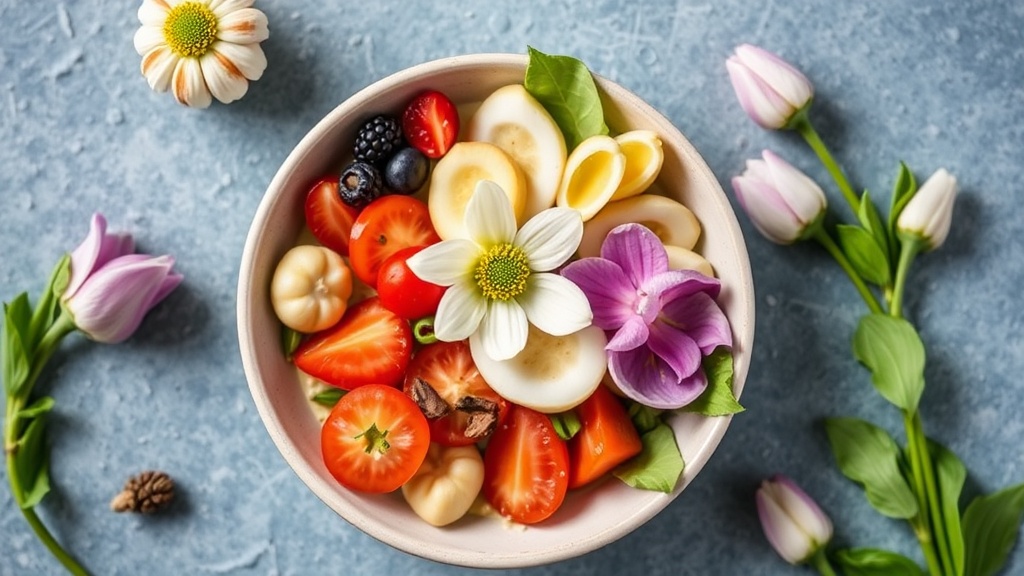
Strawberries: As spring warms, strawberries emerge, bursting with sweetness and nutrients. They are exceptionally high in Vitamin C, providing over 100% of the daily recommended intake in just one cup. This makes them a fantastic immune booster. Strawberries are also packed with antioxidants like anthocyanins, which give them their red color and have been linked to heart health and anti-inflammatory effects. Their fiber content helps regulate blood sugar levels and promotes digestive regularity. The U.S. is a major producer of strawberries, with California alone accounting for over 90% of the national crop, making them easily accessible in season.
-
Peas (Green Peas, Snap Peas, Snow Peas): Sweet and satisfying, peas are a good source of plant-based protein (about 8 grams per cup of green peas), making them valuable for vegetarians and vegans. They also offer a significant amount of dietary fiber, vitamins A, K, and C, and several B vitamins, including thiamine and folate. The combination of protein and fiber helps stabilize blood sugar and keeps you feeling full.
Practical Spring Eating Strategies for Busy Americans
Integrating these spring treasures into your diet doesn't require a complete overhaul; rather, it’s about making conscious, delicious choices. Here are actionable tips tailored for the typical American lifestyle:
- Prioritize Farmers' Markets: This is arguably the best way to access truly fresh, seasonal, and often local produce. Most U.S. communities have farmers' markets that kick off in spring. Use resources like the USDA National Farmers Market Directory to find one near you. Engaging directly with farmers also allows you to learn about growing practices and discover new varieties.
- Spring Cleaning Your Pantry: As you bring in fresh produce, take time to clear out processed snacks and pantry staples that don’t align with your health goals. Replace them with whole grains, legumes, nuts, and seeds to complement your fresh spring vegetables.
- Meal Prep with Spring in Mind: Dedicate a few hours on a weekend to wash, chop, and pre-cook spring vegetables. Roast asparagus, blanch snap peas, or prepare a big batch of spinach for salads. This makes it easier to grab healthy options during busy weekdays. For example, pre-chopped radishes can be added to tacos or salads in minutes.
- Embrace Lighter Cooking Methods: Move away from heavy roasts and stews. Think grilling, steaming, sautéing, or eating raw. Grilled asparagus with a squeeze of lemon, a fresh strawberry and spinach salad, or steamed snap peas as a side dish are quick, flavorful, and retain more nutrients.
- Reimagine Your Breakfast and Lunch:
- Breakfast: Add sliced strawberries or a handful of fresh blueberries to oatmeal, yogurt, or smoothies. A spinach and mushroom scramble is a fantastic way to incorporate greens.
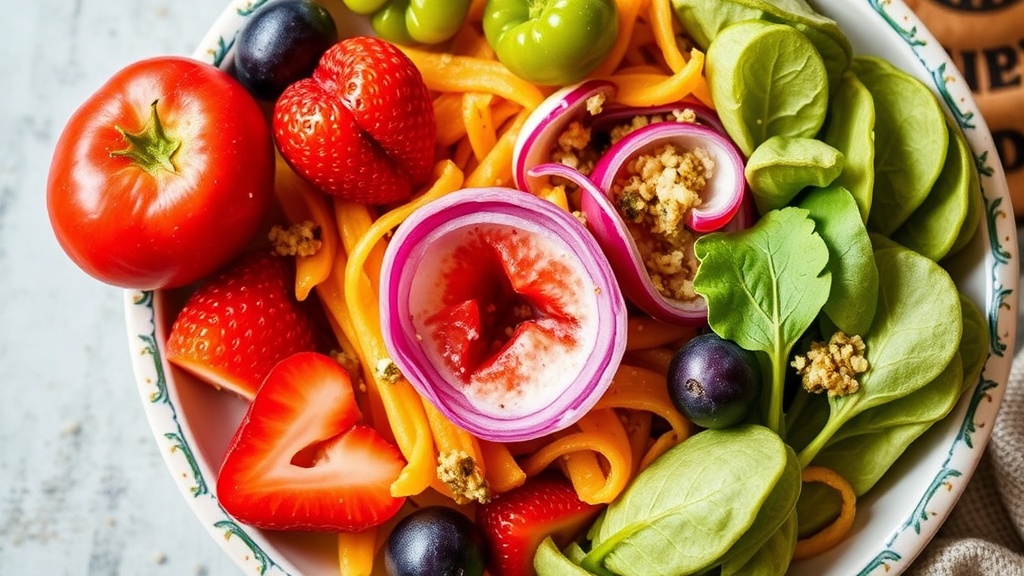
- Lunch: Upgrade your salads. Combine mixed greens, sliced radishes, grilled asparagus, and a handful of peas with a light vinaigrette. Leftover roasted spring vegetables can be a great addition to grain bowls.
- Snack Smart with Seasonal Fruits: Keep a bowl of washed strawberries or a container of snap peas readily available for healthy, satisfying snacks.
- Explore New Recipes: Don't be afraid to experiment. Look up recipes that specifically highlight spring produce. Websites like Allrecipes or Food Network have extensive sections dedicated to seasonal cooking. Try a strawberry balsamic salad or a creamy asparagus soup.
The Future of Seasonal Eating and Sustainable Health
Free Weekly Newsletter
Enjoying this guide?
Get the best articles like this one delivered to your inbox every week. No spam.
The trend towards seasonal and local eating is not a fleeting fad; it's a growing movement driven by increasing consumer awareness regarding health, environmental impact, and food quality. Data from the Hartman Group’s "Health & Wellness: The Future of Food" report indicates a significant rise in consumers seeking "real food" and understanding where their food comes from. This trajectory suggests several key developments:
- Increased Accessibility to Local Food: We can expect more community-supported agriculture (CSA) programs, urban farms, and online platforms connecting consumers directly with local producers. This will make fresh, seasonal produce more readily available to a broader demographic, potentially bridging food deserts.
- Technological Integration: Apps and smart kitchen devices could help consumers identify in-season produce, suggest recipes, and even track the environmental impact of their food choices. Imagine an app that scans your grocery list and highlights seasonal alternatives.
- Broader Culinary Education: Cooking shows, food blogs, and nutritional programs will likely place a greater emphasis on seasonal cooking, making it less intimidating and more enjoyable for the average home cook.
- Focus on Biodiversity: As we embrace seasonal eating, there's a natural inclination to explore a wider variety of crops, moving away from monoculture and supporting agricultural biodiversity, which is crucial for ecological resilience and nutrient density.
This shift isn't just about individual health; it's about fostering a more sustainable and resilient food system for the entire nation. By choosing to eat with the seasons, Americans are contributing to a healthier planet and a healthier future.
Conclusion: Embrace Spring's Bounty for a Healthier You
Spring offers a refreshing invitation to revitalize your diet with an abundance of delicious, nutrient-rich seasonal produce. From the bone-strengthening Vitamin K in asparagus to the immune-boosting Vitamin C in strawberries, these vibrant foods are perfectly aligned to energize your body and mind after winter. Eating seasonally isn't just a hack; it's a holistic approach to nutrition that offers superior flavor, supports local economies, and promotes a more sustainable lifestyle.
So, as the world around you awakens, take this timely opportunity to transform your plate. Visit your local farmers' market, experiment with new spring recipes, and make a conscious effort to incorporate these revitalizing flavors into your daily meals. Your body will thank you, your taste buds will rejoice, and you'll experience firsthand the powerful benefits of eating in harmony with nature's rhythm. Start today: pick one new spring vegetable or fruit you haven't tried recently and plan a meal around it. What will be your first step towards a revitalized spring diet?
Frequently Asked Questions
Why Spring Eating Matters for Your Health
The concept of eating seasonally isn't new, but its importance is often overlooked in our era of year-round global produce availability. However, there's compelling evidence that choosing foods in season offers significant advantages. For starters, produce harvested at its peak ripeness often boasts a higher nutritional content. For instance, studies published in the Journal of the Science of Food and Agriculture have shown that some vegetables, like tomatoes, can lose significant vitamin C content when stored for extended periods, as is often the case with out-of-season imports. When you buy local, in-season produce, it's typically picked closer to ripeness and travels shorter distances, preserving its vitamins, minerals, and antioxidants.
Beyond nutrition, seasonal eating aligns with natural human physiological rhythms. After a winter often characterized by heavier, richer, and more comforting foods, spring’s lighter, water-rich fruits and vegetables provide a gentle cleanse and rehydration. Consider the shift from root vegetables and stews to leafy greens and berries – this natural progression helps reset digestion and metabolism. Furthermore, selecting seasonal produce often means supporting local farmers, reducing your carbon footprint, and enjoying superior flavor that industrial farming often sacrifices for shelf life. A survey by the National Farmers Market Coalition revealed that 82% of shoppers prioritize taste and freshness when choosing to buy from farmers' markets, underscoring the perceived quality advantage.
Unpacking Spring's Nutritional Superstars: Beyond the Basics
Spring's culinary landscape is rich with diverse flavors and textures, many of which are packed with incredible health benefits. Let's delve into some of the most prominent spring vegetables and fruits and why they deserve a place on your plate:
-
Asparagus: This quintessential spring vegetable is a powerhouse of nutrients. Just one cup (about 180 grams) provides a significant portion of your daily recommended intake of Vitamin K (69% DV), essential for blood clotting and bone health, and Folate (67% DV), crucial for cell growth and DNA formation. It's also an excellent source of dietary fiber, supporting digestive health, and contains glutathione, a potent antioxidant that helps protect cells from damage. The fiber content in asparagus, about 3.6 grams per cup, contributes to satiety, making it an excellent choice for weight management.
-
Spinach and Other Leafy Greens (Arugula, Kale, Swiss Chard): While many greens are available year-round, spring offers them at their freshest and most tender. Spinach is famous for its iron content, vital for preventing anemia, and is also rich in Vitamin A (for vision), Vitamin C (for immunity), and powerful antioxidants like lutein and zeaxanthin, which protect eye health. Arugula, with its peppery bite, contains glucosinolates, compounds that research suggests may have anti-cancer properties. These greens collectively provide an abundance of chlorophyll, which some studies suggest may aid in detoxification processes. A 2020 report by the USDA found that per capita consumption of dark green leafy vegetables increased by 4% from the previous year, indicating a growing awareness of their health benefits.
-
Radishes: These vibrant, peppery root vegetables are often overlooked but are incredibly beneficial. Radishes are low in calories and high in water content, making them hydrating and excellent for digestive health due to their fiber. They are a good source of Vitamin C (about 15% DV per 100g serving), supporting immune function and collagen production. The compound sulforaphane found in radishes has been studied for its potential anti-cancer effects.
-
Strawberries: As spring warms, strawberries emerge, bursting with sweetness and nutrients. They are exceptionally high in Vitamin C, providing over 100% of the daily recommended intake in just one cup. This makes them a fantastic immune booster. Strawberries are also packed with antioxidants like anthocyanins, which give them their red color and have been linked to heart health and anti-inflammatory effects. Their fiber content helps regulate blood sugar levels and promotes digestive regularity. The U.S. is a major producer of strawberries, with California alone accounting for over 90% of the national crop, making them easily accessible in season.
-
Peas (Green Peas, Snap Peas, Snow Peas): Sweet and satisfying, peas are a good source of plant-based protein (about 8 grams per cup of green peas), making them valuable for vegetarians and vegans. They also offer a significant amount of dietary fiber, vitamins A, K, and C, and several B vitamins, including thiamine and folate. The combination of protein and fiber helps stabilize blood sugar and keeps you feeling full.
Practical Spring Eating Strategies for Busy Americans
Integrating these spring treasures into your diet doesn't require a complete overhaul; rather, it’s about making conscious, delicious choices. Here are actionable tips tailored for the typical American lifestyle:
- Prioritize Farmers' Markets: This is arguably the best way to access truly fresh, seasonal, and often local produce. Most U.S. communities have farmers' markets that kick off in spring. Use resources like the USDA National Farmers Market Directory to find one near you. Engaging directly with farmers also allows you to learn about growing practices and discover new varieties.
- Spring Cleaning Your Pantry: As you bring in fresh produce, take time to clear out processed snacks and pantry staples that don’t align with your health goals. Replace them with whole grains, legumes, nuts, and seeds to complement your fresh spring vegetables.
- Meal Prep with Spring in Mind: Dedicate a few hours on a weekend to wash, chop, and pre-cook spring vegetables. Roast asparagus, blanch snap peas, or prepare a big batch of spinach for salads. This makes it easier to grab healthy options during busy weekdays. For example, pre-chopped radishes can be added to tacos or salads in minutes.
- Embrace Lighter Cooking Methods: Move away from heavy roasts and stews. Think grilling, steaming, sautéing, or eating raw. Grilled asparagus with a squeeze of lemon, a fresh strawberry and spinach salad, or steamed snap peas as a side dish are quick, flavorful, and retain more nutrients.
- Reimagine Your Breakfast and Lunch:
- Breakfast: Add sliced strawberries or a handful of fresh blueberries to oatmeal, yogurt, or smoothies. A spinach and mushroom scramble is a fantastic way to incorporate greens.
- Lunch: Upgrade your salads. Combine mixed greens, sliced radishes, grilled asparagus, and a handful of peas with a light vinaigrette. Leftover roasted spring vegetables can be a great addition to grain bowls.
- Snack Smart with Seasonal Fruits: Keep a bowl of washed strawberries or a container of snap peas readily available for healthy, satisfying snacks.
- Explore New Recipes: Don't be afraid to experiment. Look up recipes that specifically highlight spring produce. Websites like Allrecipes or Food Network have extensive sections dedicated to seasonal cooking. Try a strawberry balsamic salad or a creamy asparagus soup.
The Future of Seasonal Eating and Sustainable Health
The trend towards seasonal and local eating is not a fleeting fad; it's a growing movement driven by increasing consumer awareness regarding health, environmental impact, and food quality. Data from the Hartman Group’s "Health & Wellness: The Future of Food" report indicates a significant rise in consumers seeking "real food" and understanding where their food comes from. This trajectory suggests several key developments:
- Increased Accessibility to Local Food: We can expect more community-supported agriculture (CSA) programs, urban farms, and online platforms connecting consumers directly with local producers. This will make fresh, seasonal produce more readily available to a broader demographic, potentially bridging food deserts.
- Technological Integration: Apps and smart kitchen devices could help consumers identify in-season produce, suggest recipes, and even track the environmental impact of their food choices. Imagine an app that scans your grocery list and highlights seasonal alternatives.
- Broader Culinary Education: Cooking shows, food blogs, and nutritional programs will likely place a greater emphasis on seasonal cooking, making it less intimidating and more enjoyable for the average home cook.
- Focus on Biodiversity: As we embrace seasonal eating, there's a natural inclination to explore a wider variety of crops, moving away from monoculture and supporting agricultural biodiversity, which is crucial for ecological resilience and nutrient density.
This shift isn't just about individual health; it's about fostering a more sustainable and resilient food system for the entire nation. By choosing to eat with the seasons, Americans are contributing to a healthier planet and a healthier future.
Conclusion: Embrace Spring's Bounty for a Healthier You
Spring offers a refreshing invitation to revitalize your diet with an abundance of delicious, nutrient-rich seasonal produce. From the bone-strengthening Vitamin K in asparagus to the immune-boosting Vitamin C in strawberries, these vibrant foods are perfectly aligned to energize your body and mind after winter. Eating seasonally isn't just a hack; it's a holistic approach to nutrition that offers superior flavor, supports local economies, and promotes a more sustainable lifestyle.
So, as the world around you awakens, take this timely opportunity to transform your plate. Visit your local farmers' market, experiment with new spring recipes, and make a conscious effort to incorporate these revitalizing flavors into your daily meals. Your body will thank you, your taste buds will rejoice, and you'll experience firsthand the powerful benefits of eating in harmony with nature's rhythm. Start today: pick one new spring vegetable or fruit you haven't tried recently and plan a meal around it. What will be your first step towards a revitalized spring diet?
About Zeebrain Editorial
Zeebrain publishes independent analysis of markets, investing, personal finance, and business. We disclose affiliate relationships, never accept payment for coverage, and fact-check all claims against primary sources. Read our editorial policy →
How this article was produced: Zeebrain articles are created with AI assistance from primary sources (including cited videos and market data) and reviewed under our editorial standards before publication. Spot an error? Tell us and we will correct it.
More from Lifestyle & Hacks




Related Guides
Keep exploring this topic
Healthy Spring Recipes: Fresh Starts for a Vibrant Season
Lifestyle & Hacks · healthy spring recipes · fresh starts
Why Minimalism Still Matters After 14 Years of Living It
Lifestyle & Hacks
Beyond the Buzz: Real-Life Benefits of Intermittent Fasting for a Healthier You
Lifestyle & Hacks
What Is “Decision Fatigue” and How Do You Beat It?
Lifestyle & Hacks
Explore More Categories
Keep browsing by topic and build depth around the subjects you care about most.