Beyond Earth: The Curious Allure of Space Tourism for the Everyday Adventurer
Quick Summary
The year is 2024, and the universe, once the exclusive domain of astronauts and scientists, is steadily unfurling its cosmic curtain for a new kind of explorer: the everyday adventurer. What was once
In This Article
Beyond Earth: The Curious Allure of Space Tourism for the Everyday Adventurer
The year is 2024, and the universe, once the exclusive domain of astronauts and scientists, is steadily unfurling its cosmic curtain for a new kind of explorer: the everyday adventurer. What was once the stuff of science fiction — vacations amongst the stars, the Earth a marble beneath your feet — is rapidly morphing into an astonishing reality. This isn't just about billionaires joyriding; it's about the curious allure space tourism holds for anyone who’s ever gazed up at a starry night sky and wondered, “What if?” As technologies mature, costs incrementally descend, and regulatory frameworks begin to take shape, the dream of leaving our planet is becoming less a distant fantasy and more a tangible, albeit aspirational, travel option. The conversation around space tourism is shifting from "if" to "when," and perhaps more importantly, "for whom?"

The Celestial Staircase: From Dream to Emerging Reality
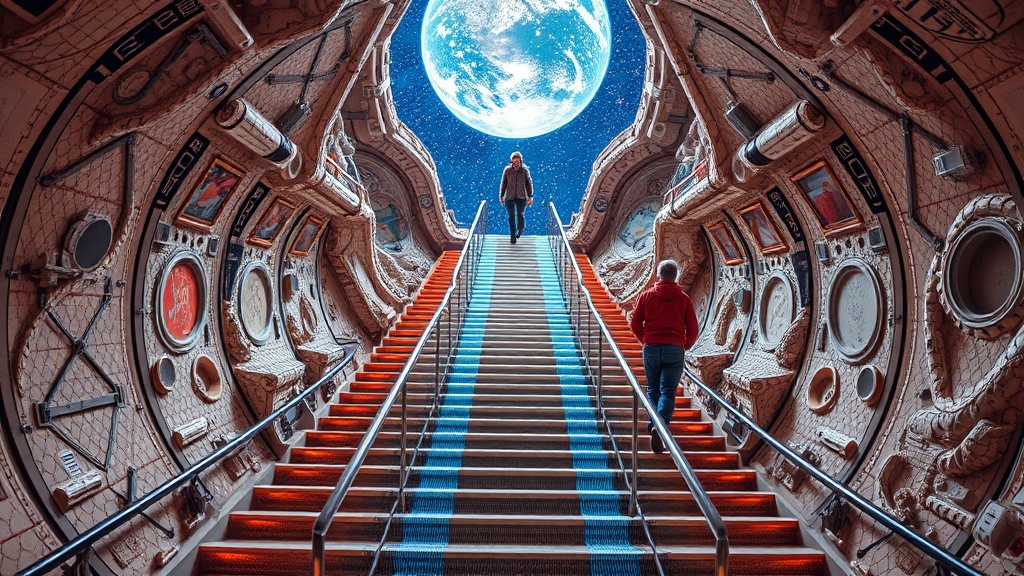
For decades, space travel was the ultimate frontier, a testament to human ingenuity reserved for a select few. Today, however, we are witnessing an unprecedented acceleration in private space ventures, fundamentally reshaping access to orbit. Companies like SpaceX, Blue Origin, and Virgin Galactic are not just building rockets; they're constructing a celestial staircase for commercial passengers.
Consider Virgin Galactic's VSS Unity. After years of development and test flights, the company successfully completed its first commercial spaceflight, "Galactic 01," in June 2023, carrying Italian Air Force and National Research Council personnel. This was swiftly followed by "Galactic 02" in August 2023, which included the first mother-daughter duo to travel to space and a former Olympian. These suborbital flights provide passengers with several minutes of weightlessness and breathtaking views of Earth from an altitude exceeding 80 kilometers (the Kármán line, widely recognized as the boundary of space). A ticket for this experience currently sits around $450,000 – a significant sum, but a stark contrast to the estimated billions spent per astronaut during the Apollo era.
SpaceX, under Elon Musk, has taken a different approach, focusing on orbital tourism. Their Inspiration4 mission in September 2021 marked a pivotal moment: the first all-civilian crew to orbit Earth. For three days, four individuals, none professional astronauts, experienced microgravity and the iconic "overview effect" from a Crew Dragon capsule. While the cost of this mission wasn't publicly disclosed, it's believed to be in the tens of millions of dollars, funded by billionaire Jared Isaacman. SpaceX has also partnered with Axiom Space to facilitate private astronaut missions to the International Space Station (ISS), with Axiom-1 in April 2022 sending four private citizens to the ISS for an eight-day stay, reportedly costing around $55 million per seat. These missions are pushing the boundaries, demonstrating not just the technical feasibility but also the human capacity for private space travel.
Blue Origin, Jeff Bezos's venture, is also a key player with its New Shepard suborbital rocket. While they've had a more cautious and less public-facing commercial rollout since their first crewed flight in July 2021 (which included Bezos himself and Wally Funk, then the oldest person to fly to space), they continue to conduct test flights and are poised to increase their cadence. Their approach also focuses on a brief, intense experience of weightlessness and unparalleled views.
These companies are not just competing; they are collectively validating the commercial viability of space tourism. According to a report by UBS, the space tourism market could reach $3 billion annually within a decade. While still nascent, the industry is seeing robust investment, with analysts predicting a compound annual growth rate (CAGR) of over 20% for the global space tourism market from 2023 to 2030, according to sources like Grand View Research. This growth is driven by technological advancements, increasing private sector involvement, and a growing pool of high-net-worth individuals willing to pay for unique experiences.
The Overview Effect and the Psychological Draw: More Than Just a Thrill Ride
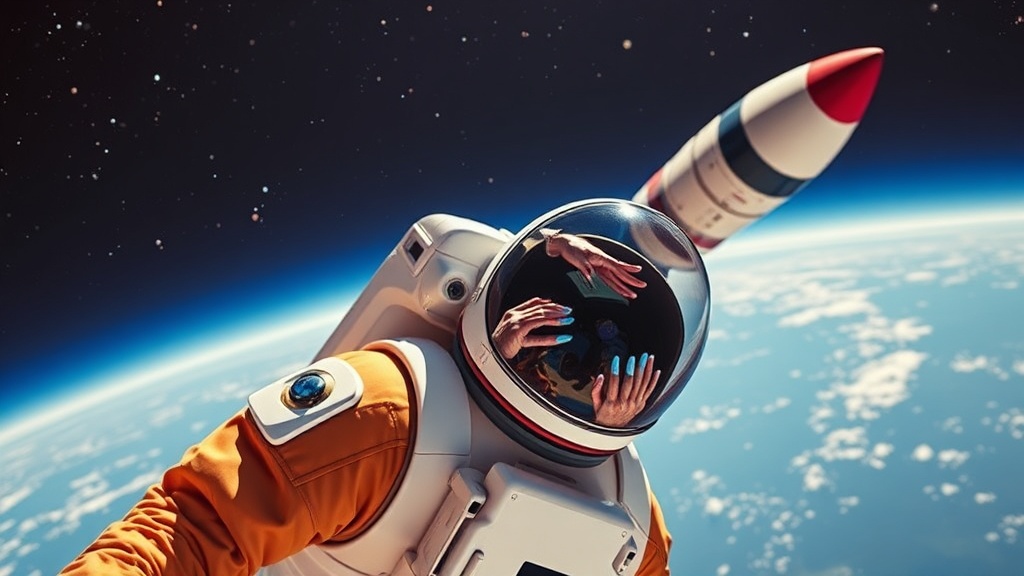
Beyond the sheer thrill of rocketing into the cosmos, what truly underpins the "curious allure" for the everyday adventurer is a phenomenon known as the "overview effect." Coined by space philosopher Frank White in 1987, this term describes the cognitive shift in awareness reported by astronauts when viewing Earth from space. It's a profound sense of awe, interconnectedness, and a deeper understanding of the fragility of our planet and the arbitrary nature of national borders.
Former astronaut Nicole Stott, who spent 104 days in space, eloquently describes it as "a beautiful, moving experience that truly changes your perspective on everything." She emphasizes the universal feeling of responsibility it instills. This isn't just an anecdotal observation; research, though limited due to the small sample size of people who have been to space, supports the transformative nature of this experience. A study published in the journal Psychology of Consciousness: Theory, Research, and Practice explored the psychological impact of spaceflight on astronauts, noting changes in their perception of Earth, humanity, and their place in the universe. While suborbital tourists might not experience the full intensity of an extended orbital mission, even a brief glimpse of Earth from the edge of space can evoke a significant emotional and psychological response.
For the everyday adventurer, the promise of the overview effect is a powerful draw. It's not just about bragging rights or an adrenaline rush; it's about seeking a profound, life-altering perspective. In an increasingly polarized and fast-paced world, the idea of gaining clarity and a sense of universal perspective holds immense appeal. It offers a unique form of experiential luxury – an experience that transcends material possessions and instead offers spiritual and intellectual enrichment.
Furthermore, the very act of undertaking such a journey taps into fundamental human desires for exploration, discovery, and pushing personal boundaries. It’s an ultimate pilgrimage, a modern-day grand tour that offers not just a change of scenery but a change of being. This desire is often fueled by a lifelong fascination with space, nurtured by science fiction, documentaries, and the endless wonder of the night sky. For many, space tourism represents the ultimate realization of a childhood dream, a chance to become, however briefly, a part of humanity's grand cosmic adventure.
Preparing for Liftoff: What the Aspiring Space Tourist Needs to Know
So, for those everyday adventurers whose curiosity has been piqued, what does the path to space actually entail? While it's not as simple as booking a cruise, the process is becoming more structured.
Firstly, the financial investment remains substantial. As mentioned, suborbital flights currently hover around $450,000. Orbital flights are considerably more expensive, potentially in the tens of millions. While these figures are out of reach for most, the historical trend of new technologies suggests that as demand increases and efficiencies are found, prices will gradually decrease. Consider the early days of air travel, which was once an exclusive luxury but is now commonplace. Companies like Space Perspective are offering a gentler, balloon-based journey to the stratosphere (not space, but high enough for incredible views) for about $125,000, suggesting a future with diverse price points and experiences.
Secondly, health and training requirements are less stringent than for professional astronauts but still necessary. For suborbital flights, passengers generally need to be in good physical health, able to withstand g-forces comparable to a rollercoaster, and capable of quickly exiting the spacecraft if needed. Virgin Galactic, for instance, requires passengers to complete a few days of pre-flight training, which includes medical evaluations, safety briefings, and centrifuge training to prepare for g-forces. Axiom Space, for its ISS missions, requires more extensive medical screenings and several months of training covering spacecraft systems, emergency procedures, and life in microgravity. These training programs are designed to be accessible to healthy individuals without prior aviation or space experience.
Thirdly, choosing your experience is crucial. Do you crave the intense, high-speed thrill of a rocket launch and a few minutes of weightlessness (Virgin Galactic, Blue Origin)? Or are you interested in a slower, more contemplative ascent to the edge of space via a high-altitude balloon for hours of panoramic views (Space Perspective)? Or perhaps the ultimate goal is an orbital trip for multiple days (SpaceX, Axiom Space) – though these are still far more exclusive and costly. Each offers a distinct experience, catering to different motivations and budgets.
Finally, waiting lists and booking procedures are part of the journey. Companies like Virgin Galactic have thousands of individuals on their waiting list. Booking often involves a substantial deposit (e.g., $150,000 for Virgin Galactic when their books reopened), with the balance due closer to the flight. It's a testament to the strong demand despite the high price point. Aspiring space tourists should research each provider's specific requirements, timelines, and payment plans. Furthermore, understanding the associated risks – while carefully managed and mitigated – is also part of being an informed adventurer.
The Cosmic Horizon: What to Expect Next
Free Weekly Newsletter
Enjoying this guide?
Get the best articles like this one delivered to your inbox every week. No spam.
The future of space tourism is incredibly dynamic, promising further innovation, accessibility, and new forms of extraterrestrial exploration.
One significant development will be the emergence of orbital space hotels. Companies like Axiom Space are not just flying tourists to the ISS; they're planning to build their own commercial space stations. Axiom Station, slated to launch its first module by 2026, aims to offer private astronaut quarters, research facilities, and ultimately, a luxurious orbiting hotel for extended stays. Similarly, Orbital Assembly Corporation has conceptual designs for the "Voyager Station," a large rotating space hotel designed to simulate artificial gravity, though this is a much more ambitious long-term project. These developments could transform space travel from a fleeting experience into a multi-day or even multi-week vacation.
Cost reduction will be a continuous driver. As reusable rocket technology matures (SpaceX's Falcon 9 and Starship being prime examples) and production scales up, launch costs are expected to fall. Furthermore, competition among providers will naturally push prices down over time, making space tourism accessible to a broader demographic. We might see tiered pricing models emerge, similar to airlines, offering different levels of comfort and experience.
Technological advancements will also enhance the passenger experience. Improved window designs, augmented reality overlays showcasing orbital paths and celestial objects, and more sophisticated environmental control systems will make the journey more comfortable and immersive. The development of advanced life support systems could also pave the way for longer-duration missions and even lunar tourism. Indeed, companies like Space Adventures have already brokered trips to the ISS for wealthy individuals and have expressed interest in lunar fly-bys.
Looking further ahead, lunar tourism is on the horizon. SpaceX's "dearMoon" project, funded by Japanese billionaire Yusaku Maezawa, aims to send artists and creatives on a week-long circumlunar flight aboard Starship as early as 2024. While still in development, this signifies the next leap beyond Earth orbit, pushing the boundaries of what's possible for private citizens. The ultimate dream of colonizing Mars, while not exactly "tourism," also suggests a future where sustained human presence beyond Earth becomes a reality.
Finally, regulatory frameworks will evolve. Governments and international bodies are grappling with how to regulate private space travel, ensuring safety, managing space traffic, and addressing liability issues. The Federal Aviation Administration (FAA) in the U.S. currently oversees commercial human spaceflight, but as the industry grows, more comprehensive national and international regulations will be necessary to foster a safe and sustainable space tourism ecosystem.
Conclusion: The Universe Awaits
The curious allure of space tourism for the everyday adventurer is not a fleeting trend but a reflection of humanity's innate drive to explore and connect with something larger than ourselves. From the initial breathtaking glimpse of Earth from the Kármán line to the profound psychological shift of the overview effect, the promise of space travel is profoundly transformative. While it remains an elite pursuit today, the trajectory is clear: innovation, competition, and decreasing costs are steadily bringing the cosmos closer to home.
For those of us gazing at the night sky, filled with wonder, the message is clear: the universe is opening up. Keep dreaming, keep watching, and perhaps, start saving. The next great adventure may not be across an ocean, but beyond Earth itself. The celestial staircase is being built, and one day, it might just lead you home to the stars.
Free Investing Tools
Frequently Asked Questions
The Celestial Staircase: From Dream to Emerging Reality
For decades, space travel was the ultimate frontier, a testament to human ingenuity reserved for a select few. Today, however, we are witnessing an unprecedented acceleration in private space ventures, fundamentally reshaping access to orbit. Companies like SpaceX, Blue Origin, and Virgin Galactic are not just building rockets; they're constructing a celestial staircase for commercial passengers.
Consider Virgin Galactic's VSS Unity. After years of development and test flights, the company successfully completed its first commercial spaceflight, "Galactic 01," in June 2023, carrying Italian Air Force and National Research Council personnel. This was swiftly followed by "Galactic 02" in August 2023, which included the first mother-daughter duo to travel to space and a former Olympian. These suborbital flights provide passengers with several minutes of weightlessness and breathtaking views of Earth from an altitude exceeding 80 kilometers (the Kármán line, widely recognized as the boundary of space). A ticket for this experience currently sits around $450,000 – a significant sum, but a stark contrast to the estimated billions spent per astronaut during the Apollo era.
SpaceX, under Elon Musk, has taken a different approach, focusing on orbital tourism. Their Inspiration4 mission in September 2021 marked a pivotal moment: the first all-civilian crew to orbit Earth. For three days, four individuals, none professional astronauts, experienced microgravity and the iconic "overview effect" from a Crew Dragon capsule. While the cost of this mission wasn't publicly disclosed, it's believed to be in the tens of millions of dollars, funded by billionaire Jared Isaacman. SpaceX has also partnered with Axiom Space to facilitate private astronaut missions to the International Space Station (ISS), with Axiom-1 in April 2022 sending four private citizens to the ISS for an eight-day stay, reportedly costing around $55 million per seat. These missions are pushing the boundaries, demonstrating not just the technical feasibility but also the human capacity for private space travel.
Blue Origin, Jeff Bezos's venture, is also a key player with its New Shepard suborbital rocket. While they've had a more cautious and less public-facing commercial rollout since their first crewed flight in July 2021 (which included Bezos himself and Wally Funk, then the oldest person to fly to space), they continue to conduct test flights and are poised to increase their cadence. Their approach also focuses on a brief, intense experience of weightlessness and unparalleled views.
These companies are not just competing; they are collectively validating the commercial viability of space tourism. According to a report by UBS, the space tourism market could reach $3 billion annually within a decade. While still nascent, the industry is seeing robust investment, with analysts predicting a compound annual growth rate (CAGR) of over 20% for the global space tourism market from 2023 to 2030, according to sources like Grand View Research. This growth is driven by technological advancements, increasing private sector involvement, and a growing pool of high-net-worth individuals willing to pay for unique experiences.
The Overview Effect and the Psychological Draw: More Than Just a Thrill Ride
Beyond the sheer thrill of rocketing into the cosmos, what truly underpins the "curious allure" for the everyday adventurer is a phenomenon known as the "overview effect." Coined by space philosopher Frank White in 1987, this term describes the cognitive shift in awareness reported by astronauts when viewing Earth from space. It's a profound sense of awe, interconnectedness, and a deeper understanding of the fragility of our planet and the arbitrary nature of national borders.
Former astronaut Nicole Stott, who spent 104 days in space, eloquently describes it as "a beautiful, moving experience that truly changes your perspective on everything." She emphasizes the universal feeling of responsibility it instills. This isn't just an anecdotal observation; research, though limited due to the small sample size of people who have been to space, supports the transformative nature of this experience. A study published in the journal Psychology of Consciousness: Theory, Research, and Practice explored the psychological impact of spaceflight on astronauts, noting changes in their perception of Earth, humanity, and their place in the universe. While suborbital tourists might not experience the full intensity of an extended orbital mission, even a brief glimpse of Earth from the edge of space can evoke a significant emotional and psychological response.
For the everyday adventurer, the promise of the overview effect is a powerful draw. It's not just about bragging rights or an adrenaline rush; it's about seeking a profound, life-altering perspective. In an increasingly polarized and fast-paced world, the idea of gaining clarity and a sense of universal perspective holds immense appeal. It offers a unique form of experiential luxury – an experience that transcends material possessions and instead offers spiritual and intellectual enrichment.
Furthermore, the very act of undertaking such a journey taps into fundamental human desires for exploration, discovery, and pushing personal boundaries. It’s an ultimate pilgrimage, a modern-day grand tour that offers not just a change of scenery but a change of being. This desire is often fueled by a lifelong fascination with space, nurtured by science fiction, documentaries, and the endless wonder of the night sky. For many, space tourism represents the ultimate realization of a childhood dream, a chance to become, however briefly, a part of humanity's grand cosmic adventure.
Preparing for Liftoff: What the Aspiring Space Tourist Needs to Know
So, for those everyday adventurers whose curiosity has been piqued, what does the path to space actually entail? While it's not as simple as booking a cruise, the process is becoming more structured.
Firstly, the financial investment remains substantial. As mentioned, suborbital flights currently hover around $450,000. Orbital flights are considerably more expensive, potentially in the tens of millions. While these figures are out of reach for most, the historical trend of new technologies suggests that as demand increases and efficiencies are found, prices will gradually decrease. Consider the early days of air travel, which was once an exclusive luxury but is now commonplace. Companies like Space Perspective are offering a gentler, balloon-based journey to the stratosphere (not space, but high enough for incredible views) for about $125,000, suggesting a future with diverse price points and experiences.
Secondly, health and training requirements are less stringent than for professional astronauts but still necessary. For suborbital flights, passengers generally need to be in good physical health, able to withstand g-forces comparable to a rollercoaster, and capable of quickly exiting the spacecraft if needed. Virgin Galactic, for instance, requires passengers to complete a few days of pre-flight training, which includes medical evaluations, safety briefings, and centrifuge training to prepare for g-forces. Axiom Space, for its ISS missions, requires more extensive medical screenings and several months of training covering spacecraft systems, emergency procedures, and life in microgravity. These training programs are designed to be accessible to healthy individuals without prior aviation or space experience.
Thirdly, choosing your experience is crucial. Do you crave the intense, high-speed thrill of a rocket launch and a few minutes of weightlessness (Virgin Galactic, Blue Origin)? Or are you interested in a slower, more contemplative ascent to the edge of space via a high-altitude balloon for hours of panoramic views (Space Perspective)? Or perhaps the ultimate goal is an orbital trip for multiple days (SpaceX, Axiom Space) – though these are still far more exclusive and costly. Each offers a distinct experience, catering to different motivations and budgets.
Finally, waiting lists and booking procedures are part of the journey. Companies like Virgin Galactic have thousands of individuals on their waiting list. Booking often involves a substantial deposit (e.g., $150,000 for Virgin Galactic when their books reopened), with the balance due closer to the flight. It's a testament to the strong demand despite the high price point. Aspiring space tourists should research each provider's specific requirements, timelines, and payment plans. Furthermore, understanding the associated risks – while carefully managed and mitigated – is also part of being an informed adventurer.
The Cosmic Horizon: What to Expect Next
The future of space tourism is incredibly dynamic, promising further innovation, accessibility, and new forms of extraterrestrial exploration.
One significant development will be the emergence of orbital space hotels. Companies like Axiom Space are not just flying tourists to the ISS; they're planning to build their own commercial space stations. Axiom Station, slated to launch its first module by 2026, aims to offer private astronaut quarters, research facilities, and ultimately, a luxurious orbiting hotel for extended stays. Similarly, Orbital Assembly Corporation has conceptual designs for the "Voyager Station," a large rotating space hotel designed to simulate artificial gravity, though this is a much more ambitious long-term project. These developments could transform space travel from a fleeting experience into a multi-day or even multi-week vacation.
Cost reduction will be a continuous driver. As reusable rocket technology matures (SpaceX's Falcon 9 and Starship being prime examples) and production scales up, launch costs are expected to fall. Furthermore, competition among providers will naturally push prices down over time, making space tourism accessible to a broader demographic. We might see tiered pricing models emerge, similar to airlines, offering different levels of comfort and experience.
Technological advancements will also enhance the passenger experience. Improved window designs, augmented reality overlays showcasing orbital paths and celestial objects, and more sophisticated environmental control systems will make the journey more comfortable and immersive. The development of advanced life support systems could also pave the way for longer-duration missions and even lunar tourism. Indeed, companies like Space Adventures have already brokered trips to the ISS for wealthy individuals and have expressed interest in lunar fly-bys.
Looking further ahead, lunar tourism is on the horizon. SpaceX's "dearMoon" project, funded by Japanese billionaire Yusaku Maezawa, aims to send artists and creatives on a week-long circumlunar flight aboard Starship as early as 2024. While still in development, this signifies the next leap beyond Earth orbit, pushing the boundaries of what's possible for private citizens. The ultimate dream of colonizing Mars, while not exactly "tourism," also suggests a future where sustained human presence beyond Earth becomes a reality.
Finally, regulatory frameworks will evolve. Governments and international bodies are grappling with how to regulate private space travel, ensuring safety, managing space traffic, and addressing liability issues. The Federal Aviation Administration (FAA) in the U.S. currently oversees commercial human spaceflight, but as the industry grows, more comprehensive national and international regulations will be necessary to foster a safe and sustainable space tourism ecosystem.
Conclusion: The Universe Awaits
The curious allure of space tourism for the everyday adventurer is not a fleeting trend but a reflection of humanity's innate drive to explore and connect with something larger than ourselves. From the initial breathtaking glimpse of Earth from the Kármán line to the profound psychological shift of the overview effect, the promise of space travel is profoundly transformative. While it remains an elite pursuit today, the trajectory is clear: innovation, competition, and decreasing costs are steadily bringing the cosmos closer to home.
For those of us gazing at the night sky, filled with wonder, the message is clear: the universe is opening up. Keep dreaming, keep watching, and perhaps, start saving. The next great adventure may not be across an ocean, but beyond Earth itself. The celestial staircase is being built, and one day, it might just lead you home to the stars.
About Zeebrain Editorial
Zeebrain publishes independent analysis of markets, investing, personal finance, and business. We disclose affiliate relationships, never accept payment for coverage, and fact-check all claims against primary sources. Read our editorial policy →
How this article was produced: Zeebrain articles are created with AI assistance from primary sources (including cited videos and market data) and reviewed under our editorial standards before publication. Spot an error? Tell us and we will correct it.
More from Curiosities



Related Guides
Keep exploring this topic
Explore More Categories
Keep browsing by topic and build depth around the subjects you care about most.