Apple Watch Series 12 Review: Is It Worth the Upgrade?
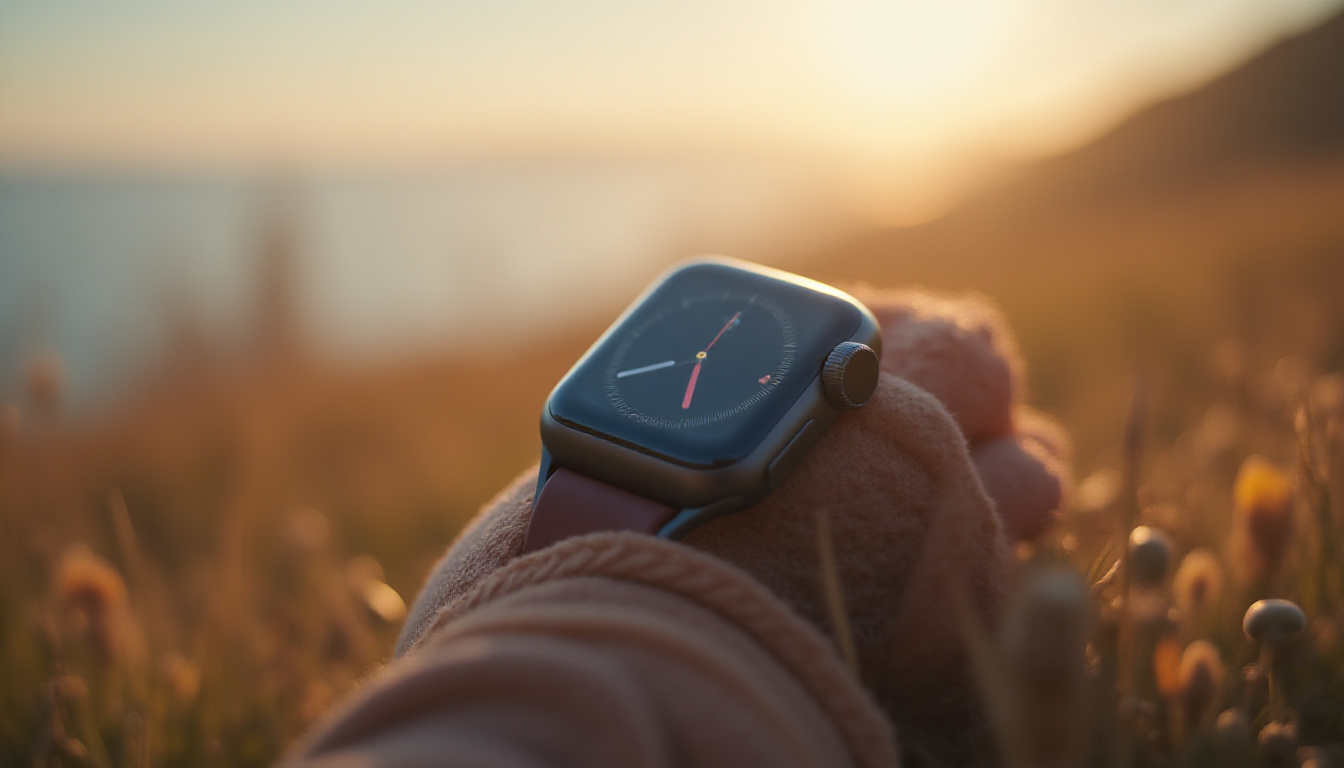
Quick Summary
Apple Watch Series 12 reviewed: audio intelligence, fitness tracking upgrades, and AI health tools. Is it worth buying? Honest verdict, pros, cons, and comparisons.
Apple Watch Series 12
Check current price and availability on Amazon
In This Article
Apple Watch Series 12 Review: Is It Worth the Upgrade?
This article may contain affiliate links. We may earn a commission if you purchase through them, at no extra cost to you.

Apple has a habit of releasing smartwatch updates that look nearly identical to the previous generation on the outside while quietly doing significant work under the hood. The Apple Watch Series 12 continues that tradition. On the surface, it resembles its predecessor. Underneath, however, there is a meaningful shift in what a smartwatch is actually supposed to do — and that shift is powered almost entirely by software and artificial intelligence.
The headline features here are audio intelligence, a redesigned fitness sensor array, and a new AI-driven health readiness score. None of these are cosmetic upgrades. They are functional changes that could genuinely alter how useful the Apple Watch Series 12 is in day-to-day life — particularly for health-conscious buyers, professionals who live in back-to-back meetings, and anyone who has ever struggled to catch what was said in a noisy room.
The question is whether these features justify the price tag, and whether the Apple Watch Series 12 finally does enough to stand clearly apart from the competition. Let's dig in.
What Is Audio Intelligence, and Why Does It Matter?
The most talked-about new addition to the Apple Watch Series 12 is audio intelligence — and for good reason. Think of it as the audio equivalent of what visual intelligence already does for the iPhone camera. Where visual intelligence can scan a restaurant menu and translate it, or identify a product for shopping, audio intelligence uses the watch's microphone to process sound in real time.
Apple is doing something smart here, both technically and from a privacy standpoint. The audio is not recorded or stored. It is buffered temporarily — held in a short rolling window — processed locally, and then discarded. The result is a set of genuinely useful features without the surveillance-state aftertaste.
The most practical example: imagine you are at a restaurant and the server rattles off six specials in thirty seconds. Too fast. You caught "salmon" and something with mushrooms, and that is it. With audio intelligence on the Apple Watch Series 12, a double tap of the crown pulls back the last 15 seconds of audio, transcribes it, and displays it as readable text on your wrist. You can scroll through the specials at your own pace.
For anyone who is a slow auditory processor, hard of hearing, or simply surrounded by noisy environments at work, this is not a novelty — it is a genuine accessibility feature with real daily utility.
The feature also extends to meeting recaps. The watch listens passively throughout your day, and Apple Intelligence on your paired iPhone summarises conversations into bullet points. It does not attribute quotes to individuals, and again, no audio is retained. You can set it to activate only in specific locations — on at the office, off at home — which is exactly the kind of granular control that turns a gimmick into something you actually trust.
Apple Watch Series 12 Fitness Tracking: Better Sensors, Smarter Data
Fitness tracking on the Apple Watch Series 12 has been upgraded at the hardware level, not just through software. Apple has redesigned the sensor array to increase measurement accuracy across the board, which ripples outward into better data quality in every health-related app.
The most notable change is the expansion of nightly vitals tracking to include heart rate variability (HRV). HRV is one of the most meaningful individual indicators of cardiovascular fitness and recovery — elite athletes and serious fitness enthusiasts have been tracking it for years using dedicated devices. The fact that it is now a standard metric in the Apple Watch Series 12, measured more frequently than before and available during daytime hours as well, is a genuine step forward.
Combine that richer data set with Apple Intelligence, and the watch produces a readiness score — a single number that tells you whether today is a day to push hard in the gym or pull back and recover.
Now, let's be honest: readiness scores are not new. Garmin has had them for years. Google and Samsung both offer similar metrics on their wearables. What Apple is adding is the AI layer of interpretation — tailored, contextual advice that factors in your sleep data, activity history, and long-term health trends, then explains what the score actually means for your specific goals. Crucially, this does not appear to sit behind a paywall, which is a meaningful distinction. Google's Health Coach, which offers similarly detailed and personalised fitness guidance, comes with a monthly subscription fee. Apple appears to be baking comparable functionality directly into the Health app at no additional cost.
The Redesigned Health App: Your Long-Term Health in One Place
Beyond the watch itself, Apple Watch Series 12 is paired with a significantly redesigned Health app. A new dedicated tab focuses on long-term health trends rather than just today's numbers. A visual pie chart breaks down your sleep quality, activity levels, and fitness consistency over time.
From that data, the app generates a "health age" — a number that tells you whether your body is tracking older or younger than your actual age, and where the gaps are. It then provides actionable advice on how to improve specific metrics.
This is territory that apps like Whoop and Oura have been occupying for a while, often with accompanying hardware subscriptions. Apple is offering a version of this experience with no recurring cost beyond the watch itself, which for the budget-conscious buyer is a significant advantage.
The key caveat: this is only as useful as the data going in. If you do not wear the watch consistently, sleep with it on, and keep your iPhone nearby, the insights will be shallow. The system rewards commitment.
Pros and Cons
Pros
- Audio intelligence is a genuinely original and useful feature, especially for accessibility
- Meeting recaps and conversation summarisation are practical for busy professionals
- HRV now included in vitals tracking at no extra cost
- Daytime vitals expand the usefulness of fitness data significantly
- Readiness score with AI-driven insights appears to be free — no subscription required
- Health age feature offers meaningful long-term motivation
- Same price point as the previous generation
- Privacy-first design for audio features (no storage, no sharing)
Cons
- Design is largely unchanged from the previous generation — not a visual upgrade
- Audio intelligence requires Apple Intelligence, which depends on iPhone compatibility
- Readiness and HRV metrics are not unique — competitors have offered these for years
- Meeting recap and audio features require opt-in setup, which some users may never discover or configure
- Real-world performance of audio intelligence transcription in noisy environments is still unproven at scale
- Apple Watch Ultra 4 remains expensive for most buyers
Apple Watch Series 12 vs. The Competition
| Feature | Apple Watch Series 12 | Samsung Galaxy Watch 7 | Google Pixel Watch 3 | Garmin Venu 3 |
|---|---|---|---|---|
| Readiness Score | Yes (free) | Yes (free) | Yes (subscription) | Yes (free) |
| HRV Tracking | Yes (expanded) | Yes | Yes | Yes |
| AI Health Insights | Yes (Apple Intelligence) | Basic | Google Health Coach ($) | Basic |
| Audio Intelligence | Yes (unique) | No | No | No |
| Meeting/Conversation Recap | Yes | No | No | No |
| Health Age Metric | Yes | No | No | No |
| Starting Price (approx.) | ~$399 | ~$299 | ~$349 | ~$349 |
| Subscription Required for AI | No | No | Yes (Coach) | No |
The Apple Watch Series 12 holds its own on price when you factor in what you are not paying for in subscriptions. Google's Health Coach, for example, adds genuine value but costs extra every month. Apple's approach of embedding similar functionality into the base experience is a smart move for long-term value.
Free Weekly Newsletter
Enjoying this guide?
Get the best articles like this one delivered to your inbox every week. No spam.
Overall Rating: 8.2 / 10
Verdict: The Apple Watch Series 12 is not a revolutionary product — it is a mature, well-executed evolution of one of the best smartwatch platforms on the market. The audio intelligence feature is the standout addition and is genuinely novel; nothing else on the market does what it does. The expanded fitness tracking, HRV inclusion, and AI-powered readiness score are meaningful improvements rather than headline-grabbing gimmicks. The fact that all of this arrives at the same price as the previous generation makes the value equation straightforward for existing Apple ecosystem users.
If you are coming from an Apple Watch Series 9 or earlier, this is a compelling upgrade. If you are on a Series 10 or 11, the improvements are real but probably not urgent. If you are shopping from outside the Apple ecosystem, the Samsung Galaxy Watch 7 or Garmin Venu 3 offer competitive fitness tracking at a lower price — but they cannot match audio intelligence or the depth of Apple's health app integration.
Bottom line: For Apple users who want the most capable health and productivity wearable on the market without paying monthly fees for premium features, the Apple Watch Series 12 is the easy recommendation.
Where to Buy
Apple Watch Series 12 on Amazon
Frequently Asked Questions
Is audio intelligence on the Apple Watch Series 12 a privacy risk?
Apple has been explicit that audio intelligence does not record, store, or share any audio. Sound is buffered temporarily in a short rolling window, processed on-device or sent to the paired iPhone for summarisation, and then discarded. You also have full control over when the feature is active, including location-based and schedule-based settings. Whether you trust Apple's privacy claims is a personal decision, but the architecture is meaningfully different from cloud-based recording systems used by some competitors.
Who should NOT buy the Apple Watch Series 12?
If you do not own an iPhone, stop reading here — the Apple Watch does not work as a standalone device without one. If you are an Android user, Samsung Galaxy Watch or Google Pixel Watch are your options. The Apple Watch Series 12 is also not the right choice for buyers who prioritise battery life above all else; Garmin's wearables last significantly longer between charges. And if you are already on an Apple Watch Series 11, the upgrade case is thin unless audio intelligence specifically addresses a need you have.
Does the Apple Watch Series 12 require a subscription for its AI health features?
Based on what Apple has announced, the AI-driven health features — including the readiness score, health age metric, and meeting recaps — appear to be included with the watch at no additional monthly cost. This contrasts with Google's Health Coach, which requires a subscription. Apple Intelligence itself requires a compatible iPhone (iPhone 15 Pro or later, or iPhone 16 series), so check your phone compatibility before assuming all features are available.
How does the Apple Watch Series 12 compare to the Apple Watch Ultra 4?
The Apple Watch Ultra 4 shares the same software features as the Series 12 — including audio intelligence, HRV tracking, and the AI readiness score — but is built for a different buyer. The Ultra 4 features a larger, more durable titanium case, a longer battery life, and is designed for extreme outdoor activities, diving, and endurance sport. It carries a significantly higher price tag. For most buyers — commuters, office workers, casual gym-goers — the Series 12 offers the same intelligent features at a more accessible price. The Ultra 4 is for people who genuinely need the rugged hardware, not just the software.
Apple Watch Series 12
Considering it? See where the price stands today
Frequently Asked Questions
What Is Audio Intelligence, and Why Does It Matter?
The most talked-about new addition to the Apple Watch Series 12 is audio intelligence — and for good reason. Think of it as the audio equivalent of what visual intelligence already does for the iPhone camera. Where visual intelligence can scan a restaurant menu and translate it, or identify a product for shopping, audio intelligence uses the watch's microphone to process sound in real time.
Apple is doing something smart here, both technically and from a privacy standpoint. The audio is not recorded or stored. It is buffered temporarily — held in a short rolling window — processed locally, and then discarded. The result is a set of genuinely useful features without the surveillance-state aftertaste.
The most practical example: imagine you are at a restaurant and the server rattles off six specials in thirty seconds. Too fast. You caught "salmon" and something with mushrooms, and that is it. With audio intelligence on the Apple Watch Series 12, a double tap of the crown pulls back the last 15 seconds of audio, transcribes it, and displays it as readable text on your wrist. You can scroll through the specials at your own pace.
For anyone who is a slow auditory processor, hard of hearing, or simply surrounded by noisy environments at work, this is not a novelty — it is a genuine accessibility feature with real daily utility.
The feature also extends to meeting recaps. The watch listens passively throughout your day, and Apple Intelligence on your paired iPhone summarises conversations into bullet points. It does not attribute quotes to individuals, and again, no audio is retained. You can set it to activate only in specific locations — on at the office, off at home — which is exactly the kind of granular control that turns a gimmick into something you actually trust.
Apple Watch Series 12 Fitness Tracking: Better Sensors, Smarter Data
Fitness tracking on the Apple Watch Series 12 has been upgraded at the hardware level, not just through software. Apple has redesigned the sensor array to increase measurement accuracy across the board, which ripples outward into better data quality in every health-related app.
The most notable change is the expansion of nightly vitals tracking to include heart rate variability (HRV). HRV is one of the most meaningful individual indicators of cardiovascular fitness and recovery — elite athletes and serious fitness enthusiasts have been tracking it for years using dedicated devices. The fact that it is now a standard metric in the Apple Watch Series 12, measured more frequently than before and available during daytime hours as well, is a genuine step forward.
Combine that richer data set with Apple Intelligence, and the watch produces a readiness score — a single number that tells you whether today is a day to push hard in the gym or pull back and recover.
Now, let's be honest: readiness scores are not new. Garmin has had them for years. Google and Samsung both offer similar metrics on their wearables. What Apple is adding is the AI layer of interpretation — tailored, contextual advice that factors in your sleep data, activity history, and long-term health trends, then explains what the score actually means for your specific goals. Crucially, this does not appear to sit behind a paywall, which is a meaningful distinction. Google's Health Coach, which offers similarly detailed and personalised fitness guidance, comes with a monthly subscription fee. Apple appears to be baking comparable functionality directly into the Health app at no additional cost.
The Redesigned Health App: Your Long-Term Health in One Place
Beyond the watch itself, Apple Watch Series 12 is paired with a significantly redesigned Health app. A new dedicated tab focuses on long-term health trends rather than just today's numbers. A visual pie chart breaks down your sleep quality, activity levels, and fitness consistency over time.
From that data, the app generates a "health age" — a number that tells you whether your body is tracking older or younger than your actual age, and where the gaps are. It then provides actionable advice on how to improve specific metrics.
This is territory that apps like Whoop and Oura have been occupying for a while, often with accompanying hardware subscriptions. Apple is offering a version of this experience with no recurring cost beyond the watch itself, which for the budget-conscious buyer is a significant advantage.
The key caveat: this is only as useful as the data going in. If you do not wear the watch consistently, sleep with it on, and keep your iPhone nearby, the insights will be shallow. The system rewards commitment.
Pros and Cons
Pros
- Audio intelligence is a genuinely original and useful feature, especially for accessibility
- Meeting recaps and conversation summarisation are practical for busy professionals
- HRV now included in vitals tracking at no extra cost
- Daytime vitals expand the usefulness of fitness data significantly
- Readiness score with AI-driven insights appears to be free — no subscription required
- Health age feature offers meaningful long-term motivation
- Same price point as the previous generation
- Privacy-first design for audio features (no storage, no sharing)
Cons
- Design is largely unchanged from the previous generation — not a visual upgrade
- Audio intelligence requires Apple Intelligence, which depends on iPhone compatibility
- Readiness and HRV metrics are not unique — competitors have offered these for years
- Meeting recap and audio features require opt-in setup, which some users may never discover or configure
- Real-world performance of audio intelligence transcription in noisy environments is still unproven at scale
- Apple Watch Ultra 4 remains expensive for most buyers
Apple Watch Series 12 vs. The Competition
| Feature | Apple Watch Series 12 | Samsung Galaxy Watch 7 | Google Pixel Watch 3 | Garmin Venu 3 |
|---|---|---|---|---|
| Readiness Score | Yes (free) | Yes (free) | Yes (subscription) | Yes (free) |
| HRV Tracking | Yes (expanded) | Yes | Yes | Yes |
| AI Health Insights | Yes (Apple Intelligence) | Basic | Google Health Coach ($) | Basic |
| Audio Intelligence | Yes (unique) | No | No | No |
| Meeting/Conversation Recap | Yes | No | No | No |
| Health Age Metric | Yes | No | No | No |
| Starting Price (approx.) | ~$399 | ~$299 | ~$349 | ~$349 |
| Subscription Required for AI | No | No | Yes (Coach) | No |
The Apple Watch Series 12 holds its own on price when you factor in what you are not paying for in subscriptions. Google's Health Coach, for example, adds genuine value but costs extra every month. Apple's approach of embedding similar functionality into the base experience is a smart move for long-term value.
Overall Rating: 8.2 / 10
Verdict: The Apple Watch Series 12 is not a revolutionary product — it is a mature, well-executed evolution of one of the best smartwatch platforms on the market. The audio intelligence feature is the standout addition and is genuinely novel; nothing else on the market does what it does. The expanded fitness tracking, HRV inclusion, and AI-powered readiness score are meaningful improvements rather than headline-grabbing gimmicks. The fact that all of this arrives at the same price as the previous generation makes the value equation straightforward for existing Apple ecosystem users.
If you are coming from an Apple Watch Series 9 or earlier, this is a compelling upgrade. If you are on a Series 10 or 11, the improvements are real but probably not urgent. If you are shopping from outside the Apple ecosystem, the Samsung Galaxy Watch 7 or Garmin Venu 3 offer competitive fitness tracking at a lower price — but they cannot match audio intelligence or the depth of Apple's health app integration.
Bottom line: For Apple users who want the most capable health and productivity wearable on the market without paying monthly fees for premium features, the Apple Watch Series 12 is the easy recommendation.
Where to Buy
Frequently Asked Questions
Is audio intelligence on the Apple Watch Series 12 a privacy risk?
Apple has been explicit that audio intelligence does not record, store, or share any audio. Sound is buffered temporarily in a short rolling window, processed on-device or sent to the paired iPhone for summarisation, and then discarded. You also have full control over when the feature is active, including location-based and schedule-based settings. Whether you trust Apple's privacy claims is a personal decision, but the architecture is meaningfully different from cloud-based recording systems used by some competitors.
Who should NOT buy the Apple Watch Series 12?
If you do not own an iPhone, stop reading here — the Apple Watch does not work as a standalone device without one. If you are an Android user, Samsung Galaxy Watch or Google Pixel Watch are your options. The Apple Watch Series 12 is also not the right choice for buyers who prioritise battery life above all else; Garmin's wearables last significantly longer between charges. And if you are already on an Apple Watch Series 11, the upgrade case is thin unless audio intelligence specifically addresses a need you have.
Does the Apple Watch Series 12 require a subscription for its AI health features?
Based on what Apple has announced, the AI-driven health features — including the readiness score, health age metric, and meeting recaps — appear to be included with the watch at no additional monthly cost. This contrasts with Google's Health Coach, which requires a subscription. Apple Intelligence itself requires a compatible iPhone (iPhone 15 Pro or later, or iPhone 16 series), so check your phone compatibility before assuming all features are available.
How does the Apple Watch Series 12 compare to the Apple Watch Ultra 4?
The Apple Watch Ultra 4 shares the same software features as the Series 12 — including audio intelligence, HRV tracking, and the AI readiness score — but is built for a different buyer. The Ultra 4 features a larger, more durable titanium case, a longer battery life, and is designed for extreme outdoor activities, diving, and endurance sport. It carries a significantly higher price tag. For most buyers — commuters, office workers, casual gym-goers — the Series 12 offers the same intelligent features at a more accessible price. The Ultra 4 is for people who genuinely need the rugged hardware, not just the software.
Apple Watch Series 12
Ready to decide? Compare the current price before you buy
About Zeebrain Editorial
Zeebrain publishes independent analysis of markets, investing, personal finance, and business. We disclose affiliate relationships, never accept payment for coverage, and fact-check all claims against primary sources. Read our editorial policy →
How this article was produced: Zeebrain articles are created with AI assistance from primary sources (including cited videos and market data) and reviewed under our editorial standards before publication. Spot an error? Tell us and we will correct it.
Disclaimer: Content on Zeebrain is for informational and educational purposes only and does not constitute financial advice or a recommendation to buy or sell any security. Always conduct your own research and consult a qualified financial adviser before making investment decisions. Past performance is not indicative of future results.
More from Review




Related Guides
Keep exploring this topic
iPhone 18 Pro & Duo Review: Should You Upgrade?
Review · iPhone 18 Pro · iPhone Duo
Apple Watch Series 12 & Ultra 4 Review: Worth the Upgrade?
Review · Apple Watch · Apple Watch Series 12
Apple iPhone 16 Review: A Leap Forward or Incremental Upgrade
Review
Chewy Dog Food Review: Is It Worth the Hype in 2025?
Review
Explore More Categories
Keep browsing by topic and build depth around the subjects you care about most.