Why Cancer Risk Drops After 90 (The Science Explained)
Quick Summary
Cancer rates rise with age — until they don't. Here's what science reveals about why the oldest-old may have surprising biological protection against cancer.
In This Article
Why Cancer Risk Drops After 90: The Surprising Science Behind It
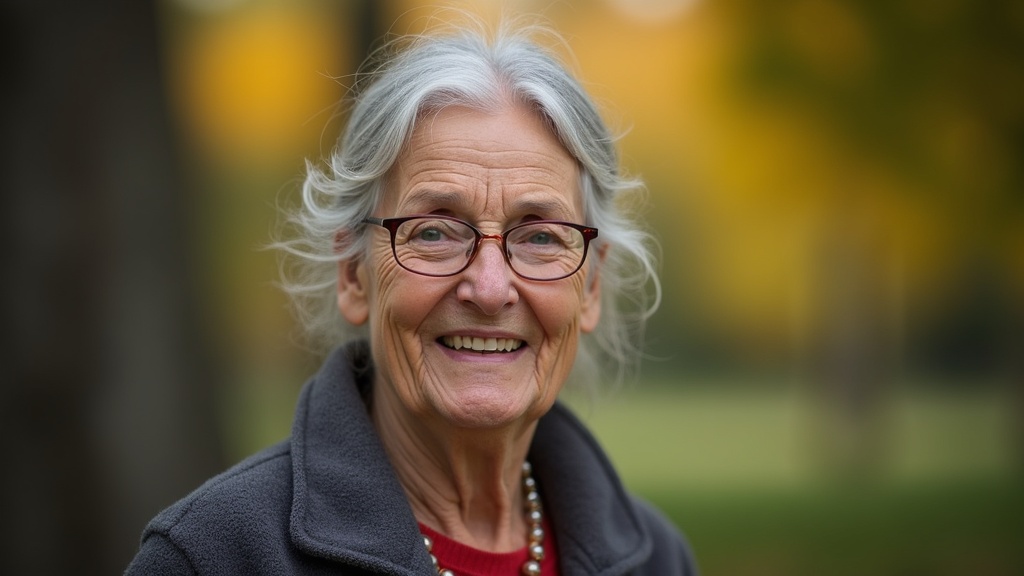
Cancer is widely understood as a disease that stalks you more aggressively with every passing decade. The older you get, the more cellular errors stack up, the weaker your immune system becomes, and the longer you've been exposed to environmental hazards like UV radiation and tobacco. By that logic, a 95-year-old should be swimming in cancer risk. And yet, something counterintuitive happens at the far end of the age spectrum: cancer incidence actually starts to fall. For people in the so-called "oldest-old" bracket — those 85 and above — the expected upward trend in cancer rates appears to reverse. Scientists are still working out exactly why, and the answer turns out to be far more complicated, and more interesting, than anyone initially expected.

The Age-Cancer Relationship Is More Complicated Than You Think
To understand why cancer risk might drop in very old age, you first need to understand why it rises in the first place. Every time a cell divides, there's a small chance it will make a copying error in its DNA. Most of these errors are harmless — a typo in a part of the genome that doesn't do much, or a mutation so damaging that the cell simply dies before it can replicate. But over decades of constant cell division, the odds of accumulating a genuinely dangerous mutation increase substantially. Add in a weakening immune system that's less capable of catching and destroying rogue cells, plus a declining ability to repair DNA damage, and you have a fairly compelling recipe for cancer.
Environmental exposure compounds this risk significantly. The longer you live, the more time you've spent under the sun, near industrial pollutants, or — depending on your history — inhaling cigarette smoke. Some estimates suggest that between 2% and 8% of cancers are directly linked to occupational carcinogen exposure. All of this explains why cancer incidence climbs steadily through middle age and into early old age.
But then, somewhere past 85, the numbers do something unexpected. They plateau, and in some datasets, they decline. That's the puzzle researchers have been trying to crack.
Is the Drop in Cancer Rates Real, or Just a Data Problem?
Before celebrating the notion that extreme old age comes with a cancer shield, it's worth confronting the most skeptical interpretation of this data: maybe the decline isn't real. Maybe it's a measurement problem.
There are genuine reasons to suspect this. Screening rates drop sharply in the oldest-old population. A 93-year-old may reasonably decline a colonoscopy — not out of denial, but out of a clear-eyed assessment that the prep, the discomfort, and the potential findings aren't worth it at that stage of life. Frailty and chronic conditions can disqualify patients from certain diagnostic procedures. And if a person has already decided they won't pursue aggressive treatment regardless of what any scan shows, there's less motivation to run the scan in the first place.
There's also a survivorship dimension. People genetically predisposed to cancer may have already developed and died from it by their 70s or 80s, leaving behind a population of older survivors who were, in some sense, selected for cancer resistance from the start. It's less that old age protects everyone, and more that the people who make it to 90 were always somewhat less vulnerable to begin with.
Despite all of this, the prevailing view among epidemiologists is that the decline is at least partially real. The question is why.
What a Mouse Experiment Revealed About Aging and Cancer
A 2025 study from researchers at Stanford and the University of Pennsylvania tried to get at the biological mechanisms behind this trend by doing what scientists often do: they gave mice cancer on purpose and watched what happened.
The setup was carefully controlled. Young mice (around 5 months old) and elderly mice (around 21 months old) were both given a mutated version of the KRAS oncogene — one of the most common cancer-driving mutations found in solid tumours in humans — delivered via a viral vector directly into their lungs. Starting both groups with genetically identical cancer allowed researchers to isolate the effect of age on cancer progression.
The results were striking. After 15 weeks, the older mice had two to three times fewer tumour growths than the younger mice, and four to five times fewer cancerous cells overall. The tumours in the older mice were also significantly smaller. This wasn't a matter of the virus failing to enter aged cells — when researchers added a fluorescent marker to the delivery virus, they found it penetrated cells in both age groups equally well. Something downstream was limiting how cancer developed and spread in the older animals.
Researchers initially hypothesised that enhanced tumour suppressor gene activity might be responsible — particularly a gene called PTEN, which normally puts the brakes on a signalling pathway (PI3K-AKT) that drives cell division and survival. Counterintuitively, they found that PTEN and several other tumour suppressors were actually less active in older mice, not more. Knocking out PTEN caused tumours in young mice to grow more than twice as fast, suggesting it does more protective work in younger cells. Whatever was limiting cancer in the older mice, it wasn't a supercharged tumour suppressor.
The researchers didn't land on a clean answer — and they were candid about that. But the experiment confirmed that something real is happening at the biological level, and it's worth taking seriously.
Senescent Cells: The Unlikely Partial Heroes
One of the more compelling explanations for reduced cancer incidence in very old age involves senescent cells. These are cells that have stopped dividing but haven't died — they've essentially gone into permanent retirement. They accumulate in tissues as you age, and one key feature is that because they're no longer replicating, they can't be recruited into a tumour the way actively dividing cells can.
In older individuals, a larger proportion of cells are in this senescent state. If a cancer-causing mutation arrives in a senescent cell, it largely falls on deaf ears — the cell isn't going to divide and pass the mutation along. This could plausibly explain why older animals in the mouse study had fewer distinct tumour growths, even when exposed to the same oncogenic trigger as the younger group.
The story isn't straightforward, though. Senescent cells also secrete a cocktail of inflammatory signals known as the senescence-associated secretory phenotype (SASP), and some of these signals can actually encourage nearby cells to become cancerous. So the same population of cells that limits tumour formation through non-replication may simultaneously create a pro-inflammatory environment that slightly raises cancer risk through other mechanisms. Two steps forward, one step back.
Lifestyle Factors That May Quietly Reduce Cancer Risk in Old Age
Biology doesn't tell the whole story. Some of the reduced cancer risk in the oldest-old cohort may come down to changes in daily life that accompany extreme old age.
Consider occupational exposure. For people who spent decades working in environments with known carcinogens — asbestos, benzene, certain industrial solvents — retirement represents a meaningful reduction in daily exposure. By 80 or 85, most people have been out of such environments for years, if not decades. The cumulative carcinogen burden stops accumulating as quickly.
Living arrangements matter too. People in assisted living or care facilities are typically in controlled environments with minimal exposure to tobacco smoke, industrial chemicals, or excessive UV radiation. Diet, too, tends to stabilise or even improve under supervised care, which may carry some protective benefit. None of these factors alone explains the decline, but together they represent a genuine shift in the risk environment that coincides with the age at which cancer rates begin to drop.
What This Means for the Future of Cancer Treatment
Free Weekly Newsletter
Enjoying this guide?
Get the best articles like this one delivered to your inbox every week. No spam.
The implications of this research go well beyond satisfying scientific curiosity. If specific biological mechanisms can be identified that make the oldest-old more resistant to certain cancers, those mechanisms could potentially be harnessed at any age.
For instance, if further research confirms that changes in the PI3K-AKT signalling pathway in aged cells partially explain reduced tumour growth, treatments targeting that pathway could be designed or refined with age-specific differences in mind. If the PTEN gene behaves differently in older versus younger cells, oncologists might eventually tailor PTEN-targeting therapies based on a patient's age and cellular biology rather than applying a one-size-fits-all approach.
There's also a more immediate, practical implication: older patients have historically been underrepresented in clinical cancer research. Trials tend to skew toward younger, healthier participants, which means treatment protocols are often calibrated for people who don't reflect the majority of cancer patients. The FDA has issued guidance pushing for greater inclusion of older adults in clinical studies. That's not just good ethics — it's good science. Understanding how cancer behaves differently across the full human lifespan could unlock genuinely better treatments for everyone.
Conclusion
The idea that reaching your 90s might offer some form of biological resistance to cancer is one of the more quietly remarkable findings in recent oncology research. It doesn't mean old age is safe from cancer — it absolutely isn't — but it does suggest that the relationship between aging and cancer is dynamic, non-linear, and far from fully understood. Senescent cells, slower cell division, shifts in signalling pathways, reduced carcinogen exposure, and survivorship bias all likely play some role. No single explanation has emerged as dominant, and that's arguably the point: cancer's behaviour across a human lifespan is shaped by a web of interacting factors that science is only beginning to map properly.
What's clear is that the oldest-old deserve a seat at the research table. Their biology may hold answers that benefit patients of every age.
Frequently Asked Questions
At what age does cancer risk start to decline?
Research suggests that cancer incidence begins to decrease in the "oldest-old" group — generally defined as people aged 85 and older. The trend becomes more pronounced at 90 and beyond. It's worth noting that cancer risk still increases through most of adult life and early old age, so this decline represents a reversal that occurs only at the far end of the age spectrum.
Why might very old people be less likely to develop new cancers?
Several factors likely contribute. Senescent cells — cells that have permanently stopped dividing — accumulate with age and can't be easily converted into tumour cells. Cell division itself slows down, meaning mutations spread more slowly. Retired individuals are also less exposed to occupational carcinogens. And changes in molecular signalling pathways, including how oncogenes like KRAS behave in aged tissue, may limit tumour growth in ways researchers are still working to understand fully.
Could the apparent drop in cancer rates just be because doctors screen less in very old patients?
This is a legitimate concern and one that researchers take seriously. Screening rates do fall among the oldest-old, for practical reasons including patient preference, frailty, and quality-of-life considerations. Survivorship bias — the idea that cancer-prone individuals have already died, leaving a healthier cohort — is also a factor. However, the current epidemiological consensus is that the decline in cancer incidence is at least partially real and not entirely an artefact of reduced detection.
Does this research have practical implications for treating cancer in younger patients?
Potentially, yes. If scientists can identify the specific biological mechanisms that limit tumour development in very old tissue — whether that's a change in a signalling pathway, the behaviour of a particular gene, or a feature of the cellular environment — those mechanisms could inform new treatment strategies. The goal would be to replicate the protective effects of aged biology in cancer patients of any age, effectively borrowing a defence that evolution seems to have built into the oldest-old.
Free Investing Tools
Frequently Asked Questions
The Age-Cancer Relationship Is More Complicated Than You Think
To understand why cancer risk might drop in very old age, you first need to understand why it rises in the first place. Every time a cell divides, there's a small chance it will make a copying error in its DNA. Most of these errors are harmless — a typo in a part of the genome that doesn't do much, or a mutation so damaging that the cell simply dies before it can replicate. But over decades of constant cell division, the odds of accumulating a genuinely dangerous mutation increase substantially. Add in a weakening immune system that's less capable of catching and destroying rogue cells, plus a declining ability to repair DNA damage, and you have a fairly compelling recipe for cancer.
Environmental exposure compounds this risk significantly. The longer you live, the more time you've spent under the sun, near industrial pollutants, or — depending on your history — inhaling cigarette smoke. Some estimates suggest that between 2% and 8% of cancers are directly linked to occupational carcinogen exposure. All of this explains why cancer incidence climbs steadily through middle age and into early old age.
But then, somewhere past 85, the numbers do something unexpected. They plateau, and in some datasets, they decline. That's the puzzle researchers have been trying to crack.
Is the Drop in Cancer Rates Real, or Just a Data Problem?
Before celebrating the notion that extreme old age comes with a cancer shield, it's worth confronting the most skeptical interpretation of this data: maybe the decline isn't real. Maybe it's a measurement problem.
There are genuine reasons to suspect this. Screening rates drop sharply in the oldest-old population. A 93-year-old may reasonably decline a colonoscopy — not out of denial, but out of a clear-eyed assessment that the prep, the discomfort, and the potential findings aren't worth it at that stage of life. Frailty and chronic conditions can disqualify patients from certain diagnostic procedures. And if a person has already decided they won't pursue aggressive treatment regardless of what any scan shows, there's less motivation to run the scan in the first place.
There's also a survivorship dimension. People genetically predisposed to cancer may have already developed and died from it by their 70s or 80s, leaving behind a population of older survivors who were, in some sense, selected for cancer resistance from the start. It's less that old age protects everyone, and more that the people who make it to 90 were always somewhat less vulnerable to begin with.
Despite all of this, the prevailing view among epidemiologists is that the decline is at least partially real. The question is why.
What a Mouse Experiment Revealed About Aging and Cancer
A 2025 study from researchers at Stanford and the University of Pennsylvania tried to get at the biological mechanisms behind this trend by doing what scientists often do: they gave mice cancer on purpose and watched what happened.
The setup was carefully controlled. Young mice (around 5 months old) and elderly mice (around 21 months old) were both given a mutated version of the KRAS oncogene — one of the most common cancer-driving mutations found in solid tumours in humans — delivered via a viral vector directly into their lungs. Starting both groups with genetically identical cancer allowed researchers to isolate the effect of age on cancer progression.
The results were striking. After 15 weeks, the older mice had two to three times fewer tumour growths than the younger mice, and four to five times fewer cancerous cells overall. The tumours in the older mice were also significantly smaller. This wasn't a matter of the virus failing to enter aged cells — when researchers added a fluorescent marker to the delivery virus, they found it penetrated cells in both age groups equally well. Something downstream was limiting how cancer developed and spread in the older animals.
Researchers initially hypothesised that enhanced tumour suppressor gene activity might be responsible — particularly a gene called PTEN, which normally puts the brakes on a signalling pathway (PI3K-AKT) that drives cell division and survival. Counterintuitively, they found that PTEN and several other tumour suppressors were actually less active in older mice, not more. Knocking out PTEN caused tumours in young mice to grow more than twice as fast, suggesting it does more protective work in younger cells. Whatever was limiting cancer in the older mice, it wasn't a supercharged tumour suppressor.
The researchers didn't land on a clean answer — and they were candid about that. But the experiment confirmed that something real is happening at the biological level, and it's worth taking seriously.
Senescent Cells: The Unlikely Partial Heroes
One of the more compelling explanations for reduced cancer incidence in very old age involves senescent cells. These are cells that have stopped dividing but haven't died — they've essentially gone into permanent retirement. They accumulate in tissues as you age, and one key feature is that because they're no longer replicating, they can't be recruited into a tumour the way actively dividing cells can.
In older individuals, a larger proportion of cells are in this senescent state. If a cancer-causing mutation arrives in a senescent cell, it largely falls on deaf ears — the cell isn't going to divide and pass the mutation along. This could plausibly explain why older animals in the mouse study had fewer distinct tumour growths, even when exposed to the same oncogenic trigger as the younger group.
The story isn't straightforward, though. Senescent cells also secrete a cocktail of inflammatory signals known as the senescence-associated secretory phenotype (SASP), and some of these signals can actually encourage nearby cells to become cancerous. So the same population of cells that limits tumour formation through non-replication may simultaneously create a pro-inflammatory environment that slightly raises cancer risk through other mechanisms. Two steps forward, one step back.
Lifestyle Factors That May Quietly Reduce Cancer Risk in Old Age
Biology doesn't tell the whole story. Some of the reduced cancer risk in the oldest-old cohort may come down to changes in daily life that accompany extreme old age.
Consider occupational exposure. For people who spent decades working in environments with known carcinogens — asbestos, benzene, certain industrial solvents — retirement represents a meaningful reduction in daily exposure. By 80 or 85, most people have been out of such environments for years, if not decades. The cumulative carcinogen burden stops accumulating as quickly.
Living arrangements matter too. People in assisted living or care facilities are typically in controlled environments with minimal exposure to tobacco smoke, industrial chemicals, or excessive UV radiation. Diet, too, tends to stabilise or even improve under supervised care, which may carry some protective benefit. None of these factors alone explains the decline, but together they represent a genuine shift in the risk environment that coincides with the age at which cancer rates begin to drop.
What This Means for the Future of Cancer Treatment
The implications of this research go well beyond satisfying scientific curiosity. If specific biological mechanisms can be identified that make the oldest-old more resistant to certain cancers, those mechanisms could potentially be harnessed at any age.
For instance, if further research confirms that changes in the PI3K-AKT signalling pathway in aged cells partially explain reduced tumour growth, treatments targeting that pathway could be designed or refined with age-specific differences in mind. If the PTEN gene behaves differently in older versus younger cells, oncologists might eventually tailor PTEN-targeting therapies based on a patient's age and cellular biology rather than applying a one-size-fits-all approach.
There's also a more immediate, practical implication: older patients have historically been underrepresented in clinical cancer research. Trials tend to skew toward younger, healthier participants, which means treatment protocols are often calibrated for people who don't reflect the majority of cancer patients. The FDA has issued guidance pushing for greater inclusion of older adults in clinical studies. That's not just good ethics — it's good science. Understanding how cancer behaves differently across the full human lifespan could unlock genuinely better treatments for everyone.
Conclusion
The idea that reaching your 90s might offer some form of biological resistance to cancer is one of the more quietly remarkable findings in recent oncology research. It doesn't mean old age is safe from cancer — it absolutely isn't — but it does suggest that the relationship between aging and cancer is dynamic, non-linear, and far from fully understood. Senescent cells, slower cell division, shifts in signalling pathways, reduced carcinogen exposure, and survivorship bias all likely play some role. No single explanation has emerged as dominant, and that's arguably the point: cancer's behaviour across a human lifespan is shaped by a web of interacting factors that science is only beginning to map properly.
What's clear is that the oldest-old deserve a seat at the research table. Their biology may hold answers that benefit patients of every age.
Frequently Asked Questions
At what age does cancer risk start to decline?
Research suggests that cancer incidence begins to decrease in the "oldest-old" group — generally defined as people aged 85 and older. The trend becomes more pronounced at 90 and beyond. It's worth noting that cancer risk still increases through most of adult life and early old age, so this decline represents a reversal that occurs only at the far end of the age spectrum.
Why might very old people be less likely to develop new cancers?
Several factors likely contribute. Senescent cells — cells that have permanently stopped dividing — accumulate with age and can't be easily converted into tumour cells. Cell division itself slows down, meaning mutations spread more slowly. Retired individuals are also less exposed to occupational carcinogens. And changes in molecular signalling pathways, including how oncogenes like KRAS behave in aged tissue, may limit tumour growth in ways researchers are still working to understand fully.
Could the apparent drop in cancer rates just be because doctors screen less in very old patients?
This is a legitimate concern and one that researchers take seriously. Screening rates do fall among the oldest-old, for practical reasons including patient preference, frailty, and quality-of-life considerations. Survivorship bias — the idea that cancer-prone individuals have already died, leaving a healthier cohort — is also a factor. However, the current epidemiological consensus is that the decline in cancer incidence is at least partially real and not entirely an artefact of reduced detection.
Does this research have practical implications for treating cancer in younger patients?
Potentially, yes. If scientists can identify the specific biological mechanisms that limit tumour development in very old tissue — whether that's a change in a signalling pathway, the behaviour of a particular gene, or a feature of the cellular environment — those mechanisms could inform new treatment strategies. The goal would be to replicate the protective effects of aged biology in cancer patients of any age, effectively borrowing a defence that evolution seems to have built into the oldest-old.
About Zeebrain Editorial
Zeebrain publishes independent analysis of markets, investing, personal finance, and business. We disclose affiliate relationships, never accept payment for coverage, and fact-check all claims against primary sources. Read our editorial policy →
How this article was produced: Zeebrain articles are created with AI assistance from primary sources (including cited videos and market data) and reviewed under our editorial standards before publication. Spot an error? Tell us and we will correct it.
More from Curiosities


Related Guides
Keep exploring this topic
Explore More Categories
Keep browsing by topic and build depth around the subjects you care about most.