Virtual Reality Gaming Headsets: 2026 Buyer's Guide
Quick Summary
Virtual Reality Gaming Headsets: 2026 Buyer's Guide The landscape of virtual reality gaming is exploding, and choosing the right VR headset in 2026 is more crucial...
In This Article
Virtual Reality Gaming Headsets: 2026 Buyer's Guide
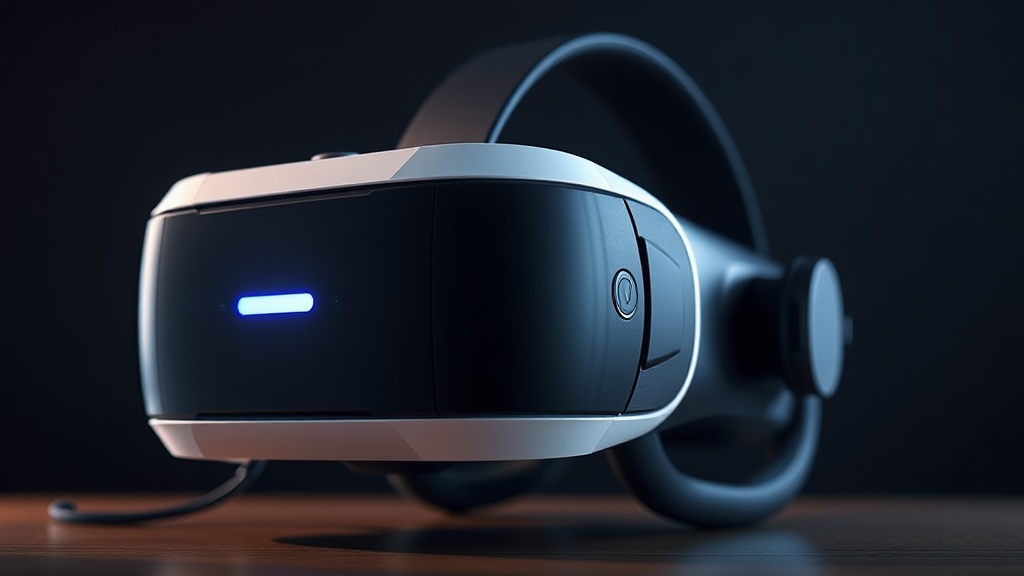
The landscape of virtual reality gaming is exploding, and choosing the right VR headset in 2026 is more crucial and complex than ever before. With cutting-edge displays, unparalleled haptic feedback, and a surge in AAA VR titles, the immersive experiences offered by today's VR headsets are finally reaching mainstream appeal, but navigating the myriad options requires a discerning eye. This comprehensive guide reviews the top contenders for gamers seeking the ultimate untethered freedom or the highest fidelity immersion, helping you make an informed decision amidst rapid technological advancements.
The Untethered Revolution: Why Standalone VR Dominates in 2026
Forget cumbersome cables and dedicated gaming rigs; 2026 marks the undeniable dominance of standalone virtual reality headsets for the vast majority of gamers. Advancements in mobile processing power, particularly the widespread adoption of next-generation ARM-based chipsets tailored for XR, have blurred the lines between PCVR and standalone performance. Companies like Qualcomm, with their Snapdragon XR3 and XR4 platforms, have pushed the boundaries, enabling sophisticated graphics and complex physics simulations directly on the headset.
Consider the Meta Quest 4 Pro, a device that has cemented its position as the market leader. Launched in late 2025, its iterative improvements over its predecessor, the Quest 3, are significant. The Quest 4 Pro boasts a custom-designed pancake lens system offering a 120-degree field of view (FOV) and a dual micro-OLED display delivering an astonishing 2880x2880 resolution per eye at a 144Hz refresh rate. This translates to incredibly sharp visuals and buttery-smooth motion, even in graphically intensive games like the long-awaited "Cyberpunk VR: Night City Chronicles." Data from IDC reports that standalone VR headsets accounted for over 75% of all VR headset sales in Q1 2026, a testament to their accessibility and convenience. Gamers appreciate the ability to jump into a multiplayer session of "Beat Saber Unlimited" or explore "Elden Ring: Shadow of the Erdtree VR" without being tethered to a high-end PC.
Another strong contender in the standalone space is the Pico 6 Neo. While Meta focuses on a broader consumer market, Pico has strategically targeted an audience seeking slightly more enterprise-grade features while remaining consumer-friendly. The Pico 6 Neo, released in early 2026, features inside-out tracking refined with six cameras and a new depth sensor, offering unparalleled spatial awareness and controller tracking accuracy. Its unique selling point often revolves around its open-source Android-based operating system, which attracts developers and power users looking for greater customization. Performance-wise, it rivals the Quest 4 Pro, featuring a similar display technology and a robust cooling system that allows for sustained peak performance during extended gaming sessions. Initial reviews for its dedicated storefront, "PicoVerse," highlight a growing library of exclusive titles alongside popular cross-platform games.
Beyond Pixels: Haptics, Eye-Tracking, and the Future of Immersion
While resolution and refresh rates are crucial, the next frontier of VR immersion in 2026 lies in advanced haptics, precise eye-tracking, and seamless mixed reality integration. These technologies are no longer niche features but core components enhancing the gaming experience.
Haptic Feedback: The tactile sensation of virtual worlds is evolving dramatically. Devices like the Valve Index 2 (Project Borealis), though primarily PCVR, introduced a new benchmark in haptic gloves, going beyond simple rumble motors. Its "Force Feedback Actuators" integrated into each finger allow users to feel the texture of objects, the recoil of a firearm, or the gentle caress of a virtual creature. While these are still primarily for high-end PCVR setups, standalone headsets are catching up. The Meta Quest 4 Pro controllers incorporate next-generation "TruTouch" haptics, utilizing linear resonant actuators (LRAs) that provide nuanced vibrations, simulating the subtle click of a virtual button or the impact of a sword strike with remarkable fidelity. This level of tactile feedback significantly deepens presence and enhances gameplay, particularly in action and simulation titles.
Eye-Tracking and Foveated Rendering: This technology has moved from a speculative feature to a standard offering in premium headsets. Both the Quest 4 Pro and Pico 6 Neo come equipped with integrated eye-tracking. This not only allows for more natural social interaction in VR but, critically for gaming, enables dynamic foveated rendering. By precisely knowing where a user is looking, the headset can render that specific area at maximum resolution while reducing the detail in the peripheral vision, where human eyes are less discerning. This technique significantly reduces the computational load, allowing for higher frame rates and more complex graphics without requiring more powerful hardware. For example, in competitive shooters like "Onward 3.0," eye-tracking can be integrated for more intuitive aiming mechanisms or even to detect player intent.
Mixed Reality (MR) Integration: The line between VR and AR is increasingly blurry, and 2026 headsets are embracing mixed reality as a core feature, not just a gimmick. The Meta Quest 4 Pro excels here with its full-color passthrough capabilities, enabled by multiple high-resolution external cameras. This allows gamers to seamlessly switch between full VR immersion and overlaying virtual elements onto their real-world environment. Imagine playing a strategy game where your virtual command center is projected onto your actual living room table, or dodging virtual projectiles that appear to fly through your physical space. This not only enhances immersion but also improves safety, preventing users from bumping into furniture during active gameplay. Developers are leveraging MR for unique gameplay mechanics, moving beyond simple passthrough to create truly hybrid experiences.
Making Your Choice: What to Consider Before Buying
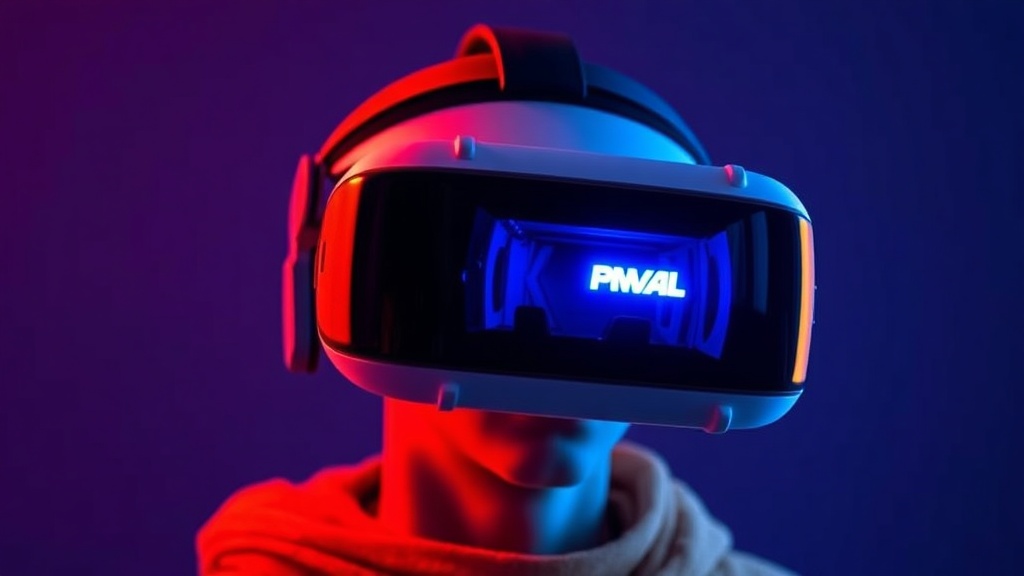
Choosing the right VR headset in 2026 depends heavily on your budget, existing hardware, and desired gaming experience. Here's a breakdown of factors every potential buyer should consider:
1. Standalone vs. PCVR (or Hybrid):
- Standalone (e.g., Meta Quest 4 Pro, Pico 6 Neo): Ideal for most users. Untethered freedom, easy setup, no powerful PC required. Great for social VR, active games, and casual exploration. Performance is excellent for its form factor.
- PCVR (e.g., Valve Index 2, Varjo Aero 2): For enthusiasts demanding the absolute highest fidelity graphics, widest FOV, and specific peripherals (like full-body tracking or advanced haptic gloves). Requires a powerful gaming PC (e.g., an NVIDIA RTX 5090 or AMD Radeon RX 8900 XT). Some standalone headsets offer "PC VR Link" capabilities, allowing them to connect to a PC for higher-fidelity experiences, offering a best-of-both-worlds approach.
2. Display Technology and Resolution:
- Micro-OLED: The gold standard in 2026 for vibrant colors, true blacks, and high pixel density. Look for resolutions of at least 2500x2500 per eye.
- LCD: Still present in some budget options, offering good brightness but often sacrificing contrast and color vibrancy compared to OLED.
- Refresh Rate: Aim for 120Hz or higher for smooth motion and reduced motion sickness.
3. Field of View (FOV): A wider FOV (110-120 degrees horizontal) significantly enhances immersion, making the "screen door effect" less noticeable.
4. Controllers and Tracking:
- Inside-Out Tracking (Controller & Headset): Standard in standalone headsets, utilizing cameras on the headset. Excellent and generally robust.
- External Tracking (Base Stations): Primarily for PCVR (e.g., Valve Index 2), offering the most precise and wide-area tracking but requiring setup of external sensors.
- Controller Ergonomics and Haptics: Test them if possible. Good haptics elevate the experience.
5. Comfort and Fit: This is subjective but crucial. Consider weight distribution, strap mechanisms, and IPD (interpupillary distance) adjustment. Glasses wearers should ensure compatibility.
6. Ecosystem and Content Library:
- Meta Quest Store: Vast library, exclusive titles, strong social features.
- PicoVerse: Growing library, focus on open platform, some unique offerings.
- SteamVR: The primary PCVR content hub, massive library of games.
7. Price Point: Expect flagship standalone headsets to range from $600 to $1000. High-end PCVR setups, including the headset and a powerful PC, can easily exceed $2000-$3000.
The Horizon: What's Next for VR Gaming Headsets?
The rapid pace of innovation suggests that 2026 is merely a stepping stone for even more groundbreaking VR experiences. Here's what we can anticipate in the coming years:
Free Weekly Newsletter
Enjoying this guide?
Get the best articles like this one delivered to your inbox every week. No spam.
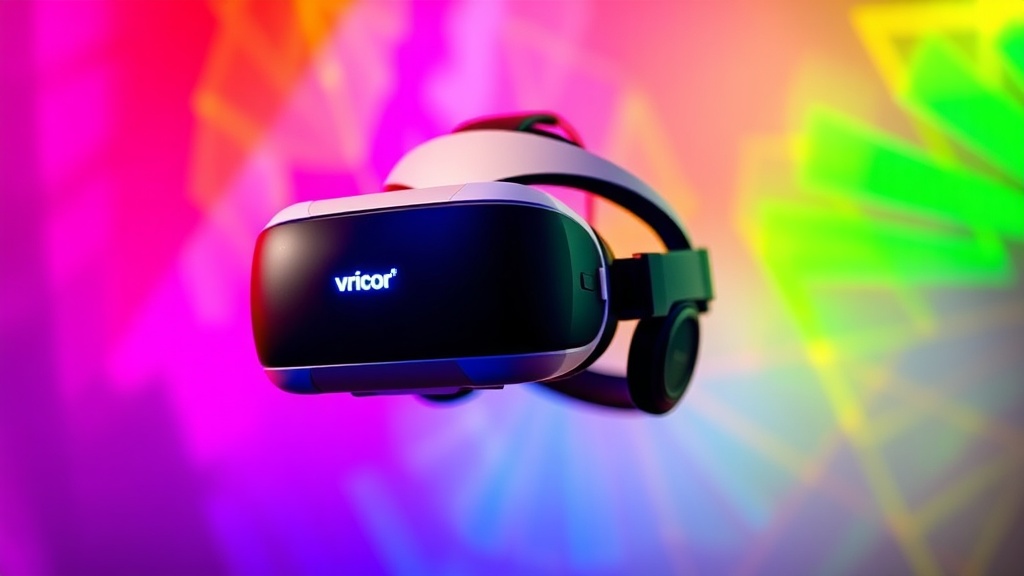
1. Continued Miniaturization and Lighter Designs: Expect headsets to become significantly smaller and lighter, approaching the form factor of regular eyeglasses. Companies are investing heavily in advanced optics and lighter materials.
2. Direct Neural Interfaces (Early Stages): While still speculative for mass-market gaming, research into brain-computer interfaces (BCIs) for direct interaction with VR environments is accelerating. Devices like Neuralink (though not gaming-focused) pave the way for a future where thought alone could control virtual actions, drastically reducing input latency and increasing immersion. We might see early commercial applications in accessibility or niche gaming segments by 2028-2030.
3. Advanced Biometric Feedback and Adaptive Experiences: Future headsets could integrate more sophisticated biometric sensors (heart rate, skin conductivity, even brainwave patterns) to dynamically adjust game difficulty, horror elements, or even narrative branching based on the player's emotional state. Imagine a horror game that gets scarier as your heart rate climbs.
4. Ubiquitous "Metaverse" Integration: While the term "metaverse" has been overused, the underlying technology for persistent, interconnected virtual worlds will mature. Headsets will become gateways to these interconnected experiences, allowing seamless transitions between gaming, social interaction, and productivity applications within a unified virtual space.
5. Holodeck-like Experiences (Room-Scale Tracking Beyond Limits): Improvements in spatial computing and AI could enable VR experiences that dynamically adapt to any physical space, transforming entire rooms into virtual environments without complex setup. This moves beyond current room-scale VR to truly adaptive mixed reality where the environment itself becomes part of the game.
Conclusion
Virtual reality gaming in 2026 is no longer a niche curiosity; it's a vibrant, rapidly evolving ecosystem offering unprecedented levels of immersion and fun. Standalone headsets like the Meta Quest 4 Pro and Pico 6 Neo lead the charge, providing accessible, high-fidelity experiences that cater to the vast majority of gamers. For those seeking the absolute pinnacle of visual and tactile feedback, high-end PCVR options like the Valve Index 2 continue to push boundaries.
When making your purchase, prioritize what truly matters to your gaming habits: untethered freedom, graphical fidelity, comfort, and the available content library. The future of VR promises even more thrilling innovations, but the headsets available today already deliver experiences that redefine what it means to play a game. Don't just read about the future of gaming; step into it. Grab a headset, explore new worlds, and prepare to be amazed.
Frequently Asked Questions
The Untethered Revolution: Why Standalone VR Dominates in 2026
Forget cumbersome cables and dedicated gaming rigs; 2026 marks the undeniable dominance of standalone virtual reality headsets for the vast majority of gamers. Advancements in mobile processing power, particularly the widespread adoption of next-generation ARM-based chipsets tailored for XR, have blurred the lines between PCVR and standalone performance. Companies like Qualcomm, with their Snapdragon XR3 and XR4 platforms, have pushed the boundaries, enabling sophisticated graphics and complex physics simulations directly on the headset.
Consider the Meta Quest 4 Pro, a device that has cemented its position as the market leader. Launched in late 2025, its iterative improvements over its predecessor, the Quest 3, are significant. The Quest 4 Pro boasts a custom-designed pancake lens system offering a 120-degree field of view (FOV) and a dual micro-OLED display delivering an astonishing 2880x2880 resolution per eye at a 144Hz refresh rate. This translates to incredibly sharp visuals and buttery-smooth motion, even in graphically intensive games like the long-awaited "Cyberpunk VR: Night City Chronicles." Data from IDC reports that standalone VR headsets accounted for over 75% of all VR headset sales in Q1 2026, a testament to their accessibility and convenience. Gamers appreciate the ability to jump into a multiplayer session of "Beat Saber Unlimited" or explore "Elden Ring: Shadow of the Erdtree VR" without being tethered to a high-end PC.
Another strong contender in the standalone space is the Pico 6 Neo. While Meta focuses on a broader consumer market, Pico has strategically targeted an audience seeking slightly more enterprise-grade features while remaining consumer-friendly. The Pico 6 Neo, released in early 2026, features inside-out tracking refined with six cameras and a new depth sensor, offering unparalleled spatial awareness and controller tracking accuracy. Its unique selling point often revolves around its open-source Android-based operating system, which attracts developers and power users looking for greater customization. Performance-wise, it rivals the Quest 4 Pro, featuring a similar display technology and a robust cooling system that allows for sustained peak performance during extended gaming sessions. Initial reviews for its dedicated storefront, "PicoVerse," highlight a growing library of exclusive titles alongside popular cross-platform games.
Beyond Pixels: Haptics, Eye-Tracking, and the Future of Immersion
While resolution and refresh rates are crucial, the next frontier of VR immersion in 2026 lies in advanced haptics, precise eye-tracking, and seamless mixed reality integration. These technologies are no longer niche features but core components enhancing the gaming experience.
Haptic Feedback: The tactile sensation of virtual worlds is evolving dramatically. Devices like the Valve Index 2 (Project Borealis), though primarily PCVR, introduced a new benchmark in haptic gloves, going beyond simple rumble motors. Its "Force Feedback Actuators" integrated into each finger allow users to feel the texture of objects, the recoil of a firearm, or the gentle caress of a virtual creature. While these are still primarily for high-end PCVR setups, standalone headsets are catching up. The Meta Quest 4 Pro controllers incorporate next-generation "TruTouch" haptics, utilizing linear resonant actuators (LRAs) that provide nuanced vibrations, simulating the subtle click of a virtual button or the impact of a sword strike with remarkable fidelity. This level of tactile feedback significantly deepens presence and enhances gameplay, particularly in action and simulation titles.
Eye-Tracking and Foveated Rendering: This technology has moved from a speculative feature to a standard offering in premium headsets. Both the Quest 4 Pro and Pico 6 Neo come equipped with integrated eye-tracking. This not only allows for more natural social interaction in VR but, critically for gaming, enables dynamic foveated rendering. By precisely knowing where a user is looking, the headset can render that specific area at maximum resolution while reducing the detail in the peripheral vision, where human eyes are less discerning. This technique significantly reduces the computational load, allowing for higher frame rates and more complex graphics without requiring more powerful hardware. For example, in competitive shooters like "Onward 3.0," eye-tracking can be integrated for more intuitive aiming mechanisms or even to detect player intent.
Mixed Reality (MR) Integration: The line between VR and AR is increasingly blurry, and 2026 headsets are embracing mixed reality as a core feature, not just a gimmick. The Meta Quest 4 Pro excels here with its full-color passthrough capabilities, enabled by multiple high-resolution external cameras. This allows gamers to seamlessly switch between full VR immersion and overlaying virtual elements onto their real-world environment. Imagine playing a strategy game where your virtual command center is projected onto your actual living room table, or dodging virtual projectiles that appear to fly through your physical space. This not only enhances immersion but also improves safety, preventing users from bumping into furniture during active gameplay. Developers are leveraging MR for unique gameplay mechanics, moving beyond simple passthrough to create truly hybrid experiences.
Making Your Choice: What to Consider Before Buying
Choosing the right VR headset in 2026 depends heavily on your budget, existing hardware, and desired gaming experience. Here's a breakdown of factors every potential buyer should consider:
1. Standalone vs. PCVR (or Hybrid):
- Standalone (e.g., Meta Quest 4 Pro, Pico 6 Neo): Ideal for most users. Untethered freedom, easy setup, no powerful PC required. Great for social VR, active games, and casual exploration. Performance is excellent for its form factor.
- PCVR (e.g., Valve Index 2, Varjo Aero 2): For enthusiasts demanding the absolute highest fidelity graphics, widest FOV, and specific peripherals (like full-body tracking or advanced haptic gloves). Requires a powerful gaming PC (e.g., an NVIDIA RTX 5090 or AMD Radeon RX 8900 XT). Some standalone headsets offer "PC VR Link" capabilities, allowing them to connect to a PC for higher-fidelity experiences, offering a best-of-both-worlds approach.
2. Display Technology and Resolution:
- Micro-OLED: The gold standard in 2026 for vibrant colors, true blacks, and high pixel density. Look for resolutions of at least 2500x2500 per eye.
- LCD: Still present in some budget options, offering good brightness but often sacrificing contrast and color vibrancy compared to OLED.
- Refresh Rate: Aim for 120Hz or higher for smooth motion and reduced motion sickness.
3. Field of View (FOV): A wider FOV (110-120 degrees horizontal) significantly enhances immersion, making the "screen door effect" less noticeable.
4. Controllers and Tracking:
- Inside-Out Tracking (Controller & Headset): Standard in standalone headsets, utilizing cameras on the headset. Excellent and generally robust.
- External Tracking (Base Stations): Primarily for PCVR (e.g., Valve Index 2), offering the most precise and wide-area tracking but requiring setup of external sensors.
- Controller Ergonomics and Haptics: Test them if possible. Good haptics elevate the experience.
5. Comfort and Fit: This is subjective but crucial. Consider weight distribution, strap mechanisms, and IPD (interpupillary distance) adjustment. Glasses wearers should ensure compatibility.
6. Ecosystem and Content Library:
- Meta Quest Store: Vast library, exclusive titles, strong social features.
- PicoVerse: Growing library, focus on open platform, some unique offerings.
- SteamVR: The primary PCVR content hub, massive library of games.
7. Price Point: Expect flagship standalone headsets to range from $600 to $1000. High-end PCVR setups, including the headset and a powerful PC, can easily exceed $2000-$3000.
The Horizon: What's Next for VR Gaming Headsets?
The rapid pace of innovation suggests that 2026 is merely a stepping stone for even more groundbreaking VR experiences. Here's what we can anticipate in the coming years:
1. Continued Miniaturization and Lighter Designs: Expect headsets to become significantly smaller and lighter, approaching the form factor of regular eyeglasses. Companies are investing heavily in advanced optics and lighter materials.
2. Direct Neural Interfaces (Early Stages): While still speculative for mass-market gaming, research into brain-computer interfaces (BCIs) for direct interaction with VR environments is accelerating. Devices like Neuralink (though not gaming-focused) pave the way for a future where thought alone could control virtual actions, drastically reducing input latency and increasing immersion. We might see early commercial applications in accessibility or niche gaming segments by 2028-2030.
3. Advanced Biometric Feedback and Adaptive Experiences: Future headsets could integrate more sophisticated biometric sensors (heart rate, skin conductivity, even brainwave patterns) to dynamically adjust game difficulty, horror elements, or even narrative branching based on the player's emotional state. Imagine a horror game that gets scarier as your heart rate climbs.
4. Ubiquitous "Metaverse" Integration: While the term "metaverse" has been overused, the underlying technology for persistent, interconnected virtual worlds will mature. Headsets will become gateways to these interconnected experiences, allowing seamless transitions between gaming, social interaction, and productivity applications within a unified virtual space.
5. Holodeck-like Experiences (Room-Scale Tracking Beyond Limits): Improvements in spatial computing and AI could enable VR experiences that dynamically adapt to any physical space, transforming entire rooms into virtual environments without complex setup. This moves beyond current room-scale VR to truly adaptive mixed reality where the environment itself becomes part of the game.
Conclusion
Virtual reality gaming in 2026 is no longer a niche curiosity; it's a vibrant, rapidly evolving ecosystem offering unprecedented levels of immersion and fun. Standalone headsets like the Meta Quest 4 Pro and Pico 6 Neo lead the charge, providing accessible, high-fidelity experiences that cater to the vast majority of gamers. For those seeking the absolute pinnacle of visual and tactile feedback, high-end PCVR options like the Valve Index 2 continue to push boundaries.
When making your purchase, prioritize what truly matters to your gaming habits: untethered freedom, graphical fidelity, comfort, and the available content library. The future of VR promises even more thrilling innovations, but the headsets available today already deliver experiences that redefine what it means to play a game. Don't just read about the future of gaming; step into it. Grab a headset, explore new worlds, and prepare to be amazed.
About Zeebrain Editorial
Zeebrain publishes independent analysis of markets, investing, personal finance, and business. We disclose affiliate relationships, never accept payment for coverage, and fact-check all claims against primary sources. Read our editorial policy →
How this article was produced: Zeebrain articles are created with AI assistance from primary sources (including cited videos and market data) and reviewed under our editorial standards before publication. Spot an error? Tell us and we will correct it.
More from Products




Related Guides
Keep exploring this topic
Explore More Categories
Keep browsing by topic and build depth around the subjects you care about most.