The Curious Case of the CDC: A Look Back at Public Health Controversies and Unsolved Medical Mysteries

Quick Summary
The Curious Case of the CDC: A Look Back at Public Health Controversies and Unsolved Medical Mysteries The Centers for Disease Control and Prevention (CDC), America's foremost...
In This Article
The Curious Case of the CDC: A Look Back at Public Health Controversies and Unsolved Medical Mysteries
The Centers for Disease Control and Prevention (CDC), America's foremost public health agency, has long been a beacon of scientific authority, guiding the nation through epidemics from polio to HIV. Yet, its history isn't without its shadows—moments of profound controversy, ethical dilemmas, and persistent medical enigmas that continue to challenge our understanding of disease and public trust. Examining these historical flashpoints is more crucial than ever in an era of unprecedented health challenges, as public faith in institutions wavers and new threats demand clear, consistent leadership.

When Public Health Clashes with Public Trust: The Tuskegee Syphilis Study and Beyond
One of the most indelible stains on American public health research, and a critical moment for understanding the CDC's complex legacy, is the Tuskegee Syphilis Study. From 1932 to 1972, the U.S. Public Health Service, an agency that would later become intertwined with the CDC, observed 399 African American men with syphilis in Macon County, Alabama, without providing them with effective treatment, even after penicillin became widely available in the 1940s. The stated purpose was to observe the natural history of untreated syphilis. Participants were not given informed consent; instead, they were misled into believing they were receiving free health care for "bad blood."
The CDC inherited the legacy of the Public Health Service and, by extension, the fallout from Tuskegee. While the study began before the CDC's formal establishment in 1946 (as the Communicable Disease Center), its revelations in 1972 profoundly impacted the agency's credibility, especially within Black communities. This single event led directly to the creation of the National Research Act of 1974 and the establishment of institutional review boards (IRBs), fundamentally changing how human subjects research is conducted in the U.S. and requiring informed consent. The long-term damage, however, extended beyond policy, fostering a deep-seated mistrust in government health initiatives that persists today, evident in vaccine hesitancy debates and health disparities. For example, a 2016 study published in the Journal of Health Economics by Alsan and Wanamaker quantified the impact, finding that the Tuskegee experiment "explains 35% of the 1980 black-white gap in male life expectancy." This demonstrates how historical controversies cast long shadows over present-day public health outcomes.
Investigating Unexplained Illnesses: The Chronic Fatigue Syndrome Enigma
Beyond ethical missteps, the CDC has frequently found itself at the forefront of investigating baffling medical mysteries, sometimes with contentious results. One such enduring enigma is Chronic Fatigue Syndrome (CFS), also known as Myalgic Encephalomyelitis (ME/CFS). First recognized by the CDC in 1988, this complex, debilitating condition is characterized by profound fatigue that isn't improved by rest, post-exertional malaise, cognitive dysfunction, and other symptoms.
Early on, the CDC's approach to ME/CFS was criticized by patient advocacy groups and some medical professionals for seemingly downplaying the severity of the illness or suggesting psychological origins. For instance, the CDC's 1994 definition of CFS, while helpful for research, was seen by many patients as overly restrictive and not fully capturing the multisystemic nature of the disease. Moreover, the agency's funding for ME/CFS research historically lagged behind that of other chronic conditions. A 2015 report by the National Academy of Medicine (now the National Academies of Sciences, Engineering, and Medicine) highlighted the ongoing challenges, recommending a new name (Systemic Exertion Intolerance Disease or SEID) and updated diagnostic criteria to better reflect the illness's biological basis and reduce stigma. The report emphasized that "ME/CFS is a serious, chronic, complex, multisystem disease that often can profoundly affect the lives of patients."

Despite decades of research, the exact cause of ME/CFS remains unknown, with theories ranging from viral triggers (like Epstein-Barr virus or enteroviruses) to immune dysfunction and genetic predispositions. The CDC continues to track the illness, provide educational resources, and support research, yet the slow progress in identifying biomarkers or effective treatments for an estimated 836,000 to 2.5 million Americans living with ME/CFS underscores the persistent challenges in unraveling complex medical mysteries, even for an agency with vast scientific resources.
The Public's Role: How CDC Communications Affect Daily Lives
The CDC's pronouncements and guidelines directly influence the daily decisions of millions of Americans, from vaccination schedules to food safety practices and emergency preparedness. Therefore, the clarity, consistency, and trustworthiness of its communication are paramount. During public health crises, conflicting messages or perceived reversals can erode public confidence, with tangible consequences.
Consider the early days of the COVID-19 pandemic. Initial guidance from the CDC regarding mask-wearing, for instance, evolved. In February 2020, the CDC recommended against widespread mask-wearing for the general public, primarily to preserve N95 masks for healthcare workers and due to initial uncertainties about asymptomatic transmission. However, by April 2020, as evidence mounted about airborne transmission and the role of asymptomatic carriers, the CDC reversed its stance, recommending cloth face coverings. This shift, while scientifically justified by new data, created confusion and fueled skepticism among some segments of the population. Polling data from sources like the Pew Research Center consistently showed that public trust in government health agencies, including the CDC, fluctuated significantly throughout the pandemic, often correlated with changing guidelines. A 2021 Pew study revealed that only 65% of Americans had a "great deal" or "fair amount" of trust in the CDC, down from 80% in April 2020.
For readers, understanding the dynamic nature of scientific knowledge is key. Public health recommendations are often provisional, based on the best available evidence at a given time, and subject to change as new data emerges. This means staying informed from reputable sources like the CDC itself, but also understanding that scientific consensus evolves. When guidelines shift, it's not necessarily a sign of incompetence but often a reflection of the scientific process at work. The CDC's website (cdc.gov) remains a primary resource for evidence-based information on diseases, vaccinations, travel health, and emergency preparedness. Checking for updates and understanding the context behind evolving recommendations empowers individuals to make informed health decisions.
Navigating Future Unknowns: Climate Change, Pandemics, and AI
Free Weekly Newsletter
Enjoying this guide?
Get the best articles like this one delivered to your inbox every week. No spam.
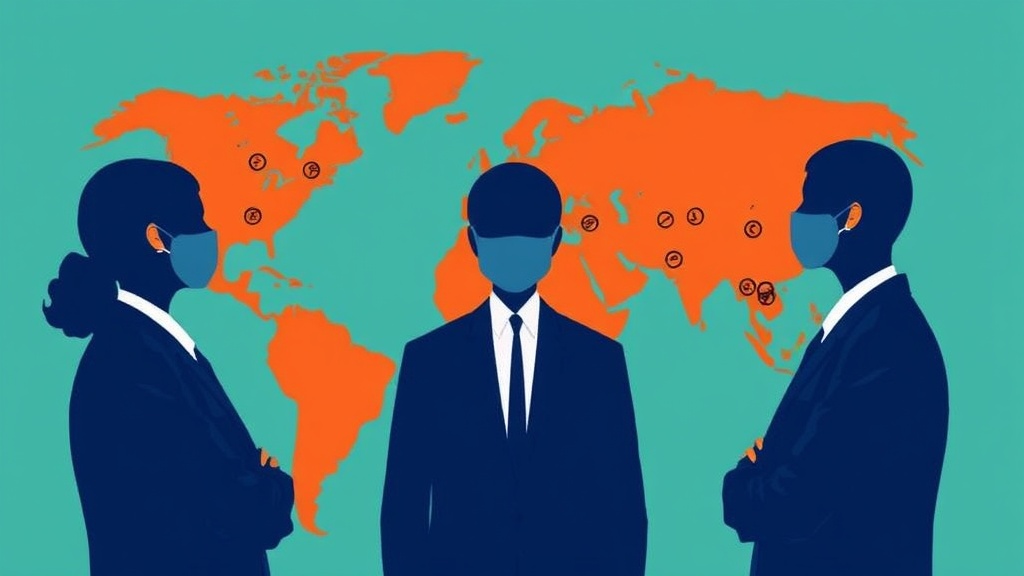
Looking ahead, the CDC faces an increasingly complex landscape of public health threats, many of which are interconnected and novel. Climate change, for instance, is not just an environmental issue but a burgeoning public health crisis. The CDC has identified several key areas of impact: increased heat-related illnesses and deaths, worsening air quality, changes in vector-borne disease patterns (e.g., expansion of mosquito and tick ranges due to warmer temperatures), and impacts on mental health and food security. The agency's "Climate and Health Program" is already tracking these trends, with data showing, for example, a rise in Lyme disease cases in new geographic areas. Predictive modeling for disease outbreaks tied to environmental shifts will become a critical component of the CDC's future work.
The specter of future pandemics also looms large. While COVID-19 offered stark lessons, the next pathogen could be entirely different. The CDC is investing in genomic surveillance, rapid diagnostic development, and strengthening global health security partnerships to detect and respond more quickly. The 2023 establishment of the Center for Forecasting and Outbreak Analytics (CFA) within the CDC aims to harness data science and artificial intelligence to better predict and mitigate disease threats, moving from reactive responses to proactive anticipation.
Furthermore, emerging technologies, including artificial intelligence (AI), present both opportunities and ethical challenges. AI can accelerate drug discovery, analyze vast datasets for outbreak detection, and personalize health interventions. However, the use of AI in public health also raises questions about data privacy, algorithmic bias, and the potential for misinformation amplification. The CDC will need to navigate these complex ethical terrains, ensuring that technological advancements serve public good while upholding individual rights and equity.
Conclusion
The CDC's journey through public health history is a rich tapestry woven with scientific breakthroughs, humanistic endeavors, ethical quandaries, and persistent mysteries. From the egregious errors of the Tuskegee Study to the ongoing battle with complex conditions like ME/CFS, and the relentless fight against infectious diseases, the agency's past offers invaluable lessons. These lessons underscore the critical importance of ethical oversight, transparent communication, and adaptable scientific inquiry.
For the American public, understanding the CDC's role—its successes and its failures—is not just an academic exercise. It informs our trust in public health institutions, shapes our health behaviors, and prepares us for the challenges ahead. As new diseases emerge, environmental threats intensify, and technology rapidly evolves, a well-informed populace, coupled with a resilient and trustworthy CDC, will be essential for navigating the complex public health landscape of the 21st century. Engage with official health guidance, question critically, and remember that public health is a shared responsibility—it's a collective endeavor that requires both scientific rigor and community trust to succeed.
Free Investing Tools
Frequently Asked Questions
When Public Health Clashes with Public Trust: The Tuskegee Syphilis Study and Beyond
One of the most indelible stains on American public health research, and a critical moment for understanding the CDC's complex legacy, is the Tuskegee Syphilis Study. From 1932 to 1972, the U.S. Public Health Service, an agency that would later become intertwined with the CDC, observed 399 African American men with syphilis in Macon County, Alabama, without providing them with effective treatment, even after penicillin became widely available in the 1940s. The stated purpose was to observe the natural history of untreated syphilis. Participants were not given informed consent; instead, they were misled into believing they were receiving free health care for "bad blood."
The CDC inherited the legacy of the Public Health Service and, by extension, the fallout from Tuskegee. While the study began before the CDC's formal establishment in 1946 (as the Communicable Disease Center), its revelations in 1972 profoundly impacted the agency's credibility, especially within Black communities. This single event led directly to the creation of the National Research Act of 1974 and the establishment of institutional review boards (IRBs), fundamentally changing how human subjects research is conducted in the U.S. and requiring informed consent. The long-term damage, however, extended beyond policy, fostering a deep-seated mistrust in government health initiatives that persists today, evident in vaccine hesitancy debates and health disparities. For example, a 2016 study published in the Journal of Health Economics by Alsan and Wanamaker quantified the impact, finding that the Tuskegee experiment "explains 35% of the 1980 black-white gap in male life expectancy." This demonstrates how historical controversies cast long shadows over present-day public health outcomes.
Investigating Unexplained Illnesses: The Chronic Fatigue Syndrome Enigma
Beyond ethical missteps, the CDC has frequently found itself at the forefront of investigating baffling medical mysteries, sometimes with contentious results. One such enduring enigma is Chronic Fatigue Syndrome (CFS), also known as Myalgic Encephalomyelitis (ME/CFS). First recognized by the CDC in 1988, this complex, debilitating condition is characterized by profound fatigue that isn't improved by rest, post-exertional malaise, cognitive dysfunction, and other symptoms.
Early on, the CDC's approach to ME/CFS was criticized by patient advocacy groups and some medical professionals for seemingly downplaying the severity of the illness or suggesting psychological origins. For instance, the CDC's 1994 definition of CFS, while helpful for research, was seen by many patients as overly restrictive and not fully capturing the multisystemic nature of the disease. Moreover, the agency's funding for ME/CFS research historically lagged behind that of other chronic conditions. A 2015 report by the National Academy of Medicine (now the National Academies of Sciences, Engineering, and Medicine) highlighted the ongoing challenges, recommending a new name (Systemic Exertion Intolerance Disease or SEID) and updated diagnostic criteria to better reflect the illness's biological basis and reduce stigma. The report emphasized that "ME/CFS is a serious, chronic, complex, multisystem disease that often can profoundly affect the lives of patients."
Despite decades of research, the exact cause of ME/CFS remains unknown, with theories ranging from viral triggers (like Epstein-Barr virus or enteroviruses) to immune dysfunction and genetic predispositions. The CDC continues to track the illness, provide educational resources, and support research, yet the slow progress in identifying biomarkers or effective treatments for an estimated 836,000 to 2.5 million Americans living with ME/CFS underscores the persistent challenges in unraveling complex medical mysteries, even for an agency with vast scientific resources.
The Public's Role: How CDC Communications Affect Daily Lives
The CDC's pronouncements and guidelines directly influence the daily decisions of millions of Americans, from vaccination schedules to food safety practices and emergency preparedness. Therefore, the clarity, consistency, and trustworthiness of its communication are paramount. During public health crises, conflicting messages or perceived reversals can erode public confidence, with tangible consequences.
Consider the early days of the COVID-19 pandemic. Initial guidance from the CDC regarding mask-wearing, for instance, evolved. In February 2020, the CDC recommended against widespread mask-wearing for the general public, primarily to preserve N95 masks for healthcare workers and due to initial uncertainties about asymptomatic transmission. However, by April 2020, as evidence mounted about airborne transmission and the role of asymptomatic carriers, the CDC reversed its stance, recommending cloth face coverings. This shift, while scientifically justified by new data, created confusion and fueled skepticism among some segments of the population. Polling data from sources like the Pew Research Center consistently showed that public trust in government health agencies, including the CDC, fluctuated significantly throughout the pandemic, often correlated with changing guidelines. A 2021 Pew study revealed that only 65% of Americans had a "great deal" or "fair amount" of trust in the CDC, down from 80% in April 2020.
For readers, understanding the dynamic nature of scientific knowledge is key. Public health recommendations are often provisional, based on the best available evidence at a given time, and subject to change as new data emerges. This means staying informed from reputable sources like the CDC itself, but also understanding that scientific consensus evolves. When guidelines shift, it's not necessarily a sign of incompetence but often a reflection of the scientific process at work. The CDC's website (cdc.gov) remains a primary resource for evidence-based information on diseases, vaccinations, travel health, and emergency preparedness. Checking for updates and understanding the context behind evolving recommendations empowers individuals to make informed health decisions.
Navigating Future Unknowns: Climate Change, Pandemics, and AI
Looking ahead, the CDC faces an increasingly complex landscape of public health threats, many of which are interconnected and novel. Climate change, for instance, is not just an environmental issue but a burgeoning public health crisis. The CDC has identified several key areas of impact: increased heat-related illnesses and deaths, worsening air quality, changes in vector-borne disease patterns (e.g., expansion of mosquito and tick ranges due to warmer temperatures), and impacts on mental health and food security. The agency's "Climate and Health Program" is already tracking these trends, with data showing, for example, a rise in Lyme disease cases in new geographic areas. Predictive modeling for disease outbreaks tied to environmental shifts will become a critical component of the CDC's future work.
The specter of future pandemics also looms large. While COVID-19 offered stark lessons, the next pathogen could be entirely different. The CDC is investing in genomic surveillance, rapid diagnostic development, and strengthening global health security partnerships to detect and respond more quickly. The 2023 establishment of the Center for Forecasting and Outbreak Analytics (CFA) within the CDC aims to harness data science and artificial intelligence to better predict and mitigate disease threats, moving from reactive responses to proactive anticipation.
Furthermore, emerging technologies, including artificial intelligence (AI), present both opportunities and ethical challenges. AI can accelerate drug discovery, analyze vast datasets for outbreak detection, and personalize health interventions. However, the use of AI in public health also raises questions about data privacy, algorithmic bias, and the potential for misinformation amplification. The CDC will need to navigate these complex ethical terrains, ensuring that technological advancements serve public good while upholding individual rights and equity.
Conclusion
The CDC's journey through public health history is a rich tapestry woven with scientific breakthroughs, humanistic endeavors, ethical quandaries, and persistent mysteries. From the egregious errors of the Tuskegee Study to the ongoing battle with complex conditions like ME/CFS, and the relentless fight against infectious diseases, the agency's past offers invaluable lessons. These lessons underscore the critical importance of ethical oversight, transparent communication, and adaptable scientific inquiry.
For the American public, understanding the CDC's role—its successes and its failures—is not just an academic exercise. It informs our trust in public health institutions, shapes our health behaviors, and prepares us for the challenges ahead. As new diseases emerge, environmental threats intensify, and technology rapidly evolves, a well-informed populace, coupled with a resilient and trustworthy CDC, will be essential for navigating the complex public health landscape of the 21st century. Engage with official health guidance, question critically, and remember that public health is a shared responsibility—it's a collective endeavor that requires both scientific rigor and community trust to succeed.
About Zeebrain Editorial
Zeebrain publishes independent analysis of markets, investing, personal finance, and business. We disclose affiliate relationships, never accept payment for coverage, and fact-check all claims against primary sources. Read our editorial policy →
How this article was produced: Zeebrain articles are created with AI assistance from primary sources (including cited videos and market data) and reviewed under our editorial standards before publication. Spot an error? Tell us and we will correct it.
More from History & Mysteries




Related Guides
Keep exploring this topic
Explore More Categories
Keep browsing by topic and build depth around the subjects you care about most.