The Curious Case of Daylight Saving: Why Do We Still Change the Clocks in 2026?

Quick Summary
The Curious Case of Daylight Saving: Why Do We Still Change the Clocks in 2026? As the leaves change and temperatures drop, millions of Americans brace themselves not just for...
In This Article
The Curious Case of Daylight Saving: Why Do We Still Change the Clocks in 2026?
As the leaves change and temperatures drop, millions of Americans brace themselves not just for winter, but for the twice-yearly ritual of daylight saving time (DST). In 2026, despite decades of debate, mounting scientific evidence against its benefits, and widespread public disdain, the clocks will still "spring forward" and "fall back," disrupting sleep, productivity, and even public health. Why does this antiquated practice persist, and what's truly behind the inertia keeping us tied to a time-shifting tradition?

The Baffling Persistence of Time Travel: A Look at DST's Enduring Legacy
The idea of adjusting clocks to maximize daylight isn't new; Benjamin Franklin toyed with it in the 18th century. However, modern DST, as we know it, gained traction during World War I, primarily as an energy-saving measure. The notion was simple: shift an hour of daylight from the morning to the evening, theoretically reducing the need for artificial lighting. Germany was the first nation to adopt it in 1916, with the United States following suit in 1918. After a brief repeal, it was reinstated nationally during World War II, known as "War Time."
Post-war, the lack of uniform adoption across states created a chaotic patchwork of time zones, leading to the federal Uniform Time Act of 1966. This act standardized the beginning and end dates of DST across the country, though it still allowed states to opt out (Hawaii and most of Arizona famously don't observe it). The Energy Policy Act of 2005 further extended DST by four weeks, a change championed by industries like retail and recreation, which saw increased evening daylight as a boon for business.
Despite these historical justifications, modern research consistently challenges the supposed benefits. A 2007 study by the National Bureau of Economic Research, analyzing electricity consumption in Indiana, found that DST increased residential electricity demand by 1% overall, primarily due to greater use of heating and air conditioning in the extended evening hours. This directly contradicts the foundational energy-saving premise. More recent analyses from states like California have echoed these findings, demonstrating a negligible, if not negative, impact on energy consumption. The promise of energy savings, once DST's primary justification, has largely evaporated under scrutiny.
The Hidden Costs of Clock Changes: Sleep, Health, and Economic Disruptions
While the energy argument falters, the health and economic costs associated with DST are increasingly well-documented. The abrupt shift, even by a single hour, profoundly impacts human circadian rhythms. Dr. Beth Malow, a professor of neurology and pediatrics at Vanderbilt University Medical Center and director of the Vanderbilt Sleep Disorders Division, frequently highlights the disruptive effects. "Our bodies are wired to a 24-hour cycle," she explains. "Even a one-hour shift can take days or weeks for some people to fully adjust, leading to sleep deprivation and impaired cognitive function."
The "spring forward" shift, in particular, has been linked to concerning upticks in health incidents. A 2014 study in the journal Sleep Medicine found a 24% increase in heart attacks on the Monday following the spring time change. Similarly, a 2018 study published in Current Biology observed a 6% increase in fatal car accidents in the week after springing forward. These are not minor inconveniences; they represent tangible public health risks. Mental health is also affected, with some studies showing a rise in depressive episodes following the autumn time change, as reduced evening daylight can exacerbate Seasonal Affective Disorder.

Economically, the impact is harder to quantify but no less significant. Productivity losses due to sleep deprivation are substantial. A 2012 study by JPMorgan Chase found a 2.3% decrease in economic activity following the spring forward, attributed to decreased productivity and consumer spending. Industries reliant on precise scheduling, like aviation and logistics, face logistical complexities and potential errors during the time shifts. While specific industries like golf courses and barbecue suppliers might see a marginal benefit from extended evening daylight, these gains are often dwarfed by the broader societal costs.
Navigating the Time Warp: Practical Tips for a Smoother Transition
For the foreseeable future, Americans must continue to adapt to DST. While the debate rages, individuals can take proactive steps to mitigate the disruptive effects of the clock changes. Sleep experts recommend preparing gradually, especially for the "spring forward" transition.
- Adjust Gradually: A few days before the time change, try shifting your bedtime and wake-up time by 15-20 minutes earlier each day. This helps your body ease into the new schedule.
- Prioritize Sleep Hygiene: Maintain a consistent sleep schedule (even on weekends), ensure your bedroom is dark and cool, and avoid screens before bed. These practices are always important, but especially crucial during DST transitions.
- Embrace Morning Light: Exposure to natural light shortly after waking helps reset your body's internal clock. Step outside, open curtains, or use a light therapy lamp.
- Stay Hydrated and Exercise: Regular physical activity can improve sleep quality, but avoid strenuous workouts too close to bedtime.
- Be Mindful of Driving: Statistics show increased accident rates after the spring forward. Be extra vigilant on the roads, especially during the first week.
- Verify Appointments: For those working across time zones or with international clients, double-check meeting times immediately following the change, as some systems may not update uniformly.
For parents, adjusting children's schedules can be particularly challenging. Shifting meal times and bedtimes gradually over several days can help minimize meltdowns and sleep resistance.
The Push for Permanent Time: What to Expect in the Coming Years
Despite the ongoing clock changes, the movement to abolish DST, or rather, to make one time permanent, is gaining significant momentum. The "Sunshine Protection Act," aiming to make DST permanent nationwide, passed the Senate unanimously in March 2022 but stalled in the House. Proponents argue that making DST permanent would eliminate the health risks and economic disruptions of the twice-yearly shifts, allowing for more evening daylight year-round.
Free Weekly Newsletter
Enjoying this guide?
Get the best articles like this one delivered to your inbox every week. No spam.
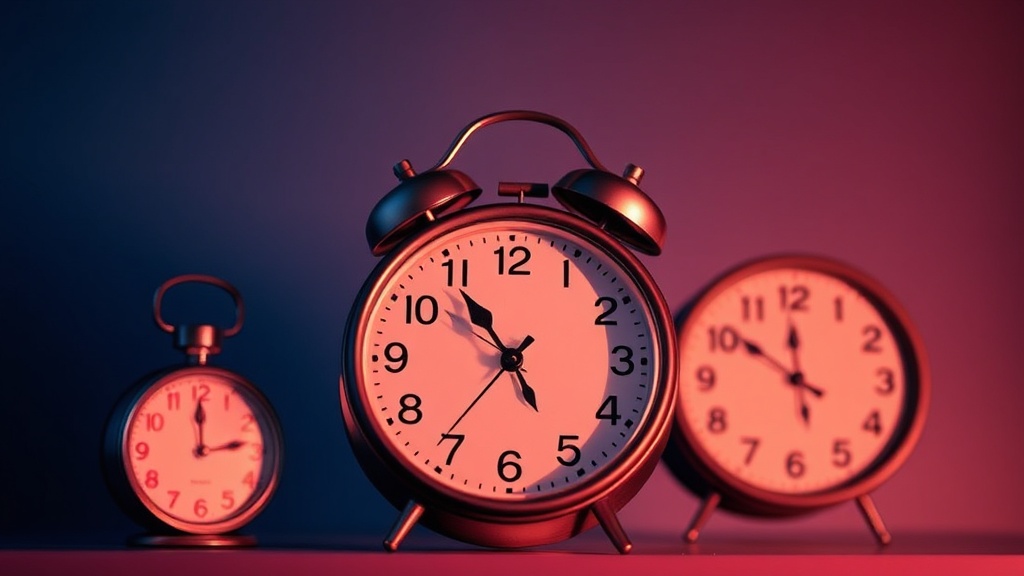
However, the debate isn't simply about ending DST; it's about which time to make permanent. A significant faction advocates for permanent Standard Time. This aligns more closely with our natural circadian rhythms, as morning light is crucial for setting our internal clock. Permanent DST, while offering longer evenings, would mean darker winter mornings, particularly for those in the western parts of time zones. Imagine children waiting for school buses in pitch darkness until 8 or 9 AM in January. This trade-off is a major sticking point, and it's why the House has been hesitant to pass the Sunshine Protection Act without further deliberation.
As of 2026, over 30 states have introduced legislation to end the practice, and some, like Florida and California, have even passed laws contingent on federal approval to make DST permanent. The Uniform Time Act of 1966 requires federal approval for states to permanently adopt DST, but states can opt out of DST and stay on permanent Standard Time (as Arizona and Hawaii do).
The scientific community, particularly sleep medicine professionals, overwhelmingly supports permanent Standard Time, citing the health benefits of aligning with natural light cycles. Public opinion, while consistently favoring an end to the clock changes, is split on which time to adopt permanently. A 2023 AP-NORC poll found 67% of Americans want to stop changing the clocks, but only 33% favored making DST permanent, while 28% preferred permanent Standard Time, and the rest were unsure. This lack of consensus, combined with the complexities of federal legislation and lobbying from various interest groups, explains why this "curious case" remains unresolved.
The Clock is Ticking: It's Time for a Unified Solution
In 2026, the curious case of daylight saving persists, a testament to legislative inertia and the difficulty of finding a nationally agreeable solution. The scientific evidence against its benefits is clear, and the societal costs in terms of health, safety, and productivity are well-documented. While individuals can learn to cope, the larger issue demands a unified federal approach.
The debate is no longer about whether to stop changing the clocks, but how. Whether permanent DST or permanent Standard Time ultimately prevails, the goal must be to prioritize public health and well-being over outdated justifications. As citizens, our continued advocacy to our representatives, highlighting the tangible impacts of these time shifts, is crucial. The time for a definitive resolution to this century-old practice is long overdue. Let's hope that in the not-too-distant future, the clocks will finally be allowed to rest.
Frequently Asked Questions
The Baffling Persistence of Time Travel: A Look at DST's Enduring Legacy
The idea of adjusting clocks to maximize daylight isn't new; Benjamin Franklin toyed with it in the 18th century. However, modern DST, as we know it, gained traction during World War I, primarily as an energy-saving measure. The notion was simple: shift an hour of daylight from the morning to the evening, theoretically reducing the need for artificial lighting. Germany was the first nation to adopt it in 1916, with the United States following suit in 1918. After a brief repeal, it was reinstated nationally during World War II, known as "War Time."
Post-war, the lack of uniform adoption across states created a chaotic patchwork of time zones, leading to the federal Uniform Time Act of 1966. This act standardized the beginning and end dates of DST across the country, though it still allowed states to opt out (Hawaii and most of Arizona famously don't observe it). The Energy Policy Act of 2005 further extended DST by four weeks, a change championed by industries like retail and recreation, which saw increased evening daylight as a boon for business.
Despite these historical justifications, modern research consistently challenges the supposed benefits. A 2007 study by the National Bureau of Economic Research, analyzing electricity consumption in Indiana, found that DST increased residential electricity demand by 1% overall, primarily due to greater use of heating and air conditioning in the extended evening hours. This directly contradicts the foundational energy-saving premise. More recent analyses from states like California have echoed these findings, demonstrating a negligible, if not negative, impact on energy consumption. The promise of energy savings, once DST's primary justification, has largely evaporated under scrutiny.
The Hidden Costs of Clock Changes: Sleep, Health, and Economic Disruptions
While the energy argument falters, the health and economic costs associated with DST are increasingly well-documented. The abrupt shift, even by a single hour, profoundly impacts human circadian rhythms. Dr. Beth Malow, a professor of neurology and pediatrics at Vanderbilt University Medical Center and director of the Vanderbilt Sleep Disorders Division, frequently highlights the disruptive effects. "Our bodies are wired to a 24-hour cycle," she explains. "Even a one-hour shift can take days or weeks for some people to fully adjust, leading to sleep deprivation and impaired cognitive function."
The "spring forward" shift, in particular, has been linked to concerning upticks in health incidents. A 2014 study in the journal Sleep Medicine found a 24% increase in heart attacks on the Monday following the spring time change. Similarly, a 2018 study published in Current Biology observed a 6% increase in fatal car accidents in the week after springing forward. These are not minor inconveniences; they represent tangible public health risks. Mental health is also affected, with some studies showing a rise in depressive episodes following the autumn time change, as reduced evening daylight can exacerbate Seasonal Affective Disorder.
Economically, the impact is harder to quantify but no less significant. Productivity losses due to sleep deprivation are substantial. A 2012 study by JPMorgan Chase found a 2.3% decrease in economic activity following the spring forward, attributed to decreased productivity and consumer spending. Industries reliant on precise scheduling, like aviation and logistics, face logistical complexities and potential errors during the time shifts. While specific industries like golf courses and barbecue suppliers might see a marginal benefit from extended evening daylight, these gains are often dwarfed by the broader societal costs.
Navigating the Time Warp: Practical Tips for a Smoother Transition
For the foreseeable future, Americans must continue to adapt to DST. While the debate rages, individuals can take proactive steps to mitigate the disruptive effects of the clock changes. Sleep experts recommend preparing gradually, especially for the "spring forward" transition.
- Adjust Gradually: A few days before the time change, try shifting your bedtime and wake-up time by 15-20 minutes earlier each day. This helps your body ease into the new schedule.
- Prioritize Sleep Hygiene: Maintain a consistent sleep schedule (even on weekends), ensure your bedroom is dark and cool, and avoid screens before bed. These practices are always important, but especially crucial during DST transitions.
- Embrace Morning Light: Exposure to natural light shortly after waking helps reset your body's internal clock. Step outside, open curtains, or use a light therapy lamp.
- Stay Hydrated and Exercise: Regular physical activity can improve sleep quality, but avoid strenuous workouts too close to bedtime.
- Be Mindful of Driving: Statistics show increased accident rates after the spring forward. Be extra vigilant on the roads, especially during the first week.
- Verify Appointments: For those working across time zones or with international clients, double-check meeting times immediately following the change, as some systems may not update uniformly.
For parents, adjusting children's schedules can be particularly challenging. Shifting meal times and bedtimes gradually over several days can help minimize meltdowns and sleep resistance.
The Push for Permanent Time: What to Expect in the Coming Years
Despite the ongoing clock changes, the movement to abolish DST, or rather, to make one time permanent, is gaining significant momentum. The "Sunshine Protection Act," aiming to make DST permanent nationwide, passed the Senate unanimously in March 2022 but stalled in the House. Proponents argue that making DST permanent would eliminate the health risks and economic disruptions of the twice-yearly shifts, allowing for more evening daylight year-round.
However, the debate isn't simply about ending DST; it's about which time to make permanent. A significant faction advocates for permanent Standard Time. This aligns more closely with our natural circadian rhythms, as morning light is crucial for setting our internal clock. Permanent DST, while offering longer evenings, would mean darker winter mornings, particularly for those in the western parts of time zones. Imagine children waiting for school buses in pitch darkness until 8 or 9 AM in January. This trade-off is a major sticking point, and it's why the House has been hesitant to pass the Sunshine Protection Act without further deliberation.
As of 2026, over 30 states have introduced legislation to end the practice, and some, like Florida and California, have even passed laws contingent on federal approval to make DST permanent. The Uniform Time Act of 1966 requires federal approval for states to permanently adopt DST, but states can opt out of DST and stay on permanent Standard Time (as Arizona and Hawaii do).
The scientific community, particularly sleep medicine professionals, overwhelmingly supports permanent Standard Time, citing the health benefits of aligning with natural light cycles. Public opinion, while consistently favoring an end to the clock changes, is split on which time to adopt permanently. A 2023 AP-NORC poll found 67% of Americans want to stop changing the clocks, but only 33% favored making DST permanent, while 28% preferred permanent Standard Time, and the rest were unsure. This lack of consensus, combined with the complexities of federal legislation and lobbying from various interest groups, explains why this "curious case" remains unresolved.
The Clock is Ticking: It's Time for a Unified Solution
In 2026, the curious case of daylight saving persists, a testament to legislative inertia and the difficulty of finding a nationally agreeable solution. The scientific evidence against its benefits is clear, and the societal costs in terms of health, safety, and productivity are well-documented. While individuals can learn to cope, the larger issue demands a unified federal approach.
The debate is no longer about whether to stop changing the clocks, but how. Whether permanent DST or permanent Standard Time ultimately prevails, the goal must be to prioritize public health and well-being over outdated justifications. As citizens, our continued advocacy to our representatives, highlighting the tangible impacts of these time shifts, is crucial. The time for a definitive resolution to this century-old practice is long overdue. Let's hope that in the not-too-distant future, the clocks will finally be allowed to rest.
About Zeebrain Editorial
Zeebrain publishes independent analysis of markets, investing, personal finance, and business. We disclose affiliate relationships, never accept payment for coverage, and fact-check all claims against primary sources. Read our editorial policy →
More from Curiosities




Related Guides
Keep exploring this topic
Explore More Categories
Keep browsing by topic and build depth around the subjects you care about most.