
St. Patrick's Day parades
In This Article
St. Patrick's Day Parades: Your Ultimate Guide to Emerald Celebrations Across the U.S.
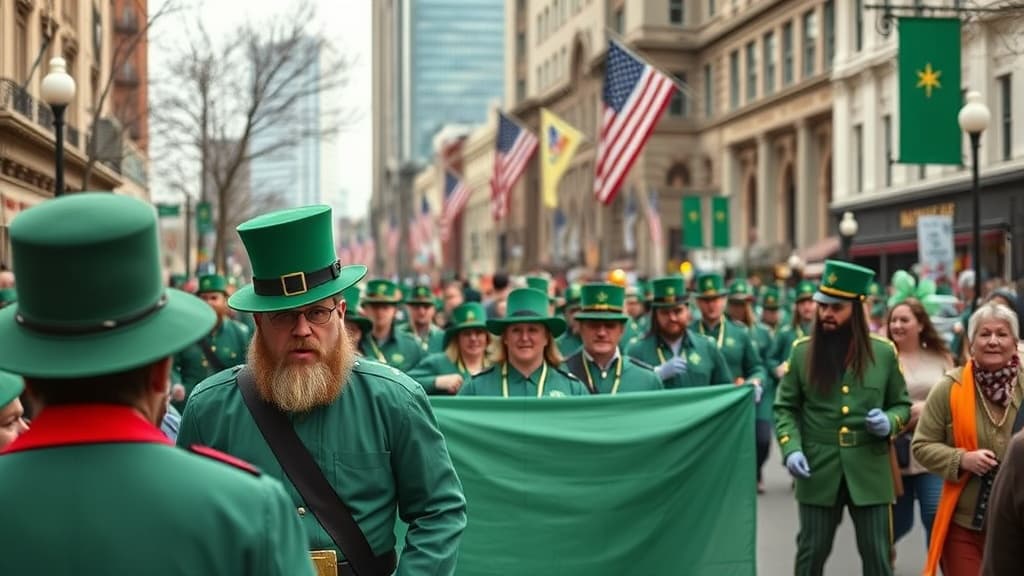
As winter’s chill begins to recede, a vibrant wave of emerald green sweeps across the United States, signaling the imminent arrival of St. Patrick’s Day. For millions, March 17th isn't just a date; it's an occasion for joyous parades, cultural celebration, and a hearty dose of Irish spirit. From towering floats to marching bands and kilted dancers, these parades are more than just spectacles—they are living tapestries of history, community, and evolving traditions that offer unique travel experiences for every kind of reveler.

Where to Find the Most Authentic St. Patrick's Day Parade Experience
When planning your St. Patrick's Day travel, understanding the rich diversity and historical weight of American parades is key. While many cities host celebrations, some stand out for their scale, history, and the sheer authenticity of their festivities. Did you know that the very first St. Patrick's Day parade in North America didn't happen in a major metropolis, but in St. Augustine, Florida, way back in 1601? Though sporadic, this early Spanish colonial observance predates Boston’s first parade in 1737 and New York City’s inaugural march in 1762. This historical depth underscores that the tradition is deeply woven into the fabric of American identity, not merely a recent import.
Today, New York City undoubtedly boasts the largest and oldest continuous St. Patrick's Day Parade, attracting over two million spectators annually and featuring upwards of 150,000 marchers along Fifth Avenue. This isn't just a parade; it's a solemn procession that emphasizes Irish heritage and Catholic faith, notably excluding overtly commercial floats. Boston, with its deep Irish roots, offers another historically significant parade in South Boston, renowned for its strong community participation and a route that winds through the heart of one of America's most Irish neighborhoods. Similarly, Philadelphia's parade, dating back to 1771, balances tradition with vibrant contemporary participation.
Beyond the East Coast giants, Chicago offers a truly unique spectacle with its annual dyeing of the Chicago River a brilliant emerald green, a tradition started by a union of plumbers in 1962. This iconic visual event kicks off a day of festivities, culminating in a parade that draws nearly a million people. New Orleans brings its own unique flavor to the celebrations, with multiple parades including the raucous Metairie parade and the more traditional Downtown Irish Club parade, featuring marching groups who hand out flowers, beads, and even vegetables to spectators. These varied approaches highlight that while the core theme is Irish heritage, each city infuses its own local character, offering distinct reasons to visit. Data from local tourism boards often shows significant economic boosts, with NYC estimating over $300 million in economic impact from its parade and associated tourism.
The Evolution of St. Patrick's Day Parades: More Than Just Green Beer
St. Patrick's Day parades in the U.S. have undergone a fascinating transformation, evolving from humble religious processions to massive cultural showcases. Originally, these parades served as powerful expressions of Irish American identity, particularly during periods of discrimination against Irish immigrants in the 19th and early 20th centuries. Marching proudly in their numbers was a way to assert their presence and celebrate their heritage in a new land. This historical context is vital for understanding why certain traditions persist. For instance, the enduring presence of various Irish societies, benevolent organizations, and veteran groups at the forefront of parades in cities like New York and Boston speaks to this foundational role.
Continue Reading
Related Guides
Keep exploring this topic
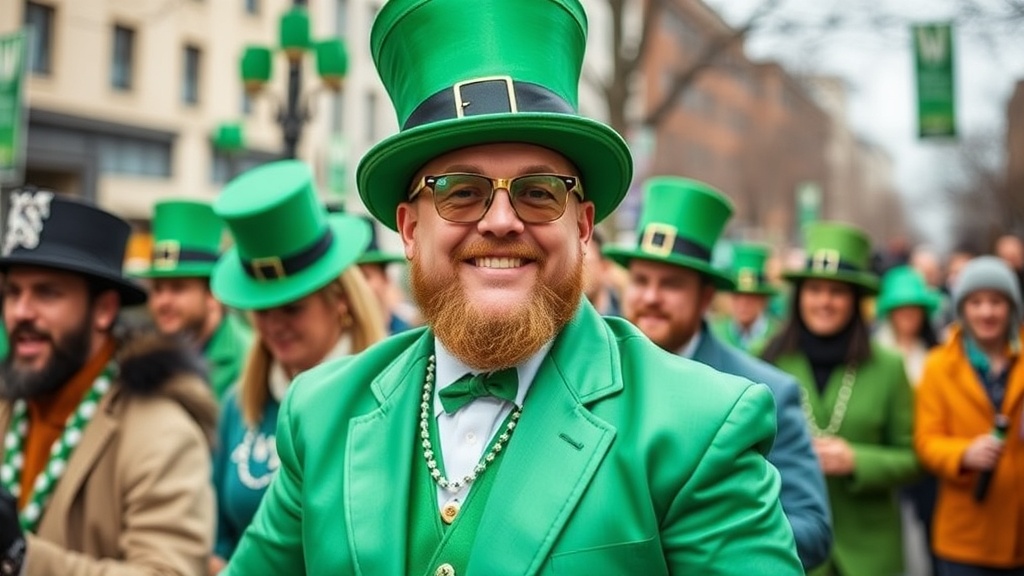
In recent decades, the inclusivity of these parades has become a significant talking point and a symbol of their ongoing evolution. For years, LGBTQ+ groups faced exclusion from some of the most prominent parades, particularly New York City’s and Boston’s. After decades of protests and legal battles, a landmark decision in 2014 saw the lifting of the ban in New York, followed by Boston in 2015. This shift profoundly altered the character of these events, broadening their appeal and reflecting a more modern understanding of Irish American identity—one that embraces diversity while honoring tradition. This move, while initially controversial among some traditionalists, ultimately strengthened the parades by making them more representative of the diverse communities they serve. This trend towards greater inclusivity is now a hallmark for many parades, with organizers actively seeking to represent various facets of local communities while keeping the core Irish spirit alive. Expert cultural historians suggest this evolution is essential for the longevity and relevance of these long-standing traditions, ensuring they resonate with new generations of Americans who may not have direct Irish ancestry but wish to partake in the cultural celebration.
Planning Your St. Patrick's Day Parade Trip: Essential Tips for Travelers
For anyone considering traveling to experience a St. Patrick's Day parade, practical planning is paramount to a memorable experience. First and foremost, book accommodations and transportation well in advance. Hotels in major parade cities like New York, Boston, Chicago, and Savannah fill up rapidly and prices surge significantly in the weeks leading up to March 17th. Consider staying slightly outside the immediate parade route area and using public transport, which is often the most efficient way to navigate crowds. Websites like Booking.com or Expedia typically show booking rates spike by 15-30% for these dates in popular cities.
Arrive early to secure a good viewing spot. For major parades, people often start staking out prime locations hours before the start time, especially along key stretches like Fifth Avenue in NYC or Columbus Drive in Chicago. Bring portable chairs, snacks, and water, as facilities may be limited along the route. Dress appropriately for the weather and, of course, wear green! March weather can be unpredictable across the U.S., so layers are always a good idea. Many cities also host official pre- and post-parade events, ranging from traditional Irish music sessions (céilís) in pubs to family-friendly festivals. Researching these local offerings can enrich your trip beyond just the parade itself. Websites for city tourism boards (e.g., NYC & Company, Choose Chicago, Discover Boston) are invaluable resources for official schedules, parade routes, and recommended activities. For instance, Savannah, Georgia, known for its charming historic district and lively parade, suggests visitors explore its squares and riverfront festivities, which often extend beyond the parade day itself.
The Future of St. Patrick's Day Parades: Sustaining Tradition in a Digital Age
As we look to the future, St. Patrick's Day parades face the exciting challenge of maintaining their relevance and appeal in an increasingly digital and globalized world. One key trend is the integration of technology to enhance the spectator experience. Many major parades now offer live streaming online, allowing those who can't attend in person to participate virtually. Social media plays a massive role, with attendees sharing their experiences in real-time using dedicated hashtags, amplifying the reach of the celebration. Data from platforms like Twitter and Instagram show millions of engagements related to #StPatricksDay and #IrishParade each year, indicating a massive digital footprint.
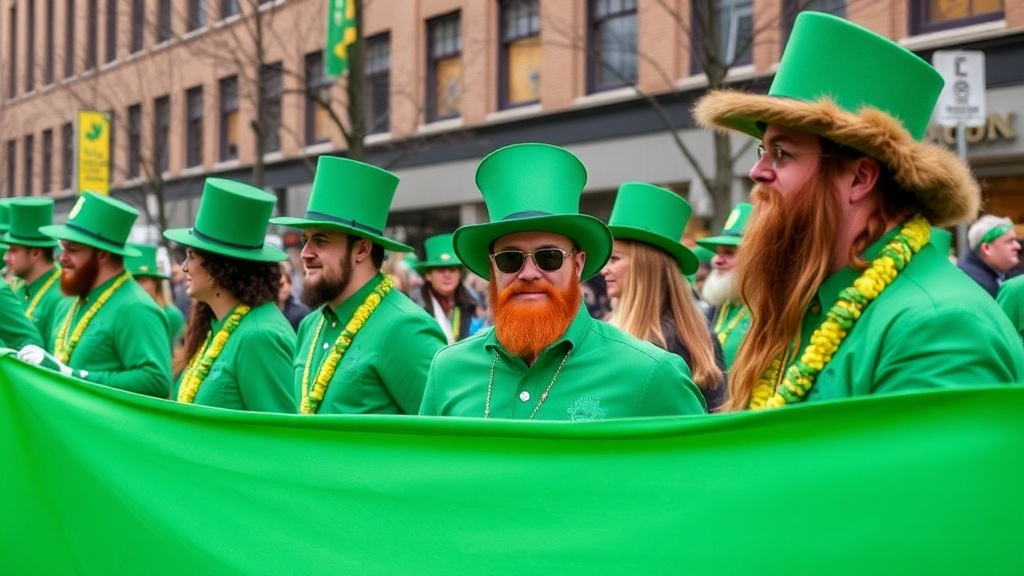
Another emerging development is the continued emphasis on cultural authenticity and education. While the "party" aspect is undeniable, organizers are increasingly keen on highlighting the historical significance of St. Patrick and Irish heritage. This includes featuring more traditional Irish music, dance (like champion Irish step dancers), and historical reenactment groups. Educational initiatives, sometimes in partnership with local Irish cultural centers, help ensure that younger generations understand the "why" behind the celebration, not just the "what." This commitment to preserving the cultural essence while embracing modern forms of engagement is crucial for the parades' longevity. We might also see more personalized, immersive experiences, perhaps through augmented reality apps that provide historical context as you watch a float pass by, or enhanced interactive elements for spectators. The future of St. Patrick's Day parades will likely see them as even more dynamic events, balancing centuries-old traditions with cutting-edge engagement, ensuring they remain cherished annual spectacles for generations to come.
Conclusion: Embrace the Emerald Isle's Spirit
St. Patrick's Day parades across the U.S. offer a rich tapestry of history, community, and exuberant celebration. From New York’s solemn procession to Chicago’s dyed river and New Orleans’ unique revelry, each city offers a distinct way to experience the enduring spirit of the Emerald Isle. These parades are not just spectacles; they are living testaments to Irish American heritage, evolving with the times to embrace inclusivity while holding steadfast to tradition.
Whether you're a history buff, a party-goer, or simply looking for a vibrant cultural experience, there's a St. Patrick's Day parade awaiting your discovery. So, put on your green, plan your trip, and immerse yourself in one of America’s most beloved annual traditions. Don't just watch the parade—become a part of its ongoing story.
Frequently Asked Questions
Where to Find the Most Authentic St. Patrick's Day Parade Experience
When planning your St. Patrick's Day travel, understanding the rich diversity and historical weight of American parades is key. While many cities host celebrations, some stand out for their scale, history, and the sheer authenticity of their festivities. Did you know that the very first St. Patrick's Day parade in North America didn't happen in a major metropolis, but in St. Augustine, Florida, way back in 1601? Though sporadic, this early Spanish colonial observance predates Boston’s first parade in 1737 and New York City’s inaugural march in 1762. This historical depth underscores that the tradition is deeply woven into the fabric of American identity, not merely a recent import.
Today, New York City undoubtedly boasts the largest and oldest continuous St. Patrick's Day Parade, attracting over two million spectators annually and featuring upwards of 150,000 marchers along Fifth Avenue. This isn't just a parade; it's a solemn procession that emphasizes Irish heritage and Catholic faith, notably excluding overtly commercial floats. Boston, with its deep Irish roots, offers another historically significant parade in South Boston, renowned for its strong community participation and a route that winds through the heart of one of America's most Irish neighborhoods. Similarly, Philadelphia's parade, dating back to 1771, balances tradition with vibrant contemporary participation.
Beyond the East Coast giants, Chicago offers a truly unique spectacle with its annual dyeing of the Chicago River a brilliant emerald green, a tradition started by a union of plumbers in 1962. This iconic visual event kicks off a day of festivities, culminating in a parade that draws nearly a million people. New Orleans brings its own unique flavor to the celebrations, with multiple parades including the raucous Metairie parade and the more traditional Downtown Irish Club parade, featuring marching groups who hand out flowers, beads, and even vegetables to spectators. These varied approaches highlight that while the core theme is Irish heritage, each city infuses its own local character, offering distinct reasons to visit. Data from local tourism boards often shows significant economic boosts, with NYC estimating over $300 million in economic impact from its parade and associated tourism.
The Evolution of St. Patrick's Day Parades: More Than Just Green Beer
St. Patrick's Day parades in the U.S. have undergone a fascinating transformation, evolving from humble religious processions to massive cultural showcases. Originally, these parades served as powerful expressions of Irish American identity, particularly during periods of discrimination against Irish immigrants in the 19th and early 20th centuries. Marching proudly in their numbers was a way to assert their presence and celebrate their heritage in a new land. This historical context is vital for understanding why certain traditions persist. For instance, the enduring presence of various Irish societies, benevolent organizations, and veteran groups at the forefront of parades in cities like New York and Boston speaks to this foundational role.
In recent decades, the inclusivity of these parades has become a significant talking point and a symbol of their ongoing evolution. For years, LGBTQ+ groups faced exclusion from some of the most prominent parades, particularly New York City’s and Boston’s. After decades of protests and legal battles, a landmark decision in 2014 saw the lifting of the ban in New York, followed by Boston in 2015. This shift profoundly altered the character of these events, broadening their appeal and reflecting a more modern understanding of Irish American identity—one that embraces diversity while honoring tradition. This move, while initially controversial among some traditionalists, ultimately strengthened the parades by making them more representative of the diverse communities they serve. This trend towards greater inclusivity is now a hallmark for many parades, with organizers actively seeking to represent various facets of local communities while keeping the core Irish spirit alive. Expert cultural historians suggest this evolution is essential for the longevity and relevance of these long-standing traditions, ensuring they resonate with new generations of Americans who may not have direct Irish ancestry but wish to partake in the cultural celebration.
Planning Your St. Patrick's Day Parade Trip: Essential Tips for Travelers
For anyone considering traveling to experience a St. Patrick's Day parade, practical planning is paramount to a memorable experience. First and foremost, book accommodations and transportation well in advance. Hotels in major parade cities like New York, Boston, Chicago, and Savannah fill up rapidly and prices surge significantly in the weeks leading up to March 17th. Consider staying slightly outside the immediate parade route area and using public transport, which is often the most efficient way to navigate crowds. Websites like Booking.com or Expedia typically show booking rates spike by 15-30% for these dates in popular cities.
Arrive early to secure a good viewing spot. For major parades, people often start staking out prime locations hours before the start time, especially along key stretches like Fifth Avenue in NYC or Columbus Drive in Chicago. Bring portable chairs, snacks, and water, as facilities may be limited along the route. Dress appropriately for the weather and, of course, wear green! March weather can be unpredictable across the U.S., so layers are always a good idea. Many cities also host official pre- and post-parade events, ranging from traditional Irish music sessions (céilís) in pubs to family-friendly festivals. Researching these local offerings can enrich your trip beyond just the parade itself. Websites for city tourism boards (e.g., NYC & Company, Choose Chicago, Discover Boston) are invaluable resources for official schedules, parade routes, and recommended activities. For instance, Savannah, Georgia, known for its charming historic district and lively parade, suggests visitors explore its squares and riverfront festivities, which often extend beyond the parade day itself.
The Future of St. Patrick's Day Parades: Sustaining Tradition in a Digital Age
As we look to the future, St. Patrick's Day parades face the exciting challenge of maintaining their relevance and appeal in an increasingly digital and globalized world. One key trend is the integration of technology to enhance the spectator experience. Many major parades now offer live streaming online, allowing those who can't attend in person to participate virtually. Social media plays a massive role, with attendees sharing their experiences in real-time using dedicated hashtags, amplifying the reach of the celebration. Data from platforms like Twitter and Instagram show millions of engagements related to #StPatricksDay and #IrishParade each year, indicating a massive digital footprint.
Another emerging development is the continued emphasis on cultural authenticity and education. While the "party" aspect is undeniable, organizers are increasingly keen on highlighting the historical significance of St. Patrick and Irish heritage. This includes featuring more traditional Irish music, dance (like champion Irish step dancers), and historical reenactment groups. Educational initiatives, sometimes in partnership with local Irish cultural centers, help ensure that younger generations understand the "why" behind the celebration, not just the "what." This commitment to preserving the cultural essence while embracing modern forms of engagement is crucial for the parades' longevity. We might also see more personalized, immersive experiences, perhaps through augmented reality apps that provide historical context as you watch a float pass by, or enhanced interactive elements for spectators. The future of St. Patrick's Day parades will likely see them as even more dynamic events, balancing centuries-old traditions with cutting-edge engagement, ensuring they remain cherished annual spectacles for generations to come.
Conclusion: Embrace the Emerald Isle's Spirit
St. Patrick's Day parades across the U.S. offer a rich tapestry of history, community, and exuberant celebration. From New York’s solemn procession to Chicago’s dyed river and New Orleans’ unique revelry, each city offers a distinct way to experience the enduring spirit of the Emerald Isle. These parades are not just spectacles; they are living testaments to Irish American heritage, evolving with the times to embrace inclusivity while holding steadfast to tradition.
Whether you're a history buff, a party-goer, or simply looking for a vibrant cultural experience, there's a St. Patrick's Day parade awaiting your discovery. So, put on your green, plan your trip, and immerse yourself in one of America’s most beloved annual traditions. Don't just watch the parade—become a part of its ongoing story.
More from Travel & Places


Explore More Categories
Keep browsing by topic and build depth around the subjects you care about most.