Planning Your Escape: Affordable Housing Solutions & Hidden Gems for Remote Work Travel

Quick Summary
Planning Your Escape: Affordable Housing Solutions & Hidden Gems for Remote Work Travel Are you dreaming of ditching your permanent address for a life on the road, exploring new...
In This Article
Planning Your Escape: Affordable Housing Solutions & Hidden Gems for Remote Work Travel
Are you dreaming of ditching your permanent address for a life on the road, exploring new horizons while keeping your career intact? The rise of remote work has transformed this fantasy into a tangible reality for millions, yet the perception of "traveling" often conjures images of expensive hotels and unpredictable costs. This article will unveil how to navigate the complex landscape of affordable housing solutions, revealing hidden gems and practical strategies that make long-term remote work travel not just feasible, but genuinely sustainable, allowing you to discover America without breaking the bank.

The Remote Work Revolution: Why Affordable Housing is More Critical Than Ever
The pandemic-fueled surge in remote work isn,t just a passing trend; it's a fundamental shift in how we live and earn. According to a 2023 Gallup poll, 52% of remote-capable employees now work in a hybrid arrangement, and 30% are fully remote. This newfound flexibility has fueled a hunger for experiences beyond the daily commute, leading many to explore "digital nomadism" or "slow travel" within the U.S. However, the median rent for a one-bedroom apartment in major U.S. cities hovers around $1,500-$2,000, making traditional housing a significant barrier to long-term travel. The key to unlocking this lifestyle lies in mastering affordable housing solutions that blend flexibility with cost-efficiency, moving beyond typical Airbnbs and hotels to genuinely sustainable options. We'll delve into innovative approaches, from house sitting and co-living spaces to RV life and lesser-known extended-stay programs, providing concrete examples and data to empower your journey.
Unlocking Budget-Friendly Stays: Beyond the Airbnb Hype
While Airbnb revolutionized short-term rentals, long-term travel demands more creative and often significantly cheaper alternatives.
1. House Sitting for Free Accommodation: Imagine living in a comfortable home, often with pets to care for, in a new city or serene rural setting, entirely rent-free. House sitting platforms like TrustedHousesitters.com (annual membership around $129) and HouseCarers.com (annual membership around $50) connect homeowners with reliable sitters. The value here isn't just zero rent; it's access to fully equipped homes, often with utilities included, saving potentially thousands per month. For example, a house sitter could secure a three-month stay in a home in Asheville, NC, covering their internet and utilities, instead of paying the average $1,700/month for a one-bedroom in the city. The commitment involves caring for pets and maintaining the home, which for many remote workers, easily integrates into their schedule. Success requires a strong profile, positive reviews, and flexibility with locations and dates.
2. Co-Living Spaces: Community and Cost Savings: Co-living spaces are purpose-built accommodations designed for community living, often featuring private bedrooms with shared common areas like kitchens, living rooms, and workspaces. Companies like Common and Bungalow operate across major cities, offering furnished rooms for as low as $800-$1,200/month, significantly less than market-rate apartments, especially in cities like New York or San Francisco. The advantage extends beyond cost; utilities, Wi-Fi, and even cleaning services are typically included, eliminating separate bills. These spaces foster networking and social connections, crucial for remote workers who might otherwise feel isolated. For instance, a remote marketing specialist could live in a Common space in Chicago for $1,100/month, enjoying downtown access and built-in community, a substantial saving over the $1,900+ average for a studio.
3. Extended Stay Hotels and Aparthotels: Many hotel chains offer significantly discounted rates for stays of a week, a month, or longer. Brands like Extended Stay America, Homewood Suites by Hilton, and Residence Inn by Marriott provide suites with kitchenettes, free Wi-Fi, and often complimentary breakfast. While not as cheap as house sitting, they offer convenience and amenities, especially for shorter multi-week stays between other arrangements. A three-week stay at an Extended Stay America in a mid-sized city like Columbus, OH, might cost $800-$1,200, including all utilities and a small kitchen, providing a comfortable base for work and exploration without the commitment of a lease. Look for loyalty programs and corporate discounts which can further reduce costs.
4. RV Living: The Ultimate Mobile Home Office: For those embracing ultimate flexibility, an RV or van conversion offers a truly mobile office. The initial investment in an RV can range from $10,000 for a used trailer to $100,000+ for a new motorhome. However, ongoing costs – particularly fuel, campground fees, and maintenance – require careful budgeting. Boondocking (free camping on public lands) significantly cuts costs, with platforms like iOverlander and Campendium detailing free and low-cost campsites. A recent report from RVshare indicated that the average daily rental rate for an RV is around $150, but owning one reduces that cost over time. Many full-time RVers report monthly expenses, including campsites, fuel, and food, ranging from $1,500 to $3,000, which can be comparable to or less than traditional rent, depending on travel style. Imagine working from a national park in Utah one week and a beachside spot in Florida the next, all from your personalized mobile workspace.
Digging Deeper: Tapping into Undiscovered Locales and Programs
Beyond specific housing types, the choice of location dramatically impacts affordability and lifestyle.
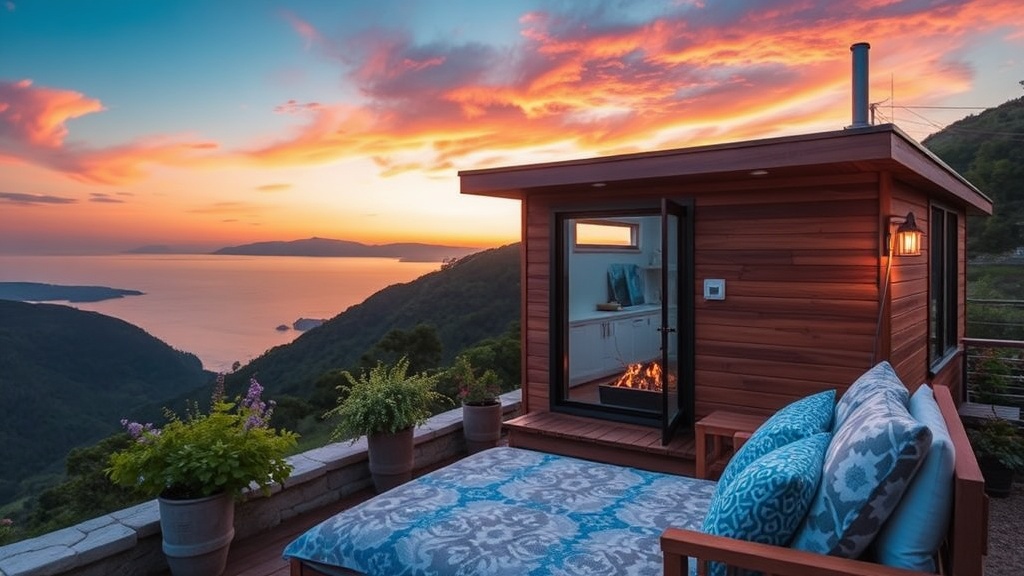
1. Small Towns and Rural Hotspots with Fiber Internet: The notion that remote work requires living in a major city is outdated. Many small towns and rural areas across the U.S. have invested heavily in fiber optic internet, making them viable and often more affordable bases. Think of places like Chattanooga, TN; Bentonville, AR; or even smaller communities in the Rocky Mountains or the Midwest. These areas often boast lower costs of living, a stronger sense of community, and immediate access to nature. For example, the median rent for a one-bedroom apartment in Chattanooga is around $1,300, while offering extensive outdoor activities and a burgeoning tech scene. Programs like "Tulsa Remote" and "Morgantown Cheat Lake Remote" offer cash incentives (up to $10,000 in Tulsa) to remote workers who relocate for a year, specifically targeting these smaller, growing cities. These initiatives demonstrate a commitment to building remote-friendly infrastructure and communities.
2. Volunteer Programs with Housing Benefits: For the truly adventurous and budget-conscious, certain volunteer programs offer free or reduced-cost housing in exchange for work. The National Park Service's "Volunteers-in-Parks" (VIP) program often provides campsites or even cabins for volunteers working a set number of hours per week. Similar programs exist with state parks, national forests, and even some non-profits. While not a typical "remote work" setup, it can be combined. A remote writer could volunteer a few days a week at a national park, securing free housing, and dedicate the remaining days to their paid work, immersing themselves in a unique environment. Sites like Volunteer.gov list various opportunities.
3. Geoarbitrage: Leveraging Cost of Living Differences: This strategy involves earning a higher-city salary while living in a lower-cost area. While often discussed in an international context, it applies perfectly within the U.S. A remote worker earning a typical San Francisco tech salary (median $150k for software engineers) could move to a small town in Oklahoma where the cost of living is 50-70% lower, dramatically increasing their disposable income and savings. Even moving from a high-cost coastal city to a mid-sized Midwest city offers substantial financial gains, enabling more frequent travel or investment in better housing solutions. This isn't just about saving money; it's about amplifying your financial freedom and quality of life.
Practical Steps to Plan Your Remote Work Escape
Embarking on a remote work travel journey requires meticulous planning and a flexible mindset.
1. Create a Detailed Budget (and a Buffer): Beyond rent, factor in utilities, internet, groceries, transportation (fuel, car maintenance, public transit), health insurance (crucial for travelers), and a dedicated travel/experience fund. Aim for a buffer of 3-6 months' expenses, especially when starting, to cover unexpected costs or gaps in housing arrangements. Use tools like Mint or YNAB to track spending and identify areas for optimization.
2. Health Insurance Considerations: This is paramount. If your employer provides it, understand your network coverage across different states. For freelancers or those with employer plans that limit out-of-state coverage, explore options like short-term health insurance, health share ministries, or plans purchased through the Affordable Care Act marketplace (HealthCare.gov), which allows for special enrollment periods when you change your primary residence. Always confirm doctor and hospital networks in your planned destinations.
3. Mail Forwarding and Domicile: You'll need a stable mailing address. Services like Earth Class Mail or St. Brendan's Isle offer virtual mailboxes, scanning your mail and forwarding physical items. For tax and legal purposes, establishing domicile in a state with no income tax (like Florida, Texas, or Nevada) can be advantageous, though this involves more than just a mailing address; it requires demonstrating intent to reside there. Research the requirements for each state carefully.
4. Gear Up for Connectivity: Reliable internet is non-negotiable. Invest in a mobile hotspot (e.g., from Verizon, T-Mobile, AT&T) as a backup, especially when traveling through rural areas or staying in places with spotty Wi-Fi. Consider a Wi-Fi extender for larger spaces or a signal booster for RVs. Always check reviews for internet quality before booking accommodation.
5. Start Small and Iterate: Don't quit your job and sell everything overnight. Begin with shorter trips (2-4 weeks) using different housing solutions. Try a house sit, then an extended stay, then maybe a short RV rental. This iterative approach allows you to discover what works best for your work style, budget, and comfort level before committing to a longer-term lifestyle change.
Free Weekly Newsletter
Enjoying this guide?
Get the best articles like this one delivered to your inbox every week. No spam.

The Future of Remote Work Travel: More Options, More Freedom
The trajectory for remote work travel points towards even greater accessibility and innovation. We can expect:
1. Expansion of Remote Work Programs: More cities and even entire regions will launch "work from anywhere" incentive programs, similar to Tulsa Remote, to attract talent and diversify their local economies. This will open up new, previously overlooked "hidden gem" destinations.
2. Growth of Digital Nomad Infrastructure: More co-working spaces in smaller towns, dedicated remote worker communities (think "pop-up villages"), and specialized travel services catering to digital nomads will emerge. Websites and apps specifically designed to connect remote workers with affordable, long-term housing options will become more sophisticated.
3. Integration of AI in Travel Planning: AI tools will become indispensable for optimizing travel routes, finding the lowest-cost housing based on real-time data, and even predicting the best times to visit certain areas for maximum affordability and experience. Imagine an AI personal assistant that suggests the perfect house sit in a town with a low cost of living, excellent fiber internet, and proximity to your preferred outdoor activities, all within your budget.
4. Increased Focus on "Work-Life Integration": The blurring lines between work and leisure will lead to a demand for housing solutions that facilitate both. Think wellness-focused co-living spaces, RVs with integrated standing desks, and accommodations that offer easy access to fitness, nature, and cultural experiences without extensive travel.
Conclusion
The dream of planning your escape and working remotely from anywhere in the U.S. is not only achievable but increasingly affordable. By moving beyond traditional rental models and embracing strategies like house sitting, co-living, extended stays, and RV life, you can significantly reduce your housing costs, often to levels comparable to or even less than a static apartment. The key lies in strategic planning, a willingness to explore lesser-known locales, and a proactive approach to budgeting and logistics.
Start small, experiment with different options, and leverage the growing ecosystem of resources designed for remote workers. The open road, charming small towns, vibrant cities, and serene natural parks await. Your adventure begins with a single, well-researched step. What affordable housing solution will you explore first to unlock your remote work travel dreams? The freedom to work and explore is within reach – seize it.
Free Investing Tools
Frequently Asked Questions
The Remote Work Revolution: Why Affordable Housing is More Critical Than Ever
The pandemic-fueled surge in remote work isn,t just a passing trend; it's a fundamental shift in how we live and earn. According to a 2023 Gallup poll, 52% of remote-capable employees now work in a hybrid arrangement, and 30% are fully remote. This newfound flexibility has fueled a hunger for experiences beyond the daily commute, leading many to explore "digital nomadism" or "slow travel" within the U.S. However, the median rent for a one-bedroom apartment in major U.S. cities hovers around $1,500-$2,000, making traditional housing a significant barrier to long-term travel. The key to unlocking this lifestyle lies in mastering affordable housing solutions that blend flexibility with cost-efficiency, moving beyond typical Airbnbs and hotels to genuinely sustainable options. We'll delve into innovative approaches, from house sitting and co-living spaces to RV life and lesser-known extended-stay programs, providing concrete examples and data to empower your journey.
Unlocking Budget-Friendly Stays: Beyond the Airbnb Hype
While Airbnb revolutionized short-term rentals, long-term travel demands more creative and often significantly cheaper alternatives.
1. House Sitting for Free Accommodation: Imagine living in a comfortable home, often with pets to care for, in a new city or serene rural setting, entirely rent-free. House sitting platforms like TrustedHousesitters.com (annual membership around $129) and HouseCarers.com (annual membership around $50) connect homeowners with reliable sitters. The value here isn't just zero rent; it's access to fully equipped homes, often with utilities included, saving potentially thousands per month. For example, a house sitter could secure a three-month stay in a home in Asheville, NC, covering their internet and utilities, instead of paying the average $1,700/month for a one-bedroom in the city. The commitment involves caring for pets and maintaining the home, which for many remote workers, easily integrates into their schedule. Success requires a strong profile, positive reviews, and flexibility with locations and dates.
2. Co-Living Spaces: Community and Cost Savings: Co-living spaces are purpose-built accommodations designed for community living, often featuring private bedrooms with shared common areas like kitchens, living rooms, and workspaces. Companies like Common and Bungalow operate across major cities, offering furnished rooms for as low as $800-$1,200/month, significantly less than market-rate apartments, especially in cities like New York or San Francisco. The advantage extends beyond cost; utilities, Wi-Fi, and even cleaning services are typically included, eliminating separate bills. These spaces foster networking and social connections, crucial for remote workers who might otherwise feel isolated. For instance, a remote marketing specialist could live in a Common space in Chicago for $1,100/month, enjoying downtown access and built-in community, a substantial saving over the $1,900+ average for a studio.
3. Extended Stay Hotels and Aparthotels: Many hotel chains offer significantly discounted rates for stays of a week, a month, or longer. Brands like Extended Stay America, Homewood Suites by Hilton, and Residence Inn by Marriott provide suites with kitchenettes, free Wi-Fi, and often complimentary breakfast. While not as cheap as house sitting, they offer convenience and amenities, especially for shorter multi-week stays between other arrangements. A three-week stay at an Extended Stay America in a mid-sized city like Columbus, OH, might cost $800-$1,200, including all utilities and a small kitchen, providing a comfortable base for work and exploration without the commitment of a lease. Look for loyalty programs and corporate discounts which can further reduce costs.
4. RV Living: The Ultimate Mobile Home Office: For those embracing ultimate flexibility, an RV or van conversion offers a truly mobile office. The initial investment in an RV can range from $10,000 for a used trailer to $100,000+ for a new motorhome. However, ongoing costs – particularly fuel, campground fees, and maintenance – require careful budgeting. Boondocking (free camping on public lands) significantly cuts costs, with platforms like iOverlander and Campendium detailing free and low-cost campsites. A recent report from RVshare indicated that the average daily rental rate for an RV is around $150, but owning one reduces that cost over time. Many full-time RVers report monthly expenses, including campsites, fuel, and food, ranging from $1,500 to $3,000, which can be comparable to or less than traditional rent, depending on travel style. Imagine working from a national park in Utah one week and a beachside spot in Florida the next, all from your personalized mobile workspace.
Digging Deeper: Tapping into Undiscovered Locales and Programs
Beyond specific housing types, the choice of location dramatically impacts affordability and lifestyle.
1. Small Towns and Rural Hotspots with Fiber Internet: The notion that remote work requires living in a major city is outdated. Many small towns and rural areas across the U.S. have invested heavily in fiber optic internet, making them viable and often more affordable bases. Think of places like Chattanooga, TN; Bentonville, AR; or even smaller communities in the Rocky Mountains or the Midwest. These areas often boast lower costs of living, a stronger sense of community, and immediate access to nature. For example, the median rent for a one-bedroom apartment in Chattanooga is around $1,300, while offering extensive outdoor activities and a burgeoning tech scene. Programs like "Tulsa Remote" and "Morgantown Cheat Lake Remote" offer cash incentives (up to $10,000 in Tulsa) to remote workers who relocate for a year, specifically targeting these smaller, growing cities. These initiatives demonstrate a commitment to building remote-friendly infrastructure and communities.
2. Volunteer Programs with Housing Benefits: For the truly adventurous and budget-conscious, certain volunteer programs offer free or reduced-cost housing in exchange for work. The National Park Service's "Volunteers-in-Parks" (VIP) program often provides campsites or even cabins for volunteers working a set number of hours per week. Similar programs exist with state parks, national forests, and even some non-profits. While not a typical "remote work" setup, it can be combined. A remote writer could volunteer a few days a week at a national park, securing free housing, and dedicate the remaining days to their paid work, immersing themselves in a unique environment. Sites like Volunteer.gov list various opportunities.
3. Geoarbitrage: Leveraging Cost of Living Differences: This strategy involves earning a higher-city salary while living in a lower-cost area. While often discussed in an international context, it applies perfectly within the U.S. A remote worker earning a typical San Francisco tech salary (median $150k for software engineers) could move to a small town in Oklahoma where the cost of living is 50-70% lower, dramatically increasing their disposable income and savings. Even moving from a high-cost coastal city to a mid-sized Midwest city offers substantial financial gains, enabling more frequent travel or investment in better housing solutions. This isn't just about saving money; it's about amplifying your financial freedom and quality of life.
Practical Steps to Plan Your Remote Work Escape
Embarking on a remote work travel journey requires meticulous planning and a flexible mindset.
1. Create a Detailed Budget (and a Buffer): Beyond rent, factor in utilities, internet, groceries, transportation (fuel, car maintenance, public transit), health insurance (crucial for travelers), and a dedicated travel/experience fund. Aim for a buffer of 3-6 months' expenses, especially when starting, to cover unexpected costs or gaps in housing arrangements. Use tools like Mint or YNAB to track spending and identify areas for optimization.
2. Health Insurance Considerations: This is paramount. If your employer provides it, understand your network coverage across different states. For freelancers or those with employer plans that limit out-of-state coverage, explore options like short-term health insurance, health share ministries, or plans purchased through the Affordable Care Act marketplace (HealthCare.gov), which allows for special enrollment periods when you change your primary residence. Always confirm doctor and hospital networks in your planned destinations.
3. Mail Forwarding and Domicile: You'll need a stable mailing address. Services like Earth Class Mail or St. Brendan's Isle offer virtual mailboxes, scanning your mail and forwarding physical items. For tax and legal purposes, establishing domicile in a state with no income tax (like Florida, Texas, or Nevada) can be advantageous, though this involves more than just a mailing address; it requires demonstrating intent to reside there. Research the requirements for each state carefully.
4. Gear Up for Connectivity: Reliable internet is non-negotiable. Invest in a mobile hotspot (e.g., from Verizon, T-Mobile, AT&T) as a backup, especially when traveling through rural areas or staying in places with spotty Wi-Fi. Consider a Wi-Fi extender for larger spaces or a signal booster for RVs. Always check reviews for internet quality before booking accommodation.
5. Start Small and Iterate: Don't quit your job and sell everything overnight. Begin with shorter trips (2-4 weeks) using different housing solutions. Try a house sit, then an extended stay, then maybe a short RV rental. This iterative approach allows you to discover what works best for your work style, budget, and comfort level before committing to a longer-term lifestyle change.
The Future of Remote Work Travel: More Options, More Freedom
The trajectory for remote work travel points towards even greater accessibility and innovation. We can expect:
1. Expansion of Remote Work Programs: More cities and even entire regions will launch "work from anywhere" incentive programs, similar to Tulsa Remote, to attract talent and diversify their local economies. This will open up new, previously overlooked "hidden gem" destinations.
2. Growth of Digital Nomad Infrastructure: More co-working spaces in smaller towns, dedicated remote worker communities (think "pop-up villages"), and specialized travel services catering to digital nomads will emerge. Websites and apps specifically designed to connect remote workers with affordable, long-term housing options will become more sophisticated.
3. Integration of AI in Travel Planning: AI tools will become indispensable for optimizing travel routes, finding the lowest-cost housing based on real-time data, and even predicting the best times to visit certain areas for maximum affordability and experience. Imagine an AI personal assistant that suggests the perfect house sit in a town with a low cost of living, excellent fiber internet, and proximity to your preferred outdoor activities, all within your budget.
4. Increased Focus on "Work-Life Integration": The blurring lines between work and leisure will lead to a demand for housing solutions that facilitate both. Think wellness-focused co-living spaces, RVs with integrated standing desks, and accommodations that offer easy access to fitness, nature, and cultural experiences without extensive travel.
Conclusion
The dream of planning your escape and working remotely from anywhere in the U.S. is not only achievable but increasingly affordable. By moving beyond traditional rental models and embracing strategies like house sitting, co-living, extended stays, and RV life, you can significantly reduce your housing costs, often to levels comparable to or even less than a static apartment. The key lies in strategic planning, a willingness to explore lesser-known locales, and a proactive approach to budgeting and logistics.
Start small, experiment with different options, and leverage the growing ecosystem of resources designed for remote workers. The open road, charming small towns, vibrant cities, and serene natural parks await. Your adventure begins with a single, well-researched step. What affordable housing solution will you explore first to unlock your remote work travel dreams? The freedom to work and explore is within reach – seize it.
About Zeebrain Editorial
Zeebrain publishes independent analysis of markets, investing, personal finance, and business. We disclose affiliate relationships, never accept payment for coverage, and fact-check all claims against primary sources. Read our editorial policy →
How this article was produced: Zeebrain articles are created with AI assistance from primary sources (including cited videos and market data) and reviewed under our editorial standards before publication. Spot an error? Tell us and we will correct it.
More from Travel & Places




Related Guides
Keep exploring this topic
3 Days in Nassau: What Most Visitors Miss in the Bahamas
Travel & Places
2 Days in Budapest in Winter: The Ultimate Travel Guide
Travel & Places
Foodie Travel: 9 Culinary Capitals Every Gourmet Should Visit
Travel & Places
Leave No Trace, Take Only Memories: A Guide to Sustainable Travel Practices for U.S. Travelers
Travel & Places
Explore More Categories
Keep browsing by topic and build depth around the subjects you care about most.