Olympic Games 2026 Host City Preparations: A Traveler's Guide to Milan-Cortina
Quick Summary
The Winter Olympics and Paralympics are coming to Italy in 2026, promising a spectacle of athleticism, culture, and breathtaking Alpine scenery. But for the discerning U.S. traveler, this isn't just a
In This Article
Olympic Games 2026 Host City Preparations: A Traveler's Guide to Milan-Cortina
Introduction
The Winter Olympics and Paralympics are coming to Italy in 2026, promising a spectacle of athleticism, culture, and breathtaking Alpine scenery. But for the discerning U.S. traveler, this isn't just about watching the games – it's about experiencing Italy at its most vibrant and dynamic. Milan and Cortina d'Ampezzo, two distinct yet equally captivating destinations, will serve as the primary hosts. While 2026 might seem a long way off, the best travel experiences require meticulous planning, especially when a global event of this magnitude is involved.

This comprehensive mini-course is designed to equip you with the knowledge and tools to navigate the exciting journey to the Milan-Cortina 2026 Winter Games. We'll delve into everything from understanding the unique dual-host dynamic and transportation challenges to optimizing your accommodation choices, mastering local etiquette, and savoring the culinary delights. By the end of this guide, you'll be well-prepared to transform what could be a logistical headache into an unforgettable Italian adventure, ensuring you’re not just a spectator but an active participant in the magic of the Olympic Games. Get ready to plan your Italian Olympic odyssey – the clock is ticking, and the best experiences are reserved for those who plan ahead!
Lesson 1: Understanding the Dual-Host Dynamic: Milan and Cortina d’Ampezzo
Objective: Understand the geographical spread of the 2026 Winter Games, the primary event locations in Milan and Cortina, and the implications for travel planning.
The Milan-Cortina 2026 Winter Olympics are unique in their dual-host structure, spanning a significant geographical area across two distinct regions: Lombardy (Milan) and Veneto (Cortina d’Ampezzo) and beyond into Trentino-Alto Adige. This isn't a single city event; it's a multi-faceted experience that requires travelers to comprehend the distances and logistical challenges involved.
Milan, a global capital of fashion and finance, will host the opening ceremony, ice hockey, figure skating, short track speed skating, and speed skating events. It offers a bustling urban experience with world-class dining, shopping, and cultural attractions. Cortina d’Ampezzo, nestled in the heart of the majestic Dolomites (a UNESCO World Heritage site), will be the picturesque backdrop for alpine skiing, bobsleigh, luge, skeleton, and curling. The closing ceremony will also take place here. Other events, such as biathlon, cross-country skiing, ski jumping, and freestyle skiing, will be spread across other locations like Livigno, Bormio, and Val di Fiemme.
Implications for Travel Planning:
- Diverse Base Camps: You'll likely need to choose a primary base camp – either Milan for urban convenience and easier access to indoor events, or Cortina for a more immersive mountain experience closer to outdoor competitions. It's highly unlikely you can easily attend events in both locations on the same day or even consecutive days without significant travel time.
- Segment Your Trip: Consider segmenting your trip. Perhaps spend the first half in Milan, experiencing the city and its events, then transition to Cortina (or another mountain town) for the second half to catch the outdoor action and enjoy the Dolomites.
- Travel Time is Crucial: The journey between Milan and Cortina d’Ampezzo is approximately 5-6 hours by car, bus, or a combination of train and bus. This is not a commuter route. Factor this significant travel time into your itinerary for any inter-host city transfers.
- Accommodation Variety: Milan offers a vast array of hotels, from luxury to budget. Cortina and the other mountain venues will have chalets, boutique hotels, and guesthouses, but availability will be much tighter and prices significantly higher during the Games.
- Event Accessibility: Research which events you absolutely want to see and their specific locations. This will dictate your primary accommodation strategy.
Actionable Steps:
- Review the Official Event Schedule (when released): As soon as the detailed event schedule is published (typically 12-18 months out), identify your must-see events and their specific venues.
- Plot Key Locations on a Map: Use Google Maps or a similar tool to visualize the distances between Milan, Cortina, and other potential event sites like Livigno, Bormio, and Val di Fiemme. Understand the geography.
- Prioritize Your Experience: Decide if your primary goal is the urban Olympic experience (Milan) or the alpine Olympic experience (Cortina/Dolomites). This decision will heavily influence your accommodation and transportation choices.
- Consider a "Split Stay": If attending events in both major hubs is important, plan for a dedicated travel day between Milan and the Dolomites. Book accommodation in both areas well in advance.
Real Example: Imagine you want to see the Figure Skating Finals in Milan and the Alpine Downhill in Cortina. You would likely book your first segment of accommodation in Milan for the initial days of the games, attend the figure skating, and then plan a travel day (e.g., train from Milan to Calalzo di Cadore, then bus to Cortina) to relocate for your second segment of accommodation in Cortina or a nearby town, to catch the downhill events. Trying to do both on back-to-back days from a single base would be exhausting and inefficient.
Lesson 2: Transportation & Logistics: Navigating Italy's Olympic Corridors
Objective: Understand the transportation options available to and within the Olympic zones, identify potential challenges, and develop strategies for efficient travel during peak times.
Getting around Italy during a major international event like the Olympics presents unique challenges, even with Italy's generally good infrastructure. The sheer volume of visitors will strain existing systems, making advance planning critical.
Inter-City Travel (Milan to Cortina and other venues):
- Trains: Italy boasts an excellent high-speed rail network (Frecciarossa, Italo). Milan is a major rail hub. However, there is no direct train to Cortina. The closest major train station to Cortina is Calalzo di Cadore, from where you'll need to take a bus or taxi (approx. 45 minutes to an hour). For other mountain venues like Bormio or Livigno, train travel might involve multiple connections and end with a bus journey.
- Challenge: Train tickets, especially high-speed ones, sell out quickly and surge in price closer to the date. Limited capacity on regional routes to mountain areas.
- Buses: Regional bus services connect many towns, particularly in the Dolomites. Dedicated Olympic shuttle services are likely to be implemented, but details won't be available until closer to the games.
- Challenge: Can be slow, especially in winter conditions. May be subject to traffic delays. Limited luggage space.
- Rental Cars: Offers flexibility, especially for exploring the Dolomites.
- Challenge: Driving in Italy can be daunting (ZTLs - Limited Traffic Zones, narrow roads). Parking will be extremely scarce and expensive near venues. Winter driving in the mountains requires experience and often snow tires/chains (mandatory in certain periods). Rental car availability and cost will skyrocket.
- Flights: Milan has three major airports (Malpensa - MXP, Linate - LIN, Bergamo Orio al Serio - BGY). Venice Marco Polo (VCE) is the closest major international airport to Cortina (approx. 2-hour drive). For other mountain venues, Verona (VRN) or Innsbruck (INN, Austria) might be options.
- Challenge: Domestic flights within Italy are generally not efficient for Milan-Cortina due to ground transfer times. International flights into Venice will be in high demand.
Intra-City Travel (within Milan and Cortina):
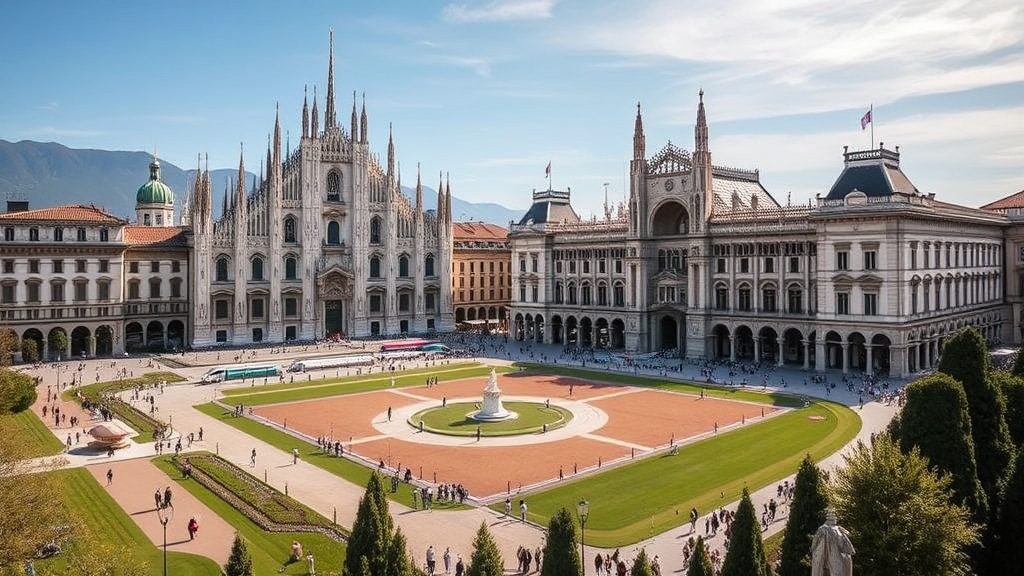
- Milan: Excellent public transport network: Metro, trams, buses. The Metro is the most efficient way to get around.
- Strategy: Purchase multi-day passes or an ATM (Milan's public transport company) card. Use apps like Citymapper or Google Maps for real-time navigation.
- Cortina: A smaller town, walkable for many areas. Local buses connect different parts of town and ski lifts. Dedicated Olympic shuttles will be essential for reaching specific venues.
- Strategy: Be prepared to walk. Familiarize yourself with local bus routes and potential shuttle services. Taxis will be available but expensive and in high demand.
Actionable Steps:
- Book International Flights Early: As soon as your travel dates are firm, book your round-trip flights to Italy (likely Milan). Consider multi-city options (e.g., arrive Milan, depart Venice) if it fits your itinerary.
- Research Inter-City Transport Options: Once event locations are confirmed, immediately research train and bus routes. Use websites like Trenitalia (for national trains), Italo Treno, and FlixBus. For local buses in the Dolomites, check regional transport sites (e.g., Dolomiti Bus).
- Pre-Book Train Tickets (as early as possible): High-speed train tickets usually become available 3-4 months in advance. Set reminders to book immediately.
- Consider a Travel Package: Some tour operators will offer Olympic travel packages that include accommodation and pre-arranged transportation between venues. This can be more expensive but offers peace of mind.
- Embrace Public Transport: In Milan, plan to rely heavily on the Metro. In Cortina, anticipate walking and using dedicated shuttles.
- Avoid Rental Cars for Inter-Host Travel: Unless you have a specific, well-researched need for a car (e.g., exploring remote areas of the Dolomites for several days), the hassle of parking, ZTLs, and winter driving conditions generally outweighs the benefits during the Olympics.
Real Example: You’re flying into Milan Malpensa (MXP). For your Milan stay, you’ll take the Malpensa Express train into the city center, then use the Metro for all your in-city movements to venues like the Mediolanum Forum for ice hockey. When transitioning to Cortina, you've pre-booked a Frecciarossa high-speed train from Milan to Padova, followed by a regional train to Calalzo di Cadore, and finally a pre-booked shuttle bus from Calalzo to your hotel in Cortina. This multi-modal approach requires early booking and understanding each leg of the journey.
Lesson 3: Accommodation Strategies & Budgeting: Securing Your Italian Base
Objective: Develop effective strategies for securing appropriate accommodation in Milan and the Dolomites, understand the impact of the Olympics on pricing, and create a realistic budget for lodging.
Accommodation will be one of the most significant expenses and logistical challenges during the 2026 Winter Games. With millions of visitors expected, hotel rooms, apartments, and chalets will be in extremely high demand and prices will surge, often to several times their normal rates.
Milan Accommodation Strategies:
- Book Early, Extremely Early: As soon as you have your dates, start looking. Reputable hotels often open bookings 12-18 months in advance.
- Consider Areas with Good Metro Access: Staying near a Metro station allows easy access to all Olympic venues and city attractions, even if you’re not in the absolute city center.
- Examples: Areas around Centrale Station (good transport hub), Duomo (central, but potentially pricier), Porta Venezia, or Cadorna.
- Types of Accommodation:
- Hotels: Range from luxury 5-star to budget 3-star. Expect significant price hikes.
- Apartment Rentals (Airbnb, Booking.com apartments): Can offer more space and amenities (kitchenette) for families or groups. Verify host reliability and cancellation policies. Be aware of potential regulations on short-term rentals in Milan closer to the games.
- Budget Considerations: Expect Milan hotel prices to be 2-4x their normal rates during the Olympics. A typical 3-star hotel could easily be $300-$500+ per night.
Cortina & Dolomites Accommodation Strategies:
- Scarce & Expensive: Accommodation in Cortina d’Ampezzo itself will be the most sought-after and expensive in the entire region. Many hotels and chalets will likely be block-booked by official Olympic delegations, sponsors, and media.
- Widen Your Search Radius: Consider staying in nearby towns within the Cadore Valley or surrounding Dolomites, such as San Vito di Cadore, Pieve di Cadore, Auronzo di Cadore, or Dobbiaco (Toblach). These towns will offer more availability and potentially lower prices, but will require daily commutes to Cortina's venues, likely via Olympic shuttle buses.
- Embrace Alpine Charm: Look for traditional chalets, agriturismos (farm stays), or smaller guesthouses.
- Ski Season Demand: Remember that the Olympics coincide with peak ski season, so even without the games, demand is high in these areas.
- Budget Considerations: Cortina hotel prices will be exorbitant, easily reaching $500-$1000+ per night for even moderate hotels. Nearby towns will be more reasonable but still significantly inflated.
General Accommodation Tips:
- Check Cancellation Policies: Ensure any booking has a clear and reasonable cancellation policy, especially given the long lead time. Read the fine print carefully.
- Beware of Scams: Only book through reputable platforms and official hotel websites. If a deal seems too good to be true, it probably is.
- Consider Bundled Packages: Some authorized ticket resellers or travel agencies may offer packages that include tickets and accommodation, which can simplify planning but come at a premium.
- Start Saving Now: Begin budgeting specifically for accommodation. Create a realistic daily lodging allowance and stick to it.
Actionable Steps:
- Set Accommodation Alerts: Sign up for email alerts from major booking sites (Booking.com, Expedia, Airbnb) for your target dates and locations.
- Research Specific Neighborhoods/Towns: In Milan, pinpoint neighborhoods with good Metro access. In the Dolomites, identify towns within a 30-60 minute bus ride of Cortina.
- Contact Hotels Directly: Once you have a shortlist, check hotels' official websites and even email them directly about 2026 availability. Sometimes they release rooms before third-party sites.
- Book Flexible Options First: If you find a good option with a free cancellation policy, book it, even if it's just a placeholder. You can always change later if something better comes up.
- Factor in Food Costs: If choosing an apartment with a kitchen, factor in grocery costs, which can save money compared to eating out for every meal.
Real Example: You decide to split your stay: the first week in Milan, the second week near Cortina. For Milan, you book a hotel near Loreto Metro station (served by two lines) through Booking.com with a 6-month free cancellation policy, as soon as it became available 18 months out. For the Cortina leg, you find a charming guesthouse in San Vito di Cadore (a 20-minute drive from Cortina) through a local Dolomite tourism website, ensuring it's on a known bus route to Cortina. This proactive approach helps secure options before the main rush and provides flexibility.
Lesson 4: Cultural Immersion & Pre-Games Exploration: Beyond the Stadiums
Free Weekly Newsletter
Enjoying this guide?
Get the best articles like this one delivered to your inbox every week. No spam.
Objective: Identify opportunities for cultural enrichment in Milan and the Dolomites, understand local etiquette, and plan for pre-Games exploration to enhance the overall travel experience.
While the Olympics are the main draw, a trip to Italy is incomplete without immersing yourself in its rich culture, history, and culinary traditions. Leveraging your time before or between events to explore Milan and the Dolomites will significantly enhance your experience.
Cultural Milan:
- Art & History:
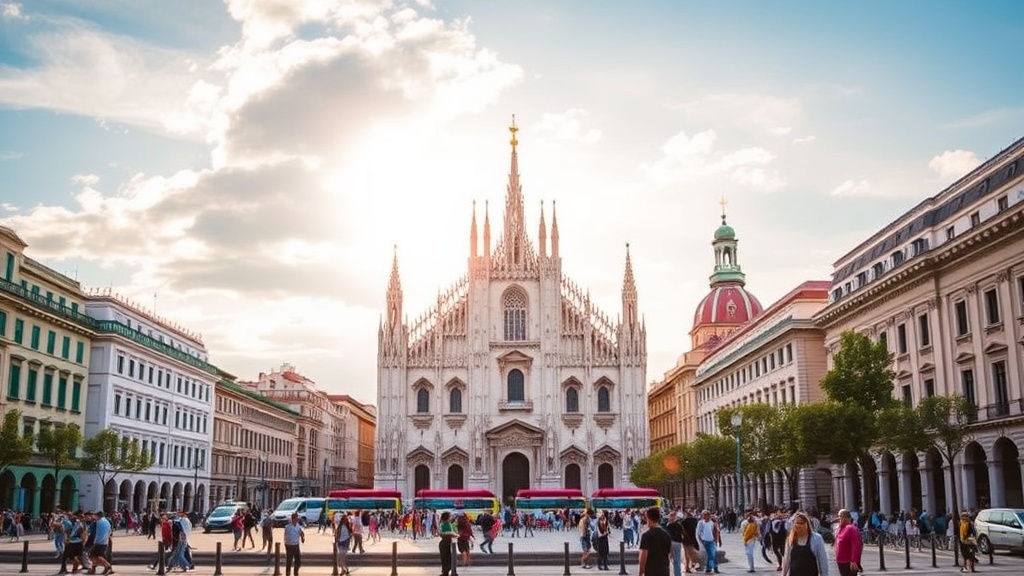
- Duomo di Milano: Marvel at the Gothic cathedral, climb to the rooftop for stunning city views. Book tickets well in advance.
- The Last Supper (Leonardo da Vinci): Located at Santa Maria delle Grazie. Tickets are extremely limited and must be booked months (if not a year) in advance. This is non-negotiable for securing a viewing slot.
- Castello Sforzesco: A historic castle housing several museums and art collections.
- Pinacoteca di Brera: Milan's most important public art gallery.
- Fashion & Shopping: Explore the Quadrilatero della Moda (fashion district) – Via Monte Napoleone, Via della Spiga. Even if window shopping, it's an experience.
- Culinary Delights:
- Aperitivo: Indulge in the Milanese tradition of aperitivo (pre-dinner drinks with complimentary snacks). Head to the Navigli district for a lively atmosphere.
- Risotto alla Milanese: Try the saffron-infused risotto, a local specialty.
- Panettone: While typically a Christmas cake, good bakeries might still have versions or other similar pastries.
- Coffee Culture: Master ordering espresso, cappuccino (mornings only!), and macchiato at a local bar.
Cultural Cortina & Dolomites:
- Natural Beauty:
- Dolomite Hikes: Even in winter, marked trails offer snowshoeing or winter hiking opportunities (with appropriate gear).
- Skiing/Snowboarding: If you're a winter sports enthusiast, take advantage of the world-class slopes. Purchase lift tickets in advance.
- Scenic Drives: Explore the stunning mountain passes (e.g., Passo Giau, Passo Falzarego), but be mindful of winter road conditions.
- Local Culture:
- Ladin Culture: The Dolomites are home to the Ladin people, an indigenous ethnic group with their own language and traditions. Look for museums or cultural centers showcasing their heritage.
- Mountain Cuisine: Savor hearty mountain fare – polenta, speck (cured ham), canederli (dumplings), and local cheeses.
- Tyrolean Influence: The region has strong Austrian/Tyrolean influences, reflected in architecture, cuisine, and even the bilingual street signs.
Local Etiquette & Practical Tips:
- Greetings: Always greet shopkeepers, hotel staff, and restaurant servers with "Buongiorno" (good day) or "Buonasera" (good evening). "Ciao" is informal.
- Punctuality: Italians can be flexible with social appointments, but strive to be punctual for tours and reservations.
- Dress Code: Italians generally dress smartly. While casual is fine for sightseeing, avoid overly sloppy attire, especially in religious sites or upscale restaurants.
- Dining:
- Coperto: Many restaurants charge a "coperto" (cover charge) per person, usually €1-€3. This is normal.
- Tipping: Tipping is not as ingrained as in the U.S. A small tip (a few euros) for excellent service is appreciated, but not mandatory. If service charge ("servizio") is included, no further tip is expected.
- Coffee at the Bar: Drink your espresso standing at the bar like a local – it's often cheaper than sitting down.
- Language: While many in tourist areas speak English, learning a few basic Italian phrases ("grazie" - thank you, "prego" - you're welcome, "scusi" - excuse me/sorry, "parla inglese?" - do you speak English?) will go a long way.
- Photography: Be respectful when taking photos, especially of people. Ask permission if it’s a close-up.
- Shop Hours: Many shops, especially smaller ones, close for a few hours in the afternoon for "riposo" (siesta), typically from 1 pm to 4 pm.
Actionable Steps:
- Book "The Last Supper" NOW: Seriously, do it as soon as your dates are confirmed. It's often fully booked a year in advance.
- Plan "Off-Day" Activities: Schedule specific cultural excursions for days you're not attending Olympic events. This spreads out the Olympic intensity and provides downtime.
- Download Translation Apps: Google Translate or similar apps with offline capabilities will be invaluable.
- Learn Basic Italian Phrases: Practice common greetings, polite phrases, and food-related vocabulary.
- Research Local Festivals/Events: Check Milan and Dolomite tourism websites for any local festivals, markets, or events that might coincide with your visit, offering additional cultural immersion.
- Consider a Guided City Tour: Especially in Milan, a walking tour can quickly orient you and provide historical context.
Real Example: On a non-event day in Milan, you wake early to secure your timed entry ticket for the Duomo rooftop, enjoying the morning views. Afterward, you head to the Brera district for brunch and explore the Pinacoteca di Brera. In the evening, you join a "Navigli Aperitivo Tour" to experience Milanese nightlife and sample local snacks. In the Dolomites, you spend a day snowshoeing with a local guide on a scenic trail around Cortina, followed by a hearty traditional dinner at a "malga" (mountain hut) trying "casunziei" (local ravioli) and polenta, connecting with the region's unique heritage beyond the ski slopes.
Key Takeaways
- Dual-Host Planning is Crucial: Milan and Cortina are geographically distinct; plan for a segmented trip and significant travel time between them.
- Early Booking is Paramount: Flights, high-speed train tickets, and especially accommodation need to be booked 12-18 months in advance due to high demand and inflated prices.
- Embrace Public Transportation: In Milan, the Metro is your best friend. In the Dolomites, rely on walking and dedicated Olympic shuttles. Avoid rental cars for inter-host travel.
- Budget for Inflation: Expect significantly higher prices for everything from lodging to dining during the Olympics.
- Immerse Yourself Beyond the Games: Allocate time for Milan's rich culture and the Dolomites' natural beauty; book popular attractions like "The Last Supper" far in advance.
- Learn Basic Italian Etiquette & Phrases: A little local knowledge and effort will greatly enhance your experience.
Next Steps
- Determine Your "Must-See" Events: As soon as the official event schedule is released (likely late 2024/early 2025), pinpoint which Olympic competitions you absolutely want to attend and their locations. This will be the foundation of your itinerary.
- Solidify Travel Dates & Book International Flights: Lock down your arrival and departure dates and book your round-trip international flights to Italy immediately.
- Start Accommodation Research & Booking (Milan First): Begin actively searching for accommodation options in Milan for your preferred dates. If you find a flexible, well-located option, book it as a placeholder.
- Familiarize Yourself with Italian Rail & Bus Websites: Explore Trenitalia, Italo Treno, and regional bus websites to understand routes and journey times between your planned locations.
- Book "The Last Supper" Tickets: If this is on your Milan bucket list, check availability and book your tickets as far in advance as possible.
- Begin Language Learning: Download a language app and start practicing basic Italian greetings and phrases.
Frequently Asked Questions
Introduction
The Winter Olympics and Paralympics are coming to Italy in 2026, promising a spectacle of athleticism, culture, and breathtaking Alpine scenery. But for the discerning U.S. traveler, this isn't just about watching the games – it's about experiencing Italy at its most vibrant and dynamic. Milan and Cortina d'Ampezzo, two distinct yet equally captivating destinations, will serve as the primary hosts. While 2026 might seem a long way off, the best travel experiences require meticulous planning, especially when a global event of this magnitude is involved.
This comprehensive mini-course is designed to equip you with the knowledge and tools to navigate the exciting journey to the Milan-Cortina 2026 Winter Games. We'll delve into everything from understanding the unique dual-host dynamic and transportation challenges to optimizing your accommodation choices, mastering local etiquette, and savoring the culinary delights. By the end of this guide, you'll be well-prepared to transform what could be a logistical headache into an unforgettable Italian adventure, ensuring you’re not just a spectator but an active participant in the magic of the Olympic Games. Get ready to plan your Italian Olympic odyssey – the clock is ticking, and the best experiences are reserved for those who plan ahead!
Lesson 1: Understanding the Dual-Host Dynamic: Milan and Cortina d’Ampezzo
Objective: Understand the geographical spread of the 2026 Winter Games, the primary event locations in Milan and Cortina, and the implications for travel planning.
The Milan-Cortina 2026 Winter Olympics are unique in their dual-host structure, spanning a significant geographical area across two distinct regions: Lombardy (Milan) and Veneto (Cortina d’Ampezzo) and beyond into Trentino-Alto Adige. This isn't a single city event; it's a multi-faceted experience that requires travelers to comprehend the distances and logistical challenges involved.
Milan, a global capital of fashion and finance, will host the opening ceremony, ice hockey, figure skating, short track speed skating, and speed skating events. It offers a bustling urban experience with world-class dining, shopping, and cultural attractions. Cortina d’Ampezzo, nestled in the heart of the majestic Dolomites (a UNESCO World Heritage site), will be the picturesque backdrop for alpine skiing, bobsleigh, luge, skeleton, and curling. The closing ceremony will also take place here. Other events, such as biathlon, cross-country skiing, ski jumping, and freestyle skiing, will be spread across other locations like Livigno, Bormio, and Val di Fiemme.
Implications for Travel Planning:
- Diverse Base Camps: You'll likely need to choose a primary base camp – either Milan for urban convenience and easier access to indoor events, or Cortina for a more immersive mountain experience closer to outdoor competitions. It's highly unlikely you can easily attend events in both locations on the same day or even consecutive days without significant travel time.
- Segment Your Trip: Consider segmenting your trip. Perhaps spend the first half in Milan, experiencing the city and its events, then transition to Cortina (or another mountain town) for the second half to catch the outdoor action and enjoy the Dolomites.
- Travel Time is Crucial: The journey between Milan and Cortina d’Ampezzo is approximately 5-6 hours by car, bus, or a combination of train and bus. This is not a commuter route. Factor this significant travel time into your itinerary for any inter-host city transfers.
- Accommodation Variety: Milan offers a vast array of hotels, from luxury to budget. Cortina and the other mountain venues will have chalets, boutique hotels, and guesthouses, but availability will be much tighter and prices significantly higher during the Games.
- Event Accessibility: Research which events you absolutely want to see and their specific locations. This will dictate your primary accommodation strategy.
Actionable Steps:
- Review the Official Event Schedule (when released): As soon as the detailed event schedule is published (typically 12-18 months out), identify your must-see events and their specific venues.
- Plot Key Locations on a Map: Use Google Maps or a similar tool to visualize the distances between Milan, Cortina, and other potential event sites like Livigno, Bormio, and Val di Fiemme. Understand the geography.
- Prioritize Your Experience: Decide if your primary goal is the urban Olympic experience (Milan) or the alpine Olympic experience (Cortina/Dolomites). This decision will heavily influence your accommodation and transportation choices.
- Consider a "Split Stay": If attending events in both major hubs is important, plan for a dedicated travel day between Milan and the Dolomites. Book accommodation in both areas well in advance.
Real Example: Imagine you want to see the Figure Skating Finals in Milan and the Alpine Downhill in Cortina. You would likely book your first segment of accommodation in Milan for the initial days of the games, attend the figure skating, and then plan a travel day (e.g., train from Milan to Calalzo di Cadore, then bus to Cortina) to relocate for your second segment of accommodation in Cortina or a nearby town, to catch the downhill events. Trying to do both on back-to-back days from a single base would be exhausting and inefficient.
Lesson 2: Transportation & Logistics: Navigating Italy's Olympic Corridors
Objective: Understand the transportation options available to and within the Olympic zones, identify potential challenges, and develop strategies for efficient travel during peak times.
Getting around Italy during a major international event like the Olympics presents unique challenges, even with Italy's generally good infrastructure. The sheer volume of visitors will strain existing systems, making advance planning critical.
Inter-City Travel (Milan to Cortina and other venues):
- Trains: Italy boasts an excellent high-speed rail network (Frecciarossa, Italo). Milan is a major rail hub. However, there is no direct train to Cortina. The closest major train station to Cortina is Calalzo di Cadore, from where you'll need to take a bus or taxi (approx. 45 minutes to an hour). For other mountain venues like Bormio or Livigno, train travel might involve multiple connections and end with a bus journey.
- Challenge: Train tickets, especially high-speed ones, sell out quickly and surge in price closer to the date. Limited capacity on regional routes to mountain areas.
- Buses: Regional bus services connect many towns, particularly in the Dolomites. Dedicated Olympic shuttle services are likely to be implemented, but details won't be available until closer to the games.
- Challenge: Can be slow, especially in winter conditions. May be subject to traffic delays. Limited luggage space.
- Rental Cars: Offers flexibility, especially for exploring the Dolomites.
- Challenge: Driving in Italy can be daunting (ZTLs - Limited Traffic Zones, narrow roads). Parking will be extremely scarce and expensive near venues. Winter driving in the mountains requires experience and often snow tires/chains (mandatory in certain periods). Rental car availability and cost will skyrocket.
- Flights: Milan has three major airports (Malpensa - MXP, Linate - LIN, Bergamo Orio al Serio - BGY). Venice Marco Polo (VCE) is the closest major international airport to Cortina (approx. 2-hour drive). For other mountain venues, Verona (VRN) or Innsbruck (INN, Austria) might be options.
- Challenge: Domestic flights within Italy are generally not efficient for Milan-Cortina due to ground transfer times. International flights into Venice will be in high demand.
Intra-City Travel (within Milan and Cortina):
- Milan: Excellent public transport network: Metro, trams, buses. The Metro is the most efficient way to get around.
- Strategy: Purchase multi-day passes or an ATM (Milan's public transport company) card. Use apps like Citymapper or Google Maps for real-time navigation.
- Cortina: A smaller town, walkable for many areas. Local buses connect different parts of town and ski lifts. Dedicated Olympic shuttles will be essential for reaching specific venues.
- Strategy: Be prepared to walk. Familiarize yourself with local bus routes and potential shuttle services. Taxis will be available but expensive and in high demand.
Actionable Steps:
- Book International Flights Early: As soon as your travel dates are firm, book your round-trip flights to Italy (likely Milan). Consider multi-city options (e.g., arrive Milan, depart Venice) if it fits your itinerary.
- Research Inter-City Transport Options: Once event locations are confirmed, immediately research train and bus routes. Use websites like Trenitalia (for national trains), Italo Treno, and FlixBus. For local buses in the Dolomites, check regional transport sites (e.g., Dolomiti Bus).
- Pre-Book Train Tickets (as early as possible): High-speed train tickets usually become available 3-4 months in advance. Set reminders to book immediately.
- Consider a Travel Package: Some tour operators will offer Olympic travel packages that include accommodation and pre-arranged transportation between venues. This can be more expensive but offers peace of mind.
- Embrace Public Transport: In Milan, plan to rely heavily on the Metro. In Cortina, anticipate walking and using dedicated shuttles.
- Avoid Rental Cars for Inter-Host Travel: Unless you have a specific, well-researched need for a car (e.g., exploring remote areas of the Dolomites for several days), the hassle of parking, ZTLs, and winter driving conditions generally outweighs the benefits during the Olympics.
Real Example: You’re flying into Milan Malpensa (MXP). For your Milan stay, you’ll take the Malpensa Express train into the city center, then use the Metro for all your in-city movements to venues like the Mediolanum Forum for ice hockey. When transitioning to Cortina, you've pre-booked a Frecciarossa high-speed train from Milan to Padova, followed by a regional train to Calalzo di Cadore, and finally a pre-booked shuttle bus from Calalzo to your hotel in Cortina. This multi-modal approach requires early booking and understanding each leg of the journey.
Lesson 3: Accommodation Strategies & Budgeting: Securing Your Italian Base
Objective: Develop effective strategies for securing appropriate accommodation in Milan and the Dolomites, understand the impact of the Olympics on pricing, and create a realistic budget for lodging.
Accommodation will be one of the most significant expenses and logistical challenges during the 2026 Winter Games. With millions of visitors expected, hotel rooms, apartments, and chalets will be in extremely high demand and prices will surge, often to several times their normal rates.
Milan Accommodation Strategies:
- Book Early, Extremely Early: As soon as you have your dates, start looking. Reputable hotels often open bookings 12-18 months in advance.
- Consider Areas with Good Metro Access: Staying near a Metro station allows easy access to all Olympic venues and city attractions, even if you’re not in the absolute city center.
- Examples: Areas around Centrale Station (good transport hub), Duomo (central, but potentially pricier), Porta Venezia, or Cadorna.
- Types of Accommodation:
- Hotels: Range from luxury 5-star to budget 3-star. Expect significant price hikes.
- Apartment Rentals (Airbnb, Booking.com apartments): Can offer more space and amenities (kitchenette) for families or groups. Verify host reliability and cancellation policies. Be aware of potential regulations on short-term rentals in Milan closer to the games.
- Budget Considerations: Expect Milan hotel prices to be 2-4x their normal rates during the Olympics. A typical 3-star hotel could easily be $300-$500+ per night.
Cortina & Dolomites Accommodation Strategies:
- Scarce & Expensive: Accommodation in Cortina d’Ampezzo itself will be the most sought-after and expensive in the entire region. Many hotels and chalets will likely be block-booked by official Olympic delegations, sponsors, and media.
- Widen Your Search Radius: Consider staying in nearby towns within the Cadore Valley or surrounding Dolomites, such as San Vito di Cadore, Pieve di Cadore, Auronzo di Cadore, or Dobbiaco (Toblach). These towns will offer more availability and potentially lower prices, but will require daily commutes to Cortina's venues, likely via Olympic shuttle buses.
- Embrace Alpine Charm: Look for traditional chalets, agriturismos (farm stays), or smaller guesthouses.
- Ski Season Demand: Remember that the Olympics coincide with peak ski season, so even without the games, demand is high in these areas.
- Budget Considerations: Cortina hotel prices will be exorbitant, easily reaching $500-$1000+ per night for even moderate hotels. Nearby towns will be more reasonable but still significantly inflated.
General Accommodation Tips:
- Check Cancellation Policies: Ensure any booking has a clear and reasonable cancellation policy, especially given the long lead time. Read the fine print carefully.
- Beware of Scams: Only book through reputable platforms and official hotel websites. If a deal seems too good to be true, it probably is.
- Consider Bundled Packages: Some authorized ticket resellers or travel agencies may offer packages that include tickets and accommodation, which can simplify planning but come at a premium.
- Start Saving Now: Begin budgeting specifically for accommodation. Create a realistic daily lodging allowance and stick to it.
Actionable Steps:
- Set Accommodation Alerts: Sign up for email alerts from major booking sites (Booking.com, Expedia, Airbnb) for your target dates and locations.
- Research Specific Neighborhoods/Towns: In Milan, pinpoint neighborhoods with good Metro access. In the Dolomites, identify towns within a 30-60 minute bus ride of Cortina.
- Contact Hotels Directly: Once you have a shortlist, check hotels' official websites and even email them directly about 2026 availability. Sometimes they release rooms before third-party sites.
- Book Flexible Options First: If you find a good option with a free cancellation policy, book it, even if it's just a placeholder. You can always change later if something better comes up.
- Factor in Food Costs: If choosing an apartment with a kitchen, factor in grocery costs, which can save money compared to eating out for every meal.
Real Example: You decide to split your stay: the first week in Milan, the second week near Cortina. For Milan, you book a hotel near Loreto Metro station (served by two lines) through Booking.com with a 6-month free cancellation policy, as soon as it became available 18 months out. For the Cortina leg, you find a charming guesthouse in San Vito di Cadore (a 20-minute drive from Cortina) through a local Dolomite tourism website, ensuring it's on a known bus route to Cortina. This proactive approach helps secure options before the main rush and provides flexibility.
Lesson 4: Cultural Immersion & Pre-Games Exploration: Beyond the Stadiums
Objective: Identify opportunities for cultural enrichment in Milan and the Dolomites, understand local etiquette, and plan for pre-Games exploration to enhance the overall travel experience.
While the Olympics are the main draw, a trip to Italy is incomplete without immersing yourself in its rich culture, history, and culinary traditions. Leveraging your time before or between events to explore Milan and the Dolomites will significantly enhance your experience.
Cultural Milan:
- Art & History:
- Duomo di Milano: Marvel at the Gothic cathedral, climb to the rooftop for stunning city views. Book tickets well in advance.
- The Last Supper (Leonardo da Vinci): Located at Santa Maria delle Grazie. Tickets are extremely limited and must be booked months (if not a year) in advance. This is non-negotiable for securing a viewing slot.
- Castello Sforzesco: A historic castle housing several museums and art collections.
- Pinacoteca di Brera: Milan's most important public art gallery.
- Fashion & Shopping: Explore the Quadrilatero della Moda (fashion district) – Via Monte Napoleone, Via della Spiga. Even if window shopping, it's an experience.
- Culinary Delights:
- Aperitivo: Indulge in the Milanese tradition of aperitivo (pre-dinner drinks with complimentary snacks). Head to the Navigli district for a lively atmosphere.
- Risotto alla Milanese: Try the saffron-infused risotto, a local specialty.
- Panettone: While typically a Christmas cake, good bakeries might still have versions or other similar pastries.
- Coffee Culture: Master ordering espresso, cappuccino (mornings only!), and macchiato at a local bar.
Cultural Cortina & Dolomites:
- Natural Beauty:
- Dolomite Hikes: Even in winter, marked trails offer snowshoeing or winter hiking opportunities (with appropriate gear).
- Skiing/Snowboarding: If you're a winter sports enthusiast, take advantage of the world-class slopes. Purchase lift tickets in advance.
- Scenic Drives: Explore the stunning mountain passes (e.g., Passo Giau, Passo Falzarego), but be mindful of winter road conditions.
- Local Culture:
- Ladin Culture: The Dolomites are home to the Ladin people, an indigenous ethnic group with their own language and traditions. Look for museums or cultural centers showcasing their heritage.
- Mountain Cuisine: Savor hearty mountain fare – polenta, speck (cured ham), canederli (dumplings), and local cheeses.
- Tyrolean Influence: The region has strong Austrian/Tyrolean influences, reflected in architecture, cuisine, and even the bilingual street signs.
Local Etiquette & Practical Tips:
- Greetings: Always greet shopkeepers, hotel staff, and restaurant servers with "Buongiorno" (good day) or "Buonasera" (good evening). "Ciao" is informal.
- Punctuality: Italians can be flexible with social appointments, but strive to be punctual for tours and reservations.
- Dress Code: Italians generally dress smartly. While casual is fine for sightseeing, avoid overly sloppy attire, especially in religious sites or upscale restaurants.
- Dining:
- Coperto: Many restaurants charge a "coperto" (cover charge) per person, usually €1-€3. This is normal.
- Tipping: Tipping is not as ingrained as in the U.S. A small tip (a few euros) for excellent service is appreciated, but not mandatory. If service charge ("servizio") is included, no further tip is expected.
- Coffee at the Bar: Drink your espresso standing at the bar like a local – it's often cheaper than sitting down.
- Language: While many in tourist areas speak English, learning a few basic Italian phrases ("grazie" - thank you, "prego" - you're welcome, "scusi" - excuse me/sorry, "parla inglese?" - do you speak English?) will go a long way.
- Photography: Be respectful when taking photos, especially of people. Ask permission if it’s a close-up.
- Shop Hours: Many shops, especially smaller ones, close for a few hours in the afternoon for "riposo" (siesta), typically from 1 pm to 4 pm.
Actionable Steps:
- Book "The Last Supper" NOW: Seriously, do it as soon as your dates are confirmed. It's often fully booked a year in advance.
- Plan "Off-Day" Activities: Schedule specific cultural excursions for days you're not attending Olympic events. This spreads out the Olympic intensity and provides downtime.
- Download Translation Apps: Google Translate or similar apps with offline capabilities will be invaluable.
- Learn Basic Italian Phrases: Practice common greetings, polite phrases, and food-related vocabulary.
- Research Local Festivals/Events: Check Milan and Dolomite tourism websites for any local festivals, markets, or events that might coincide with your visit, offering additional cultural immersion.
- Consider a Guided City Tour: Especially in Milan, a walking tour can quickly orient you and provide historical context.
Real Example: On a non-event day in Milan, you wake early to secure your timed entry ticket for the Duomo rooftop, enjoying the morning views. Afterward, you head to the Brera district for brunch and explore the Pinacoteca di Brera. In the evening, you join a "Navigli Aperitivo Tour" to experience Milanese nightlife and sample local snacks. In the Dolomites, you spend a day snowshoeing with a local guide on a scenic trail around Cortina, followed by a hearty traditional dinner at a "malga" (mountain hut) trying "casunziei" (local ravioli) and polenta, connecting with the region's unique heritage beyond the ski slopes.
Key Takeaways
- Dual-Host Planning is Crucial: Milan and Cortina are geographically distinct; plan for a segmented trip and significant travel time between them.
- Early Booking is Paramount: Flights, high-speed train tickets, and especially accommodation need to be booked 12-18 months in advance due to high demand and inflated prices.
- Embrace Public Transportation: In Milan, the Metro is your best friend. In the Dolomites, rely on walking and dedicated Olympic shuttles. Avoid rental cars for inter-host travel.
- Budget for Inflation: Expect significantly higher prices for everything from lodging to dining during the Olympics.
- Immerse Yourself Beyond the Games: Allocate time for Milan's rich culture and the Dolomites' natural beauty; book popular attractions like "The Last Supper" far in advance.
- Learn Basic Italian Etiquette & Phrases: A little local knowledge and effort will greatly enhance your experience.
Next Steps
- Determine Your "Must-See" Events: As soon as the official event schedule is released (likely late 2024/early 2025), pinpoint which Olympic competitions you absolutely want to attend and their locations. This will be the foundation of your itinerary.
- Solidify Travel Dates & Book International Flights: Lock down your arrival and departure dates and book your round-trip international flights to Italy immediately.
- Start Accommodation Research & Booking (Milan First): Begin actively searching for accommodation options in Milan for your preferred dates. If you find a flexible, well-located option, book it as a placeholder.
- Familiarize Yourself with Italian Rail & Bus Websites: Explore Trenitalia, Italo Treno, and regional bus websites to understand routes and journey times between your planned locations.
- Book "The Last Supper" Tickets: If this is on your Milan bucket list, check availability and book your tickets as far in advance as possible.
- Begin Language Learning: Download a language app and start practicing basic Italian greetings and phrases.
About Zeebrain Editorial
Zeebrain publishes independent analysis of markets, investing, personal finance, and business. We disclose affiliate relationships, never accept payment for coverage, and fact-check all claims against primary sources. Read our editorial policy →
How this article was produced: Zeebrain articles are created with AI assistance from primary sources (including cited videos and market data) and reviewed under our editorial standards before publication. Spot an error? Tell us and we will correct it.
More from Travel & Places


Related Guides
Keep exploring this topic
Explore More Categories
Keep browsing by topic and build depth around the subjects you care about most.