
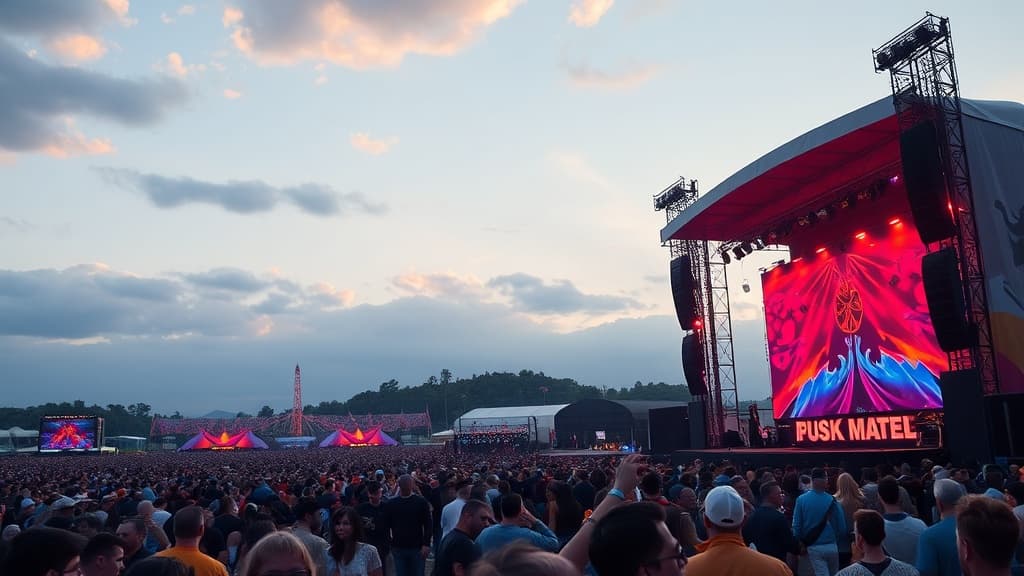
Music festival lineup announcements
In This Article
Music Festival Lineup Announcements: Your Guide to Decoding the Hype
As winter's chill begins to fade and the promise of warmer days beckons, a different kind of anticipation electrifies music lovers across the U.S.: the drop of festival lineups. These meticulously crafted posters, often unveiled with the fanfare of a major movie premiere, aren't just lists of names; they are the year's first official invitation to adventure, an intricate puzzle promising unforgettable experiences, and a crucial trigger for travel plans. For millions, a lineup announcement isn't merely news; it's a call to action, dictating everything from flight bookings to group chats strategizing the perfect weekend.

The Art and Science of the Lineup Reveal: More Than Just Names on a Poster
The journey from a blank canvas to a fully fleshed-out festival lineup is a multi-faceted process, blending artistic vision with shrewd business strategy. Major festivals, from industry titans like Coachella and Bonnaroo to more niche gatherings like Treefort or Pitchfork, meticulously curate their rosters to appeal to broad audiences while maintaining a distinct identity. This isn't just about booking the biggest acts; it's about crafting an experience.
Take Coachella, for instance, arguably the most impactful lineup announcement of the year. Historically dropping in early January, its poster immediately sets the tone for the entire festival season. In 2024, the reveal featuring headliners Lana Del Rey, Tyler, the Creator, and Doja Cat, alongside a diverse array of artists spanning genres and generations, wasn't accidental. Goldenvoice, the festival's promoter, is known for its ability to predict and even set trends. They often secure artists at pivotal moments in their careers, offering a platform that can catapult them to global stardom. Consider Billie Eilish's meteoric rise following her 2019 appearance or Bad Bunny's 2023 headlining slot solidifying his crossover appeal. The economic impact of such a reveal is immediate: according to StubHub data from previous years, searches for Coachella tickets often spike by hundreds of percentage points within hours of the lineup dropping, even before general sales begin.
Beyond the headliners, the depth of the lineup is crucial. Festivals often strategically place "legacy acts" to draw older demographics alongside emerging artists to attract younger, trend-conscious attendees. The inclusion of genres like K-Pop (e.g., BLACKPINK at Coachella 2023) or Latin music reflects a conscious effort to diversify and cater to an increasingly globalized music landscape. Event organizers like C3 Presents (Lollapalooza, ACL Fest) and Live Nation (which owns or promotes dozens of festivals) leverage extensive touring data, streaming analytics, and social media trends to inform their booking decisions. They're looking for acts that not only resonate with their target demographic but also haven't over-saturated the market in their specific region. For example, an artist might play Bonnaroo but skip Governor's Ball to avoid cannibalizing ticket sales and maintain a sense of exclusivity.
Decoding the Festival Poster: What Does the Font Size Really Mean?
For seasoned festival-goers, a lineup poster is a treasure map, each detail a clue to the weekend's vibe and potential clashes. The most obvious indicator is, of course, the billing order and font size. Headliners are top-billed, often in the largest font, signifying their status and drawing power. Below them, the "sub-headliners" or second-tier acts are still major draws, but their placement might indicate a slightly earlier set time or a slot on a secondary stage.
The tiers below become more nuanced. Acts might be listed alphabetically within a tier, or their placement could subtly hint at their growing popularity. A band appearing lower on the bill one year but moving up significantly the next is a clear sign of their rising star power. The "discoverability" factor is also a key selling point. Many attendees actively seek out artists they've never heard of, relying on the festival's curation as a stamp of quality. "My favorite part of the lineup drop isn't seeing the headliners, it's finding those five smaller bands I've never heard of and immediately diving into their discographies," says Sarah Chen, a 32-year-old festival veteran from Austin, Texas.
The "day splits" – the breakdown of artists by Friday, Saturday, and Sunday – are equally critical. They allow attendees to plan their travel, prioritize specific days, and strategize potential conflicts. A festival might intentionally stack a particular day with a strong genre focus (e.g., an all-metal Saturday or a hip-hop heavy Friday) to attract single-day ticket buyers. For group travelers, the day splits are where the real negotiations begin: "Are we doing Friday for sure because of Artist X, or do we prioritize Saturday for Artist Y?" is a common debate.
Continue Reading
Related Guides
Keep exploring this topic
Foodie Travel: 9 Culinary Capitals Every Gourmet Should Visit
Travel & Places · foodie · travel
Budget Travel HACKS: $50 a Day in Thailand?!
Travel & Places · budget · travel
Things to Do in Fort Lauderdale: Your Ultimate 2025 Travel Guide
Travel & Places
Top 5 Mistakes Tourists Make (Avoid These!)
Travel & Places
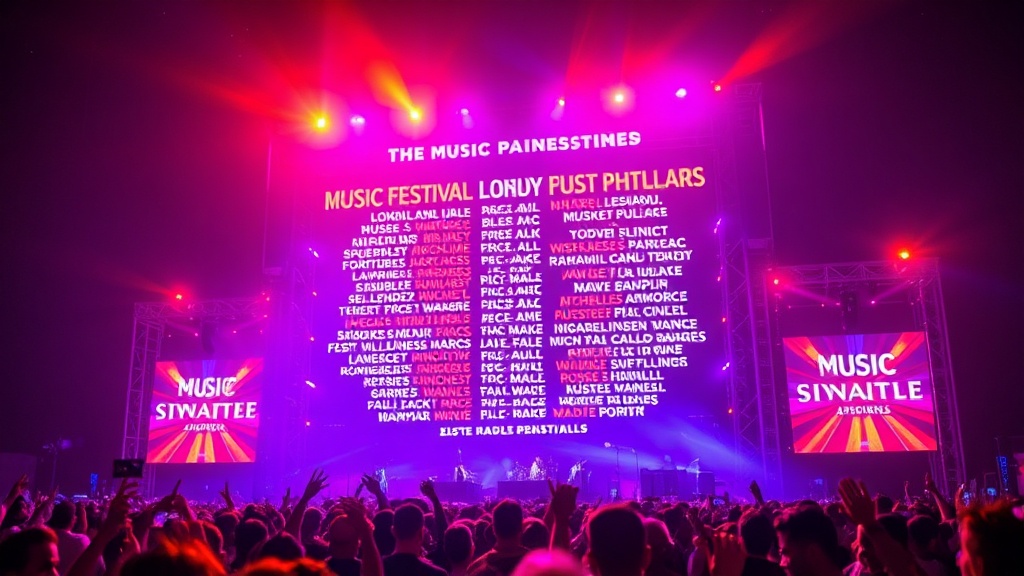
Beyond the music, some festivals include non-musical attractions directly on their lineup poster, such as art installations, comedy acts, or unique culinary experiences. This highlights a broader trend in the festival industry towards offering a more holistic "experience" rather than just a series of concerts. Bonnaroo's inclusion of "The Comedy Tent" or Electric Forest's emphasis on immersive art installations demonstrates this evolution, influencing travel decisions for those seeking more than just a musical escape.
Travel Implications: How Lineups Shape Your Festival Journey
The timing of lineup announcements is perfectly calibrated to maximize attendance and optimize travel plans. Typically, major multi-day festivals release their lineups in late fall or early winter (e.g., Life Is Beautiful, Outside Lands) or early spring (e.g., Governor's Ball, Pitchfork). This window allows enough lead time for attendees to:
- Secure Early Bird Tickets: Many festivals offer discounted "blind presale" tickets before the lineup is even announced, relying on their brand reputation. However, the true sales surge happens post-lineup. According to an analysis by SeatGeek, ticket sales often jump by 50-150% in the 48 hours following a major festival lineup reveal.
- Book Flights and Accommodation: Airfare and hotel prices notoriously spike closer to event dates. Announcing lineups months in advance gives attendees the chance to snag more affordable options. For a festival like Coachella, attracting attendees globally, flights into Palm Springs (PSP) or Los Angeles (LAX) can see their prices double or triple in the weeks leading up to the event. Savvy travelers often track these prices using tools like Google Flights or Skyscanner well in advance.
- Coordinate Group Travel: Festivals are often group endeavors. Lineup announcements provide a definitive focus for group chats, allowing friends to commit, pool resources for rental cars or Airbnbs, and divide responsibilities. The "group consensus" around a lineup is often the make-or-break factor for attendance.
- Budgeting and Financial Planning: A multi-day festival experience, including tickets, travel, food, and merchandise, can easily run into hundreds or even thousands of dollars. An early lineup announcement allows attendees to start saving and allocating funds specifically for the event.
The geographic spread of festivals across the U.S. also plays a role. Someone living on the East Coast might prioritize Governor's Ball in NYC for ease of access but might be swayed to travel to the West Coast for Outside Lands in San Francisco if the lineup is particularly compelling. Conversely, a robust local lineup might convince them to stay closer to home. The sheer volume of festivals (over 800 significant music festivals in the U.S. annually, pre-pandemic) means that competition for attendees' travel dollars is fierce.
The Future of Festival Lineup Announcements: Data, Diversity, and Digital Experiences
Looking ahead, several trends are shaping how festival lineups will be announced and perceived.
Hyper-Personalization and Data-Driven Curation: Expect festivals to leverage increasingly sophisticated data analytics to curate lineups. Beyond general demographic data, they'll analyze individual streaming habits, social media engagement with artists, and even past festival attendance data to tailor lineups. While the main poster will remain broad, personalized recommendations and stage schedules might become more common. Imagine a festival app that suggests "Artists You'll Love" based on your Spotify history.
Increased Emphasis on Diversity and Inclusivity: The industry is facing growing pressure to showcase a wider range of artists, genres, and identities. We'll likely see more deliberate efforts to achieve gender parity, racial diversity, and representation of LGBTQ+ artists across all tiers of lineups. This isn't just about social responsibility; it's also a smart business move, appealing to broader audiences. Many festivals now actively track their diversity metrics, and it's becoming a key point in their marketing.
Digital and Experiential Reveals: While the static poster will likely endure, festivals are experimenting with more dynamic reveal methods. Some might release acts incrementally over weeks (e.g., Movement Detroit's phase announcements), build anticipation with cryptic clues on social media, or even integrate augmented reality (AR) or virtual reality (VR) elements into their announcements. Imagine "walking" through a virtual festival grounds to discover artists on different stages.
Sustainability and Local Focus: As environmental concerns grow, festivals might highlight artists with a strong commitment to sustainability or prioritize local and regional acts to reduce travel emissions. This could influence attendees' choices, favoring festivals that align with their values.
Beyond the Music: More Holistic Experiences: The trend towards "experience festivals" will continue, with lineups featuring more than just musicians. Expect to see more chefs, comedians, speakers, workshop facilitators, and even wellness practitioners prominently featured, appealing to attendees seeking personal growth alongside entertainment.
Conclusion: The Beat Goes On for Festival Travelers
Festival lineup announcements are far more than just news; they are cultural touchstones that ignite passion, inspire travel, and shape the leisure landscape for millions of Americans. They represent months of meticulous planning by organizers, balancing artistic vision with commercial viability. For the attendee, decoding these posters is the first step in an exciting journey, dictating everything from flight searches to group chat debates.
As the industry evolves, driven by data, a commitment to diversity, and innovative digital experiences, the thrill of the lineup drop will only intensify. So, the next time that vibrant, multi-font poster appears on your feed, don't just see a list of names. See an invitation: an invitation to explore new music, discover new places, and forge unforgettable memories. Start planning, start saving, and get ready for the adventure that awaits.
Frequently Asked Questions
The Art and Science of the Lineup Reveal: More Than Just Names on a Poster
The journey from a blank canvas to a fully fleshed-out festival lineup is a multi-faceted process, blending artistic vision with shrewd business strategy. Major festivals, from industry titans like Coachella and Bonnaroo to more niche gatherings like Treefort or Pitchfork, meticulously curate their rosters to appeal to broad audiences while maintaining a distinct identity. This isn't just about booking the biggest acts; it's about crafting an experience.
Take Coachella, for instance, arguably the most impactful lineup announcement of the year. Historically dropping in early January, its poster immediately sets the tone for the entire festival season. In 2024, the reveal featuring headliners Lana Del Rey, Tyler, the Creator, and Doja Cat, alongside a diverse array of artists spanning genres and generations, wasn't accidental. Goldenvoice, the festival's promoter, is known for its ability to predict and even set trends. They often secure artists at pivotal moments in their careers, offering a platform that can catapult them to global stardom. Consider Billie Eilish's meteoric rise following her 2019 appearance or Bad Bunny's 2023 headlining slot solidifying his crossover appeal. The economic impact of such a reveal is immediate: according to StubHub data from previous years, searches for Coachella tickets often spike by hundreds of percentage points within hours of the lineup dropping, even before general sales begin.
Beyond the headliners, the depth of the lineup is crucial. Festivals often strategically place "legacy acts" to draw older demographics alongside emerging artists to attract younger, trend-conscious attendees. The inclusion of genres like K-Pop (e.g., BLACKPINK at Coachella 2023) or Latin music reflects a conscious effort to diversify and cater to an increasingly globalized music landscape. Event organizers like C3 Presents (Lollapalooza, ACL Fest) and Live Nation (which owns or promotes dozens of festivals) leverage extensive touring data, streaming analytics, and social media trends to inform their booking decisions. They're looking for acts that not only resonate with their target demographic but also haven't over-saturated the market in their specific region. For example, an artist might play Bonnaroo but skip Governor's Ball to avoid cannibalizing ticket sales and maintain a sense of exclusivity.
Decoding the Festival Poster: What Does the Font Size Really Mean?
For seasoned festival-goers, a lineup poster is a treasure map, each detail a clue to the weekend's vibe and potential clashes. The most obvious indicator is, of course, the billing order and font size. Headliners are top-billed, often in the largest font, signifying their status and drawing power. Below them, the "sub-headliners" or second-tier acts are still major draws, but their placement might indicate a slightly earlier set time or a slot on a secondary stage.
The tiers below become more nuanced. Acts might be listed alphabetically within a tier, or their placement could subtly hint at their growing popularity. A band appearing lower on the bill one year but moving up significantly the next is a clear sign of their rising star power. The "discoverability" factor is also a key selling point. Many attendees actively seek out artists they've never heard of, relying on the festival's curation as a stamp of quality. "My favorite part of the lineup drop isn't seeing the headliners, it's finding those five smaller bands I've never heard of and immediately diving into their discographies," says Sarah Chen, a 32-year-old festival veteran from Austin, Texas.
The "day splits" – the breakdown of artists by Friday, Saturday, and Sunday – are equally critical. They allow attendees to plan their travel, prioritize specific days, and strategize potential conflicts. A festival might intentionally stack a particular day with a strong genre focus (e.g., an all-metal Saturday or a hip-hop heavy Friday) to attract single-day ticket buyers. For group travelers, the day splits are where the real negotiations begin: "Are we doing Friday for sure because of Artist X, or do we prioritize Saturday for Artist Y?" is a common debate.
Beyond the music, some festivals include non-musical attractions directly on their lineup poster, such as art installations, comedy acts, or unique culinary experiences. This highlights a broader trend in the festival industry towards offering a more holistic "experience" rather than just a series of concerts. Bonnaroo's inclusion of "The Comedy Tent" or Electric Forest's emphasis on immersive art installations demonstrates this evolution, influencing travel decisions for those seeking more than just a musical escape.
Travel Implications: How Lineups Shape Your Festival Journey
The timing of lineup announcements is perfectly calibrated to maximize attendance and optimize travel plans. Typically, major multi-day festivals release their lineups in late fall or early winter (e.g., Life Is Beautiful, Outside Lands) or early spring (e.g., Governor's Ball, Pitchfork). This window allows enough lead time for attendees to:
- Secure Early Bird Tickets: Many festivals offer discounted "blind presale" tickets before the lineup is even announced, relying on their brand reputation. However, the true sales surge happens post-lineup. According to an analysis by SeatGeek, ticket sales often jump by 50-150% in the 48 hours following a major festival lineup reveal.
- Book Flights and Accommodation: Airfare and hotel prices notoriously spike closer to event dates. Announcing lineups months in advance gives attendees the chance to snag more affordable options. For a festival like Coachella, attracting attendees globally, flights into Palm Springs (PSP) or Los Angeles (LAX) can see their prices double or triple in the weeks leading up to the event. Savvy travelers often track these prices using tools like Google Flights or Skyscanner well in advance.
- Coordinate Group Travel: Festivals are often group endeavors. Lineup announcements provide a definitive focus for group chats, allowing friends to commit, pool resources for rental cars or Airbnbs, and divide responsibilities. The "group consensus" around a lineup is often the make-or-break factor for attendance.
- Budgeting and Financial Planning: A multi-day festival experience, including tickets, travel, food, and merchandise, can easily run into hundreds or even thousands of dollars. An early lineup announcement allows attendees to start saving and allocating funds specifically for the event.
The geographic spread of festivals across the U.S. also plays a role. Someone living on the East Coast might prioritize Governor's Ball in NYC for ease of access but might be swayed to travel to the West Coast for Outside Lands in San Francisco if the lineup is particularly compelling. Conversely, a robust local lineup might convince them to stay closer to home. The sheer volume of festivals (over 800 significant music festivals in the U.S. annually, pre-pandemic) means that competition for attendees' travel dollars is fierce.
The Future of Festival Lineup Announcements: Data, Diversity, and Digital Experiences
Looking ahead, several trends are shaping how festival lineups will be announced and perceived.
Hyper-Personalization and Data-Driven Curation: Expect festivals to leverage increasingly sophisticated data analytics to curate lineups. Beyond general demographic data, they'll analyze individual streaming habits, social media engagement with artists, and even past festival attendance data to tailor lineups. While the main poster will remain broad, personalized recommendations and stage schedules might become more common. Imagine a festival app that suggests "Artists You'll Love" based on your Spotify history.
Increased Emphasis on Diversity and Inclusivity: The industry is facing growing pressure to showcase a wider range of artists, genres, and identities. We'll likely see more deliberate efforts to achieve gender parity, racial diversity, and representation of LGBTQ+ artists across all tiers of lineups. This isn't just about social responsibility; it's also a smart business move, appealing to broader audiences. Many festivals now actively track their diversity metrics, and it's becoming a key point in their marketing.
Digital and Experiential Reveals: While the static poster will likely endure, festivals are experimenting with more dynamic reveal methods. Some might release acts incrementally over weeks (e.g., Movement Detroit's phase announcements), build anticipation with cryptic clues on social media, or even integrate augmented reality (AR) or virtual reality (VR) elements into their announcements. Imagine "walking" through a virtual festival grounds to discover artists on different stages.
Sustainability and Local Focus: As environmental concerns grow, festivals might highlight artists with a strong commitment to sustainability or prioritize local and regional acts to reduce travel emissions. This could influence attendees' choices, favoring festivals that align with their values.
Beyond the Music: More Holistic Experiences: The trend towards "experience festivals" will continue, with lineups featuring more than just musicians. Expect to see more chefs, comedians, speakers, workshop facilitators, and even wellness practitioners prominently featured, appealing to attendees seeking personal growth alongside entertainment.
Conclusion: The Beat Goes On for Festival Travelers
Festival lineup announcements are far more than just news; they are cultural touchstones that ignite passion, inspire travel, and shape the leisure landscape for millions of Americans. They represent months of meticulous planning by organizers, balancing artistic vision with commercial viability. For the attendee, decoding these posters is the first step in an exciting journey, dictating everything from flight searches to group chat debates.
As the industry evolves, driven by data, a commitment to diversity, and innovative digital experiences, the thrill of the lineup drop will only intensify. So, the next time that vibrant, multi-font poster appears on your feed, don't just see a list of names. See an invitation: an invitation to explore new music, discover new places, and forge unforgettable memories. Start planning, start saving, and get ready for the adventure that awaits.
More from Travel & Places


Explore More Categories
Keep browsing by topic and build depth around the subjects you care about most.