Inflation Rate US March 2026: What Businesses Need to Know
Quick Summary
Inflation Rate US March 2026: What Businesses Need to Know The U.S. inflation rate in March 2026 is poised to be a critical barometer for businesses across every sector,...
In This Article
Inflation Rate US March 2026: What Businesses Need to Know
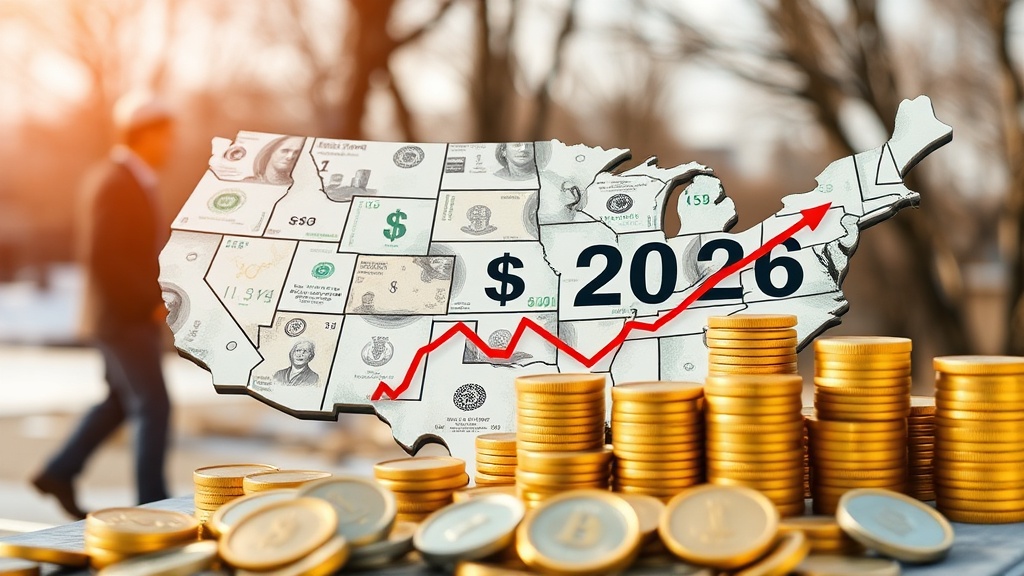
The U.S. inflation rate in March 2026 is poised to be a critical barometer for businesses across every sector, influencing everything from raw material costs and labor wages to consumer spending power and investment strategies. As we look ahead, understanding the nuances of this economic indicator is not just an academic exercise but a strategic imperative for sustained profitability and growth. Projections and expert consensus suggest that while the Federal Reserve’s efforts to tame inflation will likely have yielded results, businesses must remain vigilant against persistent underlying pressures and emerging economic shifts.

The Lingering Aftershocks: A Look Back at Inflation's Journey
To understand March 2026, we must first contextualize the journey inflation has taken since its post-pandemic peak. The Consumer Price Index (CPI), the most common measure of inflation, surged to a 40-year high of 9.1% in June 2022. This spike was fueled by a confluence of factors: unprecedented fiscal stimulus, supply chain disruptions exacerbated by the pandemic and geopolitical events like the war in Ukraine, and robust consumer demand. For businesses, this meant rapidly escalating input costs – from shipping containers jumping from around $2,000 to over $20,000 for a 40-foot container at their peak, to a significant increase in the cost of crucial commodities like crude oil, which briefly topped $120 per barrel in early 2022.
The Federal Reserve's aggressive monetary policy response, involving a series of interest rate hikes from near zero in early 2022 to above 5% by mid-2023, began to cool demand and supply-side pressures. Data from the Bureau of Labor Statistics (BLS) showed a gradual deceleration of CPI growth throughout late 2023 and into 2024. For instance, the year-over-year CPI dipped below 4% by mid-2023 and continued its downward trend, though not always smoothly. However, core inflation, which excludes volatile food and energy prices, proved stickier, signaling that underlying demand and wage pressures were taking longer to dissipate. Businesses, from manufacturing to retail, experienced this firsthand. A small-scale furniture manufacturer in North Carolina, for example, saw their lumber costs stabilize but faced persistent wage demands from skilled laborers, impacting their profit margins even as shipping costs eased. This "sticky" core inflation is precisely what businesses need to monitor as we approach March 2026.
Analyzing the Drivers: Beyond Headline Numbers
As March 2026 approaches, the forces shaping the inflation rate will be more nuanced than the initial post-pandemic surge. While the headline CPI will undoubtedly grab attention, businesses must delve deeper into its components. We anticipate several key drivers will be at play:
1. Wage Growth and Labor Market Dynamics: The tightness of the U.S. labor market has been a persistent inflationary pressure. Even with a projected cooling, unemployment rates are expected to remain relatively low (e.g., around 3.8-4.2% by early 2026, according to consensus forecasts from organizations like the Congressional Budget Office and the IMF). This continued demand for workers, particularly in service sectors, implies sustained wage growth, albeit at a slower pace than the 5%+ seen in 2022. For a restaurant chain like Chipotle, for instance, a 4% year-over-year increase in average hourly earnings for its staff across its thousands of locations translates into significant operational cost increases that may need to be passed on to consumers. Businesses should closely monitor the Employment Cost Index (ECI) for a more comprehensive view of labor cost inflation than average hourly earnings alone.
2. Services vs. Goods Inflation: A critical shift in the inflation landscape by March 2026 will be the rebalancing between goods and services. Goods inflation, which surged due to supply chain issues and robust demand for tangible products during the pandemic, has largely normalized. However, services inflation, encompassing everything from housing (shelter costs) to healthcare and transportation services, remains a significant concern. The shelter component, representing over 30% of the CPI, operates with a lag. Lease renewals signed in 2024 and 2025 at higher rates will continue to feed into the CPI throughout 2026. For real estate developers and property management companies, understanding this lag is crucial for revenue forecasting and budgeting. Similarly, health insurance premiums and medical services, which are less sensitive to interest rate hikes, are expected to see steady increases, impacting employer healthcare costs directly.
3. Geopolitical Stability and Commodity Prices: While less predictable, geopolitical events will continue to play a role. Disruptions in major oil-producing regions or critical mineral supply chains (e.g., for electric vehicle batteries) could trigger renewed commodity price volatility. Even a moderate increase in crude oil prices by $10-15 per barrel can have ripple effects across the economy, impacting transportation costs for retailers like Amazon, utility bills for manufacturers, and input costs for chemical producers. Businesses with international supply chains must maintain robust contingency plans and monitor global political developments as closely as domestic economic data.
4. Fiscal Policy and Government Spending: The level of U.S. government spending and potential future stimulus packages could also influence inflation. While large-scale pandemic-era stimulus is unlikely, ongoing infrastructure projects or new policy initiatives could inject demand into specific sectors, potentially creating localized inflationary pressures. For example, increased investment in renewable energy infrastructure could drive up demand and prices for materials like copper and lithium, impacting businesses in those supply chains.
Practical Steps: Navigating the Inflationary Current
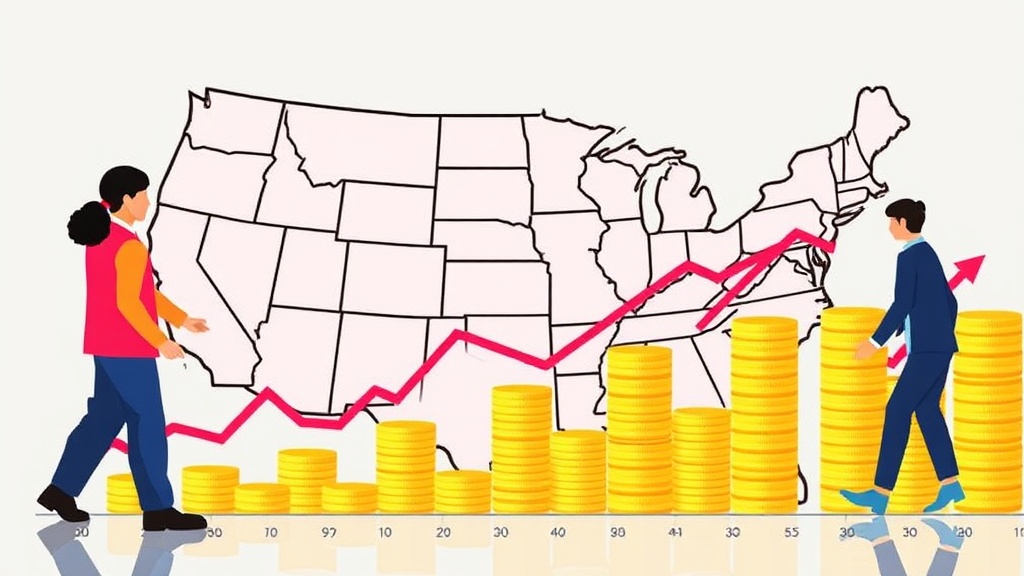
For U.S. businesses, navigating the projected March 2026 inflation environment requires proactive strategies rather than reactive measures.
1. Robust Cost Management and Efficiency: With sticky core inflation, every dollar saved on operational costs directly impacts the bottom line. Businesses should reassess their entire supply chain, exploring opportunities for diversification to reduce reliance on single suppliers or geographic regions, and negotiating long-term contracts where beneficial. Implementing lean manufacturing principles, investing in automation, and optimizing logistics can yield significant savings. For a trucking company, even a 1% improvement in fuel efficiency across its fleet, achieved through route optimization software or newer vehicles, can translate into millions of dollars in annual savings.
2. Dynamic Pricing Strategies: Businesses must be agile in their pricing. While indiscriminately raising prices can deter customers, value-based pricing, subscription models, or tiered pricing can help absorb rising costs without alienating consumers. Understanding price elasticity for different products and services is crucial. A software-as-a-service (SaaS) company, for instance, might raise prices for enterprise-level clients who are less price-sensitive, while maintaining competitive rates for smaller businesses. Regular market research and competitor analysis are essential to inform these decisions.
3. Talent Retention and Compensation Review: With ongoing wage pressures, attracting and retaining skilled talent remains a priority. Businesses should move beyond just base salary when reviewing compensation, focusing on total rewards packages that include benefits, professional development, and work-life balance initiatives. A competitive benefits package, including robust health insurance and retirement plans, can be a significant differentiator in a tight labor market, potentially reducing turnover costs. Furthermore, investing in employee training and upskilling can mitigate the impact of rising external hiring costs.
4. Hedging and Financial Planning: For businesses with significant exposure to commodity price fluctuations (e.g., airlines for fuel, food processors for agricultural products), utilizing financial instruments like futures contracts can help hedge against volatility. Robust financial forecasting, stress-testing budgets against various inflation scenarios, and maintaining healthy cash reserves will provide resilience. Access to flexible credit lines can also be crucial for managing working capital requirements during periods of higher costs.
5. Customer Communication and Value Proposition: In an environment where consumers are still feeling the pinch of cumulative inflation, transparency and a clear value proposition are paramount. Businesses should communicate price changes effectively, explaining the underlying reasons (e.g., increased input costs, improved product features). Emphasizing the value, quality, and benefits of their offerings can help justify price adjustments and maintain customer loyalty. For a consumer goods brand, highlighting sustainable sourcing or premium ingredients can differentiate it from cheaper alternatives.
What's Next: The Horizon Beyond March 2026
Looking beyond March 2026, the trajectory of inflation will largely depend on a few key factors:
Free Weekly Newsletter
Enjoying this guide?
Get the best articles like this one delivered to your inbox every week. No spam.
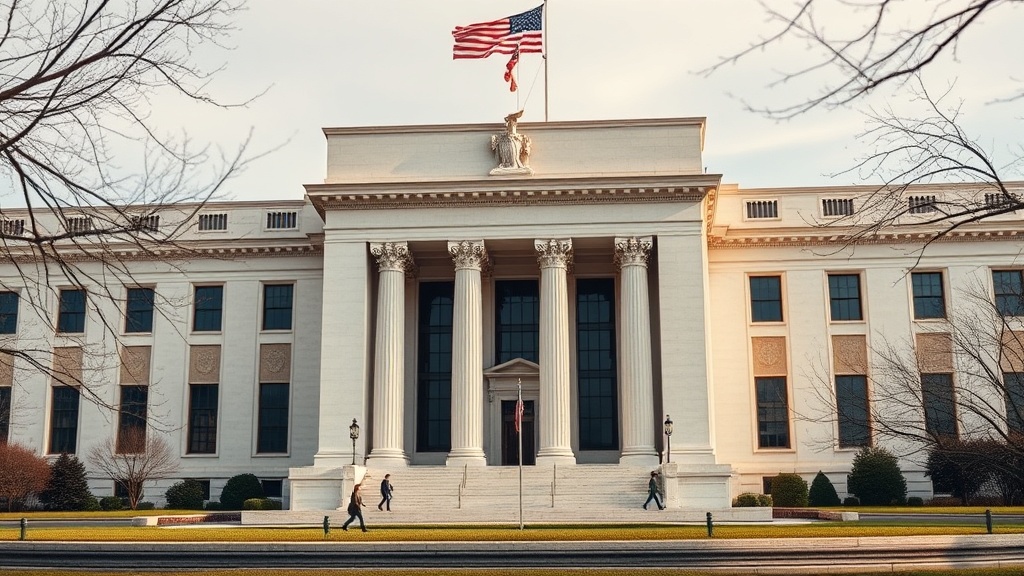
1. The Federal Reserve's Stance: While the Fed is expected to be done with rate hikes by March 2026, the question of when and how quickly they might cut rates will significantly influence economic activity and inflation expectations. A premature pivot could reignite inflationary pressures, while holding rates too high for too long could stifle growth. Businesses should closely follow FOMC announcements and economic projections.
2. Productivity Growth: A critical long-term antidote to inflation is sustained productivity growth. Investments in technology, automation, and AI could boost output per worker, allowing businesses to absorb higher labor costs without needing to raise prices as much. Sectors embracing these innovations stand to benefit most.
3. Global Economic Resiliency: The health of the global economy, particularly major trading partners, will continue to impact U.S. supply chains and demand for American exports. A slowdown in China or Europe could ease commodity prices but also dampen demand for U.S. goods and services.
4. Consumer Behavior and Sentiment: Persistent inflation can alter consumer behavior, leading to increased savings rates, more cautious spending, and a greater focus on value. Businesses need to continually adapt their product offerings and marketing strategies to align with evolving consumer preferences.
Conclusion: Agility is the New Stability
The U.S. inflation rate in March 2026 will likely reflect a more stable, albeit still elevated, price environment compared to the peaks of 2022. For U.S. businesses, the key takeaway is that economic volatility is the new normal, and agility is paramount. Moving forward, a deep understanding of inflation's underlying drivers, coupled with proactive strategies in cost management, pricing, talent, and financial planning, will differentiate resilient enterprises from those that merely react.
Businesses that leverage data analytics to forecast costs, invest in efficiency-enhancing technologies, and foster strong relationships with both their employees and customers will be best positioned to not only survive but thrive in the evolving economic landscape. Don't wait for the March 2026 CPI report to hit; start reviewing your operational strategies today to build a more resilient and profitable tomorrow.
Free Investing Tools
Frequently Asked Questions
The Lingering Aftershocks: A Look Back at Inflation's Journey
To understand March 2026, we must first contextualize the journey inflation has taken since its post-pandemic peak. The Consumer Price Index (CPI), the most common measure of inflation, surged to a 40-year high of 9.1% in June 2022. This spike was fueled by a confluence of factors: unprecedented fiscal stimulus, supply chain disruptions exacerbated by the pandemic and geopolitical events like the war in Ukraine, and robust consumer demand. For businesses, this meant rapidly escalating input costs – from shipping containers jumping from around $2,000 to over $20,000 for a 40-foot container at their peak, to a significant increase in the cost of crucial commodities like crude oil, which briefly topped $120 per barrel in early 2022.
The Federal Reserve's aggressive monetary policy response, involving a series of interest rate hikes from near zero in early 2022 to above 5% by mid-2023, began to cool demand and supply-side pressures. Data from the Bureau of Labor Statistics (BLS) showed a gradual deceleration of CPI growth throughout late 2023 and into 2024. For instance, the year-over-year CPI dipped below 4% by mid-2023 and continued its downward trend, though not always smoothly. However, core inflation, which excludes volatile food and energy prices, proved stickier, signaling that underlying demand and wage pressures were taking longer to dissipate. Businesses, from manufacturing to retail, experienced this firsthand. A small-scale furniture manufacturer in North Carolina, for example, saw their lumber costs stabilize but faced persistent wage demands from skilled laborers, impacting their profit margins even as shipping costs eased. This "sticky" core inflation is precisely what businesses need to monitor as we approach March 2026.
Analyzing the Drivers: Beyond Headline Numbers
As March 2026 approaches, the forces shaping the inflation rate will be more nuanced than the initial post-pandemic surge. While the headline CPI will undoubtedly grab attention, businesses must delve deeper into its components. We anticipate several key drivers will be at play:
1. Wage Growth and Labor Market Dynamics: The tightness of the U.S. labor market has been a persistent inflationary pressure. Even with a projected cooling, unemployment rates are expected to remain relatively low (e.g., around 3.8-4.2% by early 2026, according to consensus forecasts from organizations like the Congressional Budget Office and the IMF). This continued demand for workers, particularly in service sectors, implies sustained wage growth, albeit at a slower pace than the 5%+ seen in 2022. For a restaurant chain like Chipotle, for instance, a 4% year-over-year increase in average hourly earnings for its staff across its thousands of locations translates into significant operational cost increases that may need to be passed on to consumers. Businesses should closely monitor the Employment Cost Index (ECI) for a more comprehensive view of labor cost inflation than average hourly earnings alone.
2. Services vs. Goods Inflation: A critical shift in the inflation landscape by March 2026 will be the rebalancing between goods and services. Goods inflation, which surged due to supply chain issues and robust demand for tangible products during the pandemic, has largely normalized. However, services inflation, encompassing everything from housing (shelter costs) to healthcare and transportation services, remains a significant concern. The shelter component, representing over 30% of the CPI, operates with a lag. Lease renewals signed in 2024 and 2025 at higher rates will continue to feed into the CPI throughout 2026. For real estate developers and property management companies, understanding this lag is crucial for revenue forecasting and budgeting. Similarly, health insurance premiums and medical services, which are less sensitive to interest rate hikes, are expected to see steady increases, impacting employer healthcare costs directly.
3. Geopolitical Stability and Commodity Prices: While less predictable, geopolitical events will continue to play a role. Disruptions in major oil-producing regions or critical mineral supply chains (e.g., for electric vehicle batteries) could trigger renewed commodity price volatility. Even a moderate increase in crude oil prices by $10-15 per barrel can have ripple effects across the economy, impacting transportation costs for retailers like Amazon, utility bills for manufacturers, and input costs for chemical producers. Businesses with international supply chains must maintain robust contingency plans and monitor global political developments as closely as domestic economic data.
4. Fiscal Policy and Government Spending: The level of U.S. government spending and potential future stimulus packages could also influence inflation. While large-scale pandemic-era stimulus is unlikely, ongoing infrastructure projects or new policy initiatives could inject demand into specific sectors, potentially creating localized inflationary pressures. For example, increased investment in renewable energy infrastructure could drive up demand and prices for materials like copper and lithium, impacting businesses in those supply chains.
Practical Steps: Navigating the Inflationary Current
For U.S. businesses, navigating the projected March 2026 inflation environment requires proactive strategies rather than reactive measures.
1. Robust Cost Management and Efficiency: With sticky core inflation, every dollar saved on operational costs directly impacts the bottom line. Businesses should reassess their entire supply chain, exploring opportunities for diversification to reduce reliance on single suppliers or geographic regions, and negotiating long-term contracts where beneficial. Implementing lean manufacturing principles, investing in automation, and optimizing logistics can yield significant savings. For a trucking company, even a 1% improvement in fuel efficiency across its fleet, achieved through route optimization software or newer vehicles, can translate into millions of dollars in annual savings.
2. Dynamic Pricing Strategies: Businesses must be agile in their pricing. While indiscriminately raising prices can deter customers, value-based pricing, subscription models, or tiered pricing can help absorb rising costs without alienating consumers. Understanding price elasticity for different products and services is crucial. A software-as-a-service (SaaS) company, for instance, might raise prices for enterprise-level clients who are less price-sensitive, while maintaining competitive rates for smaller businesses. Regular market research and competitor analysis are essential to inform these decisions.
3. Talent Retention and Compensation Review: With ongoing wage pressures, attracting and retaining skilled talent remains a priority. Businesses should move beyond just base salary when reviewing compensation, focusing on total rewards packages that include benefits, professional development, and work-life balance initiatives. A competitive benefits package, including robust health insurance and retirement plans, can be a significant differentiator in a tight labor market, potentially reducing turnover costs. Furthermore, investing in employee training and upskilling can mitigate the impact of rising external hiring costs.
4. Hedging and Financial Planning: For businesses with significant exposure to commodity price fluctuations (e.g., airlines for fuel, food processors for agricultural products), utilizing financial instruments like futures contracts can help hedge against volatility. Robust financial forecasting, stress-testing budgets against various inflation scenarios, and maintaining healthy cash reserves will provide resilience. Access to flexible credit lines can also be crucial for managing working capital requirements during periods of higher costs.
5. Customer Communication and Value Proposition: In an environment where consumers are still feeling the pinch of cumulative inflation, transparency and a clear value proposition are paramount. Businesses should communicate price changes effectively, explaining the underlying reasons (e.g., increased input costs, improved product features). Emphasizing the value, quality, and benefits of their offerings can help justify price adjustments and maintain customer loyalty. For a consumer goods brand, highlighting sustainable sourcing or premium ingredients can differentiate it from cheaper alternatives.
What's Next: The Horizon Beyond March 2026
Looking beyond March 2026, the trajectory of inflation will largely depend on a few key factors:
1. The Federal Reserve's Stance: While the Fed is expected to be done with rate hikes by March 2026, the question of when and how quickly they might cut rates will significantly influence economic activity and inflation expectations. A premature pivot could reignite inflationary pressures, while holding rates too high for too long could stifle growth. Businesses should closely follow FOMC announcements and economic projections.
2. Productivity Growth: A critical long-term antidote to inflation is sustained productivity growth. Investments in technology, automation, and AI could boost output per worker, allowing businesses to absorb higher labor costs without needing to raise prices as much. Sectors embracing these innovations stand to benefit most.
3. Global Economic Resiliency: The health of the global economy, particularly major trading partners, will continue to impact U.S. supply chains and demand for American exports. A slowdown in China or Europe could ease commodity prices but also dampen demand for U.S. goods and services.
4. Consumer Behavior and Sentiment: Persistent inflation can alter consumer behavior, leading to increased savings rates, more cautious spending, and a greater focus on value. Businesses need to continually adapt their product offerings and marketing strategies to align with evolving consumer preferences.
Conclusion: Agility is the New Stability
The U.S. inflation rate in March 2026 will likely reflect a more stable, albeit still elevated, price environment compared to the peaks of 2022. For U.S. businesses, the key takeaway is that economic volatility is the new normal, and agility is paramount. Moving forward, a deep understanding of inflation's underlying drivers, coupled with proactive strategies in cost management, pricing, talent, and financial planning, will differentiate resilient enterprises from those that merely react.
Businesses that leverage data analytics to forecast costs, invest in efficiency-enhancing technologies, and foster strong relationships with both their employees and customers will be best positioned to not only survive but thrive in the evolving economic landscape. Don't wait for the March 2026 CPI report to hit; start reviewing your operational strategies today to build a more resilient and profitable tomorrow.
About Zeebrain Editorial
Zeebrain publishes independent analysis of markets, investing, personal finance, and business. We disclose affiliate relationships, never accept payment for coverage, and fact-check all claims against primary sources. Read our editorial policy →
How this article was produced: Zeebrain articles are created with AI assistance from primary sources (including cited videos and market data) and reviewed under our editorial standards before publication. Spot an error? Tell us and we will correct it.
Disclaimer: Content on Zeebrain is for informational and educational purposes only and does not constitute financial advice or a recommendation to buy or sell any security. Always conduct your own research and consult a qualified financial adviser before making investment decisions. Past performance is not indicative of future results.
More from Business & Money


Related Guides
Keep exploring this topic
US Export Controls and AI: What Businesses Need to Know
Business & Money
Why Gen Z Struggles to Find Work — And Who's Really to Blame
Business & Money
Federal Reserve interest rates: Impact on businesses and investments
Business & Money
Avantis CIBC ETFs: Evidence-Based Investing for Canadians
Business & Money
Explore More Categories
Keep browsing by topic and build depth around the subjects you care about most.