Inflation rate predictions for Q2 2026: What businesses need to know

Quick Summary
For U.S. businesses, navigating the economic landscape often feels like charting a course through ever-shifting sands. While today's headlines might focus on current interest rate decisions or supply
In This Article
Inflation Rate Predictions for Q2 2026: What Businesses Need to Know
Introduction
For U.S. businesses, navigating the economic landscape often feels like charting a course through ever-shifting sands. While today's headlines might focus on current interest rate decisions or supply chain snags, smart businesses are already looking ahead, meticulously planning for the future. And few economic indicators demand more foresight than inflation. The specter of rapid price increases, or conversely, the subtle creep of disinflation, profoundly impacts everything from procurement costs and wage negotiations to customer pricing strategies and investment decisions. As we approach mid-2024, now is the opportune moment to begin dissecting inflation rate predictions for Q2 2026. Why Q2 2026? Because for most strategic planning cycles – budgeting, capital expenditure proposals, new product development, and talent acquisition strategies – an 18-24 month horizon is absolutely critical. Understanding the probable inflationary environment then isn't just about avoiding surprises; it's about building resilience, identifying opportunities, and maintaining competitive advantage in a marketplace that demands agility and informed decision-making. Ignoring these long-range signals is akin to sailing without a compass – a recipe for disaster.
The Lingering Echoes: Understanding the Current Economic Climate and Its Trajectory
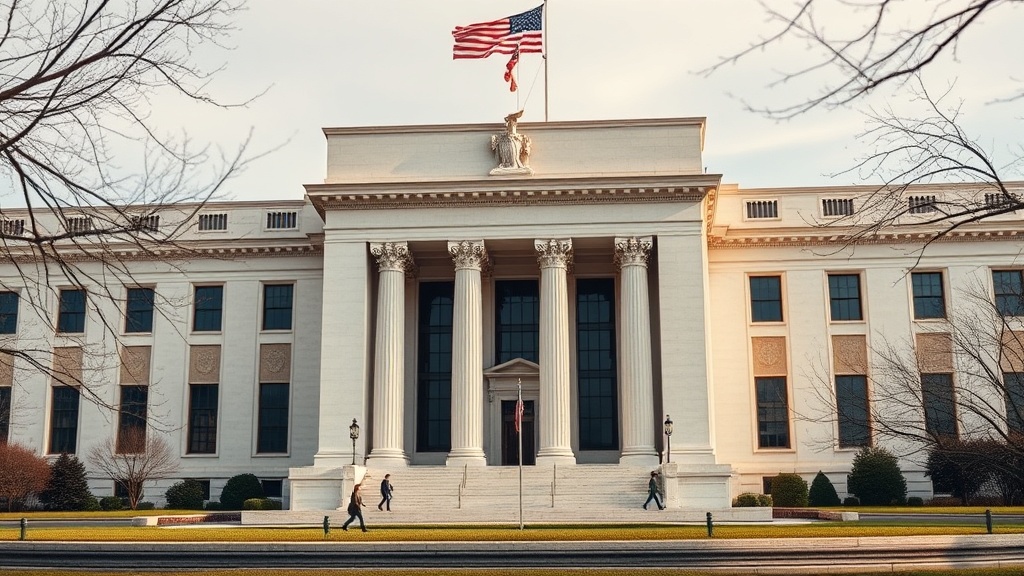
To project inflation for Q2 2026, we must first firmly grasp the forces currently shaping the U.S. economy and extrapolate their likely trajectory. The post-pandemic inflationary surge, driven by unprecedented fiscal stimulus, monetary easing, and supply chain disruptions, has largely subsided from its peaks of 9.1% (CPI) in June 2022. The Federal Reserve's aggressive interest rate hikes, pushing the federal funds rate to a 22-year high, have demonstrably cooled demand and brought inflation closer to their 2% target. As of early 2024, the annual CPI has largely hovered around 3-3.5%, a significant improvement but still above the Fed's comfort zone.
However, the path to 2% is proving sticky. Core inflation (excluding volatile food and energy prices), a metric closely watched by the Fed, has shown resilience, particularly in the services sector. Wages, though decelerating, continue to grow at rates that, combined with modest productivity gains, could still fuel inflationary pressures. The labor market, while cooling from its white-hot state, remains relatively tight, with the unemployment rate stubbornly below 4%. This persistent strength in the labor market provides a bedrock for consumer spending, even as higher interest rates bite.
Furthermore, several structural factors continue to influence the long-term inflationary outlook. Geopolitical tensions, such as ongoing conflicts in Eastern Europe and the Middle East, introduce volatility in energy and commodity markets. "Friend-shoring" and reshoring initiatives, aimed at enhancing supply chain resilience, may increase production costs in the short to medium term compared to cheaper global alternatives. The vast fiscal deficits incurred during and after the pandemic, while perhaps less stimulative in 2026, still represent a significant overhang that could indirectly influence market expectations and long-term interest rates. Businesses must consider how these multifaceted and often contradictory forces will intertwine to shape the economic backdrop against which Q2 2026 inflation will be measured.
Dissecting the Drivers for Q2 2026: Monetary Policy, Geopolitics, and Demographics
Projecting inflation for Q2 2026 requires a deeper dive into specific drivers, moving beyond current trends to anticipate future shifts.
Monetary Policy and the Fed's Stance: By Q2 2026, the market widely anticipates that the Federal Reserve will have initiated a series of rate cuts from their peak in 2024. The exact pace and magnitude, however, are subject to intense debate and will be the single most influential factor. Most economists forecast that the federal funds rate will settle in a range of 3.00% to 4.00% by mid-2026, down from the 5.25%-5.50% range seen in early 2024. If the Fed cuts rates too aggressively in response to a perceived economic slowdown, it could reignite demand-side inflation. Conversely, if they maintain a restrictive stance for too long, it risks a deeper recession, which would be disinflationary. The "neutral rate" – the rate that neither stimulates nor constrains economic growth – is also a moving target, with some economists arguing it has risen post-pandemic. The Fed's ability to navigate this "soft landing" and anchor inflation expectations at 2% will be paramount. Their credibility, hard-won through the 2022-2023 tightening cycle, will be under continuous scrutiny.
Geopolitical Dynamics and Commodity Volatility: The global geopolitical landscape will continue to play a crucial role. The ongoing war in Ukraine, tensions in the South China Sea, and potential instability in the Middle East all carry the risk of supply disruptions and price spikes in critical commodities like oil, natural gas, and agricultural products. For instance, a major escalation in the Strait of Hormuz could send oil prices soaring, impacting transportation costs and manufacturing input prices across the board. Similarly, extreme weather events, amplified by climate change, could disrupt food supply chains, leading to localized or broader food price inflation. Businesses need to factor in a certain degree of geopolitical risk premium into their long-range planning, considering diversified sourcing and hedging strategies.

Labor Market and Demographics: The U.S. labor market in Q2 2026 is expected to remain relatively tight, albeit with some moderation from current levels. Demographic shifts, notably the aging population and lower birth rates, contribute to slower labor force growth. This structural tightness can create persistent upward pressure on wages, especially for skilled positions. However, artificial intelligence (AI) and automation could begin to exert a more significant influence by 2026, potentially improving productivity and offsetting some wage pressures in certain sectors. The balance between these forces – demographic constraints on labor supply versus technological advancements in productivity – will be a key determinant of services inflation.
Considering these factors, the consensus among many institutional forecasters (e.g., the Congressional Budget Office, major investment banks like Goldman Sachs and JP Morgan, and economic think tanks) projects that headline CPI in Q2 2026 will likely fall within a range of 2.3% to 2.8%. Core CPI, which tends to be stickier, might be slightly higher, perhaps 2.5% to 3.0%. This suggests a return to a more normalized, but still slightly elevated, inflationary environment compared to the pre-pandemic decade of sub-2% inflation.
Practical Implications for U.S. Businesses
A projected inflation rate in the 2.3% to 3.0% range for Q2 2026, while significantly lower than the post-pandemic peak, still carries substantial implications for U.S. businesses. This is not the benign, sub-2% inflation of the 2010s, meaning businesses cannot afford to be complacent.
1. Strategic Pricing and Cost Management: Businesses must adopt dynamic pricing strategies. Instead of annual price adjustments, consider more frequent, data-driven reviews. For example, a mid-sized manufacturing company might implement quarterly pricing evaluations, leveraging predictive analytics to anticipate input cost fluctuations. Focus on value-based pricing rather than solely cost-plus, communicating the enhanced value proposition to customers to justify price increases. On the cost side, rigorous cost management is paramount. This includes: * Negotiating longer-term contracts with suppliers: Lock in prices where possible, but include clauses for market adjustments or early termination if conditions drastically change. * Diversifying supply chains: Reduce reliance on single sources, especially for critical components vulnerable to geopolitical shocks. A company like Apple, known for its complex global supply chain, continuously maps alternative suppliers to mitigate risk. * Investing in automation and efficiency: Even with moderating wage growth, labor costs will remain a significant factor. Businesses in sectors like logistics, manufacturing, and even some service industries should accelerate investments in robotics, AI-driven process optimization, and digital transformation to improve productivity per employee.
2. Wage and Compensation Strategies: With the labor market remaining relatively tight, wage pressures will persist. Businesses need to move beyond simply matching inflation. * Performance-based compensation: Shift a portion of compensation to performance-based bonuses or equity, aligning employee incentives with company success and making overall compensation more flexible. * Total Rewards Approach: Focus on a holistic compensation package that includes health benefits, professional development, flexible work arrangements, and a positive company culture, which can be just as important as base salary in attracting and retaining talent. * Regular benchmarking: Continuously benchmark salaries against competitors and industry averages to ensure competitive offers, especially for high-demand roles in tech, skilled trades, and specialized services. A software development firm in Seattle, for instance, might need to offer total compensation packages that account for regional cost of living and specific skill sets.
3. Capital Expenditure and Investment Decisions: Higher nominal inflation translates to higher nominal returns for assets, but real returns are what truly matter. * Inflation-adjusted ROI: Businesses must evaluate capital expenditure projects using inflation-adjusted return on investment (ROI) metrics. Discount rates should reflect the likely cost of capital in a moderately inflationary environment. * Investing in productive assets: Prioritize investments that enhance productivity, reduce operating costs, or generate strong revenue growth. This could mean upgrading to more energy-efficient machinery for a manufacturing plant, investing in new customer relationship management (CRM) software for a service business, or expanding e-commerce capabilities for a retail brand. * Debt management: While interest rates may have peaked, businesses should prudently manage debt. Refinancing at lower rates if available by mid-2026 can reduce future interest expenses. Avoid excessive floating-rate debt if inflation expectations remain elevated, as that can translate to higher interest costs.
4. Inventory Management: The "just-in-time" inventory model, which gained prominence in low-inflation environments, proved fragile during the pandemic. * Strategic Stockpiling: Businesses might consider strategic stockpiling of critical components or finished goods if they anticipate price increases or supply chain disruptions. This requires careful balance to avoid excessive carrying costs. A furniture retailer, for example, might increase inventory levels of high-demand imported wood veneers if supplier lead times are extending and commodity prices are volatile. * Diversified Inventory Locations: Spreading inventory across multiple warehouses can reduce reliance on single points of failure and improve distribution resilience. * Technology for Demand Forecasting: Invest in advanced demand forecasting software to optimize inventory levels, minimizing both stockouts and overstocking.
Future Outlook: The "New Normal" and Beyond Q2 2026
Free Weekly Newsletter
Enjoying this guide?
Get the best articles like this one delivered to your inbox every week. No spam.
Looking beyond Q2 2026, the U.S. economy is likely to settle into what many economists are calling a "new normal" characterized by moderately higher inflation than the pre-pandemic era, perhaps closer to 2.5% on average, rather than the elusive 2.0%. This isn't necessarily a negative outcome, as long as it's stable and predictable. The reasons for this shift are structural:
- Deglobalization/Reshoring: The political and economic impetus to diversify supply chains away from over-reliance on single, often distant, geographies will continue. While offering resilience, this often comes with higher production costs.
- Climate Change & Green Transition: Investments required for decarbonization, coupled with potential disruptions from extreme weather events, could add inflationary pressures in energy and food sectors for decades. The push for electric vehicles, for instance, drives demand and prices for critical minerals.
- Aging Demographics & Labor Scarcity: As discussed, the structural tightness in the labor market, barring massive immigration or automation breakthroughs, will keep a floor under wage growth.
- Persistent Fiscal Deficits: While perhaps less directly inflationary on a quarter-to-quarter basis, large government debt and deficits can subtly influence long-term inflation expectations and interest rates.
Businesses need to prepare for an environment where central banks like the Fed might be less inclined to let inflation dip significantly below 2.5% if the economy remains robust, understanding that a slight buffer can prevent deflationary spirals. The era of "free money" and ultra-low inflation may be definitively over.
For businesses, this means incorporating inflation as a standard, ongoing consideration in all strategic planning, rather than an anomalous event. The competitive edge will go to those who can effectively manage input costs, innovate to improve productivity, dynamically adjust pricing, and articulate value to customers in a slightly higher-cost environment. Agility, data-driven decision-making, and a long-term perspective on supply chain resilience and talent management will be the hallmarks of success.
Conclusion
The inflation rate for Q2 2026 is projected to settle into a "new normal" of 2.3% to 3.0%, a level significantly higher than the disinflationary decade preceding the pandemic. This isn't a crisis, but it's a profound shift that demands proactive engagement from U.S. businesses. The days of overlooking inflation as a minor footnote in strategic planning are over.
Key takeaways for businesses are clear:
- Embrace Dynamic Financial Planning: Budgeting and forecasting must be more agile, incorporating frequent reviews and inflation-adjusted metrics for ROI.
- Prioritize Productivity and Efficiency: Invest in technology, automation, and process improvements to counteract persistent labor and input cost pressures.
- Fortify Supply Chains: Diversify sourcing, consider strategic stockpiling, and leverage technology to enhance resilience against geopolitical and climate-related shocks.
- Innovate and Articulate Value: In a moderately inflationary environment, customers will scrutinize value more closely. Businesses must innovate their products and services and effectively communicate their unique value proposition to justify necessary price adjustments.
- Retain and Develop Talent Strategically: Beyond competitive wages, focus on total rewards, career development, and a strong company culture to navigate a tight labor market.
The future is not about predicting a single number, but understanding the forces that will shape the economic environment. By proactively addressing the implications of a moderately inflationary landscape for Q2 2026 and beyond, U.S. businesses can not only survive but thrive, turning potential challenges into strategic advantages. Start adapting your strategies today to build a resilient and prosperous future.
Frequently Asked Questions
Introduction
For U.S. businesses, navigating the economic landscape often feels like charting a course through ever-shifting sands. While today's headlines might focus on current interest rate decisions or supply chain snags, smart businesses are already looking ahead, meticulously planning for the future. And few economic indicators demand more foresight than inflation. The specter of rapid price increases, or conversely, the subtle creep of disinflation, profoundly impacts everything from procurement costs and wage negotiations to customer pricing strategies and investment decisions. As we approach mid-2024, now is the opportune moment to begin dissecting inflation rate predictions for Q2 2026. Why Q2 2026? Because for most strategic planning cycles – budgeting, capital expenditure proposals, new product development, and talent acquisition strategies – an 18-24 month horizon is absolutely critical. Understanding the probable inflationary environment then isn't just about avoiding surprises; it's about building resilience, identifying opportunities, and maintaining competitive advantage in a marketplace that demands agility and informed decision-making. Ignoring these long-range signals is akin to sailing without a compass – a recipe for disaster.
The Lingering Echoes: Understanding the Current Economic Climate and Its Trajectory
To project inflation for Q2 2026, we must first firmly grasp the forces currently shaping the U.S. economy and extrapolate their likely trajectory. The post-pandemic inflationary surge, driven by unprecedented fiscal stimulus, monetary easing, and supply chain disruptions, has largely subsided from its peaks of 9.1% (CPI) in June 2022. The Federal Reserve's aggressive interest rate hikes, pushing the federal funds rate to a 22-year high, have demonstrably cooled demand and brought inflation closer to their 2% target. As of early 2024, the annual CPI has largely hovered around 3-3.5%, a significant improvement but still above the Fed's comfort zone.
However, the path to 2% is proving sticky. Core inflation (excluding volatile food and energy prices), a metric closely watched by the Fed, has shown resilience, particularly in the services sector. Wages, though decelerating, continue to grow at rates that, combined with modest productivity gains, could still fuel inflationary pressures. The labor market, while cooling from its white-hot state, remains relatively tight, with the unemployment rate stubbornly below 4%. This persistent strength in the labor market provides a bedrock for consumer spending, even as higher interest rates bite.
Furthermore, several structural factors continue to influence the long-term inflationary outlook. Geopolitical tensions, such as ongoing conflicts in Eastern Europe and the Middle East, introduce volatility in energy and commodity markets. "Friend-shoring" and reshoring initiatives, aimed at enhancing supply chain resilience, may increase production costs in the short to medium term compared to cheaper global alternatives. The vast fiscal deficits incurred during and after the pandemic, while perhaps less stimulative in 2026, still represent a significant overhang that could indirectly influence market expectations and long-term interest rates. Businesses must consider how these multifaceted and often contradictory forces will intertwine to shape the economic backdrop against which Q2 2026 inflation will be measured.
Dissecting the Drivers for Q2 2026: Monetary Policy, Geopolitics, and Demographics
Projecting inflation for Q2 2026 requires a deeper dive into specific drivers, moving beyond current trends to anticipate future shifts.
Monetary Policy and the Fed's Stance: By Q2 2026, the market widely anticipates that the Federal Reserve will have initiated a series of rate cuts from their peak in 2024. The exact pace and magnitude, however, are subject to intense debate and will be the single most influential factor. Most economists forecast that the federal funds rate will settle in a range of 3.00% to 4.00% by mid-2026, down from the 5.25%-5.50% range seen in early 2024. If the Fed cuts rates too aggressively in response to a perceived economic slowdown, it could reignite demand-side inflation. Conversely, if they maintain a restrictive stance for too long, it risks a deeper recession, which would be disinflationary. The "neutral rate" – the rate that neither stimulates nor constrains economic growth – is also a moving target, with some economists arguing it has risen post-pandemic. The Fed's ability to navigate this "soft landing" and anchor inflation expectations at 2% will be paramount. Their credibility, hard-won through the 2022-2023 tightening cycle, will be under continuous scrutiny.
Geopolitical Dynamics and Commodity Volatility: The global geopolitical landscape will continue to play a crucial role. The ongoing war in Ukraine, tensions in the South China Sea, and potential instability in the Middle East all carry the risk of supply disruptions and price spikes in critical commodities like oil, natural gas, and agricultural products. For instance, a major escalation in the Strait of Hormuz could send oil prices soaring, impacting transportation costs and manufacturing input prices across the board. Similarly, extreme weather events, amplified by climate change, could disrupt food supply chains, leading to localized or broader food price inflation. Businesses need to factor in a certain degree of geopolitical risk premium into their long-range planning, considering diversified sourcing and hedging strategies.
Labor Market and Demographics: The U.S. labor market in Q2 2026 is expected to remain relatively tight, albeit with some moderation from current levels. Demographic shifts, notably the aging population and lower birth rates, contribute to slower labor force growth. This structural tightness can create persistent upward pressure on wages, especially for skilled positions. However, artificial intelligence (AI) and automation could begin to exert a more significant influence by 2026, potentially improving productivity and offsetting some wage pressures in certain sectors. The balance between these forces – demographic constraints on labor supply versus technological advancements in productivity – will be a key determinant of services inflation.
Considering these factors, the consensus among many institutional forecasters (e.g., the Congressional Budget Office, major investment banks like Goldman Sachs and JP Morgan, and economic think tanks) projects that headline CPI in Q2 2026 will likely fall within a range of 2.3% to 2.8%. Core CPI, which tends to be stickier, might be slightly higher, perhaps 2.5% to 3.0%. This suggests a return to a more normalized, but still slightly elevated, inflationary environment compared to the pre-pandemic decade of sub-2% inflation.
Practical Implications for U.S. Businesses
A projected inflation rate in the 2.3% to 3.0% range for Q2 2026, while significantly lower than the post-pandemic peak, still carries substantial implications for U.S. businesses. This is not the benign, sub-2% inflation of the 2010s, meaning businesses cannot afford to be complacent.
1. Strategic Pricing and Cost Management: Businesses must adopt dynamic pricing strategies. Instead of annual price adjustments, consider more frequent, data-driven reviews. For example, a mid-sized manufacturing company might implement quarterly pricing evaluations, leveraging predictive analytics to anticipate input cost fluctuations. Focus on value-based pricing rather than solely cost-plus, communicating the enhanced value proposition to customers to justify price increases. On the cost side, rigorous cost management is paramount. This includes: * Negotiating longer-term contracts with suppliers: Lock in prices where possible, but include clauses for market adjustments or early termination if conditions drastically change. * Diversifying supply chains: Reduce reliance on single sources, especially for critical components vulnerable to geopolitical shocks. A company like Apple, known for its complex global supply chain, continuously maps alternative suppliers to mitigate risk. * Investing in automation and efficiency: Even with moderating wage growth, labor costs will remain a significant factor. Businesses in sectors like logistics, manufacturing, and even some service industries should accelerate investments in robotics, AI-driven process optimization, and digital transformation to improve productivity per employee.
2. Wage and Compensation Strategies: With the labor market remaining relatively tight, wage pressures will persist. Businesses need to move beyond simply matching inflation. * Performance-based compensation: Shift a portion of compensation to performance-based bonuses or equity, aligning employee incentives with company success and making overall compensation more flexible. * Total Rewards Approach: Focus on a holistic compensation package that includes health benefits, professional development, flexible work arrangements, and a positive company culture, which can be just as important as base salary in attracting and retaining talent. * Regular benchmarking: Continuously benchmark salaries against competitors and industry averages to ensure competitive offers, especially for high-demand roles in tech, skilled trades, and specialized services. A software development firm in Seattle, for instance, might need to offer total compensation packages that account for regional cost of living and specific skill sets.
3. Capital Expenditure and Investment Decisions: Higher nominal inflation translates to higher nominal returns for assets, but real returns are what truly matter. * Inflation-adjusted ROI: Businesses must evaluate capital expenditure projects using inflation-adjusted return on investment (ROI) metrics. Discount rates should reflect the likely cost of capital in a moderately inflationary environment. * Investing in productive assets: Prioritize investments that enhance productivity, reduce operating costs, or generate strong revenue growth. This could mean upgrading to more energy-efficient machinery for a manufacturing plant, investing in new customer relationship management (CRM) software for a service business, or expanding e-commerce capabilities for a retail brand. * Debt management: While interest rates may have peaked, businesses should prudently manage debt. Refinancing at lower rates if available by mid-2026 can reduce future interest expenses. Avoid excessive floating-rate debt if inflation expectations remain elevated, as that can translate to higher interest costs.
4. Inventory Management: The "just-in-time" inventory model, which gained prominence in low-inflation environments, proved fragile during the pandemic. * Strategic Stockpiling: Businesses might consider strategic stockpiling of critical components or finished goods if they anticipate price increases or supply chain disruptions. This requires careful balance to avoid excessive carrying costs. A furniture retailer, for example, might increase inventory levels of high-demand imported wood veneers if supplier lead times are extending and commodity prices are volatile. * Diversified Inventory Locations: Spreading inventory across multiple warehouses can reduce reliance on single points of failure and improve distribution resilience. * Technology for Demand Forecasting: Invest in advanced demand forecasting software to optimize inventory levels, minimizing both stockouts and overstocking.
Future Outlook: The "New Normal" and Beyond Q2 2026
Looking beyond Q2 2026, the U.S. economy is likely to settle into what many economists are calling a "new normal" characterized by moderately higher inflation than the pre-pandemic era, perhaps closer to 2.5% on average, rather than the elusive 2.0%. This isn't necessarily a negative outcome, as long as it's stable and predictable. The reasons for this shift are structural:
- Deglobalization/Reshoring: The political and economic impetus to diversify supply chains away from over-reliance on single, often distant, geographies will continue. While offering resilience, this often comes with higher production costs.
- Climate Change & Green Transition: Investments required for decarbonization, coupled with potential disruptions from extreme weather events, could add inflationary pressures in energy and food sectors for decades. The push for electric vehicles, for instance, drives demand and prices for critical minerals.
- Aging Demographics & Labor Scarcity: As discussed, the structural tightness in the labor market, barring massive immigration or automation breakthroughs, will keep a floor under wage growth.
- Persistent Fiscal Deficits: While perhaps less directly inflationary on a quarter-to-quarter basis, large government debt and deficits can subtly influence long-term inflation expectations and interest rates.
Businesses need to prepare for an environment where central banks like the Fed might be less inclined to let inflation dip significantly below 2.5% if the economy remains robust, understanding that a slight buffer can prevent deflationary spirals. The era of "free money" and ultra-low inflation may be definitively over.
For businesses, this means incorporating inflation as a standard, ongoing consideration in all strategic planning, rather than an anomalous event. The competitive edge will go to those who can effectively manage input costs, innovate to improve productivity, dynamically adjust pricing, and articulate value to customers in a slightly higher-cost environment. Agility, data-driven decision-making, and a long-term perspective on supply chain resilience and talent management will be the hallmarks of success.
Conclusion
The inflation rate for Q2 2026 is projected to settle into a "new normal" of 2.3% to 3.0%, a level significantly higher than the disinflationary decade preceding the pandemic. This isn't a crisis, but it's a profound shift that demands proactive engagement from U.S. businesses. The days of overlooking inflation as a minor footnote in strategic planning are over.
Key takeaways for businesses are clear:
- Embrace Dynamic Financial Planning: Budgeting and forecasting must be more agile, incorporating frequent reviews and inflation-adjusted metrics for ROI.
- Prioritize Productivity and Efficiency: Invest in technology, automation, and process improvements to counteract persistent labor and input cost pressures.
- Fortify Supply Chains: Diversify sourcing, consider strategic stockpiling, and leverage technology to enhance resilience against geopolitical and climate-related shocks.
- Innovate and Articulate Value: In a moderately inflationary environment, customers will scrutinize value more closely. Businesses must innovate their products and services and effectively communicate their unique value proposition to justify necessary price adjustments.
- Retain and Develop Talent Strategically: Beyond competitive wages, focus on total rewards, career development, and a strong company culture to navigate a tight labor market.
The future is not about predicting a single number, but understanding the forces that will shape the economic environment. By proactively addressing the implications of a moderately inflationary landscape for Q2 2026 and beyond, U.S. businesses can not only survive but thrive, turning potential challenges into strategic advantages. Start adapting your strategies today to build a resilient and prosperous future.
About Zeebrain Editorial
Zeebrain publishes independent analysis of markets, investing, personal finance, and business. We disclose affiliate relationships, never accept payment for coverage, and fact-check all claims against primary sources. Read our editorial policy →
How this article was produced: Zeebrain articles are created with AI assistance from primary sources (including cited videos and market data) and reviewed under our editorial standards before publication. Spot an error? Tell us and we will correct it.
Disclaimer: Content on Zeebrain is for informational and educational purposes only and does not constitute financial advice or a recommendation to buy or sell any security. Always conduct your own research and consult a qualified financial adviser before making investment decisions. Past performance is not indicative of future results.
More from Business & Money




Related Guides
Keep exploring this topic
Explore More Categories
Keep browsing by topic and build depth around the subjects you care about most.