Exploring the Final Four Cities: Beyond the Basketball Court
Quick Summary
Exploring the Final Four Cities: Beyond the Basketball Court When the March Madness frenzy culminates, millions of eyes turn to a single city, crowned the host of the NCAA Men's...
In This Article
Exploring the Final Four Cities: Beyond the Basketball Court
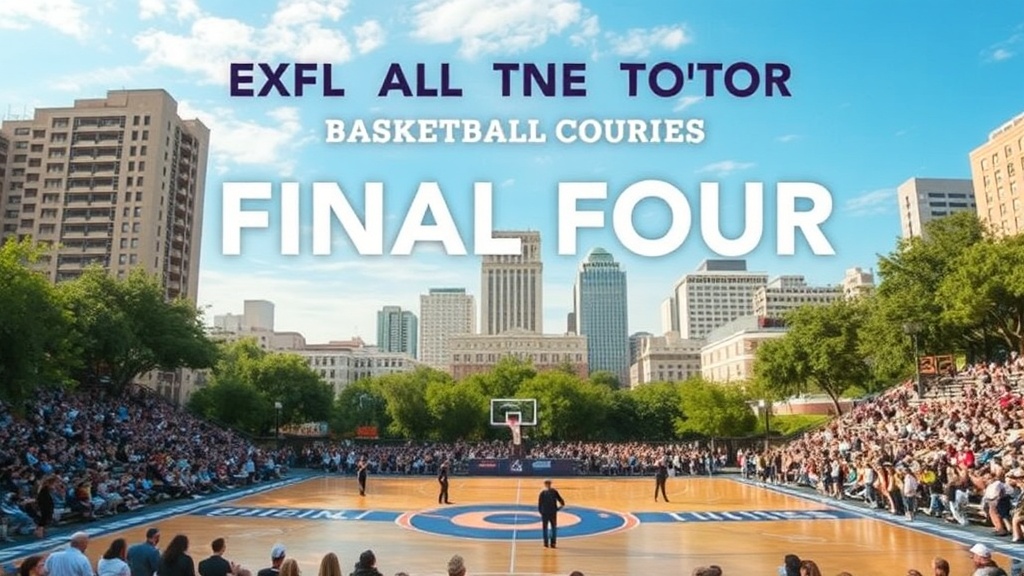
When the March Madness frenzy culminates, millions of eyes turn to a single city, crowned the host of the NCAA Men's Basketball Final Four. But beyond the thrilling dunks and buzzer-beaters, these chosen metropolises offer a vibrant tapestry of culture, history, and culinary delights that extend far beyond the hardwood court. This article delves into how these iconic Final Four cities leverage the spotlight to showcase their unique attractions, providing a compelling reason for travelers to visit, even if they don't have a courtside ticket.
The Economic Slam Dunk: Why Hosting Matters
Hosting the Final Four is more than just a prestigious honor; it's an economic boon. The NCAA's stringent selection process ensures only cities with top-tier infrastructure, robust hospitality sectors, and a proven ability to manage large-scale events are considered. For example, the 2024 Final Four in Phoenix, Arizona, is projected to inject over $300 million into the local economy, according to the Phoenix Business Journal. This isn't just ticket sales; it encompasses hotel stays, restaurant spending, transportation, and retail purchases made by the estimated 70,000 visitors.
But the impact stretches beyond direct financial gains. Cities invest significantly in infrastructure upgrades in anticipation of the event, from public transport enhancements to beautification projects around the host stadium, like the State Farm Stadium in Glendale (a suburb of Phoenix). These improvements benefit residents long after the last confetti falls. The long-term branding value is also immense. National and international media coverage provides an unparalleled platform to showcase a city's appeal, potentially driving tourism and corporate relocations for years to come. Local tourism boards strategically create "Final Four Fan Fest" zones, not just for basketball activities, but to highlight local food trucks, artisanal crafts, and cultural performances, transforming the downtown into a dynamic showcase.
Beyond the Arena: Unearthing Phoenix's Desert Wonders and Culinary Scene
While Phoenix might be synonymous with scorching summers and vibrant sunsets, its allure during the spring, especially around the Final Four, is undeniable. The city's unique blend of Sonoran Desert landscapes, burgeoning arts scene, and innovative culinary offerings often surprise first-time visitors. Forget the stereotypical chain restaurants; Phoenix has cultivated a distinct foodie identity.
For those venturing beyond the stadium, the Desert Botanical Garden offers a breathtaking immersion into the region's flora, featuring over 50,000 plant displays spread across 140 acres. It's a serene escape from the tournament's intensity and a testament to the desert's surprising biodiversity. Art enthusiasts will find solace in the Phoenix Art Museum, one of the largest art museums in the Southwest, boasting an impressive collection spanning American, European, Western American, and modern art. Its Thorne Rooms are particularly fascinating, offering miniature historical interiors.
The culinary landscape in Phoenix has exploded in recent years. While Southwestern cuisine remains a staple, with iconic spots like Durant's offering classic steaks and a speakeasy vibe, and Barrio Cafe Gran Reserva providing elevated Mexican fare with a focus on mole sauces, the city is also embracing global flavors. The burgeoning "foodie corridor" along Roosevelt Row offers eclectic options, from artisanal pizzas at Pizzeria Bianco (often cited as one of the best in the US) to innovative farm-to-table experiences. Even coffee culture thrives here, with local roasters like Cartel Coffee Lab becoming popular gathering spots. The city's commitment to sustainability is also reflected in its increasing number of farm-to-fork restaurants that source ingredients from local Arizona farms.
The Legacy of the Final Four: How Cities Build on Their Moment
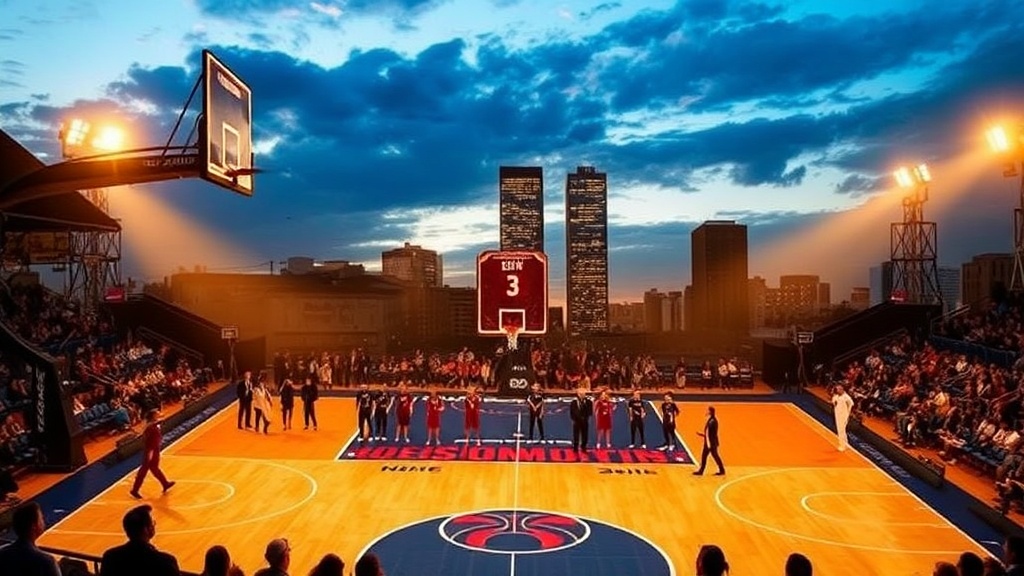
The ripple effect of hosting the Final Four extends far beyond the immediate event. Cities proactively leverage the experience to secure future major events, from other NCAA championships to Super Bowls and political conventions. The successful execution of a Final Four demonstrates a city's logistical prowess and hospitality capabilities. Indianapolis, Indiana, a frequent Final Four host (most recently in 2021), is a prime example of a city that has mastered this strategy. Its "walkable downtown" model, where major sports venues, hotels, and convention centers are all within easy reach, was intentionally developed to cater to large events. The city's White River State Park offers a sprawling green space integrating attractions like the Indianapolis Zoo, the Eiteljorg Museum of American Indians and Western Art, and the Indiana State Museum, creating a holistic experience for visitors.
Similarly, New Orleans, Louisiana, which hosted in 2022, is renowned for its unique cultural identity. While the Superdome is the epicenter of the games, the city masterfully directs visitors to its historic French Quarter, the Garden District, and the vibrant music scene on Frenchmen Street. The NCAA often partners with local cultural institutions to offer special programming during the Final Four, encouraging attendees to explore the city's distinct character. For example, during the 2022 event, visitors were encouraged to experience the sounds of live jazz and explore the city's rich culinary heritage beyond Bourbon Street. These partnerships create a more enriching experience for attendees and simultaneously boost local businesses and cultural organizations.
Planning Your Final Four City Getaway: Tips for Travelers
Whether you're planning to attend the games or simply explore the host city during a less crowded period, strategic planning is key. Here are some practical tips for maximizing your experience:
-
Book Accommodations Early: Hotel rooms, especially in the downtown core, book up months in advance for the Final Four. If you're attending, expect premium pricing. If you're visiting during another time, you'll find more availability and better rates. Consider staying slightly outside the immediate downtown area and utilizing public transport or ride-shares for convenience.
-
Embrace Public Transportation: Many Final Four cities, including Phoenix and Indianapolis, have invested in robust light rail or bus systems. These are often more efficient and cost-effective than navigating traffic and parking, especially during peak event times. For Phoenix, the Valley Metro Rail connects downtown Phoenix with Tempe and Mesa, offering easy access to attractions.
-
Beyond the Main Event: Research local festivals, concerts, or farmers' markets that might coincide with your visit. Phoenix, for instance, often hosts spring training baseball games in March and April, offering another layer of sporting entertainment. Check city tourism websites for comprehensive event calendars.
-
Savor Local Flavors: Don't default to chain restaurants. Seek out local eateries that showcase the city's unique culinary identity. Ask locals for recommendations – they often know the best hidden gems. In Phoenix, this means trying authentic Sonoran hot dogs, unique taco joints, and modern Southwestern cuisine.
Free Weekly Newsletter
Enjoying this guide?
Get the best articles like this one delivered to your inbox every week. No spam.
-
Utilize City Passes: Many major cities offer discount passes that bundle admissions to popular attractions. These can save you money if you plan to visit multiple museums or historical sites. The "Phoenix CityPASS" allows access to several key attractions at a reduced rate.
-
Pack Smart: Consider the climate. Phoenix in early April can be warm, with average temperatures in the low to mid-80s Fahrenheit, so lightweight clothing, sunscreen, and a hat are essential. Comfortable walking shoes are a must for exploring any city.
The Future of Final Four Cities: Sustainable Tourism and Diverse Experiences
Looking ahead, the NCAA's selection process for Final Four hosts will likely continue to emphasize not just capacity and infrastructure, but also a city's commitment to sustainable tourism and its ability to offer diverse, inclusive experiences. There's a growing recognition that large-scale events must benefit the entire community, not just a select few. Cities like San Antonio, Texas (scheduled to host in 2025), with its iconic Riverwalk and deep historical roots, are focusing on showcasing their cultural heritage and supporting local small businesses during these events.
The trend towards "experiential tourism" means visitors are seeking authentic interactions and a deeper understanding of a place. Final Four cities are responding by creating bespoke itineraries, promoting neighborhood exploration beyond the tourist traps, and highlighting local artists and entrepreneurs. Virtual reality and augmented reality tools may also play a role, allowing potential visitors to "tour" a city's attractions before they even arrive, further enticing them to explore beyond the basketball court. The evolution of urban planning, with more mixed-use developments and pedestrian-friendly zones, will also enhance the visitor experience, making these large events more seamlessly integrated into the fabric of the city. Expect more emphasis on green spaces, public art installations, and accessible cultural programming.
Conclusion
The Final Four represents a pinnacle of collegiate athletics, but for the host cities, it’s a golden opportunity to shine a spotlight on everything they have to offer. From Phoenix's desert marvels and culinary evolution to Indianapolis's strategic urban planning and New Orleans' vibrant cultural tapestry, these cities are far more than just venues for a basketball game. By embracing the spirit of exploration and looking beyond the court, travelers can discover rich histories, innovative dining, and unique cultural experiences. So, whether you're a die-hard basketball fan or simply an avid traveler, consider adding a Final Four city to your travel bucket list – you might just find your next favorite destination.
Free Investing Tools
Frequently Asked Questions
The Economic Slam Dunk: Why Hosting Matters
Hosting the Final Four is more than just a prestigious honor; it's an economic boon. The NCAA's stringent selection process ensures only cities with top-tier infrastructure, robust hospitality sectors, and a proven ability to manage large-scale events are considered. For example, the 2024 Final Four in Phoenix, Arizona, is projected to inject over $300 million into the local economy, according to the Phoenix Business Journal. This isn't just ticket sales; it encompasses hotel stays, restaurant spending, transportation, and retail purchases made by the estimated 70,000 visitors.
But the impact stretches beyond direct financial gains. Cities invest significantly in infrastructure upgrades in anticipation of the event, from public transport enhancements to beautification projects around the host stadium, like the State Farm Stadium in Glendale (a suburb of Phoenix). These improvements benefit residents long after the last confetti falls. The long-term branding value is also immense. National and international media coverage provides an unparalleled platform to showcase a city's appeal, potentially driving tourism and corporate relocations for years to come. Local tourism boards strategically create "Final Four Fan Fest" zones, not just for basketball activities, but to highlight local food trucks, artisanal crafts, and cultural performances, transforming the downtown into a dynamic showcase.
Beyond the Arena: Unearthing Phoenix's Desert Wonders and Culinary Scene
While Phoenix might be synonymous with scorching summers and vibrant sunsets, its allure during the spring, especially around the Final Four, is undeniable. The city's unique blend of Sonoran Desert landscapes, burgeoning arts scene, and innovative culinary offerings often surprise first-time visitors. Forget the stereotypical chain restaurants; Phoenix has cultivated a distinct foodie identity.
For those venturing beyond the stadium, the Desert Botanical Garden offers a breathtaking immersion into the region's flora, featuring over 50,000 plant displays spread across 140 acres. It's a serene escape from the tournament's intensity and a testament to the desert's surprising biodiversity. Art enthusiasts will find solace in the Phoenix Art Museum, one of the largest art museums in the Southwest, boasting an impressive collection spanning American, European, Western American, and modern art. Its Thorne Rooms are particularly fascinating, offering miniature historical interiors.
The culinary landscape in Phoenix has exploded in recent years. While Southwestern cuisine remains a staple, with iconic spots like Durant's offering classic steaks and a speakeasy vibe, and Barrio Cafe Gran Reserva providing elevated Mexican fare with a focus on mole sauces, the city is also embracing global flavors. The burgeoning "foodie corridor" along Roosevelt Row offers eclectic options, from artisanal pizzas at Pizzeria Bianco (often cited as one of the best in the US) to innovative farm-to-table experiences. Even coffee culture thrives here, with local roasters like Cartel Coffee Lab becoming popular gathering spots. The city's commitment to sustainability is also reflected in its increasing number of farm-to-fork restaurants that source ingredients from local Arizona farms.
The Legacy of the Final Four: How Cities Build on Their Moment
The ripple effect of hosting the Final Four extends far beyond the immediate event. Cities proactively leverage the experience to secure future major events, from other NCAA championships to Super Bowls and political conventions. The successful execution of a Final Four demonstrates a city's logistical prowess and hospitality capabilities. Indianapolis, Indiana, a frequent Final Four host (most recently in 2021), is a prime example of a city that has mastered this strategy. Its "walkable downtown" model, where major sports venues, hotels, and convention centers are all within easy reach, was intentionally developed to cater to large events. The city's White River State Park offers a sprawling green space integrating attractions like the Indianapolis Zoo, the Eiteljorg Museum of American Indians and Western Art, and the Indiana State Museum, creating a holistic experience for visitors.
Similarly, New Orleans, Louisiana, which hosted in 2022, is renowned for its unique cultural identity. While the Superdome is the epicenter of the games, the city masterfully directs visitors to its historic French Quarter, the Garden District, and the vibrant music scene on Frenchmen Street. The NCAA often partners with local cultural institutions to offer special programming during the Final Four, encouraging attendees to explore the city's distinct character. For example, during the 2022 event, visitors were encouraged to experience the sounds of live jazz and explore the city's rich culinary heritage beyond Bourbon Street. These partnerships create a more enriching experience for attendees and simultaneously boost local businesses and cultural organizations.
Planning Your Final Four City Getaway: Tips for Travelers
Whether you're planning to attend the games or simply explore the host city during a less crowded period, strategic planning is key. Here are some practical tips for maximizing your experience:
-
Book Accommodations Early: Hotel rooms, especially in the downtown core, book up months in advance for the Final Four. If you're attending, expect premium pricing. If you're visiting during another time, you'll find more availability and better rates. Consider staying slightly outside the immediate downtown area and utilizing public transport or ride-shares for convenience.
-
Embrace Public Transportation: Many Final Four cities, including Phoenix and Indianapolis, have invested in robust light rail or bus systems. These are often more efficient and cost-effective than navigating traffic and parking, especially during peak event times. For Phoenix, the Valley Metro Rail connects downtown Phoenix with Tempe and Mesa, offering easy access to attractions.
-
Beyond the Main Event: Research local festivals, concerts, or farmers' markets that might coincide with your visit. Phoenix, for instance, often hosts spring training baseball games in March and April, offering another layer of sporting entertainment. Check city tourism websites for comprehensive event calendars.
-
Savor Local Flavors: Don't default to chain restaurants. Seek out local eateries that showcase the city's unique culinary identity. Ask locals for recommendations – they often know the best hidden gems. In Phoenix, this means trying authentic Sonoran hot dogs, unique taco joints, and modern Southwestern cuisine.
-
Utilize City Passes: Many major cities offer discount passes that bundle admissions to popular attractions. These can save you money if you plan to visit multiple museums or historical sites. The "Phoenix CityPASS" allows access to several key attractions at a reduced rate.
-
Pack Smart: Consider the climate. Phoenix in early April can be warm, with average temperatures in the low to mid-80s Fahrenheit, so lightweight clothing, sunscreen, and a hat are essential. Comfortable walking shoes are a must for exploring any city.
The Future of Final Four Cities: Sustainable Tourism and Diverse Experiences
Looking ahead, the NCAA's selection process for Final Four hosts will likely continue to emphasize not just capacity and infrastructure, but also a city's commitment to sustainable tourism and its ability to offer diverse, inclusive experiences. There's a growing recognition that large-scale events must benefit the entire community, not just a select few. Cities like San Antonio, Texas (scheduled to host in 2025), with its iconic Riverwalk and deep historical roots, are focusing on showcasing their cultural heritage and supporting local small businesses during these events.
The trend towards "experiential tourism" means visitors are seeking authentic interactions and a deeper understanding of a place. Final Four cities are responding by creating bespoke itineraries, promoting neighborhood exploration beyond the tourist traps, and highlighting local artists and entrepreneurs. Virtual reality and augmented reality tools may also play a role, allowing potential visitors to "tour" a city's attractions before they even arrive, further enticing them to explore beyond the basketball court. The evolution of urban planning, with more mixed-use developments and pedestrian-friendly zones, will also enhance the visitor experience, making these large events more seamlessly integrated into the fabric of the city. Expect more emphasis on green spaces, public art installations, and accessible cultural programming.
Conclusion
The Final Four represents a pinnacle of collegiate athletics, but for the host cities, it’s a golden opportunity to shine a spotlight on everything they have to offer. From Phoenix's desert marvels and culinary evolution to Indianapolis's strategic urban planning and New Orleans' vibrant cultural tapestry, these cities are far more than just venues for a basketball game. By embracing the spirit of exploration and looking beyond the court, travelers can discover rich histories, innovative dining, and unique cultural experiences. So, whether you're a die-hard basketball fan or simply an avid traveler, consider adding a Final Four city to your travel bucket list – you might just find your next favorite destination.
About Zeebrain Editorial
Zeebrain publishes independent analysis of markets, investing, personal finance, and business. We disclose affiliate relationships, never accept payment for coverage, and fact-check all claims against primary sources. Read our editorial policy →
How this article was produced: Zeebrain articles are created with AI assistance from primary sources (including cited videos and market data) and reviewed under our editorial standards before publication. Spot an error? Tell us and we will correct it.
More from Travel & Places



Related Guides
Keep exploring this topic
Why Medellín, Colombia Should Be Your Next Trip
Travel & Places · Medellín · Colombia travel
Spring Break Destinations: A Guide to Sun, Fun and Smart Travel
Travel & Places · spring break destinations · travel guide
3 Days in Nassau: What Most Visitors Miss in the Bahamas
Travel & Places
2 Days in Budapest in Winter: The Ultimate Travel Guide
Travel & Places
Explore More Categories
Keep browsing by topic and build depth around the subjects you care about most.