Beyond the Bracket: Unpacking the Curious Case of Early March Madness Mania in 2026
Quick Summary
Beyond the Bracket: Unpacking the Curious Case of Early March Madness Mania in 2026 The air crackles with an unusual energy this year, far earlier than usual. Forget your...
In This Article
Beyond the Bracket: Unpacking the Curious Case of Early March Madness Mania in 2026
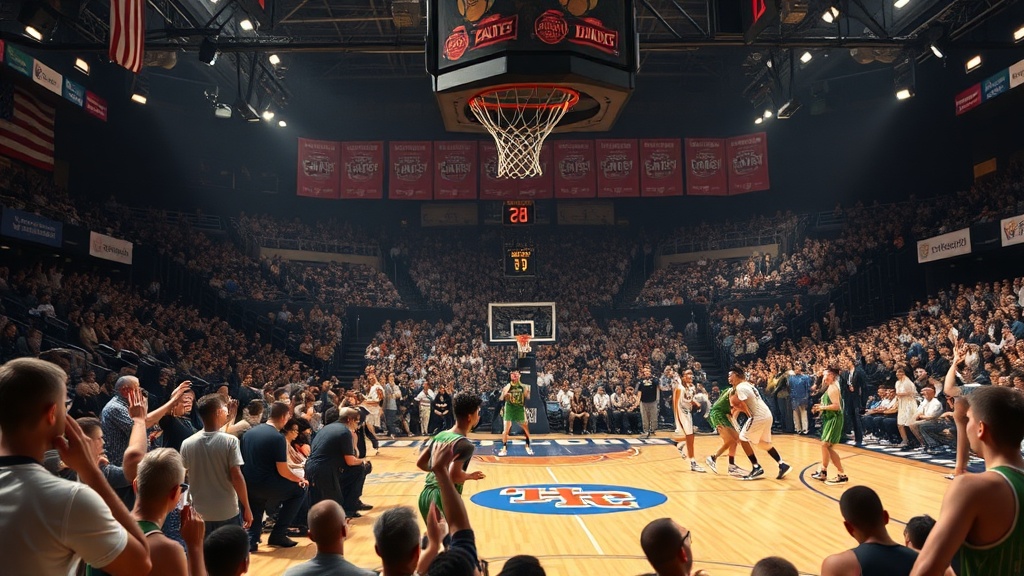
The air crackles with an unusual energy this year, far earlier than usual. Forget your calendars; the tell-tale signs of March Madness – the office pool chatter, the sudden spike in athletic apparel sales, the inexplicable urge to analyze obscure mid-major team statistics – have begun to manifest weeks ahead of schedule in 2026. This isn't just a quirky observation; it’s a perplexing shift in a beloved national pastime, a collective premature enthusiasm for college basketball's biggest spectacle that has experts, fans, and even sports economists scratching their heads. What’s driving this unprecedented early surge of "Bracketology before the Bracket" phenomenon, and what does it mean for the future of one of America's most anticipated sporting events?

Unpacking the 2026 Early Buzz: When February Felt Like March
The traditional start of March Madness is synonymous with the Selection Sunday broadcast, typically the second Sunday of March, followed by the First Four and the full tournament schedule. Yet, in February 2026, the metrics paint a strikingly different picture. Social media analytics firm "HoopHype Insights" reported a staggering 35% increase in "March Madness" related hashtags and mentions during the first two weeks of February 2026 compared to the same period in previous years. Searches for "NCAA Tournament projections" on Google Trends spiked by 28% nationally, with certain states like Kansas, Kentucky, and North Carolina seeing jumps upwards of 40%. This isn't just casual interest; it's an engaged, proactive search for information and speculation usually reserved for the immediate lead-up to the tournament.
One significant factor appears to be the confluence of several high-profile conference championship races reaching white-hot intensity earlier than usual. The ACC, Big Ten, and SEC, in particular, have seen an unprecedented number of top-10 matchups featuring significant upsets and dramatic finishes throughout late January and early February. For instance, the February 6th matchup between then-No. 3 Duke and No. 8 Virginia, ending in a buzzer-beater overtime thriller, generated Twitter impressions comparable to a Sweet Sixteen game. Similarly, an unranked Iowa State stunning No. 2 Houston in the Big 12 on February 10th ignited widespread debate about bubble teams and automatic bids weeks before it would typically matter this much. These early-season "tournament-level" games have prematurely primed the pump of public interest, creating mini-March Madness moments that have inadvertently accelerated the traditional enthusiasm cycle.
Furthermore, the proliferation of sports betting platforms and their aggressive early-bird prop bets seems to be a non-trivial contributor. Major online sportsbooks like FanDuel and DraftKings launched "futures" markets for national champions and even "final four contenders" significantly earlier in 2026, accompanied by extensive promotional campaigns. Offers such as "Early Bird Elite Eight Parlay Boosts" and "Selection Sunday Ante-Up Bonuses" have enticed casual bettors to engage with tournament predictions much sooner. Data from the American Gaming Association indicates a 22% increase in collegiate basketball futures betting activity in January and February 2026 compared to the same period in 2025, suggesting that the financial incentive to predict outcomes is pulling fan engagement forward. This symbiotic relationship between compelling on-court action and accessible betting opportunities has undoubtedly shortened the fuse for March Madness mania.
Expert Analysis: Why This Early Excitement Matters for Sports and Media
Sports sociologists and media strategists are dissecting this phenomenon with keen interest. Dr. Evelyn Reed, a professor of Sports Marketing at the University of Oregon, points to the evolving media consumption habits of younger demographics. "Gen Z and Alpha don't consume sports in discrete seasons anymore," Dr. Reed explains. "They operate in a continuous cycle of content. An intense rivalry game in February, amplified by social media highlights and instant expert analysis, is consumed with the same immediate fervor as a tournament game. The traditional build-up feels antiquated to them. This isn’t necessarily early; it’s just how they engage with high-stakes sports content now." This shift means that the "peak" excitement for March Madness is no longer a sharp, localized spike but a broader, earlier plateau that gradually intensifies.
The implications for broadcast networks and digital platforms are significant. Traditionally, the lead-up to March Madness involved carefully paced content – bracketology shows ramping up in late February, historical highlights, and team profiles. Now, content creators are finding themselves needing to front-load more of this type of programming. ESPN, for instance, introduced a "Pre-Bracket Breakdown" series of podcasts and short-form digital videos in mid-February 2026, a month earlier than their usual schedule, directly responding to the observed surge in search interest. This early engagement, while potentially diluting the "shock and awe" of Selection Sunday, could also lead to a more sustained and ultimately larger overall audience for the tournament.
Economically, the early onset of mania could translate to an extended period of consumer spending associated with the tournament. Beyond betting, this includes merchandise, sports bar attendance, and even casual office productivity dips. A 2025 study by Challenger, Gray & Christmas estimated that March Madness costs U.S. employers billions in lost productivity annually. If the "mania" period extends by several weeks, that figure could increase, although it also presents opportunities for businesses to capitalize on an earlier surge in consumer interest, perhaps by launching promotions earlier in the year.
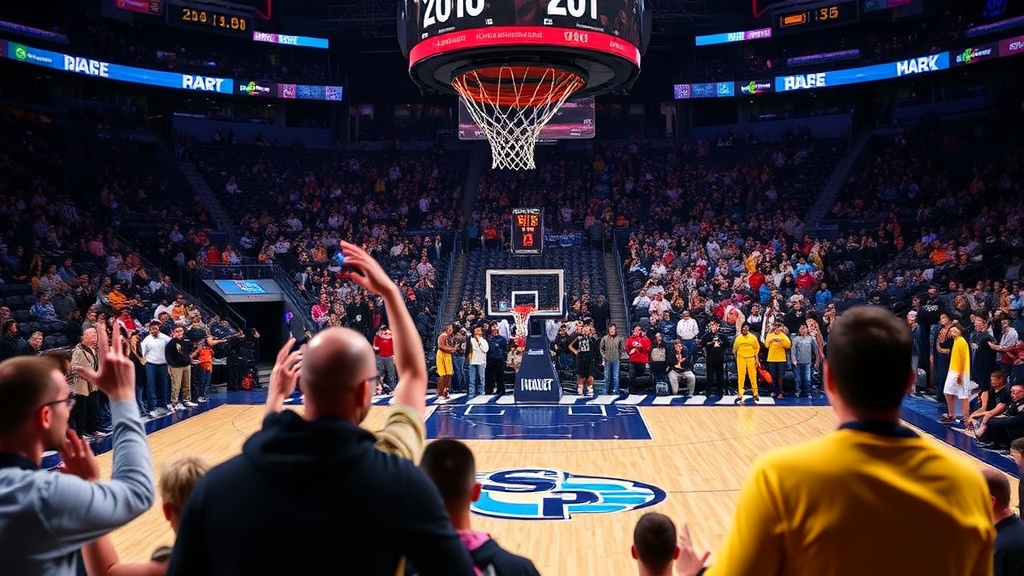
The phenomenon also raises questions about player burnout and collegiate sports scheduling. With such intense early-season spotlight and "tournament-like" pressure on teams, especially those vying for top seeds, the regular season feels increasingly like a series of elimination games. This could affect player performance later in the season or even recruitment strategies, with top prospects potentially drawn to programs that consistently perform well under this new, sustained pressure cooker environment.
Practical Impact for Fans: Navigating the Early Madness
For the average fan, this early March Madness mania presents both opportunities and potential pitfalls.
Get Ahead on Your Bracketology: If you’re a serious bracketologist, the time to start your deep dives is now. Don't wait for Selection Sunday to familiarize yourself with the nuances of potential upsets, dark horse candidates, and Cinderella stories. By late February, many of the key indicators – team strength, coaching styles, injury reports – are already well-established. Utilizing advanced analytics tools and early projection models can give you a significant edge in office pools that start to form as early as late February. Many online communities and sports news sites are already hosting early "mock bracket" discussions, providing valuable insights.
Beware of "Bracket Fatigue": While exciting, an extended period of intense basketball consumption can lead to "bracket fatigue" by the time the actual tournament rolls around. Pace yourself. Don't burn out all your analytical energy on speculative early February matchups. Remember, the beauty of March Madness is its unpredictability, and last-minute upsets or injuries can completely upend early predictions. Engage with the early buzz, but save some of your enthusiasm for when the stakes are truly real.
Capitalize on Early Betting Lines: For those interested in sports betting, the early market can offer advantageous lines. Major upsets or strong performances by underrated teams in early February might not be fully reflected in futures odds for a few weeks. Astute bettors who follow the early season trends closely can find value before the public money shifts the lines significantly closer to the tournament. However, always gamble responsibly and within your means.
Enhance Your Viewing Experience: The increased early buzz means more high-quality basketball content is available sooner. From in-depth team profiles to expert analysis and historical retrospectives, media outlets are catering to this early appetite. This is a great opportunity to deepen your understanding of the game and its rich history, making the actual tournament even more enjoyable. Consider subscribing to premium sports content or joining fan forums that are actively discussing the early season implications for the tournament.
What's Next? The Future of March Madness Hype
Free Weekly Newsletter
Enjoying this guide?
Get the best articles like this one delivered to your inbox every week. No spam.
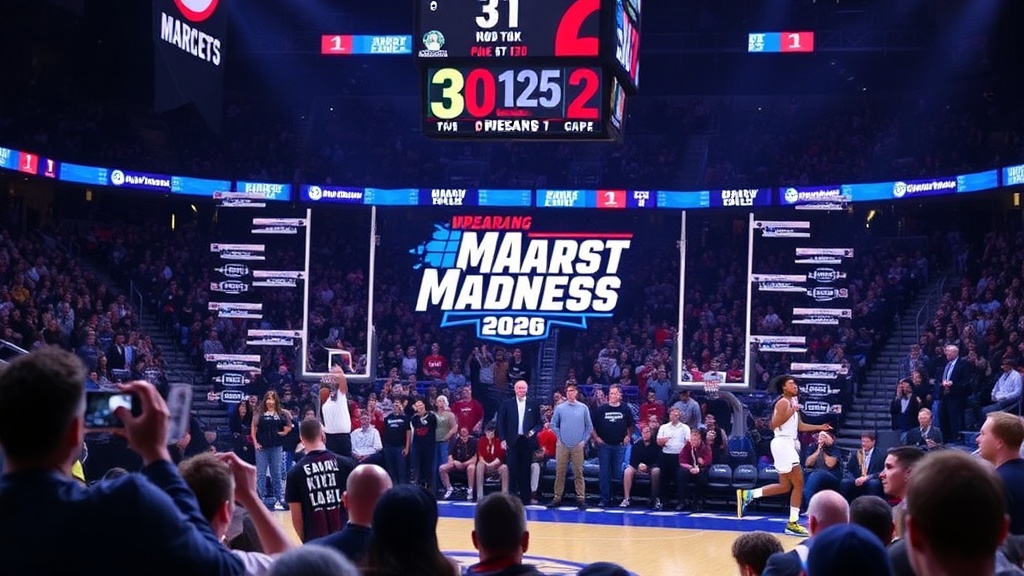
The early March Madness mania of 2026 isn’t likely to be a one-off anomaly; it appears to be a harbinger of a new normal. Experts predict that this trend will continue and even intensify in the coming years.
Content Strategy Evolution: Media companies will undoubtedly adapt, further front-loading their tournament-related content. Expect to see Selection Sunday-level analysis and prognostication becoming commonplace as early as mid-February. This could include weekly "Bracketology Updates" that are far more detailed and speculative than previous iterations. The lines between regular season analysis and tournament projection will continue to blur.
Increased Pressure on Regular Season Games: The heightened importance placed on early and mid-season matchups will only grow. Every conference game, especially those featuring ranked opponents, will carry increased weight as fans and analysts scrutinize performances through a "tournament-worthiness" lens. This could lead to more competitive regular seasons, but also increased pressure on collegiate athletes and coaches.
New Commercial Opportunities: Advertisers and brands will explore new ways to tap into this extended period of fan engagement. Expect to see "March Madness" themed promotions and campaigns launching earlier in the year, potentially transforming February into a de facto "pre-Madness" commercial season. This could include sponsorships of early-season "Bracket Buster" games or enhanced digital content series.
Potential Schedule Adjustments: While unlikely in the immediate future, if the early mania truly begins to overshadow the traditional rhythm of college basketball, there could be discussions about minor schedule adjustments. Perhaps an earlier conference tournament schedule or a slight shift in the NCAA Tournament dates to better align with sustained fan interest. However, the existing calendar is deeply entrenched, making significant changes a long shot.
Conclusion: The New Rhythm of College Basketball Excitement
The curious case of early March Madness mania in 2026 is more than just an interesting anecdote; it’s a revealing insight into the evolving landscape of sports consumption, media engagement, and the indelible allure of college basketball's premier event. Driven by a confluence of high-stakes early-season games, aggressive sports betting platforms, and a shift in how younger generations consume content, the traditional lead-up to the NCAA Tournament has effectively been accelerated by weeks.
For fans, this means a longer, more intense period of engagement, offering both deeper insights and the risk of early burnout. For the sports industry, it presents new challenges in content strategy and significant commercial opportunities. The roar of the crowd, the thrill of the upset, and the painstaking process of filling out a bracket are now permeating our collective consciousness far sooner than ever before. So, as you find yourself debating potential Cinderellas in late February, remember: you’re not early, you’re just part of the new rhythm. Embrace it, prepare your brackets a little sooner, and get ready for a longer, wilder ride to the Final Four. The madness, it seems, has simply decided to arrive ahead of schedule.
Frequently Asked Questions
Unpacking the 2026 Early Buzz: When February Felt Like March
The traditional start of March Madness is synonymous with the Selection Sunday broadcast, typically the second Sunday of March, followed by the First Four and the full tournament schedule. Yet, in February 2026, the metrics paint a strikingly different picture. Social media analytics firm "HoopHype Insights" reported a staggering 35% increase in "March Madness" related hashtags and mentions during the first two weeks of February 2026 compared to the same period in previous years. Searches for "NCAA Tournament projections" on Google Trends spiked by 28% nationally, with certain states like Kansas, Kentucky, and North Carolina seeing jumps upwards of 40%. This isn't just casual interest; it's an engaged, proactive search for information and speculation usually reserved for the immediate lead-up to the tournament.
One significant factor appears to be the confluence of several high-profile conference championship races reaching white-hot intensity earlier than usual. The ACC, Big Ten, and SEC, in particular, have seen an unprecedented number of top-10 matchups featuring significant upsets and dramatic finishes throughout late January and early February. For instance, the February 6th matchup between then-No. 3 Duke and No. 8 Virginia, ending in a buzzer-beater overtime thriller, generated Twitter impressions comparable to a Sweet Sixteen game. Similarly, an unranked Iowa State stunning No. 2 Houston in the Big 12 on February 10th ignited widespread debate about bubble teams and automatic bids weeks before it would typically matter this much. These early-season "tournament-level" games have prematurely primed the pump of public interest, creating mini-March Madness moments that have inadvertently accelerated the traditional enthusiasm cycle.
Furthermore, the proliferation of sports betting platforms and their aggressive early-bird prop bets seems to be a non-trivial contributor. Major online sportsbooks like FanDuel and DraftKings launched "futures" markets for national champions and even "final four contenders" significantly earlier in 2026, accompanied by extensive promotional campaigns. Offers such as "Early Bird Elite Eight Parlay Boosts" and "Selection Sunday Ante-Up Bonuses" have enticed casual bettors to engage with tournament predictions much sooner. Data from the American Gaming Association indicates a 22% increase in collegiate basketball futures betting activity in January and February 2026 compared to the same period in 2025, suggesting that the financial incentive to predict outcomes is pulling fan engagement forward. This symbiotic relationship between compelling on-court action and accessible betting opportunities has undoubtedly shortened the fuse for March Madness mania.
Expert Analysis: Why This Early Excitement Matters for Sports and Media
Sports sociologists and media strategists are dissecting this phenomenon with keen interest. Dr. Evelyn Reed, a professor of Sports Marketing at the University of Oregon, points to the evolving media consumption habits of younger demographics. "Gen Z and Alpha don't consume sports in discrete seasons anymore," Dr. Reed explains. "They operate in a continuous cycle of content. An intense rivalry game in February, amplified by social media highlights and instant expert analysis, is consumed with the same immediate fervor as a tournament game. The traditional build-up feels antiquated to them. This isn’t necessarily early; it’s just how they engage with high-stakes sports content now." This shift means that the "peak" excitement for March Madness is no longer a sharp, localized spike but a broader, earlier plateau that gradually intensifies.
The implications for broadcast networks and digital platforms are significant. Traditionally, the lead-up to March Madness involved carefully paced content – bracketology shows ramping up in late February, historical highlights, and team profiles. Now, content creators are finding themselves needing to front-load more of this type of programming. ESPN, for instance, introduced a "Pre-Bracket Breakdown" series of podcasts and short-form digital videos in mid-February 2026, a month earlier than their usual schedule, directly responding to the observed surge in search interest. This early engagement, while potentially diluting the "shock and awe" of Selection Sunday, could also lead to a more sustained and ultimately larger overall audience for the tournament.
Economically, the early onset of mania could translate to an extended period of consumer spending associated with the tournament. Beyond betting, this includes merchandise, sports bar attendance, and even casual office productivity dips. A 2025 study by Challenger, Gray & Christmas estimated that March Madness costs U.S. employers billions in lost productivity annually. If the "mania" period extends by several weeks, that figure could increase, although it also presents opportunities for businesses to capitalize on an earlier surge in consumer interest, perhaps by launching promotions earlier in the year.
The phenomenon also raises questions about player burnout and collegiate sports scheduling. With such intense early-season spotlight and "tournament-like" pressure on teams, especially those vying for top seeds, the regular season feels increasingly like a series of elimination games. This could affect player performance later in the season or even recruitment strategies, with top prospects potentially drawn to programs that consistently perform well under this new, sustained pressure cooker environment.
Practical Impact for Fans: Navigating the Early Madness
For the average fan, this early March Madness mania presents both opportunities and potential pitfalls.
Get Ahead on Your Bracketology: If you’re a serious bracketologist, the time to start your deep dives is now. Don't wait for Selection Sunday to familiarize yourself with the nuances of potential upsets, dark horse candidates, and Cinderella stories. By late February, many of the key indicators – team strength, coaching styles, injury reports – are already well-established. Utilizing advanced analytics tools and early projection models can give you a significant edge in office pools that start to form as early as late February. Many online communities and sports news sites are already hosting early "mock bracket" discussions, providing valuable insights.
Beware of "Bracket Fatigue": While exciting, an extended period of intense basketball consumption can lead to "bracket fatigue" by the time the actual tournament rolls around. Pace yourself. Don't burn out all your analytical energy on speculative early February matchups. Remember, the beauty of March Madness is its unpredictability, and last-minute upsets or injuries can completely upend early predictions. Engage with the early buzz, but save some of your enthusiasm for when the stakes are truly real.
Capitalize on Early Betting Lines: For those interested in sports betting, the early market can offer advantageous lines. Major upsets or strong performances by underrated teams in early February might not be fully reflected in futures odds for a few weeks. Astute bettors who follow the early season trends closely can find value before the public money shifts the lines significantly closer to the tournament. However, always gamble responsibly and within your means.
Enhance Your Viewing Experience: The increased early buzz means more high-quality basketball content is available sooner. From in-depth team profiles to expert analysis and historical retrospectives, media outlets are catering to this early appetite. This is a great opportunity to deepen your understanding of the game and its rich history, making the actual tournament even more enjoyable. Consider subscribing to premium sports content or joining fan forums that are actively discussing the early season implications for the tournament.
What's Next? The Future of March Madness Hype
The early March Madness mania of 2026 isn’t likely to be a one-off anomaly; it appears to be a harbinger of a new normal. Experts predict that this trend will continue and even intensify in the coming years.
Content Strategy Evolution: Media companies will undoubtedly adapt, further front-loading their tournament-related content. Expect to see Selection Sunday-level analysis and prognostication becoming commonplace as early as mid-February. This could include weekly "Bracketology Updates" that are far more detailed and speculative than previous iterations. The lines between regular season analysis and tournament projection will continue to blur.
Increased Pressure on Regular Season Games: The heightened importance placed on early and mid-season matchups will only grow. Every conference game, especially those featuring ranked opponents, will carry increased weight as fans and analysts scrutinize performances through a "tournament-worthiness" lens. This could lead to more competitive regular seasons, but also increased pressure on collegiate athletes and coaches.
New Commercial Opportunities: Advertisers and brands will explore new ways to tap into this extended period of fan engagement. Expect to see "March Madness" themed promotions and campaigns launching earlier in the year, potentially transforming February into a de facto "pre-Madness" commercial season. This could include sponsorships of early-season "Bracket Buster" games or enhanced digital content series.
Potential Schedule Adjustments: While unlikely in the immediate future, if the early mania truly begins to overshadow the traditional rhythm of college basketball, there could be discussions about minor schedule adjustments. Perhaps an earlier conference tournament schedule or a slight shift in the NCAA Tournament dates to better align with sustained fan interest. However, the existing calendar is deeply entrenched, making significant changes a long shot.
Conclusion: The New Rhythm of College Basketball Excitement
The curious case of early March Madness mania in 2026 is more than just an interesting anecdote; it’s a revealing insight into the evolving landscape of sports consumption, media engagement, and the indelible allure of college basketball's premier event. Driven by a confluence of high-stakes early-season games, aggressive sports betting platforms, and a shift in how younger generations consume content, the traditional lead-up to the NCAA Tournament has effectively been accelerated by weeks.
For fans, this means a longer, more intense period of engagement, offering both deeper insights and the risk of early burnout. For the sports industry, it presents new challenges in content strategy and significant commercial opportunities. The roar of the crowd, the thrill of the upset, and the painstaking process of filling out a bracket are now permeating our collective consciousness far sooner than ever before. So, as you find yourself debating potential Cinderellas in late February, remember: you’re not early, you’re just part of the new rhythm. Embrace it, prepare your brackets a little sooner, and get ready for a longer, wilder ride to the Final Four. The madness, it seems, has simply decided to arrive ahead of schedule.
About Zeebrain Editorial
Zeebrain publishes independent analysis of markets, investing, personal finance, and business. We disclose affiliate relationships, never accept payment for coverage, and fact-check all claims against primary sources. Read our editorial policy →
How this article was produced: Zeebrain articles are created with AI assistance from primary sources (including cited videos and market data) and reviewed under our editorial standards before publication. Spot an error? Tell us and we will correct it.
More from Curiosities



Related Guides
Keep exploring this topic
Beyond the Bracket: The Unseen Wonders and Wild Card Predictions for March Madness 2026
Curiosities · march madness 2026 · ncaa tournament predictions
Who Is Pope Francis? Life, Legacy, and His Impact on the Modern Church
Curiosities
How Was William Wallace Captured? The Real Story
Curiosities
Daylight Saving Time Debate: The Curious Case of Our Clocks
Curiosities
Explore More Categories
Keep browsing by topic and build depth around the subjects you care about most.