Apple Vision Pro: A First Look Review of the Latest Updates
Quick Summary
Apple Vision Pro: A First Look Review of the Latest Updates The Apple Vision Pro, Apple's groundbreaking spatial computer, continues to evolve rapidly since its initial launch,...
Apple Vision Pro
Check current price and availability on Amazon
In This Article
Apple Vision Pro: A First Look Review of the Latest Updates
The Apple Vision Pro, Apple's groundbreaking spatial computer, continues to evolve rapidly since its initial launch, promising a transformative leap in personal computing. With recent software updates and a growing ecosystem of applications, understanding its current state is crucial for anyone considering this $3,499 device. This review delves into the latest enhancements, user feedback, and the practical implications for early adopters and future users, offering a comprehensive look at what Vision Pro offers today.
Related Post

The Vision Pro Experience: From Novelty to Practicality
When Apple Vision Pro first hit stores on February 2, 2024, it arrived with immense hype, positioning itself as the dawn of "spatial computing." Early reviews, while acknowledging its technological prowess, often highlighted its nascent software ecosystem and the inevitable first-generation quirks. However, Apple's iterative approach to software development, particularly with visionOS, has swiftly addressed many initial concerns. The most significant updates, including visionOS 1.1 and 1.2, have focused on refining the user experience, enhancing core functionalities, and expanding developer capabilities.
One of the primary areas of improvement has been "Persona" — the digital representation of a user during video calls. Initial reactions to Personas were mixed, with many describing them as "uncanny valley." Updates have aimed to make these digital avatars more lifelike and expressive, utilizing advanced machine learning and the Vision Pro's sophisticated sensor array. For instance, visionOS 1.1 brought notable enhancements to eye and mouth movements, making virtual interactions feel less robotic. While still not photorealistic, the improvements are significant enough to make video conferencing, particularly via FaceTime, a more natural experience. This is critical for a device that aims to blend digital and physical realities, as effective communication is paramount. Developers leveraging these improved Persona APIs can now create more engaging collaborative experiences, moving beyond simple screen sharing to truly shared spatial environments.
Another key development involves the expansion of native applications and improved compatibility with existing iOS and iPadOS apps. While the initial launch boasted over 600 native apps, that number has surged past 1,000 as of mid-2024, demonstrating robust developer adoption. Major additions include popular streaming services optimizing their interfaces for spatial computing, and productivity tools beginning to offer truly immersive workflows. For example, apps like Microsoft 365 and Slack have received updates to better integrate with visionOS, allowing users to arrange multiple virtual screens in their physical space, significantly boosting multitasking capabilities. This shift from a limited selection to a growing library of purpose-built spatial applications is vital for the Vision Pro to move beyond a tech demo and into a daily driver for specific professional and personal use cases.
Deep Dive: Performance, Ecosystem, and Enterprise Adoption
Beyond mere app count, the performance and integration of the Vision Pro within Apple's broader ecosystem are critical metrics for its long-term viability. The device is powered by a dual-chip architecture: the M2 chip for raw processing power and the R1 chip dedicated to processing input from its 12 cameras, 5 sensors, and 6 microphones, ensuring a virtually lag-free experience. This hardware foundation, coupled with software optimizations, has allowed for increasingly complex spatial applications without compromising fluidity. Transitions between immersive environments and passthrough views are seamless, a testament to the R1 chip's real-time processing capabilities, which helps mitigate motion sickness often associated with VR/AR headsets.
The integration with Apple's ecosystem continues to be a major selling point. iCloud synchronization, Handoff capabilities with iPhone, iPad, and Mac, and seamless AirPods connectivity ensure that Vision Pro doesn't operate in a silo. For example, viewing photos and videos taken on an iPhone 15 Pro's spatial video mode directly on Vision Pro is an unparalleled experience, transforming mundane memories into vibrant 3D representations. This cross-device synergy leverages Apple's established user base and simplifies the learning curve for new users, making the Vision Pro feel like a natural extension of their existing digital lives, rather than an entirely new paradigm requiring a complete overhaul of their workflow.
Enterprise adoption is emerging as a significant driver for Vision Pro, moving beyond initial consumer speculation. While the initial price point makes it prohibitive for casual consumer use for many, businesses are exploring its potential for training, design, collaboration, and remote work. Companies like Porsche, for instance, are leveraging Vision Pro for detailed 3D design reviews, allowing engineers and designers to collaboratively inspect virtual car models at a 1:1 scale, identifying potential issues before physical prototypes are built. Similarly, healthcare providers are experimenting with surgical training simulations and medical imaging visualization, where the high-resolution displays (23 million pixels across two micro-OLED displays) offer unprecedented clarity for diagnostic purposes. These targeted enterprise use cases demonstrate the immediate practical value and return on investment for businesses willing to adopt spatial computing, signaling a growing market beyond gaming and entertainment.
Practical Impact: What Readers Should Know Today
For potential Vision Pro owners, understanding the current state means navigating a device that is incredibly powerful but still in its early stages of widespread adoption. Here’s what you need to know:
Battery Life and Portability: The external battery pack, connected via a braided cable, remains a point of contention. While it helps keep the headset lighter, its 2-2.5 hour battery life for general use (up to 3 hours for video playback) means users are frequently tethered or needing to swap packs. Apple has not yet offered an internal battery solution, and while third-party solutions exist, they add bulk. Plan for stationary use or short bursts of portable activity.
Comfort and Fit: Apple's adjustable head straps (the Solo Knit Band and Dual Loop Band) cater to different preferences. Recent software updates have included more refined calibration tools for eye tracking and IPD (interpupillary distance) adjustment, which are crucial for comfort and visual clarity. Taking the time to properly fit the device is paramount to avoid discomfort during extended use. Many users find the Dual Loop Band more comfortable for longer sessions due to better weight distribution.
Content Availability: While the native app store is growing, users should manage expectations. Many mainstream apps are still in their "iPad app on a big screen" phase, not yet fully optimized for spatial interactions. However, the quality of spatial experiences, especially for entertainment and productivity, is improving. Look for apps specifically built for visionOS, as they offer the most compelling experiences. Spatial videos and Apple Immersive Videos (like those found in the TV app) are standout features that truly showcase the device's potential.
Privacy and Security: Apple’s commitment to privacy extends to Vision Pro. Optic ID, an iris-based authentication system, ensures that only the user can access the device and make purchases. Data processed by the device's sensors, such as hand gestures and eye movements, is largely processed on-device and not shared with Apple or third-party apps unless explicitly permitted. This is a critical differentiator for users concerned about data privacy in an increasingly data-hungry tech landscape.
Cost vs. Value: The $3,499 price tag (plus potential costs for prescription optical inserts from ZEISS) places Vision Pro firmly in the premium category. For consumers, it's a significant investment that should be weighed against their current computing needs and desire for cutting-edge technology. For professionals and businesses, the ROI might be clearer, especially in fields like design, engineering, and healthcare, where the unique capabilities translate directly into productivity gains or enhanced services.
Future Outlook: What to Expect Next
The journey of Apple Vision Pro is just beginning, and several key areas are ripe for future development:
Cheaper, Lighter Models: Industry analysts widely anticipate Apple will introduce more affordable and lighter versions of the Vision Pro in the coming years. This could involve a "Vision Air" model with fewer sensors, a less powerful chip, or slightly lower resolution displays to hit a more consumer-friendly price point, similar to how Apple scaled its iPhone and iPad lines. Reducing weight is also a top priority for improving user comfort and encouraging longer usage sessions.
Free Weekly Newsletter
Enjoying this guide?
Get the best articles like this one delivered to your inbox every week. No spam.
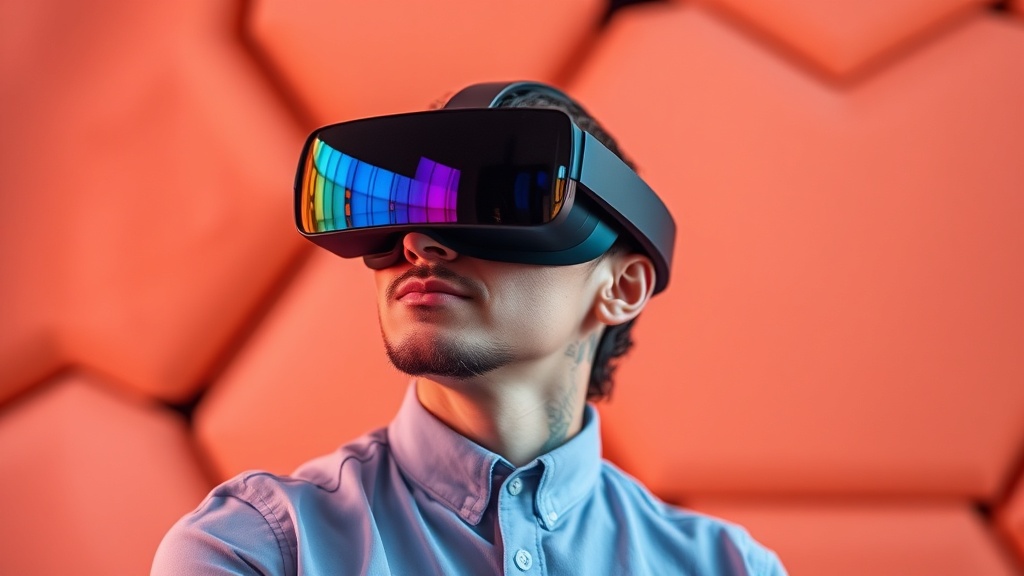
Enhanced Input Methods: While eye tracking and hand gestures are intuitive, the future could see more refined interaction methods. This might include subtle haptics integrated into wearable accessories, or even advanced brain-computer interfaces (BCIs) in the distant future, allowing for more nuanced control. Apple's focus on accessibility also suggests further innovations to ensure everyone can interact with spatial computing effectively.
Developer Tools and SDK Expansion: Apple will continue to refine the visionOS SDK, providing developers with more robust tools and APIs to create truly innovative spatial experiences. Expect deeper integration with AI and machine learning, allowing apps to understand context and user intent more intelligently. This will lead to a richer, more personalized spatial app ecosystem that feels more dynamic and responsive.
Broader International Launch: Currently, Vision Pro is exclusive to the U.S. A global rollout, starting with key markets like Canada, the UK, Germany, France, China, and Japan, is expected in late 2024 or early 2025. This expansion will significantly boost developer interest and user adoption, creating a larger market for spatial content and hardware.
The Metaverse and Shared Spatial Experiences: While Apple has deliberately avoided the term "metaverse," the Vision Pro is a foundational device for shared spatial experiences. Future updates will likely enhance collaborative features, allowing multiple users in different physical locations to interact within the same virtual environment, whether for work, gaming, or social interaction. This could blur the lines between virtual and augmented reality, creating truly immersive mixed-reality experiences that define the next generation of online interaction.
Conclusion
The Apple Vision Pro, even in its early stages, is a testament to Apple's vision for spatial computing. Recent updates have shown a clear commitment to refining the user experience, expanding its software ecosystem, and addressing initial pain points. While it remains a premium device with specific use cases, its technological foundation and ongoing improvements position it as a leader in the nascent spatial computing market. For U.S. consumers and businesses, understanding these updates is key to evaluating its relevance and potential impact.
As the Vision Pro continues to evolve, it promises to reshape how we work, play, and connect. For those intrigued by the future of computing, keeping an eye on Apple's next moves in this space is not just recommended, it's essential. The journey from a promising new device to an indispensable tool is well underway, and the latest updates are strong indicators of a future where digital content seamlessly integrates with our physical world.
Apple Vision Pro
Considering it? See where the price stands today
Free Investing Tools
Frequently Asked Questions
The Vision Pro Experience: From Novelty to Practicality
When Apple Vision Pro first hit stores on February 2, 2024, it arrived with immense hype, positioning itself as the dawn of "spatial computing." Early reviews, while acknowledging its technological prowess, often highlighted its nascent software ecosystem and the inevitable first-generation quirks. However, Apple's iterative approach to software development, particularly with visionOS, has swiftly addressed many initial concerns. The most significant updates, including visionOS 1.1 and 1.2, have focused on refining the user experience, enhancing core functionalities, and expanding developer capabilities.
One of the primary areas of improvement has been "Persona" — the digital representation of a user during video calls. Initial reactions to Personas were mixed, with many describing them as "uncanny valley." Updates have aimed to make these digital avatars more lifelike and expressive, utilizing advanced machine learning and the Vision Pro's sophisticated sensor array. For instance, visionOS 1.1 brought notable enhancements to eye and mouth movements, making virtual interactions feel less robotic. While still not photorealistic, the improvements are significant enough to make video conferencing, particularly via FaceTime, a more natural experience. This is critical for a device that aims to blend digital and physical realities, as effective communication is paramount. Developers leveraging these improved Persona APIs can now create more engaging collaborative experiences, moving beyond simple screen sharing to truly shared spatial environments.
Another key development involves the expansion of native applications and improved compatibility with existing iOS and iPadOS apps. While the initial launch boasted over 600 native apps, that number has surged past 1,000 as of mid-2024, demonstrating robust developer adoption. Major additions include popular streaming services optimizing their interfaces for spatial computing, and productivity tools beginning to offer truly immersive workflows. For example, apps like Microsoft 365 and Slack have received updates to better integrate with visionOS, allowing users to arrange multiple virtual screens in their physical space, significantly boosting multitasking capabilities. This shift from a limited selection to a growing library of purpose-built spatial applications is vital for the Vision Pro to move beyond a tech demo and into a daily driver for specific professional and personal use cases.
Deep Dive: Performance, Ecosystem, and Enterprise Adoption
Beyond mere app count, the performance and integration of the Vision Pro within Apple's broader ecosystem are critical metrics for its long-term viability. The device is powered by a dual-chip architecture: the M2 chip for raw processing power and the R1 chip dedicated to processing input from its 12 cameras, 5 sensors, and 6 microphones, ensuring a virtually lag-free experience. This hardware foundation, coupled with software optimizations, has allowed for increasingly complex spatial applications without compromising fluidity. Transitions between immersive environments and passthrough views are seamless, a testament to the R1 chip's real-time processing capabilities, which helps mitigate motion sickness often associated with VR/AR headsets.
The integration with Apple's ecosystem continues to be a major selling point. iCloud synchronization, Handoff capabilities with iPhone, iPad, and Mac, and seamless AirPods connectivity ensure that Vision Pro doesn't operate in a silo. For example, viewing photos and videos taken on an iPhone 15 Pro's spatial video mode directly on Vision Pro is an unparalleled experience, transforming mundane memories into vibrant 3D representations. This cross-device synergy leverages Apple's established user base and simplifies the learning curve for new users, making the Vision Pro feel like a natural extension of their existing digital lives, rather than an entirely new paradigm requiring a complete overhaul of their workflow.
Enterprise adoption is emerging as a significant driver for Vision Pro, moving beyond initial consumer speculation. While the initial price point makes it prohibitive for casual consumer use for many, businesses are exploring its potential for training, design, collaboration, and remote work. Companies like Porsche, for instance, are leveraging Vision Pro for detailed 3D design reviews, allowing engineers and designers to collaboratively inspect virtual car models at a 1:1 scale, identifying potential issues before physical prototypes are built. Similarly, healthcare providers are experimenting with surgical training simulations and medical imaging visualization, where the high-resolution displays (23 million pixels across two micro-OLED displays) offer unprecedented clarity for diagnostic purposes. These targeted enterprise use cases demonstrate the immediate practical value and return on investment for businesses willing to adopt spatial computing, signaling a growing market beyond gaming and entertainment.
Practical Impact: What Readers Should Know Today
For potential Vision Pro owners, understanding the current state means navigating a device that is incredibly powerful but still in its early stages of widespread adoption. Here’s what you need to know:
Battery Life and Portability: The external battery pack, connected via a braided cable, remains a point of contention. While it helps keep the headset lighter, its 2-2.5 hour battery life for general use (up to 3 hours for video playback) means users are frequently tethered or needing to swap packs. Apple has not yet offered an internal battery solution, and while third-party solutions exist, they add bulk. Plan for stationary use or short bursts of portable activity.
Comfort and Fit: Apple's adjustable head straps (the Solo Knit Band and Dual Loop Band) cater to different preferences. Recent software updates have included more refined calibration tools for eye tracking and IPD (interpupillary distance) adjustment, which are crucial for comfort and visual clarity. Taking the time to properly fit the device is paramount to avoid discomfort during extended use. Many users find the Dual Loop Band more comfortable for longer sessions due to better weight distribution.
Content Availability: While the native app store is growing, users should manage expectations. Many mainstream apps are still in their "iPad app on a big screen" phase, not yet fully optimized for spatial interactions. However, the quality of spatial experiences, especially for entertainment and productivity, is improving. Look for apps specifically built for visionOS, as they offer the most compelling experiences. Spatial videos and Apple Immersive Videos (like those found in the TV app) are standout features that truly showcase the device's potential.
Privacy and Security: Apple’s commitment to privacy extends to Vision Pro. Optic ID, an iris-based authentication system, ensures that only the user can access the device and make purchases. Data processed by the device's sensors, such as hand gestures and eye movements, is largely processed on-device and not shared with Apple or third-party apps unless explicitly permitted. This is a critical differentiator for users concerned about data privacy in an increasingly data-hungry tech landscape.
Cost vs. Value: The $3,499 price tag (plus potential costs for prescription optical inserts from ZEISS) places Vision Pro firmly in the premium category. For consumers, it's a significant investment that should be weighed against their current computing needs and desire for cutting-edge technology. For professionals and businesses, the ROI might be clearer, especially in fields like design, engineering, and healthcare, where the unique capabilities translate directly into productivity gains or enhanced services.
Future Outlook: What to Expect Next
The journey of Apple Vision Pro is just beginning, and several key areas are ripe for future development:
Cheaper, Lighter Models: Industry analysts widely anticipate Apple will introduce more affordable and lighter versions of the Vision Pro in the coming years. This could involve a "Vision Air" model with fewer sensors, a less powerful chip, or slightly lower resolution displays to hit a more consumer-friendly price point, similar to how Apple scaled its iPhone and iPad lines. Reducing weight is also a top priority for improving user comfort and encouraging longer usage sessions.
Enhanced Input Methods: While eye tracking and hand gestures are intuitive, the future could see more refined interaction methods. This might include subtle haptics integrated into wearable accessories, or even advanced brain-computer interfaces (BCIs) in the distant future, allowing for more nuanced control. Apple's focus on accessibility also suggests further innovations to ensure everyone can interact with spatial computing effectively.
Developer Tools and SDK Expansion: Apple will continue to refine the visionOS SDK, providing developers with more robust tools and APIs to create truly innovative spatial experiences. Expect deeper integration with AI and machine learning, allowing apps to understand context and user intent more intelligently. This will lead to a richer, more personalized spatial app ecosystem that feels more dynamic and responsive.
Broader International Launch: Currently, Vision Pro is exclusive to the U.S. A global rollout, starting with key markets like Canada, the UK, Germany, France, China, and Japan, is expected in late 2024 or early 2025. This expansion will significantly boost developer interest and user adoption, creating a larger market for spatial content and hardware.
The Metaverse and Shared Spatial Experiences: While Apple has deliberately avoided the term "metaverse," the Vision Pro is a foundational device for shared spatial experiences. Future updates will likely enhance collaborative features, allowing multiple users in different physical locations to interact within the same virtual environment, whether for work, gaming, or social interaction. This could blur the lines between virtual and augmented reality, creating truly immersive mixed-reality experiences that define the next generation of online interaction.
Conclusion
The Apple Vision Pro, even in its early stages, is a testament to Apple's vision for spatial computing. Recent updates have shown a clear commitment to refining the user experience, expanding its software ecosystem, and addressing initial pain points. While it remains a premium device with specific use cases, its technological foundation and ongoing improvements position it as a leader in the nascent spatial computing market. For U.S. consumers and businesses, understanding these updates is key to evaluating its relevance and potential impact.
As the Vision Pro continues to evolve, it promises to reshape how we work, play, and connect. For those intrigued by the future of computing, keeping an eye on Apple's next moves in this space is not just recommended, it's essential. The journey from a promising new device to an indispensable tool is well underway, and the latest updates are strong indicators of a future where digital content seamlessly integrates with our physical world.
Apple Vision Pro
Ready to decide? Compare the current price before you buy
About Zeebrain Editorial
Zeebrain publishes independent analysis of markets, investing, personal finance, and business. We disclose affiliate relationships, never accept payment for coverage, and fact-check all claims against primary sources. Read our editorial policy →
How this article was produced: Zeebrain articles are created with AI assistance from primary sources (including cited videos and market data) and reviewed under our editorial standards before publication. Spot an error? Tell us and we will correct it.
Disclaimer: Content on Zeebrain is for informational and educational purposes only and does not constitute financial advice or a recommendation to buy or sell any security. Always conduct your own research and consult a qualified financial adviser before making investment decisions. Past performance is not indicative of future results.
More from Reviews



Related Guides
Keep exploring this topic
Explore More on Zeebrain
Keep browsing by topic, or put the numbers to work with our free tools.