Why Andor's Luthen Monologue Is Peak TV Writing
Quick Summary
Andor's Luthen Rael monologue is one of TV's finest moments. Here's why the writing, silence, and Stellan Skarsgård's performance make it unforgettable.
In This Article
The 90 Seconds That Changed What We Expect From Star Wars
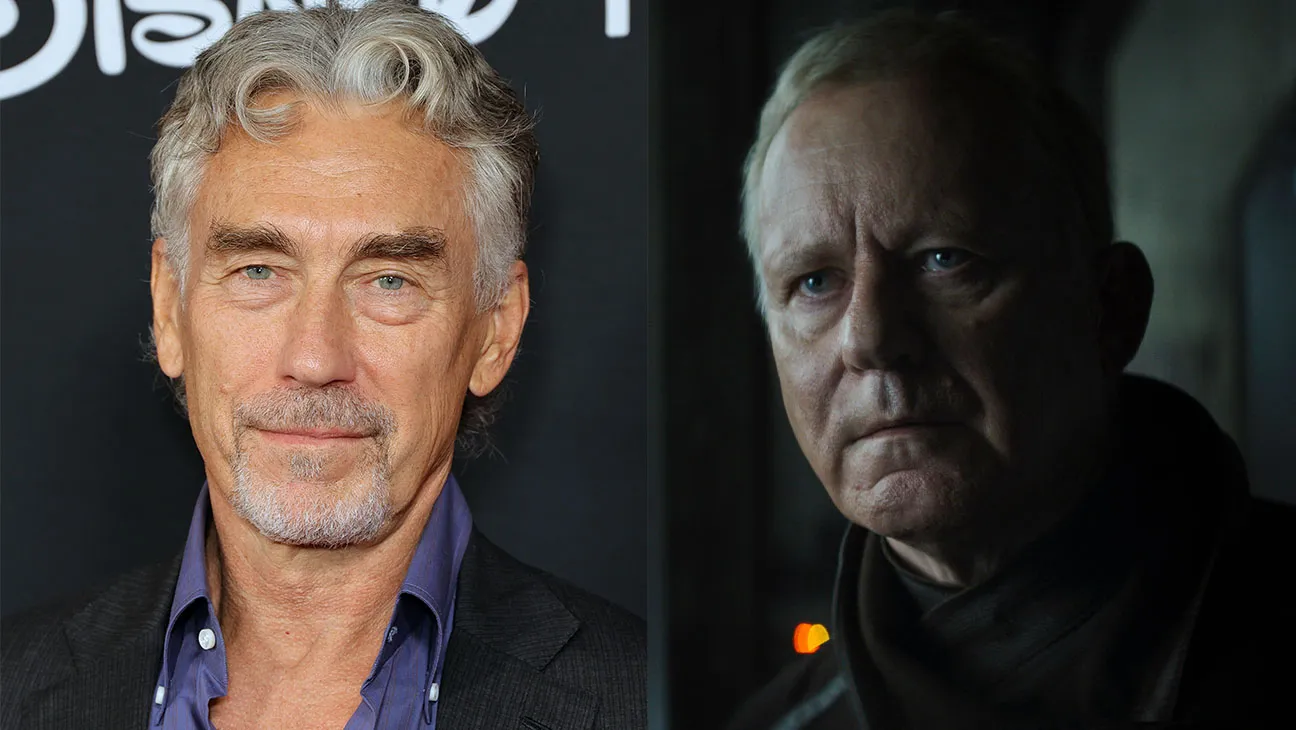
There is a moment in Andor — Season 1, Episode 10 — that stops you cold. Not because of a lightsaber duel or a dramatic reveal, but because a man stands in the dark and tells the truth about himself. Luthen Rael, played by Stellan Skarsgård, delivers what many critics and viewers have called one of the greatest monologues in modern television. They're not wrong. But calling it great doesn't quite explain why it works, or what it tells us about the craft of writing, acting, and building meaning inside a story.

This isn't just a standout scene in a Star Wars series. It's a masterclass in how television — when everyone involved is operating at the top of their game — can reach the emotional and intellectual density of the best literary fiction. To understand what makes the Luthen monologue so remarkable, you have to look at every layer: the writing, the performance, the silence, the rhetoric, and the moral weight it carries.
The Scene's Setup: Why Stakes Matter Before a Word Is Spoken
Context is everything. When Luthen finally confronts Lonni Jung — his mole inside the Imperial Security Bureau — the tension has been building for episodes. Lonni has been living a double life for six years, feeding intelligence to the rebellion while maintaining his cover. He's burned out, frightened, and demanding to be released. He turns the tables on Luthen and asks a question the audience has been silently asking too: what do you sacrifice?
What makes this setup so effective is the power imbalance that the scene then dismantles. Luthen is a spymaster. He operates in shadows and deals in control. Revealing his face to Lonni is itself a tactical risk, an act of vulnerability deployed in service of persuasion. The audience understands, even before the monologue begins, that something unusual is happening. This man is about to give something of himself away. That primes us to receive every word that follows as meaningful, even costly.
Tony Gilroy, the showrunner and chief writer of Andor, has spoken about his desire to take Star Wars seriously as a political and moral universe. The Luthen monologue is the fullest expression of that ambition. It doesn't exist to excite. It exists to implicate.
Silence as Structure: How Skarsgård Builds Rhythm
One of the most underappreciated aspects of the Andor monologue is what isn't said. Stellan Skarsgård uses silence not as dead air but as punctuation — sometimes as a full stop, sometimes as a comma that lets a phrase echo before the next thought arrives. If you were to map the speech visually, the silences account for roughly 35 to 40 percent of its total duration. That's not hesitation. That's architecture.
This technique connects to something fundamental about how humans process language under emotional pressure. When we speak aloud thoughts we have never quite articulated before — thoughts we've carried internally but never tested against another person's ears — we slow down. We search. Skarsgård communicates this beautifully. Luthen hasn't rehearsed this speech. He's discovering it in real time, and the silences are the sound of a man confronting his own conclusions.
There's also a rhythmic intelligence to where the pauses land. The most evocative images in the writing — a sunless space, burning decency, a sunrise I'll never see — are allowed to breathe. They fall at the ends of sentences and then hang in the air. Skarsgård doesn't rush to fill that air, and neither does the director. The silence becomes a kind of invitation: the audience steps into the gap and completes the meaning themselves.
This is the mark of exceptional screen performance. Not filling every moment, but knowing which moments to leave open.
The Writing: Rhetoric Disguised as Confession
Tony Gilroy's script for this scene is doing two things simultaneously, and that doubling is what gives it its depth. On the surface, Luthen is confessing. He's laying out the personal cost of his choices: the inner peace he has surrendered, the decency he has burned, the dawn he is working toward but will never witness. It reads like honesty, and in many ways it is.
But underneath the confession is a piece of carefully constructed rhetoric. Luthen wants Lonni to stay. He cannot order him to stay — not really, not without destroying the trust that makes Lonni useful. So instead, he creates a mirror. He describes his own situation in terms that gradually begin to reflect Lonni's. The implication is deliberate: you are already like me. There is no clean exit. You are already damned, so you may as well be damned for something.
The rhetorical move is subtle enough that it doesn't feel manipulative in the moment — it feels like intimacy. That's the genius of it. The audience and Lonni are both drawn in by what seems like vulnerability, only to find themselves inside an argument they didn't choose to enter.
This is great political writing. It understands that the most effective persuasion doesn't announce itself as persuasion. It arrives wearing the face of truth.
Characterological Attribution and the Moral Heart of Andor
There's a moment in the monologue that reveals more about Luthen's psychology than perhaps anything else in the series. After condemning himself — acknowledging that he is damned for what he does — he immediately walks it back. He doesn't say he chose this path. He says his anger, his ego, his unwillingness to yield set him on the path. The agency shifts. He becomes a passenger in his own story.
Psychologists call this characterological attribution: explaining your behaviour through fixed traits rather than deliberate choices. It can be a form of self-criticism — I am this kind of person — but it is also a way of sidestepping responsibility. If your character determined your actions, can you really be blamed for those actions? Luthen is doing both at once, and the scene doesn't resolve the contradiction. It leaves it open.
This is the central moral question of Andor as a whole, and the monologue crystallises it perfectly: when you commit wicked acts in pursuit of righteous ends, who are you? What are you owed? The show's answer, delivered through Luthen, is unsentimental. You are owed nothing. You are damned, and you proceed anyway. That unflinching moral seriousness is rare in prestige television, rarer still in franchise storytelling.
Eye Contact as Technique: The Push and Pull of Presence
Beyond the words and the silences, there is the question of where Luthen looks. Skarsgård alternates — almost exactly 50/50 — between direct eye contact with Lonni and a kind of inward gaze, as though he is consulting a private archive of memory and pain. This rhythm is not accidental.
When Luthen looks away, he draws the listener toward him. There is something irresistible about watching a person access their interior life. It creates the illusion of being trusted with something private, of being permitted inside a mind. Lonni — and the audience — leans in.
When Luthen snaps back to direct eye contact, particularly at the speech's most intense moments — I burn my decency for someone else's future — the effect is galvanising. Skarsgård reportedly described good performance as finding the right track and keeping your balance. The eye contact is where the balance is tested and maintained. It lands like a conclusion, a period at the end of a sentence.
The final sustained look, as Luthen asks Lonni's question back to him one last time — so what do I sacrifice? — is the trap closing. Viewers watching reaction videos online report the same phenomenon repeatedly: when the pause comes, they say the word before he does. Everything. Luthen and Skarsgård have led the audience to the answer so carefully that the audience wants to give it back.
Free Weekly Newsletter
Enjoying this guide?
Get the best articles like this one delivered to your inbox every week. No spam.
What the Andor Monologue Teaches Writers and Storytellers
The Luthen monologue is worth studying not just as an achievement but as a set of transferable lessons. First, silence is a tool, not an absence. The most powerful moments in a speech are often not the words but the spaces between them. Learning to trust silence — in writing, in performance, in conversation — is a skill that takes practice and confidence.
Second, the best rhetoric doesn't look like rhetoric. Luthen's most effective persuasive move is his apparent vulnerability. If a piece of writing is trying to change someone's mind, the most effective approach is often to begin by sharing cost rather than argument.
Third, moral complexity earns emotional investment. Luthen is not a hero in any comfortable sense. He sacrifices other people's lives for strategic gain. He lies. He manipulates. And yet the audience cares profoundly about him, because the writing refuses to let him — or us — off the hook. Characters who are genuinely complicated, who carry the weight of their contradictions without resolution, are the characters who stay with us.
Finally, the best monologues are not speeches. They are thinking out loud. The illusion of spontaneity, the sense that a character is discovering their truth in the moment of speaking it, is what transforms a well-written passage into an unforgettable scene.
Andor gave us a lot of things that prestige television rarely delivers: political seriousness, structural patience, moral ambiguity without cheap redemption. The Luthen monologue is the distillation of all of it into ninety seconds of extraordinary television.
Frequently Asked Questions
What episode of Andor features the Luthen monologue?
The monologue appears in Season 1, Episode 10 of Andor, titled One Way Out. It takes place during a confrontation between Luthen Rael and Lonni Jung deep beneath the surface of Coruscant.
Who wrote the Luthen monologue in Andor?
The scene was written by Tony Gilroy, the showrunner of Andor, with the broader series developed alongside a writing team that included Beau Willimon. Gilroy has described wanting to treat the Star Wars universe as a place where genuine political and moral drama could unfold.
Why is Stellan Skarsgård's performance in this scene considered exceptional?
Skarsgård's performance is notable for its disciplined use of silence, the precise calibration of eye contact, and the way he conveys the sense of a man articulating thoughts that have never before been spoken aloud. Rather than delivering a rehearsed speech, he performs the act of discovery, which makes the scene feel emotionally immediate and authentic.
What does Luthen mean when he says he is 'damned' for what he does?
Luthen is acknowledging that his work for the rebellion requires morally compromised actions — sacrificing lives, manipulating people, lying and deceiving. He does not believe that the righteousness of the cause grants him absolution. His use of the word 'damned' reflects a genuine reckoning with the personal cost of choosing wicked means in pursuit of just ends, a theme that runs throughout Andor as a whole.
How does the Luthen monologue compare to other great TV monologues?
Comparing television monologues is inevitably subjective, but the Luthen scene stands out for the density of its writing, the sophistication of its performance, and the thematic weight it carries within the larger narrative. Unlike many celebrated TV speeches, it operates on multiple levels simultaneously — as confession, as rhetoric, and as moral philosophy — without feeling laboured or self-conscious.
Frequently Asked Questions
The 90 Seconds That Changed What We Expect From Star Wars
There is a moment in Andor — Season 1, Episode 10 — that stops you cold. Not because of a lightsaber duel or a dramatic reveal, but because a man stands in the dark and tells the truth about himself. Luthen Rael, played by Stellan Skarsgård, delivers what many critics and viewers have called one of the greatest monologues in modern television. They're not wrong. But calling it great doesn't quite explain why it works, or what it tells us about the craft of writing, acting, and building meaning inside a story.
This isn't just a standout scene in a Star Wars series. It's a masterclass in how television — when everyone involved is operating at the top of their game — can reach the emotional and intellectual density of the best literary fiction. To understand what makes the Luthen monologue so remarkable, you have to look at every layer: the writing, the performance, the silence, the rhetoric, and the moral weight it carries.
The Scene's Setup: Why Stakes Matter Before a Word Is Spoken
Context is everything. When Luthen finally confronts Lonni Jung — his mole inside the Imperial Security Bureau — the tension has been building for episodes. Lonni has been living a double life for six years, feeding intelligence to the rebellion while maintaining his cover. He's burned out, frightened, and demanding to be released. He turns the tables on Luthen and asks a question the audience has been silently asking too: what do you sacrifice?
What makes this setup so effective is the power imbalance that the scene then dismantles. Luthen is a spymaster. He operates in shadows and deals in control. Revealing his face to Lonni is itself a tactical risk, an act of vulnerability deployed in service of persuasion. The audience understands, even before the monologue begins, that something unusual is happening. This man is about to give something of himself away. That primes us to receive every word that follows as meaningful, even costly.
Tony Gilroy, the showrunner and chief writer of Andor, has spoken about his desire to take Star Wars seriously as a political and moral universe. The Luthen monologue is the fullest expression of that ambition. It doesn't exist to excite. It exists to implicate.
Silence as Structure: How Skarsgård Builds Rhythm
One of the most underappreciated aspects of the Andor monologue is what isn't said. Stellan Skarsgård uses silence not as dead air but as punctuation — sometimes as a full stop, sometimes as a comma that lets a phrase echo before the next thought arrives. If you were to map the speech visually, the silences account for roughly 35 to 40 percent of its total duration. That's not hesitation. That's architecture.
This technique connects to something fundamental about how humans process language under emotional pressure. When we speak aloud thoughts we have never quite articulated before — thoughts we've carried internally but never tested against another person's ears — we slow down. We search. Skarsgård communicates this beautifully. Luthen hasn't rehearsed this speech. He's discovering it in real time, and the silences are the sound of a man confronting his own conclusions.
There's also a rhythmic intelligence to where the pauses land. The most evocative images in the writing — a sunless space, burning decency, a sunrise I'll never see — are allowed to breathe. They fall at the ends of sentences and then hang in the air. Skarsgård doesn't rush to fill that air, and neither does the director. The silence becomes a kind of invitation: the audience steps into the gap and completes the meaning themselves.
This is the mark of exceptional screen performance. Not filling every moment, but knowing which moments to leave open.
The Writing: Rhetoric Disguised as Confession
Tony Gilroy's script for this scene is doing two things simultaneously, and that doubling is what gives it its depth. On the surface, Luthen is confessing. He's laying out the personal cost of his choices: the inner peace he has surrendered, the decency he has burned, the dawn he is working toward but will never witness. It reads like honesty, and in many ways it is.
But underneath the confession is a piece of carefully constructed rhetoric. Luthen wants Lonni to stay. He cannot order him to stay — not really, not without destroying the trust that makes Lonni useful. So instead, he creates a mirror. He describes his own situation in terms that gradually begin to reflect Lonni's. The implication is deliberate: you are already like me. There is no clean exit. You are already damned, so you may as well be damned for something.
The rhetorical move is subtle enough that it doesn't feel manipulative in the moment — it feels like intimacy. That's the genius of it. The audience and Lonni are both drawn in by what seems like vulnerability, only to find themselves inside an argument they didn't choose to enter.
This is great political writing. It understands that the most effective persuasion doesn't announce itself as persuasion. It arrives wearing the face of truth.
Characterological Attribution and the Moral Heart of Andor
There's a moment in the monologue that reveals more about Luthen's psychology than perhaps anything else in the series. After condemning himself — acknowledging that he is damned for what he does — he immediately walks it back. He doesn't say he chose this path. He says his anger, his ego, his unwillingness to yield set him on the path. The agency shifts. He becomes a passenger in his own story.
Psychologists call this characterological attribution: explaining your behaviour through fixed traits rather than deliberate choices. It can be a form of self-criticism — I am this kind of person — but it is also a way of sidestepping responsibility. If your character determined your actions, can you really be blamed for those actions? Luthen is doing both at once, and the scene doesn't resolve the contradiction. It leaves it open.
This is the central moral question of Andor as a whole, and the monologue crystallises it perfectly: when you commit wicked acts in pursuit of righteous ends, who are you? What are you owed? The show's answer, delivered through Luthen, is unsentimental. You are owed nothing. You are damned, and you proceed anyway. That unflinching moral seriousness is rare in prestige television, rarer still in franchise storytelling.
Eye Contact as Technique: The Push and Pull of Presence
Beyond the words and the silences, there is the question of where Luthen looks. Skarsgård alternates — almost exactly 50/50 — between direct eye contact with Lonni and a kind of inward gaze, as though he is consulting a private archive of memory and pain. This rhythm is not accidental.
When Luthen looks away, he draws the listener toward him. There is something irresistible about watching a person access their interior life. It creates the illusion of being trusted with something private, of being permitted inside a mind. Lonni — and the audience — leans in.
When Luthen snaps back to direct eye contact, particularly at the speech's most intense moments — I burn my decency for someone else's future — the effect is galvanising. Skarsgård reportedly described good performance as finding the right track and keeping your balance. The eye contact is where the balance is tested and maintained. It lands like a conclusion, a period at the end of a sentence.
The final sustained look, as Luthen asks Lonni's question back to him one last time — so what do I sacrifice? — is the trap closing. Viewers watching reaction videos online report the same phenomenon repeatedly: when the pause comes, they say the word before he does. Everything. Luthen and Skarsgård have led the audience to the answer so carefully that the audience wants to give it back.
What the Andor Monologue Teaches Writers and Storytellers
The Luthen monologue is worth studying not just as an achievement but as a set of transferable lessons. First, silence is a tool, not an absence. The most powerful moments in a speech are often not the words but the spaces between them. Learning to trust silence — in writing, in performance, in conversation — is a skill that takes practice and confidence.
Second, the best rhetoric doesn't look like rhetoric. Luthen's most effective persuasive move is his apparent vulnerability. If a piece of writing is trying to change someone's mind, the most effective approach is often to begin by sharing cost rather than argument.
Third, moral complexity earns emotional investment. Luthen is not a hero in any comfortable sense. He sacrifices other people's lives for strategic gain. He lies. He manipulates. And yet the audience cares profoundly about him, because the writing refuses to let him — or us — off the hook. Characters who are genuinely complicated, who carry the weight of their contradictions without resolution, are the characters who stay with us.
Finally, the best monologues are not speeches. They are thinking out loud. The illusion of spontaneity, the sense that a character is discovering their truth in the moment of speaking it, is what transforms a well-written passage into an unforgettable scene.
Andor gave us a lot of things that prestige television rarely delivers: political seriousness, structural patience, moral ambiguity without cheap redemption. The Luthen monologue is the distillation of all of it into ninety seconds of extraordinary television.
Frequently Asked Questions
What episode of Andor features the Luthen monologue?
The monologue appears in Season 1, Episode 10 of Andor, titled One Way Out. It takes place during a confrontation between Luthen Rael and Lonni Jung deep beneath the surface of Coruscant.
Who wrote the Luthen monologue in Andor?
The scene was written by Tony Gilroy, the showrunner of Andor, with the broader series developed alongside a writing team that included Beau Willimon. Gilroy has described wanting to treat the Star Wars universe as a place where genuine political and moral drama could unfold.
Why is Stellan Skarsgård's performance in this scene considered exceptional?
Skarsgård's performance is notable for its disciplined use of silence, the precise calibration of eye contact, and the way he conveys the sense of a man articulating thoughts that have never before been spoken aloud. Rather than delivering a rehearsed speech, he performs the act of discovery, which makes the scene feel emotionally immediate and authentic.
What does Luthen mean when he says he is 'damned' for what he does?
Luthen is acknowledging that his work for the rebellion requires morally compromised actions — sacrificing lives, manipulating people, lying and deceiving. He does not believe that the righteousness of the cause grants him absolution. His use of the word 'damned' reflects a genuine reckoning with the personal cost of choosing wicked means in pursuit of just ends, a theme that runs throughout Andor as a whole.
How does the Luthen monologue compare to other great TV monologues?
Comparing television monologues is inevitably subjective, but the Luthen scene stands out for the density of its writing, the sophistication of its performance, and the thematic weight it carries within the larger narrative. Unlike many celebrated TV speeches, it operates on multiple levels simultaneously — as confession, as rhetoric, and as moral philosophy — without feeling laboured or self-conscious.
About Zeebrain Editorial
Zeebrain publishes independent analysis of markets, investing, personal finance, and business. We disclose affiliate relationships, never accept payment for coverage, and fact-check all claims against primary sources. Read our editorial policy →
How this article was produced: Zeebrain articles are created with AI assistance from primary sources (including cited videos and market data) and reviewed under our editorial standards before publication. Spot an error? Tell us and we will correct it.
More from Entertainment


Related Guides
Keep exploring this topic
The Rise of the Machines… and Entertainers: AI-Generated Content Reshapes the Entertainment Landscap...
Entertainment
The Math Behind Why Movie Franchises Keep Failing
Entertainment
The Age of Innocence: How Scorsese Mastered Adaptation
Entertainment
Trapped on an Island: What It Really Takes to Build a Boat
Entertainment
Explore More Categories
Keep browsing by topic and build depth around the subjects you care about most.