AI in healthcare advancements: Revolutionizing Patient Care
Quick Summary
AI in healthcare advancements: Revolutionizing Patient Care Imagine a world where diseases are detected years earlier, treatments are personalized down to your DNA, and hospital...
In This Article
AI in healthcare advancements: Revolutionizing Patient Care
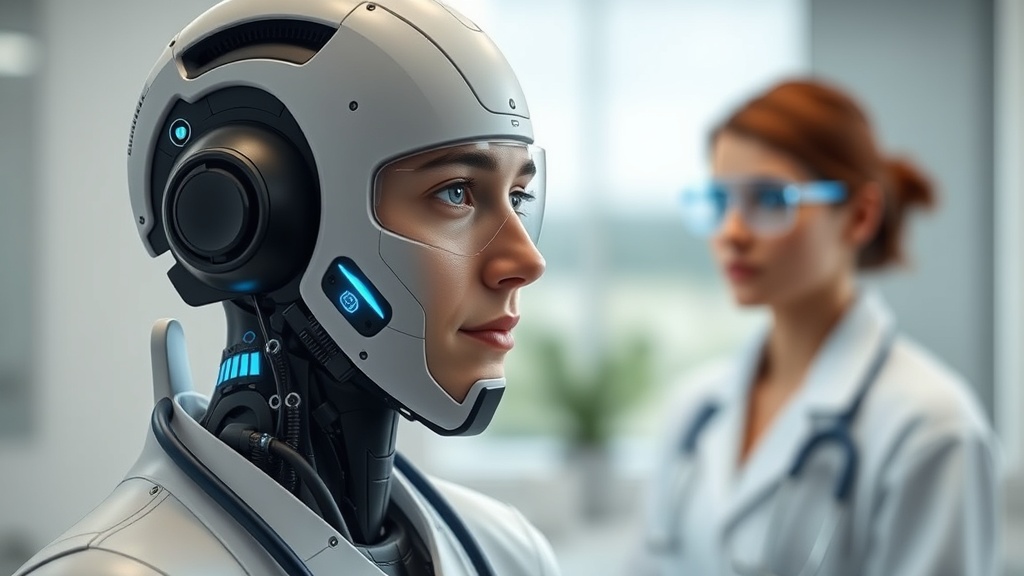
Imagine a world where diseases are detected years earlier, treatments are personalized down to your DNA, and hospital wait times become a relic of the past. This isn't science fiction; it's the rapidly unfolding reality brought to us by artificial intelligence (AI) in healthcare. From intelligent diagnostic tools that spot subtle anomalies to predictive analytics that prevent outbreaks, AI is not merely assisting healthcare professionals; it's fundamentally reshaping how we experience and receive medical care across the United States, promising a future of unprecedented precision, accessibility, and efficacy.

Diagnosing Diseases Faster: AI's Keen Eye for Early Detection
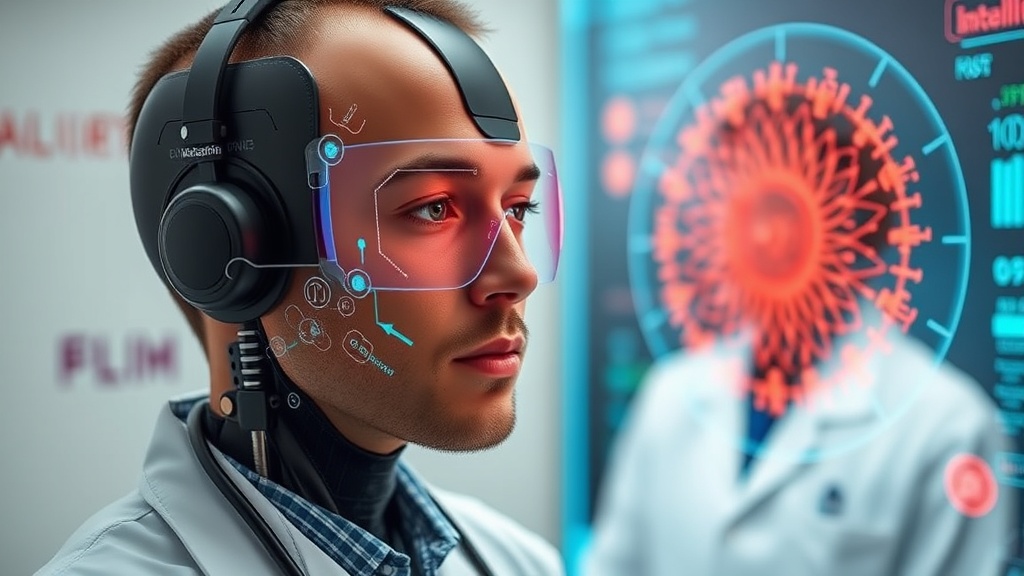
The cornerstone of effective medical intervention often lies in early and accurate diagnosis. AI is proving to be a game-changer, acting as a tireless, ultra-precise assistant to clinicians, often identifying patterns imperceptible to the human eye. This capability is particularly vital in fields like radiology and pathology, where vast amounts of visual data need meticulous analysis.
Consider the fight against cancer. Early detection significantly boosts survival rates. AI algorithms, trained on millions of medical images, can now detect cancerous lesions in mammograms, CT scans, and MRIs with remarkable accuracy, sometimes even surpassing human radiologists. For example, Google Health's AI model demonstrated a reduction in false negatives by 9.4% in U.S. patients and false positives by 5.7% compared to human radiologists in a study published in Nature. This means fewer unnecessary biopsies and earlier treatment for genuine cases. Similarly, for diabetic retinopathy, a leading cause of blindness, AI systems like IDx-DR have received FDA approval, allowing them to autonomously detect the condition in images of the retina, making screening more accessible in primary care settings and preventing vision loss for millions.
Beyond imaging, AI is revolutionizing pathology. PathAI, a Boston-based company, is leveraging AI to improve the diagnosis of various cancers, including prostate and breast cancer, by analyzing tissue biopsies. Their technology helps pathologists quantify critical features like tumor-infiltrating lymphocytes (TILs), which are crucial biomarkers for predicting treatment response in certain cancers. This precision enhances diagnostic consistency and supports more informed treatment decisions, reducing the variability that can sometimes occur between human interpretations.
Personalizing Medicine: Tailored Treatments for Unique Individuals
The era of "one-size-fits-all" medicine is gradually fading, replaced by a personalized approach driven by AI. Every individual's genetic makeup, lifestyle, and health history are unique, and AI is enabling treatments to be tailored specifically to these differences, optimizing efficacy and minimizing adverse effects.
Pharmacogenomics, the study of how genes affect a person's response to drugs, is a prime example. AI can analyze a patient's genetic profile to predict how they will metabolize certain medications, from antidepressants to chemotherapy drugs. Companies like Tempus AI are at the forefront, building a vast library of clinical and molecular data, then applying AI to identify optimal cancer treatments for individual patients. Their platform can sequence tumor DNA, analyze treatment history, and use AI to match patients with the most promising therapies, including clinical trials, significantly improving the chances of a positive outcome. This is especially impactful in oncology, where selecting the right chemotherapy or targeted therapy can mean the difference between remission and progression.
Drug discovery and development, notoriously expensive and time-consuming, are also being accelerated by AI. Traditional drug discovery takes over a decade and costs billions, with a high failure rate. AI can sift through vast chemical databases, predict molecular interactions, and identify promising drug candidates far more efficiently. Insilico Medicine, for instance, used AI to design a novel drug candidate for idiopathic pulmonary fibrosis (a chronic lung disease) that reached Phase II clinical trials in just 18 months, a fraction of the usual timeframe. This speed dramatically reduces costs and brings life-saving medications to patients much faster.
Enhancing Operational Efficiency and Accessibility: Streamlining Healthcare Delivery
Beyond direct patient care, AI is transforming the operational backbone of healthcare, making systems more efficient, reducing administrative burdens, and improving access to care, particularly in underserved areas.
Hospital administration and workflow optimization benefit immensely. AI-powered predictive analytics can forecast patient no-show rates, allowing clinics to overbook appointments strategically to maximize physician time and reduce empty slots. It can also optimize hospital bed management, predict staffing needs based on patient census and anticipated admissions, and even route emergency calls more effectively. A study from the University of California, San Francisco (UCSF) demonstrated that an AI-driven system improved patient flow in the emergency department, leading to reduced wait times and more efficient resource allocation.
Telemedicine, which saw an exponential rise during the pandemic, is further enhanced by AI. AI-powered chatbots and virtual assistants can triage patient inquiries, answer common health questions, and help patients navigate healthcare services 24/7. This frees up human staff for more complex cases and provides immediate support to patients. Companies like Buoy Health use AI to help users assess symptoms and direct them to the appropriate level of care, whether it's self-care, a telehealth visit, or an urgent care facility, reducing unnecessary ER visits. This democratizes access to basic health information and initial guidance, particularly crucial for individuals in rural areas or those facing transportation barriers.
The Road Ahead: Navigating Ethical Challenges and Maximizing AI's Potential
The transformative potential of AI in healthcare is undeniable, but its widespread adoption is not without complexities. For U.S. patients and providers, understanding the implications and preparing for the future is paramount.
Data Privacy and Security are paramount. AI systems thrive on data, often sensitive health information. Robust cybersecurity measures and strict adherence to regulations like HIPAA are non-negotiable. Patients need assurances that their data is protected, anonymized where possible, and used ethically. Misuse or breaches could erode trust and hinder progress. The development of federated learning, where AI models are trained on decentralized data sets without the data ever leaving its source, offers a promising avenue for privacy-preserving AI.
Bias in AI algorithms is a critical concern. If AI models are trained on unrepresentative datasets (e.g., predominantly white male patients), they may perform poorly or even exacerbate health disparities in other populations. For instance, an AI tool designed to predict heart disease might underperform in women or people of color if the training data lacked sufficient representation from these groups. Healthcare providers and developers must actively work to ensure diverse and inclusive datasets are used, and that algorithms are rigorously validated across different demographics to mitigate bias. Organizations like the AI in Healthcare and Life Sciences Consortium are advocating for ethical AI development standards to address these issues head-on.
Free Weekly Newsletter
Enjoying this guide?
Get the best articles like this one delivered to your inbox every week. No spam.

The Evolving Role of Healthcare Professionals: AI isn't replacing doctors; it's augmenting their capabilities. The future requires a shift in skill sets, with medical professionals needing to understand how to interact with AI tools, interpret their outputs, and integrate them into clinical workflows. Medical schools are beginning to incorporate AI and data science into their curricula to prepare the next generation of physicians for this AI-powered landscape. Lifelong learning will be key for existing practitioners.
Regulatory Frameworks and Reimbursement: The FDA has been actively approving AI-powered medical devices, but the pace of innovation often outstrips regulation. Clearer guidelines for AI validation, ongoing monitoring, and accountability are needed. Furthermore, healthcare systems and insurers need to establish clear reimbursement models for AI-driven diagnostics and therapies to incentivize adoption and ensure equitable access.
What to Expect and How to Prepare
For the average American, AI's presence in healthcare will become increasingly palpable. You might encounter:
- Faster and more accurate diagnoses: Less time waiting for results, earlier treatment.
- Personalized treatment plans: Your medication or therapy might be tailored specifically to your genetic makeup.
- More accessible primary care: AI-powered chatbots for initial symptom assessment and virtual consultations.
- Proactive health management: Wearable devices combined with AI might alert you to potential health issues before they become serious.
What you can do:
- Be informed: Understand what AI is and isn't doing in your care. Don't hesitate to ask your doctor how AI tools might be aiding in your diagnosis or treatment.
- Embrace data privacy tools: Be mindful of the data you share, and advocate for strong privacy protections in healthcare.
- Participate in your care: AI empowers both patients and providers. Engage in discussions about your treatment options and understand the rationale behind AI-assisted decisions.
- Advocate for ethical AI: Support organizations and policies that promote unbiased, transparent, and secure AI in healthcare.
Conclusion
The integration of AI into healthcare is not a distant promise but a present-day phenomenon, fundamentally revolutionizing patient care in the United States. From enabling earlier disease detection and delivering truly personalized medicine to streamlining hospital operations and democratizing access to health information, AI is unlocking unprecedented levels of precision, efficiency, and accessibility. While challenges remain concerning data privacy, algorithmic bias, and regulatory frameworks, the trajectory is clear: AI is poised to elevate the standard of care, empower both patients and providers, and ultimately foster a healthier future for all. As these intelligent systems continue to evolve, our collective responsibility is to ensure their development and deployment are guided by ethical principles, ensuring that this powerful technology serves humanity's best interests and continues to revolutionize patient care for generations to come. The future of health is intelligent, and it's here.
Frequently Asked Questions
Diagnosing Diseases Faster: AI's Keen Eye for Early Detection
The cornerstone of effective medical intervention often lies in early and accurate diagnosis. AI is proving to be a game-changer, acting as a tireless, ultra-precise assistant to clinicians, often identifying patterns imperceptible to the human eye. This capability is particularly vital in fields like radiology and pathology, where vast amounts of visual data need meticulous analysis.
Consider the fight against cancer. Early detection significantly boosts survival rates. AI algorithms, trained on millions of medical images, can now detect cancerous lesions in mammograms, CT scans, and MRIs with remarkable accuracy, sometimes even surpassing human radiologists. For example, Google Health's AI model demonstrated a reduction in false negatives by 9.4% in U.S. patients and false positives by 5.7% compared to human radiologists in a study published in Nature. This means fewer unnecessary biopsies and earlier treatment for genuine cases. Similarly, for diabetic retinopathy, a leading cause of blindness, AI systems like IDx-DR have received FDA approval, allowing them to autonomously detect the condition in images of the retina, making screening more accessible in primary care settings and preventing vision loss for millions.
Beyond imaging, AI is revolutionizing pathology. PathAI, a Boston-based company, is leveraging AI to improve the diagnosis of various cancers, including prostate and breast cancer, by analyzing tissue biopsies. Their technology helps pathologists quantify critical features like tumor-infiltrating lymphocytes (TILs), which are crucial biomarkers for predicting treatment response in certain cancers. This precision enhances diagnostic consistency and supports more informed treatment decisions, reducing the variability that can sometimes occur between human interpretations.
Personalizing Medicine: Tailored Treatments for Unique Individuals
The era of "one-size-fits-all" medicine is gradually fading, replaced by a personalized approach driven by AI. Every individual's genetic makeup, lifestyle, and health history are unique, and AI is enabling treatments to be tailored specifically to these differences, optimizing efficacy and minimizing adverse effects.
Pharmacogenomics, the study of how genes affect a person's response to drugs, is a prime example. AI can analyze a patient's genetic profile to predict how they will metabolize certain medications, from antidepressants to chemotherapy drugs. Companies like Tempus AI are at the forefront, building a vast library of clinical and molecular data, then applying AI to identify optimal cancer treatments for individual patients. Their platform can sequence tumor DNA, analyze treatment history, and use AI to match patients with the most promising therapies, including clinical trials, significantly improving the chances of a positive outcome. This is especially impactful in oncology, where selecting the right chemotherapy or targeted therapy can mean the difference between remission and progression.
Drug discovery and development, notoriously expensive and time-consuming, are also being accelerated by AI. Traditional drug discovery takes over a decade and costs billions, with a high failure rate. AI can sift through vast chemical databases, predict molecular interactions, and identify promising drug candidates far more efficiently. Insilico Medicine, for instance, used AI to design a novel drug candidate for idiopathic pulmonary fibrosis (a chronic lung disease) that reached Phase II clinical trials in just 18 months, a fraction of the usual timeframe. This speed dramatically reduces costs and brings life-saving medications to patients much faster.
Enhancing Operational Efficiency and Accessibility: Streamlining Healthcare Delivery
Beyond direct patient care, AI is transforming the operational backbone of healthcare, making systems more efficient, reducing administrative burdens, and improving access to care, particularly in underserved areas.
Hospital administration and workflow optimization benefit immensely. AI-powered predictive analytics can forecast patient no-show rates, allowing clinics to overbook appointments strategically to maximize physician time and reduce empty slots. It can also optimize hospital bed management, predict staffing needs based on patient census and anticipated admissions, and even route emergency calls more effectively. A study from the University of California, San Francisco (UCSF) demonstrated that an AI-driven system improved patient flow in the emergency department, leading to reduced wait times and more efficient resource allocation.
Telemedicine, which saw an exponential rise during the pandemic, is further enhanced by AI. AI-powered chatbots and virtual assistants can triage patient inquiries, answer common health questions, and help patients navigate healthcare services 24/7. This frees up human staff for more complex cases and provides immediate support to patients. Companies like Buoy Health use AI to help users assess symptoms and direct them to the appropriate level of care, whether it's self-care, a telehealth visit, or an urgent care facility, reducing unnecessary ER visits. This democratizes access to basic health information and initial guidance, particularly crucial for individuals in rural areas or those facing transportation barriers.
The Road Ahead: Navigating Ethical Challenges and Maximizing AI's Potential
The transformative potential of AI in healthcare is undeniable, but its widespread adoption is not without complexities. For U.S. patients and providers, understanding the implications and preparing for the future is paramount.
Data Privacy and Security are paramount. AI systems thrive on data, often sensitive health information. Robust cybersecurity measures and strict adherence to regulations like HIPAA are non-negotiable. Patients need assurances that their data is protected, anonymized where possible, and used ethically. Misuse or breaches could erode trust and hinder progress. The development of federated learning, where AI models are trained on decentralized data sets without the data ever leaving its source, offers a promising avenue for privacy-preserving AI.
Bias in AI algorithms is a critical concern. If AI models are trained on unrepresentative datasets (e.g., predominantly white male patients), they may perform poorly or even exacerbate health disparities in other populations. For instance, an AI tool designed to predict heart disease might underperform in women or people of color if the training data lacked sufficient representation from these groups. Healthcare providers and developers must actively work to ensure diverse and inclusive datasets are used, and that algorithms are rigorously validated across different demographics to mitigate bias. Organizations like the AI in Healthcare and Life Sciences Consortium are advocating for ethical AI development standards to address these issues head-on.
The Evolving Role of Healthcare Professionals: AI isn't replacing doctors; it's augmenting their capabilities. The future requires a shift in skill sets, with medical professionals needing to understand how to interact with AI tools, interpret their outputs, and integrate them into clinical workflows. Medical schools are beginning to incorporate AI and data science into their curricula to prepare the next generation of physicians for this AI-powered landscape. Lifelong learning will be key for existing practitioners.
Regulatory Frameworks and Reimbursement: The FDA has been actively approving AI-powered medical devices, but the pace of innovation often outstrips regulation. Clearer guidelines for AI validation, ongoing monitoring, and accountability are needed. Furthermore, healthcare systems and insurers need to establish clear reimbursement models for AI-driven diagnostics and therapies to incentivize adoption and ensure equitable access.
What to Expect and How to Prepare
For the average American, AI's presence in healthcare will become increasingly palpable. You might encounter:
- Faster and more accurate diagnoses: Less time waiting for results, earlier treatment.
- Personalized treatment plans: Your medication or therapy might be tailored specifically to your genetic makeup.
- More accessible primary care: AI-powered chatbots for initial symptom assessment and virtual consultations.
- Proactive health management: Wearable devices combined with AI might alert you to potential health issues before they become serious.
What you can do:
- Be informed: Understand what AI is and isn't doing in your care. Don't hesitate to ask your doctor how AI tools might be aiding in your diagnosis or treatment.
- Embrace data privacy tools: Be mindful of the data you share, and advocate for strong privacy protections in healthcare.
- Participate in your care: AI empowers both patients and providers. Engage in discussions about your treatment options and understand the rationale behind AI-assisted decisions.
- Advocate for ethical AI: Support organizations and policies that promote unbiased, transparent, and secure AI in healthcare.
Conclusion
The integration of AI into healthcare is not a distant promise but a present-day phenomenon, fundamentally revolutionizing patient care in the United States. From enabling earlier disease detection and delivering truly personalized medicine to streamlining hospital operations and democratizing access to health information, AI is unlocking unprecedented levels of precision, efficiency, and accessibility. While challenges remain concerning data privacy, algorithmic bias, and regulatory frameworks, the trajectory is clear: AI is poised to elevate the standard of care, empower both patients and providers, and ultimately foster a healthier future for all. As these intelligent systems continue to evolve, our collective responsibility is to ensure their development and deployment are guided by ethical principles, ensuring that this powerful technology serves humanity's best interests and continues to revolutionize patient care for generations to come. The future of health is intelligent, and it's here.
About Zeebrain Editorial
Zeebrain publishes independent analysis of markets, investing, personal finance, and business. We disclose affiliate relationships, never accept payment for coverage, and fact-check all claims against primary sources. Read our editorial policy →
How this article was produced: Zeebrain articles are created with AI assistance from primary sources (including cited videos and market data) and reviewed under our editorial standards before publication. Spot an error? Tell us and we will correct it.
More from Science & Tech




Related Guides
Keep exploring this topic
Explore More Categories
Keep browsing by topic and build depth around the subjects you care about most.