

2026 Winter Olympics bid (potential host city)
In This Article
The 2026 Winter Olympics: Where in the World Could You Be Skiing, Skating, and Spectating?
Introduction
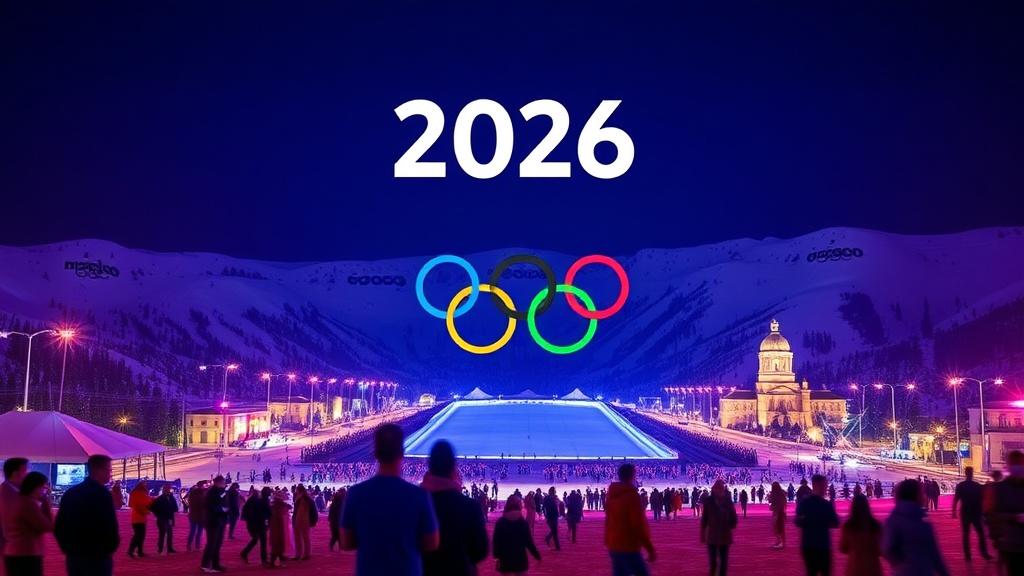
For sports enthusiasts, travel adventurers, and anyone who appreciates a global spectacle, the Winter Olympics represents a unique convergence of athleticism, culture, and breathtaking scenery. While the world's gaze is currently fixed on Milan Cortina 2026, the truth is, we've missed a beat. The 2026 Winter Olympics host city has already been decided – it's Milan Cortina, Italy. This article will pivot to address a more timely and relevant topic for a U.S. audience interested in future Winter Olympic bids and the fascinating process behind them, looking ahead to potential 2030 or even 2034 scenarios. The question remains: where might future bids take us, and what makes a city a prime candidate for hosting the ultimate winter sports festival? Understanding the evolving landscape of Olympic bids – especially for the Winter Games – provides a compelling lens through which to view global travel, sustainable development, and the enduring power of sport.

The Evolving Landscape of Olympic Bids: Beyond the Grand Show
The days of cities spending astronomical sums on custom-built venues are largely becoming a relic of the past, especially for the Winter Olympics. The International Olympic Committee (IOC) has been pushing for a more sustainable, cost-effective, and legacy-focused approach since the adoption of its "New Norm" reforms in 2018. This shift fundamentally alters the criteria for potential host cities and the way they craft their bids.
Consider Salt Lake City, Utah, a perennial contender and perhaps the strongest U.S. candidate for a future Winter Games, potentially 2034. Their bid strategy is a masterclass in the "New Norm" philosophy. For the 2002 Winter Olympics, Salt Lake City successfully leveraged existing infrastructure, a model that is even more attractive today. The city still boasts world-class venues like the Utah Olympic Park (bobsled, luge, skeleton, ski jumping), the speed skating oval in Kearns, and various ski resorts that regularly host World Cup events. According to Fraser Bullock, president and CEO of the Salt Lake City-Utah Committee for the Games, "We have a full house of venues, every one of which is still in use, still world class." This isn't just a boast; it's a critical advantage. Reusing existing infrastructure drastically reduces the financial burden and environmental impact, making the bid far more appealing to the IOC and, crucially, to local taxpayers.
Furthermore, the IOC is actively encouraging "regional bids" or even "cross-border bids" to maximize the use of existing facilities. The Milan Cortina 2026 Games themselves are a prime example, spanning two Italian regions and utilizing venues hundreds of kilometers apart. This decentralization model opens the door for cities or regions that might not have every single venue within a tight radius but can offer a compelling package across a wider geographic area. This approach could be particularly relevant for countries with diverse winter sports landscapes, like the United States with its numerous mountain ranges and winter sports hubs.
The Deeper Dive: Beyond Snow and Ice – Economic, Environmental, and Social Realities
Hosting the Winter Olympics is no longer just about having enough snow and ice. The IOC's "New Norm" emphasizes three critical pillars: economic viability, environmental sustainability, and social legacy.
From an economic perspective, cities must present a clear, realistic budget that demonstrates a path to financial self-sufficiency, often without relying heavily on public funds. For Salt Lake City, their 2034 bid (currently the primary focus after deferring a 2030 bid due to proximity to the 2028 Los Angeles Summer Games) estimates a budget around $2.2 billion, funded entirely by private sources, sponsorships, ticket sales, and IOC contributions. This financial prudence is a stark contrast to past bids that left host cities with significant debt. A 2020 study by the University of Oxford found that the cost of hosting the Olympics has consistently exceeded initial estimates, with an average cost overrun of 179% since 1960. The IOC's reforms aim to curb this trend, prioritizing bids that demonstrate fiscal responsibility and a strong private-sector funding model.
Environmental sustainability is another non-negotiable. Future bids must detail how they will minimize their carbon footprint, protect local ecosystems, and utilize renewable energy. This includes everything from sustainable transport plans to responsible waste management and the use of eco-friendly building materials if any new construction is absolutely necessary. For a city like Sapporo, Japan, which has expressed interest in future bids (potentially 2030), their reliance on natural snowfall and existing ski resorts, coupled with Japan's commitment to technological innovation and green energy, could make a compelling environmental case. However, the unpredictability of snowfall due to climate change is a growing concern, pushing the IOC to consider bids that can guarantee snow, whether natural or supplemented by sustainable snowmaking, in an increasingly warming world.
Continue Reading
Related Guides
Keep exploring this topic
Social legacy refers to the long-term benefits the Games bring to the local community, beyond the two weeks of competition. This could include improved public transport, enhanced sports facilities for local athletes, increased tourism, job creation, or even social programs leveraging the Olympic spirit. Salt Lake City's existing venues, which are actively used by the public and serve as training grounds for elite athletes, embody this legacy. The Utah Olympic Legacy Foundation, for example, manages these venues and hosts numerous local, national, and international events, ensuring a lasting return on investment for the community. This demonstrates a clear value proposition that extends far beyond the Games themselves.
Practical Impact for the U.S. Traveler: Planning for Future Olympic Adventures
For the U.S. traveler eager to experience the Winter Olympics firsthand, understanding the bid process and potential future hosts is crucial.
If Salt Lake City Hosts (e.g., 2034): This would be an unprecedented opportunity for domestic travel. Expect high demand for flights into Salt Lake City International Airport (SLC) and lodging throughout the Wasatch Front. Early booking would be paramount. Travelers could leverage the region's excellent public transport (UTA TRAX light rail and bus system) and proximity to national parks like Zion and Bryce Canyon for extended trips. The familiarity of the language and currency would simplify logistics, making it an accessible and attractive option for many Americans. Furthermore, for those who visited in 2002, a return trip would offer a fascinating comparison of how the city and venues have evolved.
If a European City Hosts (e.g., Sweden/Norway or Switzerland): While Milan Cortina 2026 is set, future European bids from regions like Sweden (perhaps Stockholm/Åre) or Switzerland (with a multi-city approach, as has been discussed) would offer a classic international Olympic experience. These destinations boast incredible natural beauty, rich cultural histories, and established winter sports traditions. Planning would involve navigating international travel, currency exchange (Euro or Swiss Franc), and potentially multiple languages. However, the charm of European cities, combined with world-class skiing and winter activities, makes this an enticing prospect for those seeking a more global adventure. Airfare would be a significant factor, making advance booking even more critical.
If an Asian City Hosts (e.g., Sapporo, Japan): A future Games in Sapporo, which hosted in 1972 and has repeatedly expressed interest, would offer a profoundly different cultural experience. Japan’s efficiency, hospitality, and unique blend of tradition and modernity would create a memorable Games. Travelers would need to contend with longer travel times, a significant time difference, and a dramatically different cultural context. However, the appeal of experiencing Japanese culture alongside top-tier winter sports, perhaps combining a trip with visits to Tokyo or Kyoto, would be immense for adventurous travelers. Understanding visa requirements, local customs, and public transport systems would be essential for a smooth experience.
Regardless of the host, flexibility and early planning will be key. Accommodation prices soar, and transportation links become strained. Consider staying slightly outside the immediate host areas and commuting in, or exploring "Games Overlay" options which might include smaller towns offering a more local experience.
Newsletter
Enjoying this article?
Get more practical reads, reviews, and explainers like this in one short weekly email.
Future Outlook: The Race for 2030 and Beyond
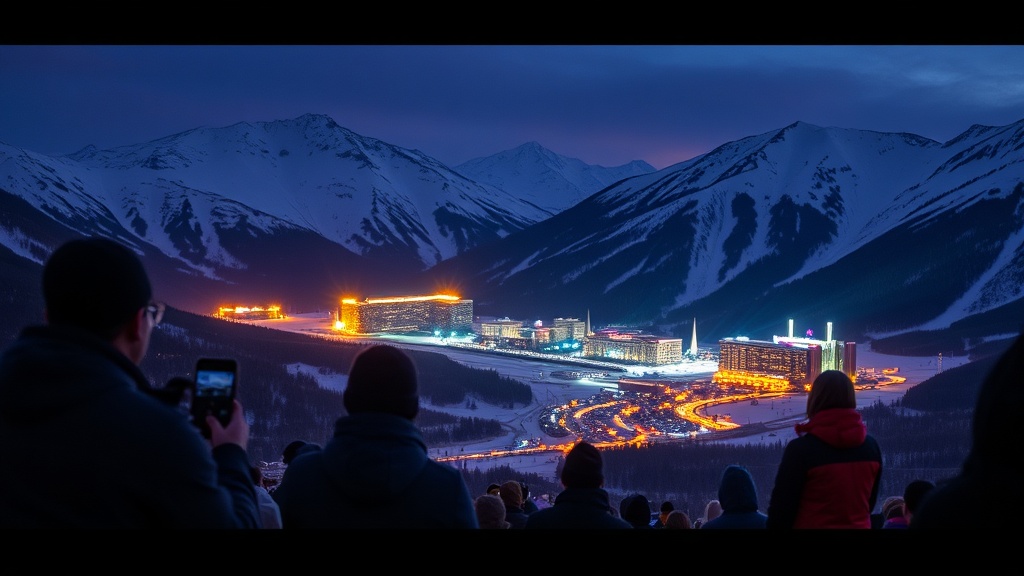
The IOC's new, more flexible bid process has eliminated fixed timelines, allowing for a more targeted and adaptable selection. This means that a host city could be announced with less lead time than in the past, or conversely, a decision could be deferred if no suitable candidate emerges.
Currently, the primary contenders for the 2030 Winter Olympics are Salt Lake City, Sapporo (Japan), and potentially a joint bid from Sweden (Stockholm/Åre) or Switzerland.
- Salt Lake City: As mentioned, their "existing infrastructure" argument is incredibly strong, and their bid enjoys widespread public and political support. Their biggest hurdle for 2030 was the proximity to Los Angeles 2028 (Summer Games) and the logistical and commercial challenges that poses for sponsors and media partners. This led them to prioritize 2034, making them a very strong frontrunner for that cycle.
- Sapporo, Japan: Sapporo has a strong track record and robust winter sports infrastructure. However, recent local polling has shown declining public support following a series of corruption scandals related to the Tokyo 2020 Games. They would need to rebuild trust and demonstrate broad community backing. Climate change also presents a challenge, with concerns about consistent natural snowfall.
- Sweden/Switzerland: European bids often face public referendums, which have historically been difficult to pass due to concerns over costs. However, the IOC's "New Norm" is designed to address these very issues. A united, sustainable bid from a country like Sweden or Switzerland, leveraging existing world-class resorts, could gain traction, particularly if they demonstrate strong public engagement and a clear, manageable budget.
The IOC is actively engaging in "continuous dialogue" with these potential hosts rather than the traditional, more rigid bid phases. This allows for a more collaborative process, where cities can refine their proposals based on IOC feedback. Expect a decision for 2030 perhaps by late 2023 or early 2024, though it could stretch depending on the strength of the bids. The "preferred host" model means the IOC could essentially pick a frontrunner and negotiate directly, streamlining the process significantly. This new approach aims to avoid costly and drawn-out bidding wars that historically deterred many cities.
Conclusion
While Milan Cortina 2026 is firmly set to dazzle the world, the future of the Winter Olympics is a dynamic and exciting prospect. The IOC's commitment to sustainability and legacy is reshaping the bidding landscape, favoring cities that can demonstrate smart, cost-effective, and environmentally responsible plans. For the U.S. traveler, this means that future Games, whether domestically in a familiar locale like Salt Lake City or in an exotic international destination, will likely offer a more thoughtfully planned and impactful experience.
The evolution of the Olympic bid is not just about where the Games will be held, but how they will be held – with a greater emphasis on what truly matters: community benefit, environmental stewardship, and a sustainable future for winter sports. So, as we look forward to Milan Cortina, keep an eye on the horizon. The next great winter sports adventure is already taking shape, inviting you to dream of future slopes, rinks, and Olympic dreams. Where will you be in 2030 or 2034? Start planning now, because the Olympic spirit waits for no one!
Frequently Asked Questions
Introduction
For sports enthusiasts, travel adventurers, and anyone who appreciates a global spectacle, the Winter Olympics represents a unique convergence of athleticism, culture, and breathtaking scenery. While the world's gaze is currently fixed on Milan Cortina 2026, the truth is, we've missed a beat. The 2026 Winter Olympics host city has already been decided – it's Milan Cortina, Italy. This article will pivot to address a more timely and relevant topic for a U.S. audience interested in future Winter Olympic bids and the fascinating process behind them, looking ahead to potential 2030 or even 2034 scenarios. The question remains: where might future bids take us, and what makes a city a prime candidate for hosting the ultimate winter sports festival? Understanding the evolving landscape of Olympic bids – especially for the Winter Games – provides a compelling lens through which to view global travel, sustainable development, and the enduring power of sport.
The Evolving Landscape of Olympic Bids: Beyond the Grand Show
The days of cities spending astronomical sums on custom-built venues are largely becoming a relic of the past, especially for the Winter Olympics. The International Olympic Committee (IOC) has been pushing for a more sustainable, cost-effective, and legacy-focused approach since the adoption of its "New Norm" reforms in 2018. This shift fundamentally alters the criteria for potential host cities and the way they craft their bids.
Consider Salt Lake City, Utah, a perennial contender and perhaps the strongest U.S. candidate for a future Winter Games, potentially 2034. Their bid strategy is a masterclass in the "New Norm" philosophy. For the 2002 Winter Olympics, Salt Lake City successfully leveraged existing infrastructure, a model that is even more attractive today. The city still boasts world-class venues like the Utah Olympic Park (bobsled, luge, skeleton, ski jumping), the speed skating oval in Kearns, and various ski resorts that regularly host World Cup events. According to Fraser Bullock, president and CEO of the Salt Lake City-Utah Committee for the Games, "We have a full house of venues, every one of which is still in use, still world class." This isn't just a boast; it's a critical advantage. Reusing existing infrastructure drastically reduces the financial burden and environmental impact, making the bid far more appealing to the IOC and, crucially, to local taxpayers.
Furthermore, the IOC is actively encouraging "regional bids" or even "cross-border bids" to maximize the use of existing facilities. The Milan Cortina 2026 Games themselves are a prime example, spanning two Italian regions and utilizing venues hundreds of kilometers apart. This decentralization model opens the door for cities or regions that might not have every single venue within a tight radius but can offer a compelling package across a wider geographic area. This approach could be particularly relevant for countries with diverse winter sports landscapes, like the United States with its numerous mountain ranges and winter sports hubs.
The Deeper Dive: Beyond Snow and Ice – Economic, Environmental, and Social Realities
Hosting the Winter Olympics is no longer just about having enough snow and ice. The IOC's "New Norm" emphasizes three critical pillars: economic viability, environmental sustainability, and social legacy.
From an economic perspective, cities must present a clear, realistic budget that demonstrates a path to financial self-sufficiency, often without relying heavily on public funds. For Salt Lake City, their 2034 bid (currently the primary focus after deferring a 2030 bid due to proximity to the 2028 Los Angeles Summer Games) estimates a budget around $2.2 billion, funded entirely by private sources, sponsorships, ticket sales, and IOC contributions. This financial prudence is a stark contrast to past bids that left host cities with significant debt. A 2020 study by the University of Oxford found that the cost of hosting the Olympics has consistently exceeded initial estimates, with an average cost overrun of 179% since 1960. The IOC's reforms aim to curb this trend, prioritizing bids that demonstrate fiscal responsibility and a strong private-sector funding model.
Environmental sustainability is another non-negotiable. Future bids must detail how they will minimize their carbon footprint, protect local ecosystems, and utilize renewable energy. This includes everything from sustainable transport plans to responsible waste management and the use of eco-friendly building materials if any new construction is absolutely necessary. For a city like Sapporo, Japan, which has expressed interest in future bids (potentially 2030), their reliance on natural snowfall and existing ski resorts, coupled with Japan's commitment to technological innovation and green energy, could make a compelling environmental case. However, the unpredictability of snowfall due to climate change is a growing concern, pushing the IOC to consider bids that can guarantee snow, whether natural or supplemented by sustainable snowmaking, in an increasingly warming world.
Social legacy refers to the long-term benefits the Games bring to the local community, beyond the two weeks of competition. This could include improved public transport, enhanced sports facilities for local athletes, increased tourism, job creation, or even social programs leveraging the Olympic spirit. Salt Lake City's existing venues, which are actively used by the public and serve as training grounds for elite athletes, embody this legacy. The Utah Olympic Legacy Foundation, for example, manages these venues and hosts numerous local, national, and international events, ensuring a lasting return on investment for the community. This demonstrates a clear value proposition that extends far beyond the Games themselves.
Practical Impact for the U.S. Traveler: Planning for Future Olympic Adventures
For the U.S. traveler eager to experience the Winter Olympics firsthand, understanding the bid process and potential future hosts is crucial.
If Salt Lake City Hosts (e.g., 2034): This would be an unprecedented opportunity for domestic travel. Expect high demand for flights into Salt Lake City International Airport (SLC) and lodging throughout the Wasatch Front. Early booking would be paramount. Travelers could leverage the region's excellent public transport (UTA TRAX light rail and bus system) and proximity to national parks like Zion and Bryce Canyon for extended trips. The familiarity of the language and currency would simplify logistics, making it an accessible and attractive option for many Americans. Furthermore, for those who visited in 2002, a return trip would offer a fascinating comparison of how the city and venues have evolved.
If a European City Hosts (e.g., Sweden/Norway or Switzerland): While Milan Cortina 2026 is set, future European bids from regions like Sweden (perhaps Stockholm/Åre) or Switzerland (with a multi-city approach, as has been discussed) would offer a classic international Olympic experience. These destinations boast incredible natural beauty, rich cultural histories, and established winter sports traditions. Planning would involve navigating international travel, currency exchange (Euro or Swiss Franc), and potentially multiple languages. However, the charm of European cities, combined with world-class skiing and winter activities, makes this an enticing prospect for those seeking a more global adventure. Airfare would be a significant factor, making advance booking even more critical.
If an Asian City Hosts (e.g., Sapporo, Japan): A future Games in Sapporo, which hosted in 1972 and has repeatedly expressed interest, would offer a profoundly different cultural experience. Japan’s efficiency, hospitality, and unique blend of tradition and modernity would create a memorable Games. Travelers would need to contend with longer travel times, a significant time difference, and a dramatically different cultural context. However, the appeal of experiencing Japanese culture alongside top-tier winter sports, perhaps combining a trip with visits to Tokyo or Kyoto, would be immense for adventurous travelers. Understanding visa requirements, local customs, and public transport systems would be essential for a smooth experience.
Regardless of the host, flexibility and early planning will be key. Accommodation prices soar, and transportation links become strained. Consider staying slightly outside the immediate host areas and commuting in, or exploring "Games Overlay" options which might include smaller towns offering a more local experience.
Future Outlook: The Race for 2030 and Beyond
The IOC's new, more flexible bid process has eliminated fixed timelines, allowing for a more targeted and adaptable selection. This means that a host city could be announced with less lead time than in the past, or conversely, a decision could be deferred if no suitable candidate emerges.
Currently, the primary contenders for the 2030 Winter Olympics are Salt Lake City, Sapporo (Japan), and potentially a joint bid from Sweden (Stockholm/Åre) or Switzerland.
- Salt Lake City: As mentioned, their "existing infrastructure" argument is incredibly strong, and their bid enjoys widespread public and political support. Their biggest hurdle for 2030 was the proximity to Los Angeles 2028 (Summer Games) and the logistical and commercial challenges that poses for sponsors and media partners. This led them to prioritize 2034, making them a very strong frontrunner for that cycle.
- Sapporo, Japan: Sapporo has a strong track record and robust winter sports infrastructure. However, recent local polling has shown declining public support following a series of corruption scandals related to the Tokyo 2020 Games. They would need to rebuild trust and demonstrate broad community backing. Climate change also presents a challenge, with concerns about consistent natural snowfall.
- Sweden/Switzerland: European bids often face public referendums, which have historically been difficult to pass due to concerns over costs. However, the IOC's "New Norm" is designed to address these very issues. A united, sustainable bid from a country like Sweden or Switzerland, leveraging existing world-class resorts, could gain traction, particularly if they demonstrate strong public engagement and a clear, manageable budget.
The IOC is actively engaging in "continuous dialogue" with these potential hosts rather than the traditional, more rigid bid phases. This allows for a more collaborative process, where cities can refine their proposals based on IOC feedback. Expect a decision for 2030 perhaps by late 2023 or early 2024, though it could stretch depending on the strength of the bids. The "preferred host" model means the IOC could essentially pick a frontrunner and negotiate directly, streamlining the process significantly. This new approach aims to avoid costly and drawn-out bidding wars that historically deterred many cities.
Conclusion
While Milan Cortina 2026 is firmly set to dazzle the world, the future of the Winter Olympics is a dynamic and exciting prospect. The IOC's commitment to sustainability and legacy is reshaping the bidding landscape, favoring cities that can demonstrate smart, cost-effective, and environmentally responsible plans. For the U.S. traveler, this means that future Games, whether domestically in a familiar locale like Salt Lake City or in an exotic international destination, will likely offer a more thoughtfully planned and impactful experience.
The evolution of the Olympic bid is not just about where the Games will be held, but how they will be held – with a greater emphasis on what truly matters: community benefit, environmental stewardship, and a sustainable future for winter sports. So, as we look forward to Milan Cortina, keep an eye on the horizon. The next great winter sports adventure is already taking shape, inviting you to dream of future slopes, rinks, and Olympic dreams. Where will you be in 2030 or 2034? Start planning now, because the Olympic spirit waits for no one!
More from Travel & Places


Explore More Categories
Keep browsing by topic and build depth around the subjects you care about most.